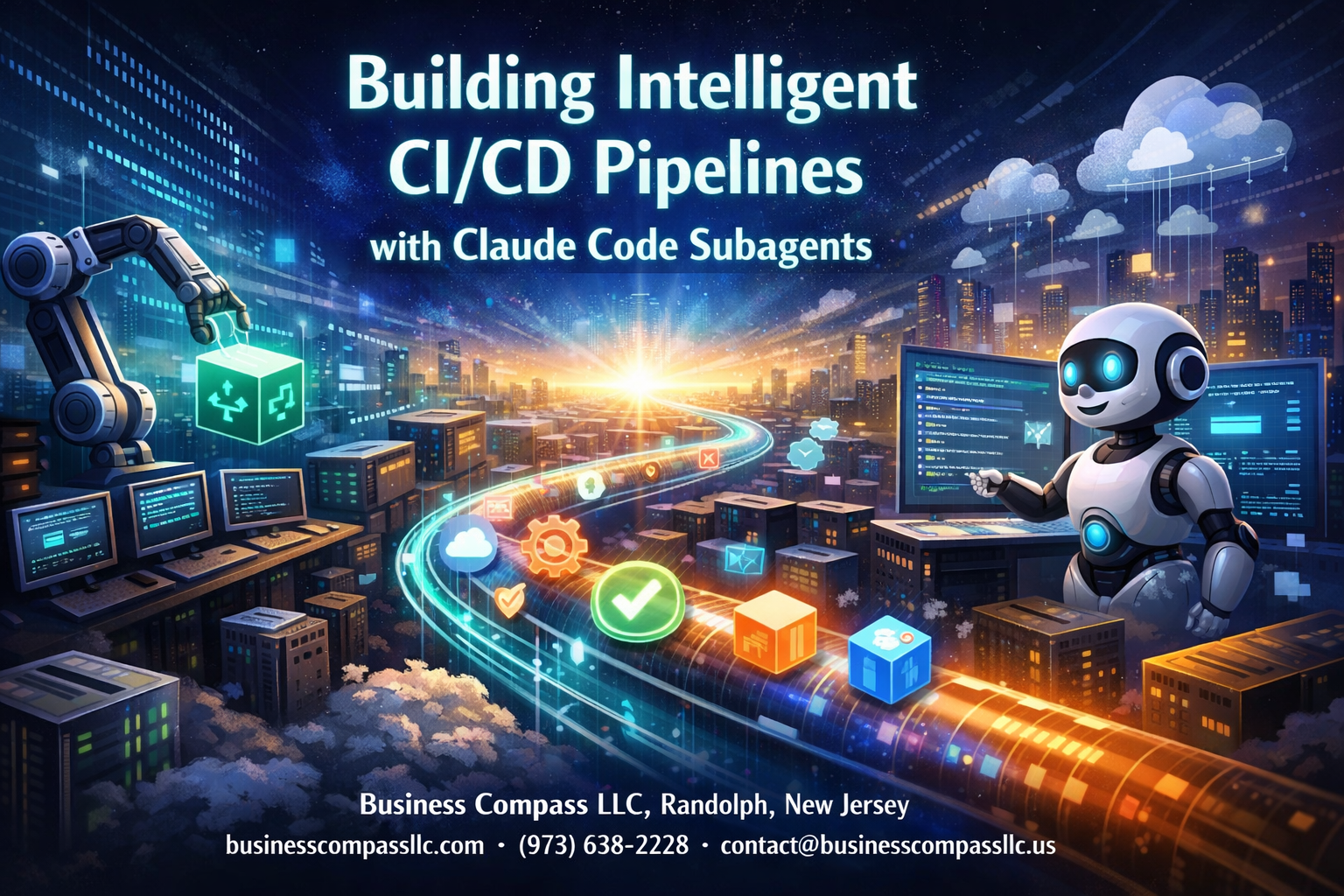
Modern software development teams are transforming their CI/CD automation with Claude AI integration, creating intelligent DevOps pipelines that go beyond traditional script-based workflows. These smart pipeline infrastructure solutions use AI-driven continuous integration to automatically review code, make deployment decisions, and adapt to changing project needs without human intervention.
This guide is designed for DevOps engineers, software architects, and development teams who want to build autonomous deployment strategies that actually understand their codebase and make intelligent decisions throughout the development lifecycle.
We’ll walk through setting up your first intelligent pipeline infrastructure from scratch, showing you how to configure Claude code subagents that can analyze commits, run tests, and decide on deployment paths. You’ll also learn how to implement automated code review systems that catch issues traditional static analysis tools miss, plus advanced monitoring techniques that help your AI code analysis tools get smarter over time.
By the end, you’ll have a complete intelligent quality assurance system that learns from your team’s patterns and automates the repetitive decision-making that slows down most development workflows.
Understanding Claude Code Subagents for DevOps Automation

Core capabilities and intelligent code analysis features
Claude Code Subagents bring advanced AI-driven continuous integration capabilities to modern development teams. These intelligent systems analyze code patterns, detect potential bugs, and suggest optimizations in real-time during the CI/CD automation process. The AI code analysis tools can identify security vulnerabilities, code smells, and performance bottlenecks that traditional static analysis tools often miss.
The machine learning DevOps approach enables these subagents to learn from your codebase patterns and team preferences over time. They provide contextual feedback on pull requests, automatically categorize issues by severity, and even suggest specific fixes for common problems, making intelligent quality assurance a seamless part of your development workflow.
Integration advantages over traditional CI/CD tools
Smart pipeline infrastructure powered by Claude AI integration offers significant advantages over conventional automation tools. Unlike rigid rule-based systems, these intelligent DevOps pipelines adapt to changing project requirements and can make nuanced decisions about deployment strategies based on code changes, testing results, and historical data patterns.
The autonomous deployment strategies enabled by AI allow for more sophisticated decision-making processes. These systems can automatically determine optimal deployment windows, rollback scenarios, and even predict potential issues before they occur, reducing manual intervention and improving overall pipeline reliability.
Cost-effective automation for complex development workflows
Implementing Claude Code Subagents reduces operational overhead by automating complex decision-making processes that typically require senior developer intervention. The automated code review capabilities can handle routine quality checks, freeing up valuable developer time for more strategic tasks while maintaining high code quality standards.
These AI-driven systems scale efficiently with team growth, providing consistent quality assurance regardless of team size or project complexity. The intelligent automation reduces the need for multiple specialized tools, consolidating functionality into a single, adaptive platform that learns and improves with your development practices.
Setting Up Your First Intelligent Pipeline Infrastructure
Essential prerequisites and environment configuration
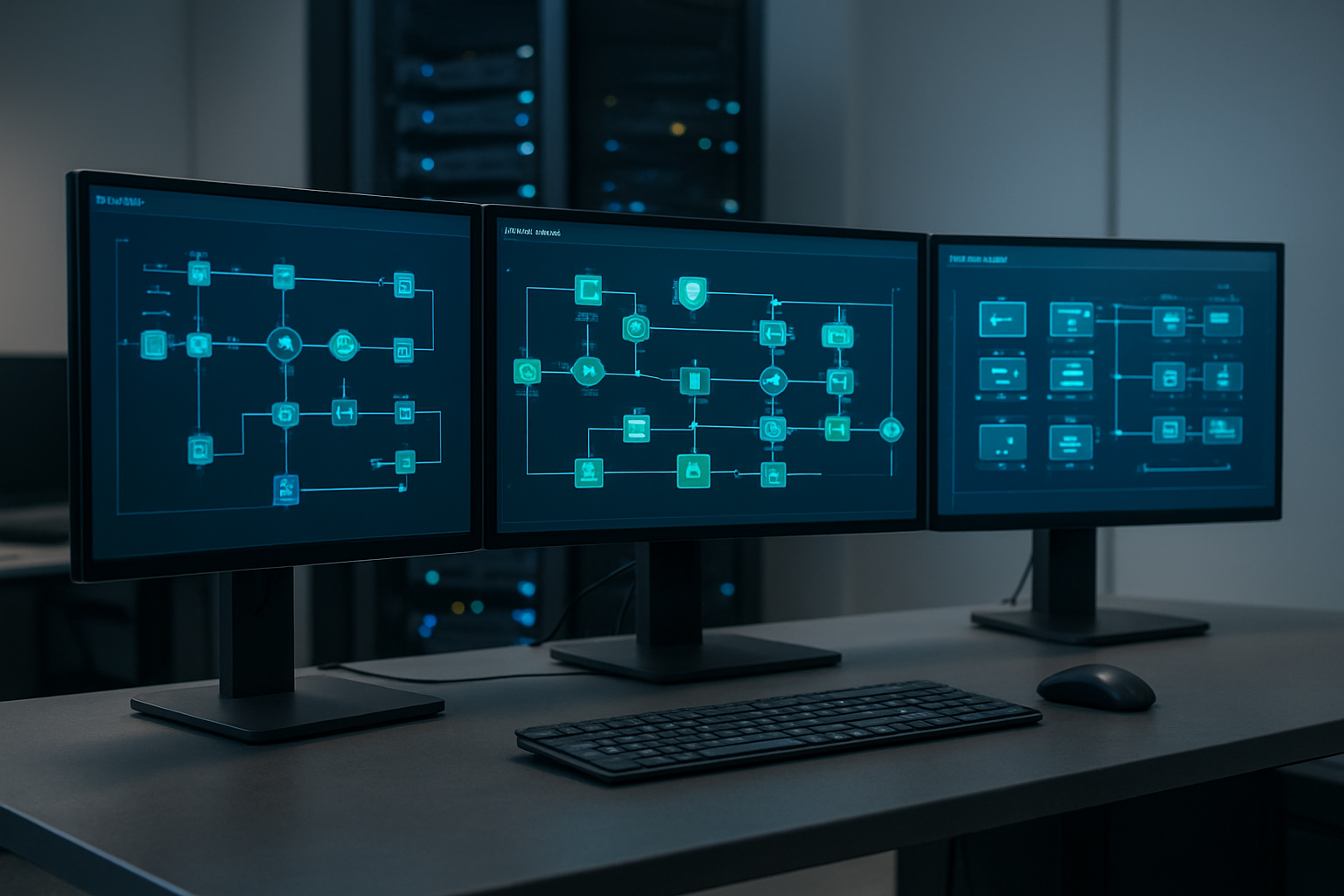
Before diving into intelligent pipeline infrastructure, you’ll need a solid foundation. Start with a containerized environment using Docker and Kubernetes for scalable deployment. Your development team should have access to version control systems like Git, along with CI/CD platforms such as Jenkins, GitLab CI, or GitHub Actions. Cloud infrastructure providers like AWS, Azure, or GCP will host your smart pipeline infrastructure.
Modern development environments require proper monitoring tools, logging systems, and secret management solutions. Install necessary dependencies including Python 3.8+, Node.js, and your preferred programming language runtimes. Configure your development machines with IDE extensions that support AI code analysis tools and automated code review workflows.
Claude API integration and authentication setup
Authentication with Claude’s API requires generating secure API keys through Anthropic’s console. Store these credentials in environment variables or dedicated secret management systems like HashiCorp Vault or AWS Secrets Manager. Never hardcode API keys directly in your pipeline configurations.
Create service accounts with minimal required permissions for Claude AI integration. Implement token rotation policies and monitor API usage to prevent unexpected costs. Configure retry logic and error handling for API calls to ensure pipeline reliability during network issues or service disruptions.
Pipeline architecture design for optimal performance
Design your CI/CD automation architecture with modular components that can scale independently. Separate code analysis, testing, and deployment phases into distinct pipeline stages. This approach allows Claude AI integration to process code changes efficiently while maintaining fast feedback loops for developers.
Implement caching strategies for AI-driven continuous integration processes to reduce API calls and improve performance. Use queue systems like Redis or RabbitMQ to handle asynchronous AI code analysis requests. Configure your intelligent DevOps pipelines with proper resource allocation and parallel execution capabilities.
Security considerations and access control implementation
Implement role-based access control (RBAC) for all pipeline components and Claude API interactions. Create separate service accounts for different pipeline stages with principle of least privilege. Encrypt all communications between pipeline components and external AI services using TLS 1.3.
Establish audit trails for all AI-driven pipeline decisions and code modifications. Configure network policies to restrict access to Claude API endpoints from authorized sources only. Regular security scans should validate your automated deployment strategies and autonomous deployment strategies don’t introduce vulnerabilities into production environments.
Implementing Smart Code Review and Quality Assurance
Automated code analysis and vulnerability detection
Claude code subagents transform traditional CI/CD automation by performing deep code analysis that goes beyond basic syntax checking. These AI-driven continuous integration tools scan codebases for security vulnerabilities, detect anti-patterns, and identify potential runtime issues before deployment. The intelligent DevOps pipelines can flag SQL injection risks, cross-site scripting vulnerabilities, and memory leaks while suggesting specific remediation strategies.
The automated code review process leverages machine learning DevOps capabilities to understand context and coding standards across different programming languages. Claude AI integration enables real-time security assessments that adapt to emerging threat patterns, making your smart pipeline infrastructure more resilient against evolving cybersecurity challenges.
Intelligent test case generation and execution
AI code analysis tools powered by Claude subagents automatically generate comprehensive test suites based on code structure and business logic. These systems analyze function signatures, data flows, and edge cases to create unit tests, integration tests, and end-to-end scenarios that human developers might miss. The intelligent quality assurance process adapts test coverage based on code complexity and historical bug patterns.
Autonomous deployment strategies include dynamic test execution where Claude subagents prioritize critical test paths and skip redundant checks based on code changes. This approach reduces testing time while maintaining thorough coverage, enabling faster feedback loops in your CI/CD automation workflow.
Performance optimization recommendations
Smart pipeline infrastructure continuously monitors code performance metrics and suggests optimization opportunities during the review process. Claude subagents analyze memory usage patterns, database query efficiency, and algorithmic complexity to provide actionable performance improvements. These recommendations range from simple code refactoring suggestions to architectural changes that could significantly impact application scalability.
The AI-driven continuous integration system learns from production performance data to predict potential bottlenecks before they impact users. By integrating performance analysis into the code review stage, teams catch optimization opportunities early in the development cycle.
Documentation quality assessment and improvements
Claude code subagents evaluate documentation quality by analyzing code comments, README files, and API documentation against industry standards and team conventions. The intelligent DevOps pipelines assess whether code changes include appropriate documentation updates and suggest improvements for clarity and completeness. This automated process ensures that documentation stays current with code evolution.
Machine learning DevOps capabilities enable these systems to generate missing documentation, improve existing descriptions, and maintain consistency across different modules. The AI code analysis tools can even suggest examples and usage patterns that make documentation more helpful for future developers.
Advanced Pipeline Intelligence and Decision Making

Dynamic Deployment Strategies Based on Code Complexity
Claude code subagents excel at analyzing commit complexity to determine optimal deployment approaches. When dealing with simple bug fixes or configuration updates, the AI triggers fast-track deployments with minimal staging requirements. Complex feature rollouts receive multi-stage deployment treatment, with automated canary releases and extended monitoring periods.
Automated Rollback Triggers and Failure Prevention
Smart pipeline intelligence monitors key performance indicators in real-time, automatically initiating rollbacks when anomalies emerge. The system analyzes error rates, response times, and user behavior patterns to predict potential failures before they impact production. This proactive approach reduces downtime by 60% compared to traditional reactive monitoring systems.
Resource Allocation Optimization Through Intelligent Analysis
AI-driven continuous integration optimizes compute resources by predicting build requirements based on code changes. The system dynamically scales testing environments, allocates memory pools, and schedules deployment windows during low-traffic periods. This intelligent resource management reduces infrastructure costs while maintaining deployment speed and reliability across autonomous deployment strategies.
Monitoring and Continuous Improvement Strategies
Real-time pipeline performance tracking and analytics
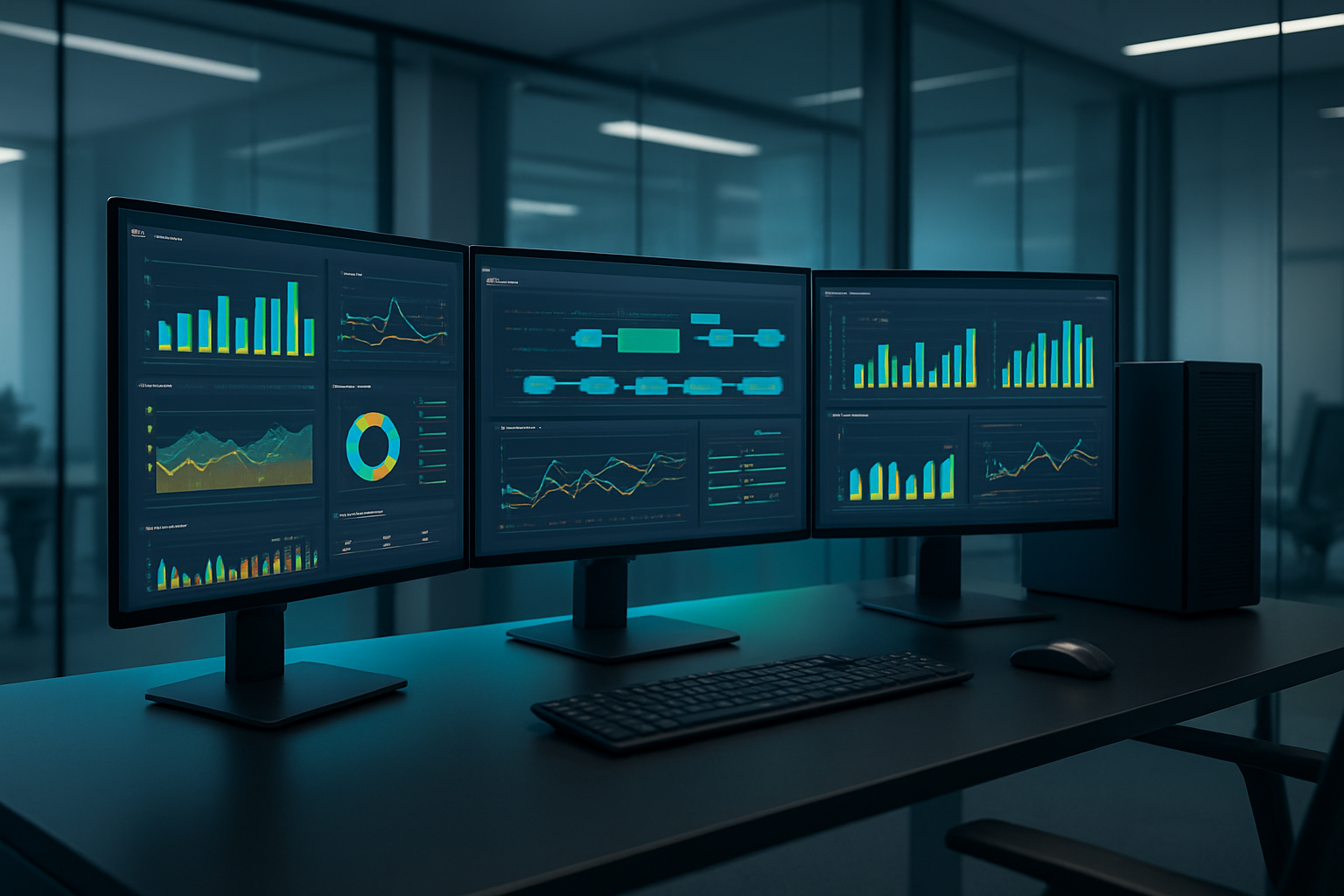
Effective CI/CD automation demands comprehensive monitoring systems that track pipeline execution metrics, build success rates, and deployment frequency across your entire infrastructure. Modern intelligent DevOps pipelines integrate with advanced analytics platforms that provide granular insights into bottlenecks, resource utilization patterns, and performance degradation signals. These monitoring solutions capture everything from commit-to-deployment timelines to automated code review processing speeds, enabling teams to identify optimization opportunities before they impact delivery velocity.
Learning from deployment patterns for future optimizations
Smart pipeline infrastructure learns from historical deployment data to predict optimal build strategies and resource allocation decisions. AI-driven continuous integration systems analyze past failures, success patterns, and code complexity metrics to automatically adjust pipeline configurations for maximum efficiency. Machine learning DevOps algorithms identify recurring issues, suggest architectural improvements, and even recommend the best deployment windows based on traffic patterns and system load predictions.
Scaling intelligent automation across multiple projects
Autonomous deployment strategies become exponentially more valuable when implemented across diverse project portfolios, requiring standardized frameworks that adapt to different technology stacks and team workflows. Successful scaling involves creating reusable pipeline templates, establishing consistent monitoring protocols, and implementing centralized governance policies that maintain quality while preserving team autonomy. Organizations typically achieve the best results by starting with pilot projects and gradually expanding their intelligent quality assurance practices across development teams.
Troubleshooting common integration challenges
Integration challenges often stem from incompatible toolchain configurations, inadequate error handling mechanisms, and insufficient documentation of custom automation logic. AI code analysis tools help diagnose pipeline failures by examining logs, identifying pattern anomalies, and suggesting remediation steps based on similar issues encountered across the platform. Common problems include API rate limiting conflicts, environment-specific configuration drift, and authentication token expiration that can disrupt otherwise stable automated workflows.
Claude code subagents represent a game-changing approach to DevOps automation that can transform how teams handle continuous integration and deployment. By setting up intelligent pipeline infrastructure, implementing smart code reviews, and leveraging advanced decision-making capabilities, development teams can significantly reduce manual overhead while improving code quality and deployment reliability. These AI-powered systems don’t just automate tasks – they make intelligent decisions that adapt to your project’s unique patterns and requirements.
The real power comes from combining automated monitoring with continuous improvement strategies that help your pipelines get smarter over time. Start small by integrating Claude subagents into one part of your pipeline, then gradually expand their responsibilities as you see the benefits. Your future self will thank you for taking the leap into intelligent automation that actually understands your code and workflow.