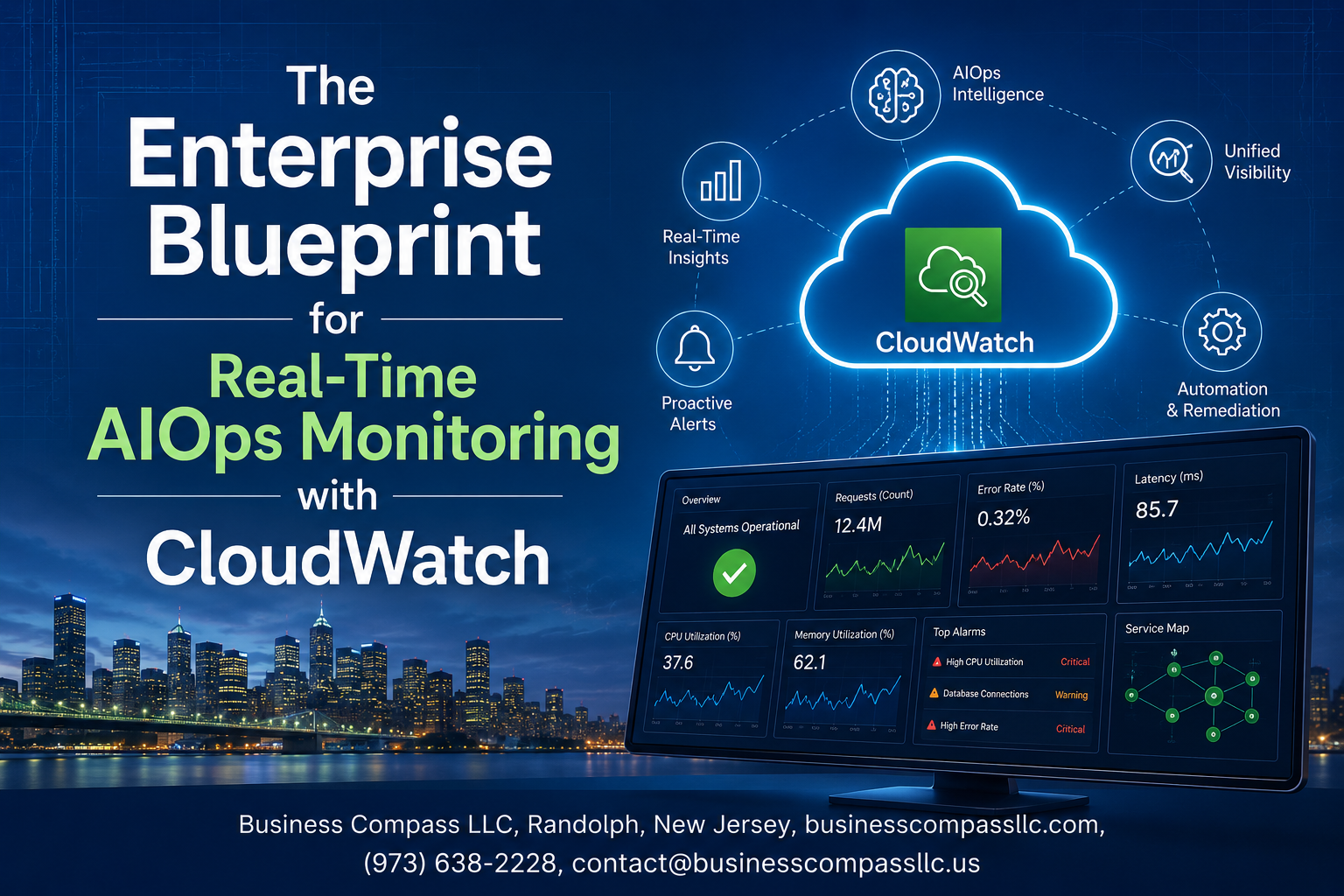
Stop Firefighting Your Infrastructure: The Enterprise Blueprint for Real-Time AIOps Monitoring with CloudWatch
Your on-call engineer gets paged at 2 AM. By the time they dig through logs, cross-reference dashboards, and figure out what broke, the damage is done. Sound familiar?
That’s exactly the problem real-time AIOps monitoring is built to solve — and AWS CloudWatch sits right at the center of how modern enterprises are tackling it.
This guide is written for platform engineers, DevOps leads, and cloud architects who are done patching together reactive alert systems and ready to build something that actually scales. If your team manages complex cloud infrastructure and needs smarter ways to catch issues before they become outages, you’re in the right place.
Here’s what we’ll walk through:
- How to build a solid CloudWatch foundation that supports enterprise AIOps strategy from day one — not as an afterthought
- How CloudWatch AI-powered alerting works in practice, including anomaly detection and intelligent alarm management that cuts through the noise
- How enterprise AIOps workflow integration actually looks when you connect CloudWatch into your broader observability stack
By the end, you’ll have a clear, actionable blueprint for scalable AIOps monitoring — one you can start applying to your own environment right away.
Let’s get into it.
Understanding AIOps and Why Enterprises Need Real-Time Monitoring

The High Cost of Reactive IT Operations
Downtime costs enterprises an average of $5,600 per minute. Chasing alerts after systems break drains engineering teams and erodes customer trust fast.
How AIOps Transforms Monitoring from Passive to Predictive
Real-time AIOps spots anomalies before users notice anything wrong.
Why CloudWatch Is the Enterprise-Grade Choice for AIOps
CloudWatch AIOps integrates natively across AWS services, delivering scalable enterprise cloud observability without extra tooling overhead.
Building a Scalable CloudWatch Foundation for AIOps

Designing a Multi-Account and Multi-Region Monitoring Architecture
A solid scalable AIOps monitoring setup starts with AWS Organizations and CloudWatch cross-account observability, pooling metrics from every region into one monitoring account.
- Use resource policies to share log groups
- Deploy CloudWatch agents via AWS Systems Manager
- Tag resources consistently for AI-ready filtering
Leveraging CloudWatch AI-Powered Features for Smarter Alerting

Using CloudWatch Anomaly Detection to Eliminate Alert Fatigue
CloudWatch Anomaly Detection uses ML to learn metric baselines, firing alerts only on genuine deviations—cutting noisy, false-positive alerts dramatically.
Setting Up Metric Math for Business Insights
Combine raw metrics into meaningful ratios like error rates or cost-per-request.
Automating Root Cause Analysis with Contributor Insights
Pinpoint top traffic contributors instantly.
Integrating CloudWatch with Enterprise AIOps Workflows

A. Connecting CloudWatch to AWS Systems Manager for Automated Remediation
Trigger SSM Automation runbooks directly from CloudWatch alarms to auto-remediate issues.
B. Streaming Events to Amazon EventBridge
Route CloudWatch events intelligently to ticketing, Slack, or Lambda functions.
C. Enriching Alerts with Amazon DevOps Guru
Catch anomalies before they escalate using ML-powered predictions.
D. Unifying with Third-Party AIOps Platforms via API
Push CloudWatch metrics to Datadog or Splunk seamlessly.
Operationalizing AIOps Monitoring at Enterprise Scale

Defining SLOs and Error Budgets Inside CloudWatch
Set SLOs directly in CloudWatch using composite alarms tied to availability metrics.
Governing Access and Compliance with IAM and CloudWatch Logs Encryption
Lock down log access with IAM roles and enable KMS encryption on CloudWatch Logs.
Reducing Monitoring Costs Through Log Retention Policies and Metric Filtering
- Set retention policies (7–90 days)
- Filter only actionable metrics
Measuring the Business Impact of Your AIOps Monitoring Blueprint
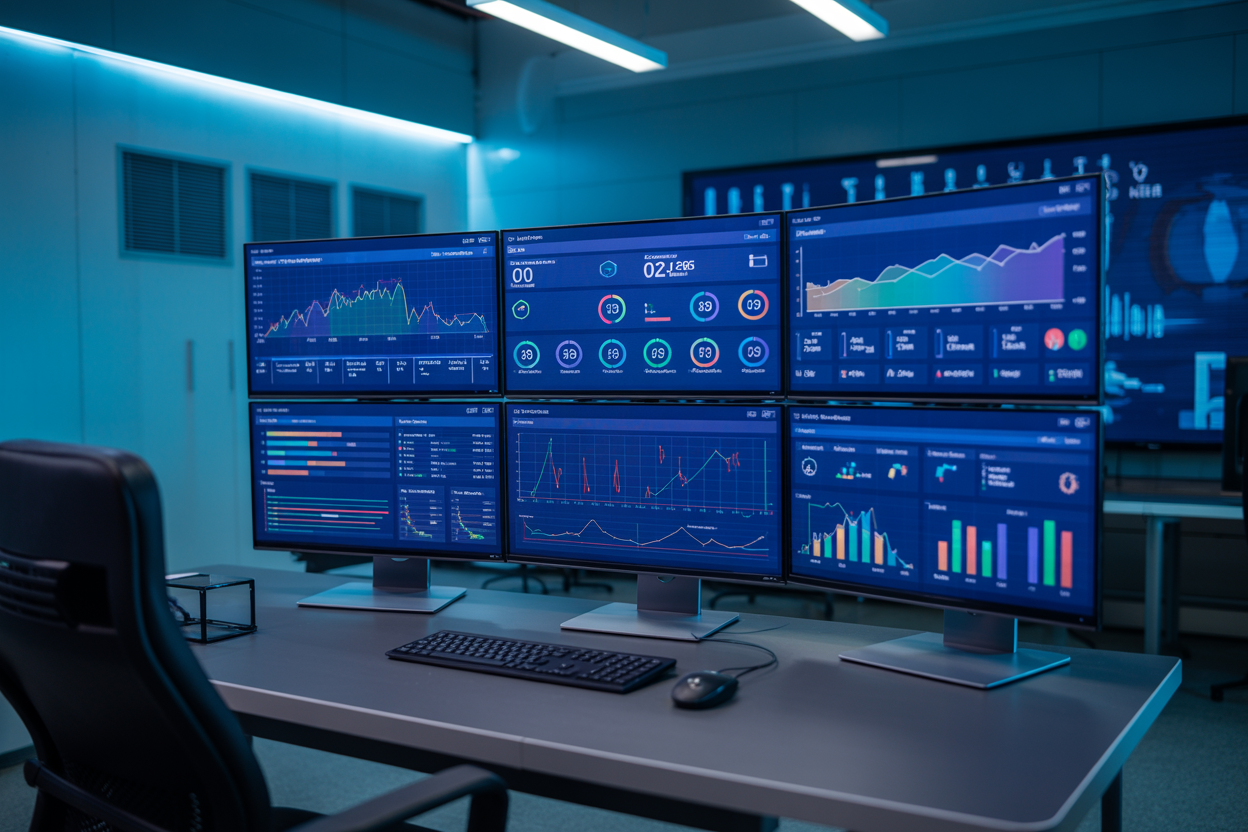
Tracking MTTR and MTTD Improvements After AIOps Adoption
Measure what matters: MTTR and MTTD drops signal real AIOps monitoring wins.
Quantifying Cost Savings from Automated Incident Response
- Fewer on-call hours
- Reduced outage costs
Building Executive Dashboards Tied to Business Outcomes
Connect CloudWatch AIOps metrics directly to revenue impact.
Continuously Improving Detection Models
Feed historical CloudWatch data back into your models regularly.

Real-time AIOps monitoring isn’t just a tech upgrade — it’s a smarter way to run your enterprise. From building a solid CloudWatch foundation to tapping into AI-powered alerting, integrating with existing workflows, and scaling operations across the organization, every piece of this blueprint works together to keep your systems healthy and your teams focused on what actually matters.
The real win here is measurable impact. When you get AIOps right, you’re not just catching problems faster — you’re reducing downtime, cutting noise, and making better decisions with real data. If you haven’t started mapping out your CloudWatch-based AIOps strategy yet, now’s the time to take that first step and build something that grows with your enterprise.