

Build a Secure Serverless API on AWS Without the Guesswork
If you’ve been tasked with building a serverless API on AWS and security keeps you up at night, you’re in the right place. This guide walks backend developers, cloud engineers, and solutions architects through a complete, production-ready approach to secure serverless architecture on AWS — from the first line of configuration to the final deployment.
No fluff, no hand-waving. Just a practical, step-by-step breakdown you can actually follow.
Here’s what we’ll dig into:
- Authentication and authorization — how to lock down your API so only the right people and services get in, using tools like Amazon Cognito and IAM policies
- Encryption and data protection — keeping sensitive data safe at rest and in transit using AWS-native encryption options
- Monitoring and logging with AWS CloudWatch — setting up visibility so you catch problems before they become incidents
By the end, you’ll have a clear blueprint for deploying a scalable, resilient serverless API on AWS that doesn’t cut corners on security. Whether you’re starting from scratch or hardening an existing setup, this guide gives you the architecture decisions and AWS serverless best practices to do it right.
Let’s get into it.
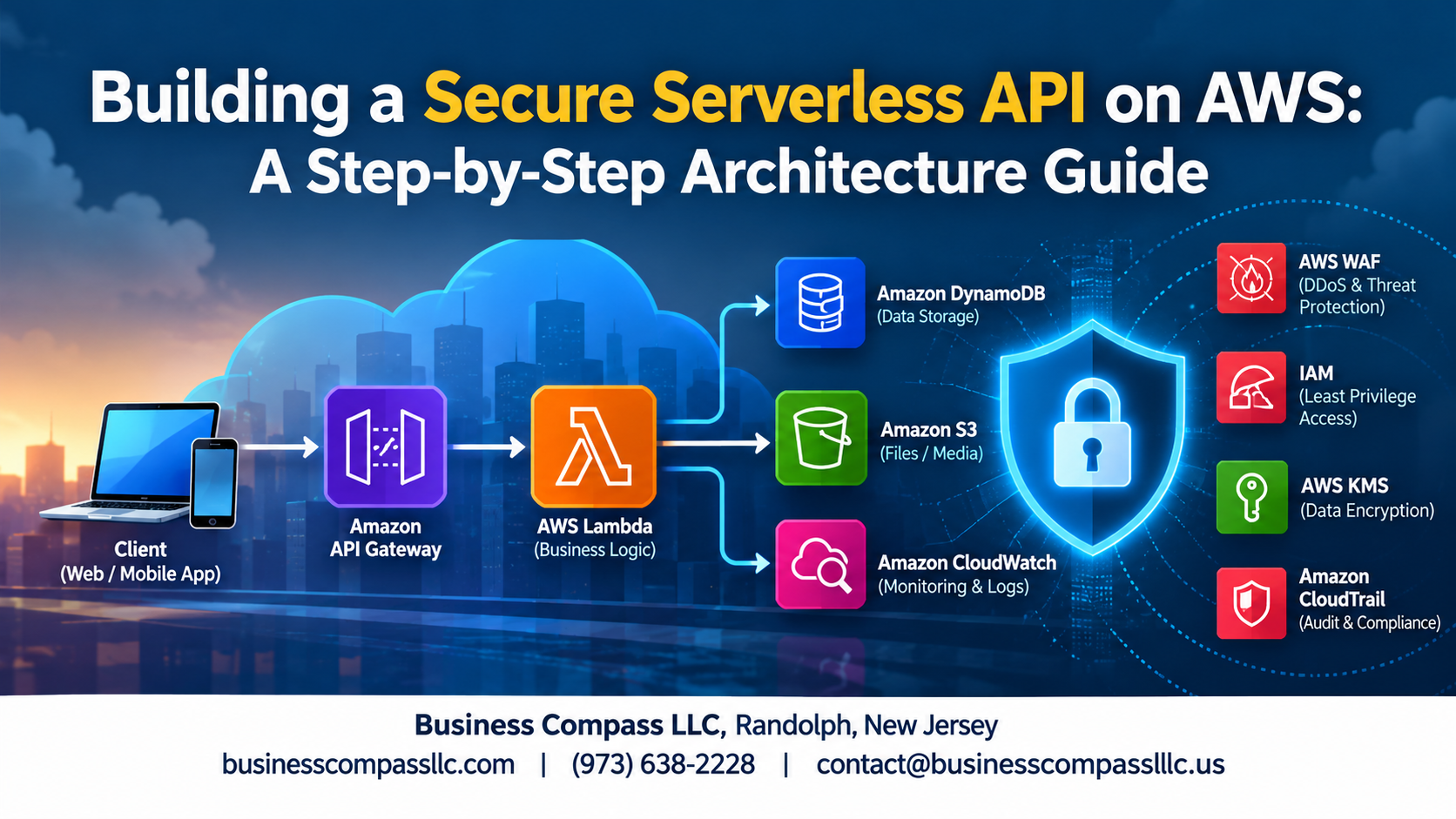
Core AWS Services That Power Your Serverless API

AWS Lambda for Scalable Backend Logic
Run backend code without managing servers — Lambda scales automatically with traffic.
API Gateway as Your Secure Entry Point
Handles routing, throttling, and auth for your serverless API security on AWS.
DynamoDB for Fast and Flexible Data Storage
Low-latency, schema-free storage built for serverless workloads.
AWS IAM for Centralized Access Control
Controls who accesses what across every service.
Designing a Scalable and Resilient Serverless Architecture

Structuring Your Lambda Functions for Maximum Efficiency
Keep functions small and single-purpose—one job per Lambda.
Choosing the Right API Gateway Endpoint Type
- Regional: low-latency for same-region clients
- Edge-optimized: great for global users via CloudFront
Implementing Event-Driven Design Patterns
Chain services using SNS/SQS for a scalable serverless API design.
Securing Your API with Authentication and Authorization

Enforcing Access Control with IAM Roles and Policies
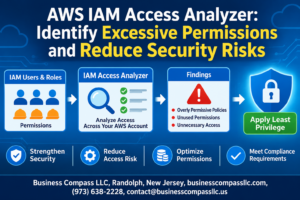
Attach least-privilege IAM roles to Lambda functions, restricting access to only required resources.
Using Amazon Cognito for User Authentication
Cognito handles user pools and JWT tokens, securing your serverless API security AWS setup effortlessly.
Adding Lambda Authorizers for Custom Authorization Logic
- Validate tokens dynamically
- Return IAM policies per request
Protecting Endpoints with API Keys and Usage Plans
Throttle traffic and control consumer access cleanly.
Encrypting and Protecting Sensitive Data

Enabling Encryption at Rest with AWS KMS
Use AWS KMS to encrypt DynamoDB tables, S3 buckets, and Lambda environment variables automatically.
Securing Data in Transit with HTTPS and TLS
API Gateway enforces HTTPS by default—never disable it.
Managing Secrets Safely Using AWS Secrets Manager
Store database credentials and API keys in Secrets Manager, rotating them automatically without touching your code.
Defending Against Threats and Attacks

A. Blocking Malicious Traffic with AWS WAF
Use AWS WAF rules to filter bad requests before they hit your API Gateway.
B. Preventing DDoS Attacks Using AWS Shield
AWS Shield Standard covers basic DDoS protection automatically.
C. Validating and Sanitizing API Request Inputs
Always validate inputs in Lambda to block injection attacks.
D. Restricting Access with VPC and Private Endpoints
Keep sensitive services inside a VPC.
E. Monitoring Suspicious Activity with Amazon GuardDuty
GuardDuty flags unusual API activity instantly.
Monitoring, Logging, and Auditing for Ongoing Security

Tracking API Activity with AWS CloudTrail
CloudTrail logs every API call automatically—who made it, when, and from where.
Gaining Real-Time Insights Through Amazon CloudWatch
CloudWatch surfaces Lambda errors, latency spikes, and throttling in live dashboards.
Setting Up Alerts for Unusual Behavior
- Create metric filters for 4xx/5xx spikes
- Trigger SNS alerts on anomalies
Testing and Deploying Your Secure Serverless API

A. Automating Deployments with AWS SAM or Serverless Framework
Use AWS SAM or Serverless Framework to package and deploy your serverless API consistently.
B. Running Security and Performance Tests
- Run OWASP ZAP scans and load tests before launch
C. CI/CD Pipelines
Wire CodePipeline with automated security gates.
D. Safe Rollbacks
Use Lambda versioning and aliases to instantly revert bad deployments.

Building a secure serverless API on AWS doesn’t have to feel overwhelming. By leaning on the right combination of core AWS services, you can design an architecture that scales effortlessly, handles threats effectively, and keeps sensitive data locked down tight. From setting up solid authentication and authorization to encrypting data and staying on top of monitoring and logging, every layer you add brings you closer to an API that’s both reliable and trustworthy.
The real key here is treating security as something you build in from the start, not something you bolt on at the end. Test your setup thoroughly before deployment, keep a close eye on your logs, and revisit your architecture regularly as your needs evolve. Start small, follow the steps, and you’ll have a serverless API on AWS that you can genuinely feel confident about.