

Canary Tokens for AI Security: How to Detect Rogue AI Agents and Cloud Threats
Security teams are quietly losing ground to a new kind of threat — one that doesn’t look like a traditional attack. Rogue AI agents, compromised automation pipelines, and unauthorized access inside cloud environments can move fast and stay hidden for a long time before anyone notices. That’s exactly where canary tokens for AI security come in.
This guide is written for security engineers, DevSecOps teams, and cloud architects who want a practical way to catch threats earlier — without adding a ton of complexity to their stack.
Here’s what we’re covering:
- What canary tokens actually are and why they’re increasingly relevant for AI and cloud environments where traditional monitoring has blind spots
- The specific threats they help you catch, including rogue AI agents probing your infrastructure and lateral movement across your cloud environment
- How to deploy and maintain a canary token program that fits your AI stack — from placement strategy to knowing what to do the moment a token fires
No fluff, no vague theory. Just a clear look at how AI honeytokens work in the real world and how you can start using them to get ahead of threats that are already knocking around in systems just like yours.
Understanding Canary Tokens and Why They Matter for AI Security

What Canary Tokens Are and How They Work
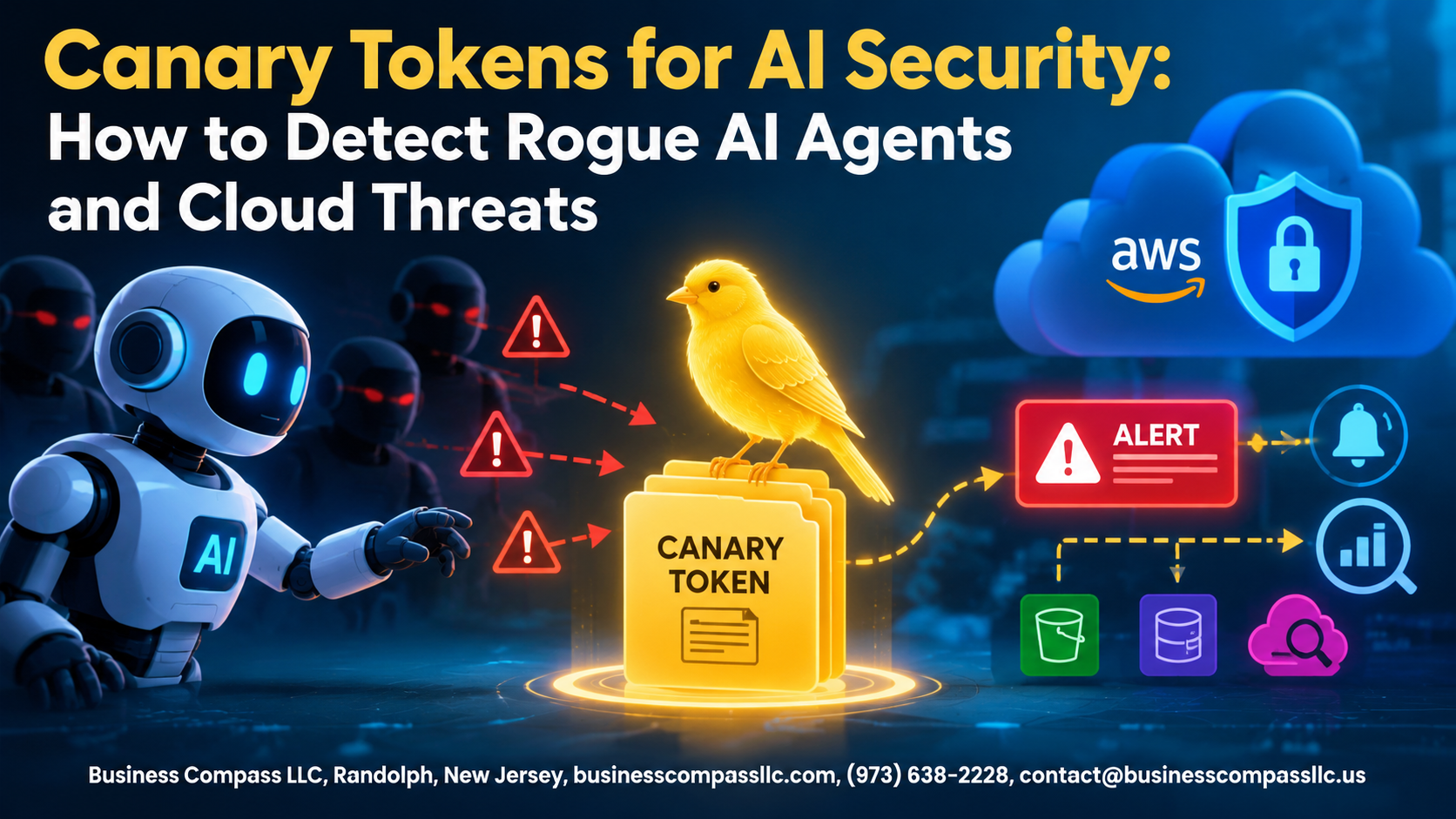
Canary tokens are fake digital assets—API keys, files, URLs—that trigger alerts when touched.
Why Traditional Security Tools Fall Short Against AI Threats
Standard tools miss subtle AI-driven lateral movement.
The Growing Need for Deception-Based Detection in AI Environments
AI honeytokens catch rogue AI agents traditional monitoring simply can’t.
Recognizing the Real Threats Canary Tokens Help You Catch

How Rogue AI Agents Operate Inside Your Systems
Rogue AI agents quietly escalate privileges, access restricted data, and exfiltrate sensitive information—often mimicking legitimate workflows.
Cloud-Based Attack Patterns
Attackers exploit misconfigured APIs and storage buckets targeting AI infrastructure.
Insider Threats
Unauthorized model access often goes undetected without AI honeytokens acting as silent tripwires.
Types of Canary Tokens Best Suited for AI and Cloud Environments

API Key Tokens, Cloud Credentials, and Smart Traps
Deploy fake API keys, cloud credentials, and honeydoc datasets across your AI stack. When triggered, these canary tokens expose rogue AI agents, privilege escalation attempts, and data snooping instantly. Add URL webhooks to monitor agent calls and plant custom prompt injection tokens inside LLM system prompts to catch adversarial manipulation early.
Deploying Canary Tokens Strategically Across Your AI Stack

Embedding Tokens in Training Data and Model Repositories
Plant fake credentials inside datasets and model repos—any access triggers instant alerts.
Placing Tokens Within Cloud Storage and AI Service Configurations
Hide honeytokens in S3 buckets and config files to catch unauthorized cloud access early.
Integrating Tokens Into AI Agent Workflows and APIs
Drop canary tokens into API calls; rogue AI agents hitting them exposes compromise immediately.
Responding Effectively When a Canary Token Is Triggered

Analyzing Alert Data to Identify the Source and Scope of the Threat
When a canary token fires, move fast—check timestamps, IP addresses, and request headers to pinpoint whether a rogue AI agent or external attacker triggered it.
Containing Rogue AI Agent Activity Before Damage Spreads
- Isolate the affected agent immediately
- Revoke compromised credentials
- Block suspicious API routes
Strengthening Defenses Based on Lessons Learned From Each Trigger
Treat every trigger as free threat intelligence.
Best Practices for Maintaining a Canary Token Security Program

Rotating and Refreshing Tokens to Keep Deceptions Believable
Swap tokens quarterly and after any triggered alert to stay credible.
Aligning Token Strategy With Your Broader AI Governance Policy
Tie canary token deployment directly to your AI governance framework, ensuring rogue AI detection covers every model endpoint.
Measuring Effectiveness
- Track alert frequency
- Monitor false positives
- Review coverage gaps regularly

Canary tokens are one of those security tools that quietly do a lot of heavy lifting. They don’t require a massive budget or a team of specialists to get started, yet they give you real, actionable alerts when something in your AI stack or cloud environment goes sideways. From spotting rogue AI agents poking around where they shouldn’t, to catching unauthorized access to sensitive cloud resources, a well-placed canary token can be the difference between catching a threat early and dealing with a full-blown incident.
The key is to treat canary tokens as a living part of your security program, not a one-time setup you forget about. Place them thoughtfully across your AI pipelines, review your response playbooks regularly, and keep refining your strategy as your environment evolves. Start small if you need to, pick one or two high-risk areas, drop some tokens in, and build from there. The sooner you get them in place, the sooner you have eyes on the threats that would otherwise slip right past you.