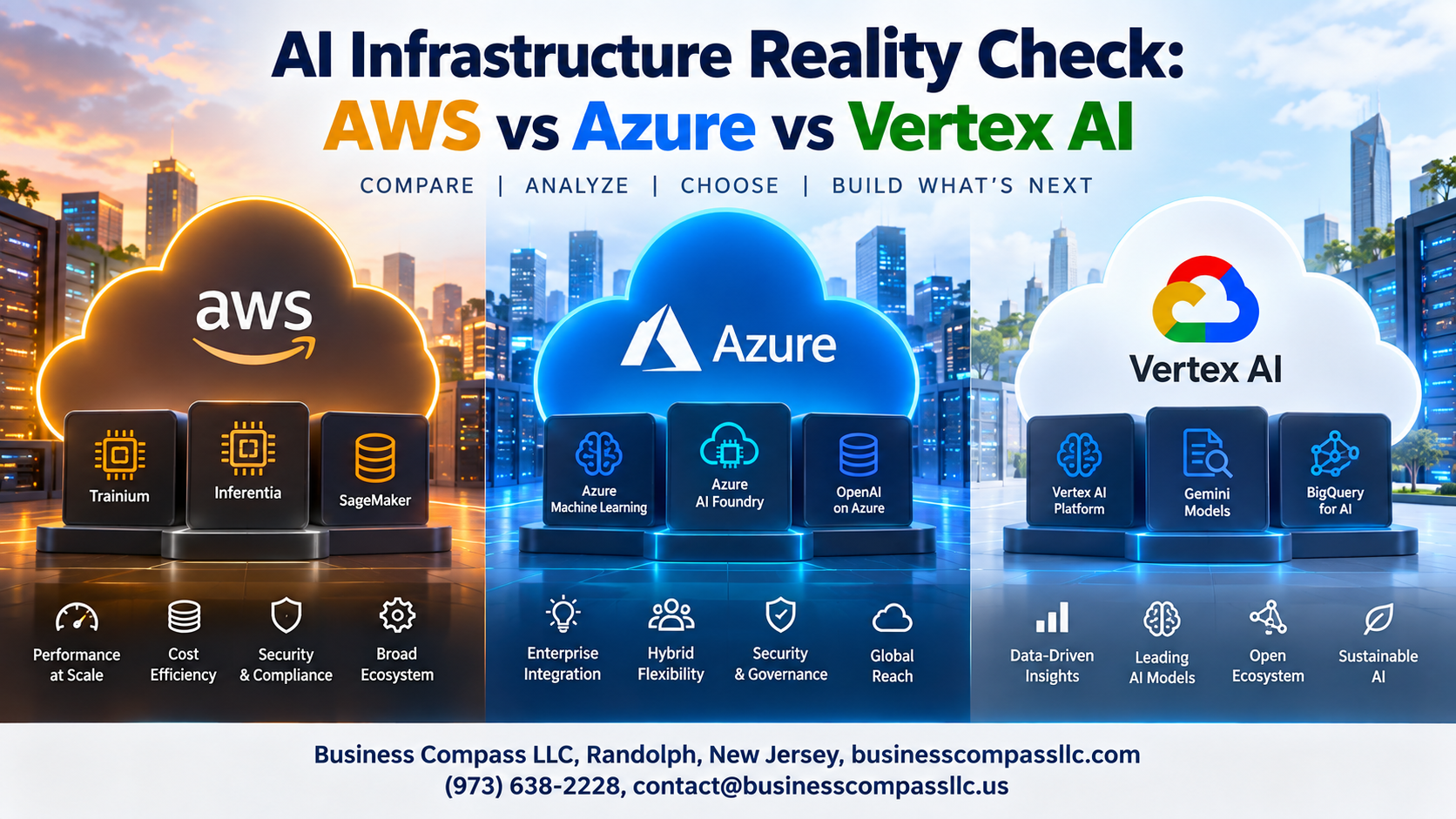
AI Infrastructure Reality Check: AWS vs Azure vs Vertex AI
If you’re building AI at scale, you’ve probably already lost a few hours down the rabbit hole of comparing cloud AI platforms. AWS, Azure, and Google Cloud all promise to handle your machine learning workloads — but they each make different trade-offs, and picking the wrong one can cost you serious time and money.
This guide is for ML engineers, cloud architects, and technical decision-makers who need a straight answer on which platform actually fits their needs — not a sales pitch.
Here’s what we’ll break down:
- How AWS AI tools, Azure AI services, and Vertex AI machine learning each approach infrastructure differently — and where each one quietly falls short
- A real cost and performance comparison so you can see what the AWS vs Azure vs Google Cloud debate actually looks like in numbers
- How to match your AI strategy to the right platform based on your team size, existing stack, and workload type
No fluff, no vendor favoritism — just a clear-eyed AI infrastructure comparison to help you make a call you won’t regret six months from now.
Understanding the AI Infrastructure Landscape

Why Choosing the Right AI Cloud Platform Matters
Picking the wrong cloud AI platform locks you into costly migrations later. AWS, Azure, and Vertex AI each serve different needs:
- AWS AI tools suit diverse workloads
- Azure AI services excel in enterprise environments
- Vertex AI machine learning prioritizes scalable MLOps pipelines
Match your choice to your actual team capabilities and growth roadmap.
AWS AI Infrastructure: Strengths and Limitations

Core AI and ML Services That Give AWS a Competitive Edge
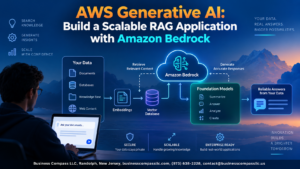
AWS leads the AI infrastructure comparison with SageMaker, Rekognition, and Bedrock—covering vision, NLP, and foundation models. Its massive ecosystem and global reach make it a go-to for teams already deep in AWS tools.
Where AWS Falls Short for AI Workloads
Pricing complexity and vendor lock-in remain real headaches.
Azure AI Infrastructure: Enterprise Power and Integration

How Azure OpenAI Service Changes the Enterprise AI Game
Azure’s deep OpenAI partnership gives businesses direct GPT-4 access within a compliant, private environment — a huge win for regulated industries needing data sovereignty.
Gaps and Challenges You Should Know Before Committing
- Costs escalate fast at scale
- Steeper learning curve outside Microsoft ecosystems
Vertex AI: Google’s Bet on Scalable Machine Learning

Unified ML Platform Features That Simplify Complex Workflows
Vertex AI bundles data prep, training, and deployment into one clean pipeline, cutting setup time dramatically.
TPU Access and Performance Advantages for Large-Scale Training
Google’s custom TPUs crush large model training costs compared to standard GPUs on AWS or Azure.
BigQuery Integration and Its Impact on Data-Driven AI Projects
Direct BigQuery connectivity makes feeding massive datasets into models seamless.
Where Vertex AI Lags Behind AWS and Azure
- Smaller third-party ecosystem
- Fewer pre-built industry solutions
Head-to-Head Performance and Cost Comparison

Compute Power, Pricing, and Scalability Snapshot
When comparing AWS vs Azure vs Google Cloud for AI workloads, each platform shines differently:
- AWS: Fastest raw compute via Trainium chips
- Azure: Best enterprise SLA reliability
- Vertex AI: Cheapest AutoML pricing, strongest scalability
Pick based on your team’s existing ecosystem, not just benchmarks.
Choosing the Right Platform for Your AI Strategy

Matching Platform Strengths to Your Specific Use Cases
- AWS suits teams needing broad AI tools and massive ecosystem flexibility
- Azure wins for Microsoft-heavy enterprises
- Vertex AI excels at scalable ML pipelines
Factors That Should Drive Your Final Decision
Pick based on existing stack, team skills, and budget.
How to Avoid Vendor Lock-In While Maximizing Value
Use open-source frameworks like TensorFlow or PyTorch across platforms.

Picking the right AI infrastructure platform isn’t a one-size-fits-all decision. AWS brings incredible breadth and a mature ecosystem that’s hard to beat for flexibility. Azure shines when your organization is already deep in the Microsoft world, offering tight integration that genuinely saves time and headaches. Vertex AI is Google’s strong play for teams that want scalable machine learning with clean tooling and serious data pipeline capabilities. Each platform has real strengths — and real trade-offs — depending on your workloads, team skills, and budget.
The best move is to align your choice with what your team actually needs today, not just what looks impressive on a feature comparison chart. Run small pilots, dig into the true cost at scale, and honestly assess where your existing tools and talent already live. The “best” platform is simply the one that helps your team ship faster, spend smarter, and scale without constant friction.