Understanding Real vs Perceived Security in Cloud Environments
Many organizations think they have bulletproof cloud security, but the reality often tells a different story. This disconnect between what leaders believe about their security posture and what actually protects their data creates dangerous blind spots that hackers love to exploit.
This guide is for IT professionals, security teams, and business leaders who want to bridge the gap between cloud security confidence and genuine cloud protection. You’ll learn how to spot the difference between feeling secure and actually being secure.
We’ll start by breaking down what real security measures in cloud infrastructure actually look like versus the security theater that makes everyone feel good but doesn’t stop attacks. Then we’ll dig into the most common cloud security misconceptions that leave companies vulnerable, including why compliance doesn’t equal security and how flashy dashboards can mask serious gaps. Finally, you’ll discover practical methods to assess your actual security posture through hands-on cloud security assessment techniques that reveal what’s really happening in your environment.
Stop guessing about your cloud environment security. Let’s figure out what’s actually keeping your data safe and what’s just making you feel better.
Defining Real Security Measures in Cloud Infrastructure

Technical safeguards that actually protect data and systems
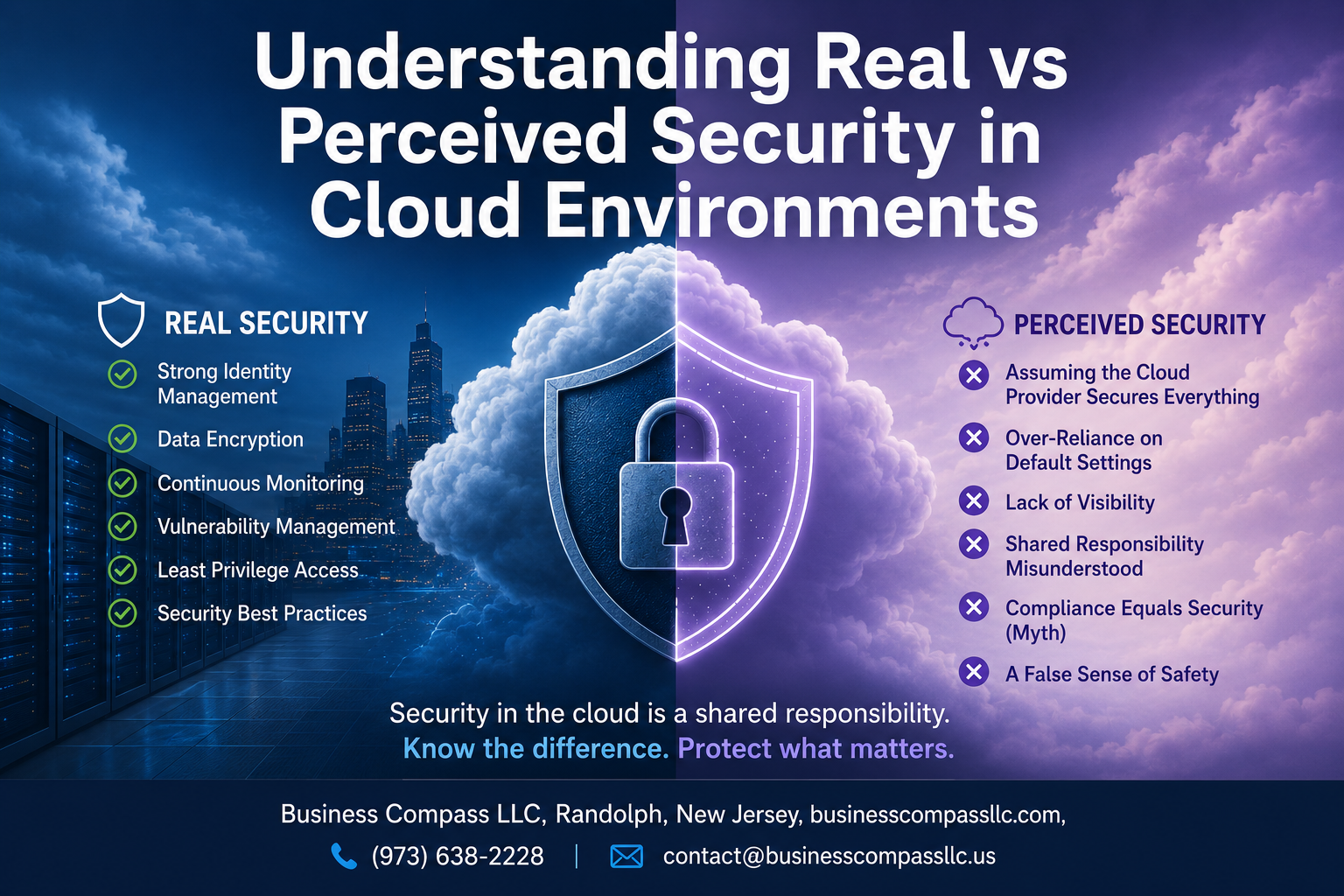
Cloud security assessment requires implementing concrete technical controls that defend against real threats. Multi-factor authentication, network segmentation, and endpoint protection create layers of defense that stop attackers before they reach critical assets. These actual security measures include secure configuration management, vulnerability scanning, and intrusion prevention systems that actively monitor and block malicious activity across your cloud infrastructure security perimeter.
Industry-standard encryption protocols and access controls
Strong encryption transforms data into unreadable format using AES-256 standards for data at rest and TLS 1.3 for data in transit. Role-based access controls ensure users only access resources they need for their job functions. Identity and access management systems enforce principle of least privilege through automated provisioning and regular access reviews. Certificate-based authentication and hardware security modules provide additional protection layers for sensitive operations and administrative access.
Measurable security metrics and compliance frameworks
Security posture evaluation depends on quantifiable metrics that track your protection effectiveness over time. Key performance indicators include mean time to detection, incident response times, and vulnerability remediation rates. Compliance frameworks like SOC 2, ISO 27001, and PCI DSS provide structured approaches to cloud environment security with documented controls and regular audits that validate your genuine cloud protection mechanisms are working properly.
Automated threat detection and response capabilities
Modern cloud security strategies rely on machine learning algorithms and behavioral analytics to identify suspicious activities that human analysts might miss. Security information and event management platforms correlate log data from multiple sources to detect attack patterns. Automated response systems can isolate compromised instances, block malicious IP addresses, and trigger incident response workflows within seconds of threat detection, reducing the window of exposure significantly.
Common Misconceptions About Cloud Security Protection

Assuming Cloud Providers Handle All Security Responsibilities
Many organizations fall into the shared responsibility trap, believing their cloud provider manages every aspect of security. While providers like AWS, Azure, and Google Cloud secure their infrastructure, customers remain responsible for data encryption, access controls, application security, and network configurations. This cloud security misconception leads to dangerous gaps where sensitive data remains exposed through misconfigured settings, weak passwords, or inadequate monitoring systems.
Overestimating the Effectiveness of Basic Security Features
Default security settings provide minimal protection against sophisticated threats. Built-in firewalls, standard encryption, and basic monitoring tools create false security confidence without addressing advanced attack vectors. Organizations often mistake these baseline features for comprehensive protection, ignoring the need for multi-layered defenses, behavioral analytics, and continuous threat detection that genuine cloud protection requires.
Confusing Compliance Certifications with Comprehensive Protection
SOC 2, ISO 27001, and PCI DSS certifications demonstrate adherence to specific standards but don’t guarantee bulletproof security. These frameworks focus on processes and controls rather than actual threat prevention. Companies often assume compliance equals security, overlooking critical vulnerabilities in their cloud infrastructure security. Proper security posture evaluation requires ongoing assessment beyond checkbox compliance, addressing real-world attack scenarios and emerging threats.
Key Factors That Create False Security Confidence

Marketing Language That Overstates Security Capabilities
Cloud vendors often use bold security claims like “military-grade encryption” or “impenetrable defenses” without explaining actual implementation details. These buzzwords create a false sense of cloud security confidence while masking gaps in real protection. Marketing teams prioritize impressive-sounding features over transparent cloud security assessment information, leaving organizations vulnerable despite paying premium prices for supposedly comprehensive security solutions.
Visible Security Badges and Certifications Without Substance
Organizations display SOC 2, ISO 27001, and other compliance badges prominently, assuming these certifications guarantee robust security posture evaluation. However, these badges represent minimum baseline standards rather than comprehensive protection. Many companies achieve certifications through narrow scope assessments while leaving critical infrastructure components unprotected. The presence of security badges creates dangerous complacency, preventing deeper investigation into actual security measures and cloud infrastructure security implementation.
Surface-Level Security Measures That Appear Comprehensive
Basic security controls like firewalls, antivirus software, and password policies give the illusion of complete protection. These visible measures address obvious vulnerabilities while sophisticated threats exploit deeper architectural weaknesses. Organizations mistake checking security boxes for building genuine cloud protection strategies. Surface-level measures often lack integration, creating security gaps between different systems that attackers can exploit to bypass seemingly robust defenses.
Lack of Transparency in Actual Security Implementation
Cloud providers frequently obscure their security architecture details behind proprietary claims and NDAs. This opacity prevents customers from conducting meaningful cloud security assessment activities or understanding real vs perceived security in their environments. Without transparency, organizations cannot verify whether promised security features actually exist or function as advertised. The knowledge gap forces blind trust in vendor claims rather than evidence-based security decisions.
Reliance on Outdated Security Assessment Methods
Traditional security audits and penetration testing often miss cloud-native vulnerabilities and misconfigurations. Organizations continue using legacy assessment frameworks designed for on-premises infrastructure, creating false confidence about cloud environment security. These outdated methods fail to address container security, API vulnerabilities, and cloud-specific attack vectors. Regular security scans may show clean results while critical cloud security misconceptions persist, leaving organizations exposed to modern attack techniques.
Practical Methods to Assess Your Actual Security Posture

Conducting thorough security audits and penetration testing
Regular security audits reveal the gap between actual and perceived security in your cloud infrastructure. Professional penetration testing simulates real-world attacks, exposing vulnerabilities that standard security tools often miss. These assessments should cover configuration reviews, access controls, and data protection mechanisms across all cloud services.
Implementing continuous monitoring and vulnerability scanning
Continuous monitoring provides real-time visibility into your cloud security posture evaluation. Automated vulnerability scanning detects misconfigurations, outdated patches, and exposed services before attackers exploit them. Deploy monitoring tools that track user activities, network traffic, and resource changes while maintaining comprehensive logs for forensic analysis.
Evaluating your shared responsibility model implementation
Understanding your role in the shared responsibility model prevents dangerous security gaps. Review which security controls you own versus those managed by your cloud provider. Assess whether your team properly secures operating systems, applications, data encryption, and network configurations. Regular reviews ensure you’re not assuming your provider handles security tasks that actually fall under your responsibility.
Testing incident response procedures and recovery capabilities
Regular drills test whether your incident response procedures work under pressure. Simulate various attack scenarios including data breaches, ransomware, and service disruptions. Measure response times, communication effectiveness, and recovery capabilities. These tests reveal weaknesses in your actual security measures and help build genuine cloud protection strategies that go beyond theoretical policies.
Building Genuine Security Through Proven Strategies

Establishing multi-layered defense mechanisms
Think of cloud security like protecting a fortress – you need multiple walls, not just one strong gate. Start with network segmentation to isolate critical systems, add endpoint protection for devices accessing your cloud infrastructure, and implement robust identity management. Layer these with intrusion detection systems, encryption at rest and in transit, and regular vulnerability scanning. Each security layer catches what others might miss, creating genuine cloud protection that addresses real threats rather than perceived ones.
Implementing zero-trust architecture principles
Zero-trust means never trusting, always verifying – even inside your own network perimeter. Authenticate every user, device, and application before granting access to cloud resources. Use micro-segmentation to limit lateral movement if attackers breach one system. Deploy conditional access policies that evaluate risk factors like user location, device health, and behavior patterns. This approach eliminates false security confidence by treating every access request as potentially hostile, dramatically improving your actual security measures compared to traditional perimeter-based defenses.
Regular security training and awareness programs for teams
Your cloud security is only as strong as your team’s weakest security habits. Run monthly phishing simulations to keep everyone sharp on social engineering attacks. Host quarterly workshops covering new cloud threats, proper password hygiene, and secure coding practices. Create bite-sized security tips that employees can actually remember and use daily. Track participation and comprehension through quick assessments. When your team understands real security risks instead of falling for cloud security misconceptions, they become your strongest defense layer against human error vulnerabilities.
Creating robust backup and disaster recovery plans
Disasters don’t wait for convenient timing, so your backup strategy shouldn’t either. Implement automated, encrypted backups across multiple geographic regions with regular restore testing – not just backup verification. Design recovery time objectives that match business criticality, prioritizing customer-facing systems first. Document step-by-step recovery procedures that any team member can follow under pressure. Test your entire disaster recovery plan quarterly using realistic failure scenarios. This proactive approach ensures genuine cloud protection when emergencies strike, moving beyond perceived security to proven resilience.

Many organizations find themselves caught between what looks secure and what actually protects their cloud environments. The gap between real and perceived security often comes down to understanding which measures truly matter versus those that simply create a false sense of safety. While flashy security tools and certifications can make you feel protected, the real test lies in how well your defenses hold up against actual threats and whether your security strategies address the most critical vulnerabilities in your specific setup.
The path forward requires honest assessment and practical action. Take the time to evaluate your current security posture beyond surface-level indicators, and focus on building layered defenses that work together rather than relying on single solutions. Your cloud security is only as strong as its weakest link, so start identifying those gaps today and address them with proven, tested strategies that match your actual risk profile.