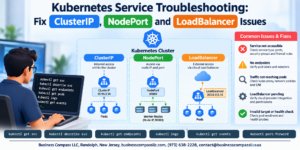
Stuck with failed pods and broken connections in your Kubernetes cluster? This guide is for DevOps engineers, platform teams, and developers who need to quickly solve common Kubernetes issues without diving into endless documentation.
Kubernetes debugging doesn’t have to be a nightmare. When your pods won’t start or services can’t connect, you need fast solutions that actually work. This comprehensive guide walks you through proven troubleshooting methods that experienced engineers use daily.
We’ll cover the essential kubectl debugging commands that help you identify problems in minutes, not hours. You’ll learn how to diagnose and resolve image pull error kubernetes issues that plague deployment pipelines. We’ll also tackle kubernetes port issues and kubernetes service connection problems that break application connectivity.
By the end, you’ll master kubernetes troubleshooting techniques that transform you from someone who panics when pods fail to someone who confidently fixes kubernetes pods and resolves kubernetes networking troubleshooting challenges. Plus, you’ll discover kubernetes monitoring tools and kubernetes container debugging strategies that catch issues before they impact users.
Master Essential Kubernetes Troubleshooting Commands

Leverage kubectl describe for detailed resource analysis
The kubectl describe command serves as your diagnostic powerhouse for kubernetes debugging. This command reveals comprehensive details about pods, services, and deployments, including recent events, configurations, and error messages. When troubleshooting failed deployments or mysterious pod crashes, kubectl describe pod <pod-name> exposes the root cause through detailed status information and event logs.
Extract critical information with kubectl logs
Pod logs contain the golden insights for kubernetes troubleshooting. Use kubectl logs <pod-name> to view application output, error messages, and startup sequences. For multi-container pods, specify the container with -c <container-name>. The --previous flag retrieves logs from crashed containers, while --follow streams real-time output during active debugging sessions.
Debug running containers using kubectl exec
Interactive container access transforms complex kubectl debugging commands into hands-on problem-solving. Execute kubectl exec -it <pod-name> -- /bin/bash to open a shell inside running containers. This direct access lets you inspect file systems, test network connectivity, verify configurations, and run diagnostic tools. For quick command execution without interactive sessions, omit the -it flags.
Monitor real-time events with kubectl get events
Kubernetes events provide chronological insight into cluster activities and failures. Run kubectl get events --sort-by=.metadata.creationTimestamp to view recent cluster events in order. These events reveal scheduling failures, image pull error kubernetes issues, and resource constraints. Filter events by namespace or specific resources to focus your kubernetes container debugging efforts on relevant problem areas.
Diagnose and Resolve Image Pull Errors
Identify common ImagePullBackOff root causes
ImagePullBackOff errors occur when Kubernetes can’t successfully pull container images from registries. The most frequent culprits include incorrect image names, missing or wrong tags, authentication failures with private registries, and network connectivity problems. Registry timeouts and rate limiting issues also trigger these kubernetes troubleshooting scenarios.
Quick diagnosis starts with kubectl describe pod <pod-name> to examine error messages. Check the image specification in your deployment manifest, verify network access to the registry, and confirm authentication credentials are properly configured in your cluster secrets.
Fix authentication issues with private registries
Private registry authentication requires creating Docker registry secrets and linking them to service accounts or pods. Use kubectl create secret docker-registry to store registry credentials, then reference the secret in your pod specification or default service account.
Common authentication problems include expired tokens, incorrect registry URLs, or missing imagePullSecrets references. Always verify your secret contains valid credentials using kubectl get secret <secret-name> -o yaml and check the registry endpoint is accessible from your cluster nodes.
Resolve image tag and repository misconfigurations
Image pull error kubernetes issues often stem from typos in repository names or non-existent tags. Double-check image names match exactly what’s available in your registry, including proper namespace prefixes for Docker Hub or private registries.
Version tag mismatches cause frequent failures – avoid using latest tags in production and specify exact versions instead. Use docker pull commands locally to test image availability before deploying to your Kubernetes cluster.
Troubleshoot network connectivity problems
Network issues between Kubernetes nodes and image registries create persistent pull failures. Test connectivity using curl or wget from worker nodes to verify registry endpoints are reachable and DNS resolution works correctly.
Corporate firewalls, proxy configurations, and DNS restrictions commonly block registry access. Configure proper network policies, update proxy settings in container runtime configurations, and ensure your cluster’s DNS can resolve external registry domains for successful kubernetes debugging.
Solve Port and Service Connection Issues
Debug service discovery and DNS resolution failures
Kubernetes networking troubleshooting starts with checking DNS resolution between pods and services. When pods can’t reach services by name, verify the kube-dns or CoreDNS pods are running properly in the kube-system namespace. Use kubectl exec -it <pod> -- nslookup <service-name> to test DNS resolution from within affected pods. Common culprits include incorrect service selectors, missing endpoints, or DNS configuration issues that prevent proper service discovery across your cluster.
Fix port mapping mismatches between services and pods
Port configuration errors cause frustrating kubernetes service connection problems that seem mysterious at first glance. Check that your service’s targetPort matches the actual port your application listens on inside the container, not the service’s exposed port. Run kubectl get endpoints <service-name> to verify endpoints are populated correctly. If endpoints are empty, your service selector labels don’t match your pod labels. Use kubectl port-forward to test direct pod connectivity and isolate whether the issue lies with the service configuration or the pod itself.
Resolve ingress controller configuration problems
Ingress controller debugging requires checking both the controller logs and the ingress resource configuration. Examine ingress controller pods with kubectl logs to spot configuration parsing errors or backend connection failures. Verify your ingress annotations match your controller type (nginx, traefik, etc.) and check that referenced services actually exist. Missing TLS certificates, incorrect host rules, or path matching problems often cause 404 or 502 errors that kubectl debugging commands can help identify quickly.
Implement Proactive Monitoring Solutions

Set up health checks and readiness probes
Health checks and readiness probes act as your kubernetes monitoring tools for early detection of container issues. Configure liveness probes to restart unhealthy containers automatically, while readiness probes prevent traffic routing to pods that aren’t ready to handle requests. Set appropriate timeouts and failure thresholds based on your application’s startup characteristics.
Configure automated alerting for critical failures
Automated alerting transforms reactive kubernetes troubleshooting into proactive issue prevention. Set up alerts for pod restart loops, resource exhaustion, and failed deployments using Prometheus and Alertmanager. Configure notification channels for different severity levels – critical alerts for production outages and warning alerts for resource threshold breaches that could lead to kubernetes debugging scenarios.
Create comprehensive logging strategies
Centralized logging enables rapid kubernetes debugging when issues occur across multiple pods or nodes. Implement structured logging with consistent formats and deploy log aggregation tools like Fluentd or Fluent Bit. Configure log retention policies and create searchable indexes for quick troubleshooting. Include correlation IDs and request tracing to track issues across distributed services effectively.
Apply Advanced Debugging Techniques

Use port forwarding for direct pod access
Port forwarding creates a secure tunnel to access pods directly, bypassing complex service configurations. Use kubectl port-forward pod-name 8080:80 to map local port 8080 to pod port 80, enabling direct debugging access.
Analyze resource constraints and limits
Monitor CPU and memory usage with kubectl top pods to identify resource bottlenecks. Check resource limits in pod specifications and compare against actual usage patterns. Pods hitting memory limits will be OOMKilled, while CPU constraints cause performance degradation.
Debug multi-container pod communication issues
Containers within the same pod share localhost networking, making communication straightforward through standard ports. Verify container startup order and check shared volumes for data exchange. Use kubectl exec -it pod-name -c container-name to access specific containers for targeted kubernetes debugging sessions.
Troubleshoot persistent volume mounting problems
Examine PersistentVolume and PersistentVolumeClaim status using kubectl describe pv and kubectl describe pvc. Common mounting issues include:
- Storage class mismatches
- Insufficient permissions on mount paths
- Node affinity conflicts with volume availability
- AccessMode incompatibilities between claims and volumes
Check pod events for detailed mounting error messages that reveal the root cause.
Container issues don’t have to bring your entire deployment to a standstill. By mastering the essential kubectl commands, understanding how to tackle image pull errors, and knowing your way around port configurations, you’ll be able to spot problems before they escalate. The key is building a solid foundation with these debugging techniques and then layering on proactive monitoring to catch issues early.
Start implementing these strategies in your next deployment and watch how much smoother your Kubernetes experience becomes. Set up those monitoring dashboards, practice the debugging commands in a safe environment, and create a troubleshooting checklist for your team. When the next issue pops up – and it will – you’ll be ready to fix it in minutes instead of hours.