Building payment systems that never go down isn’t just nice to have—it’s absolutely critical when you’re handling millions of transactions daily. When your platform processes real money transfers, even seconds of downtime can mean lost revenue, frustrated customers, and regulatory headaches.
This deep dive is for software engineers, platform architects, and DevOps teams who need to build or improve high availability systems, especially in the fintech space. We’ll explore how Form3 engineered their payment platform using Go programming for reliability and smart multi-cloud strategies.
You’ll discover how zero-downtime architecture works in practice, including the specific design patterns that keep Form3’s platform running 24/7. We’ll break down their multi-cloud approach and show why spreading your payment system across multiple cloud providers isn’t just about avoiding vendor lock-in—it’s about true payment system resilience. Finally, we’ll examine Go’s unique strengths for building reliable distributed systems and how Form3 leverages the language’s concurrency model to handle massive transaction volumes without breaking a sweat.
Ready to see how modern payment platforms achieve near-perfect uptime? Let’s dig into the technical details that make it all possible.
Understanding Zero-Downtime Architecture Fundamentals

Defining zero-downtime systems and their business impact
Zero-downtime architecture represents systems that maintain continuous availability during updates, maintenance, and unexpected failures. For payment platforms handling millions of transactions daily, even seconds of unavailability translate to massive revenue loss and damaged customer trust.
Key principles of fault-tolerant design
High availability systems rely on redundancy, graceful degradation, and automated recovery mechanisms. Microservices fault tolerance becomes critical when designing distributed payment infrastructures that can isolate failures and prevent cascading outages across the entire platform.
Common failure points in payment systems
Payment systems face unique vulnerabilities including database connection failures, third-party API timeouts, network partitions, and memory leaks. Hardware failures, software bugs, and human errors during deployments create additional risk vectors that require proactive mitigation strategies.
Cost of downtime in financial services
Financial services experience average downtime costs exceeding $5,600 per minute, with payment processors facing regulatory penalties and customer churn. Beyond immediate revenue impact, extended outages damage brand reputation and can trigger compliance violations in highly regulated environments.
Multi-Cloud Strategy for Payment Platform Resilience
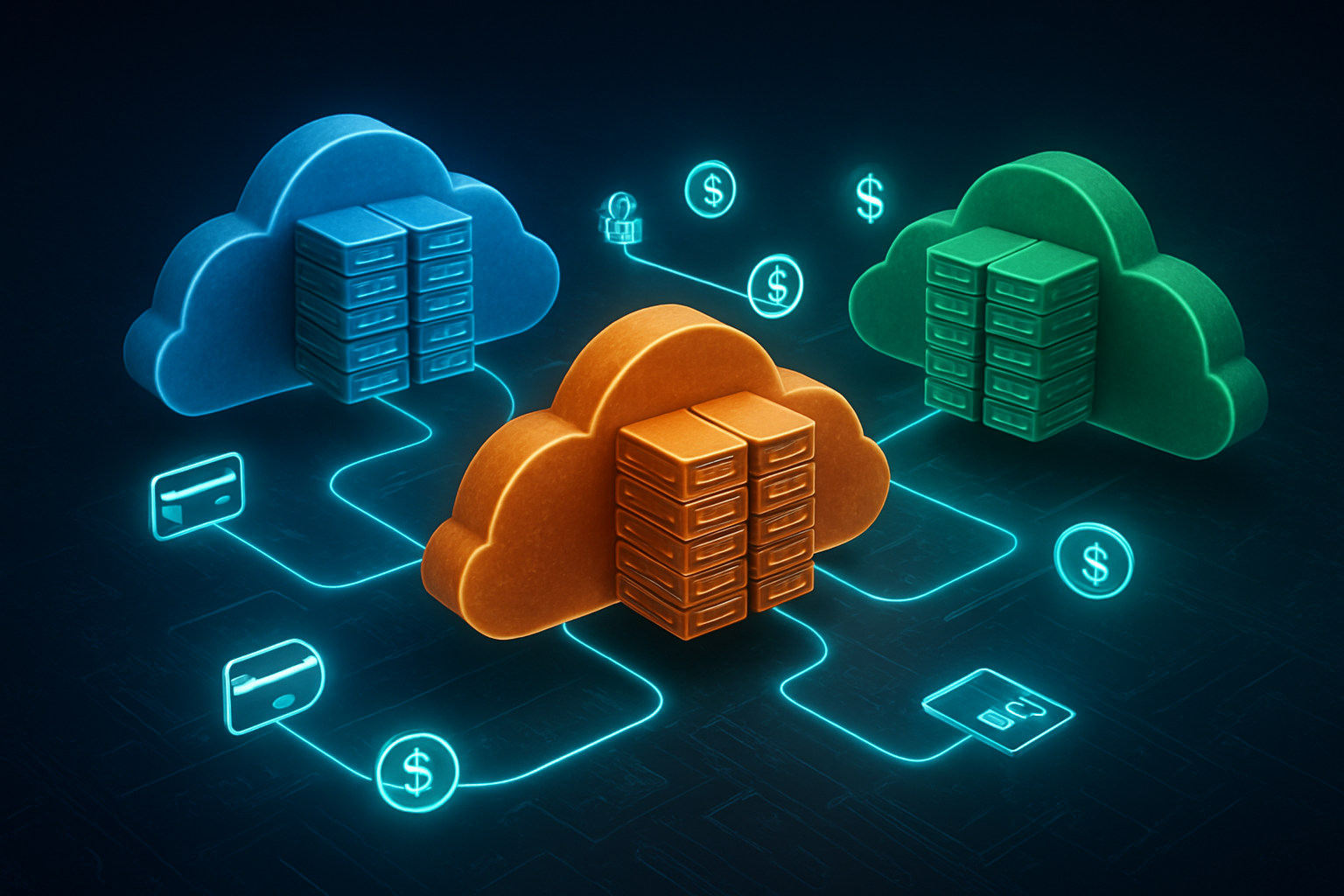
Benefits of multi-cloud deployment over single-cloud approach
Multi-cloud payment platform architecture delivers superior reliability compared to single-cloud setups by eliminating single points of failure. When one cloud provider experiences outages, traffic automatically routes to healthy regions across different providers, ensuring uninterrupted payment processing. This approach provides better resource allocation, allowing teams to leverage each provider’s strengths while maintaining competitive pricing through cloud arbitrage.
Risk mitigation through geographic distribution
Geographic distribution across multiple cloud providers creates robust payment system resilience against regional disasters, network failures, and localized service disruptions. Payment platforms can maintain operations even when entire data centers become unavailable, protecting revenue streams and customer trust. This strategy reduces latency for global users while providing regulatory compliance across different jurisdictions.
Avoiding vendor lock-in while maintaining performance
Cloud redundancy mechanisms prevent vendor dependency by abstracting infrastructure concerns through standardized APIs and containerized deployments. Go programming for reliability enables seamless portability across cloud providers without sacrificing performance or introducing architectural complexity. Teams maintain flexibility to negotiate better contracts, adopt emerging technologies, and optimize costs without compromising zero-downtime architecture requirements.
Go Programming Language Advantages for System Reliability

Built-in concurrency features for handling high-traffic loads
Go’s goroutines and channels make building high-performance payment systems straightforward. Unlike traditional threading models, goroutines are lightweight and can handle thousands of concurrent connections with minimal resource overhead. This matters when processing payment transactions that spike during peak hours – Go programming for reliability shines through its ability to manage these loads without system crashes.
Memory management and garbage collection efficiency
The garbage collector in Go runs concurrently without stopping the world, keeping payment processing smooth even during memory cleanup cycles. This design prevents the dreaded pause times that could interrupt transaction flows. Payment platforms need predictable performance, and Go delivers through automatic memory management that doesn’t sacrifice speed for convenience.
Strong typing system reducing runtime errors
Go’s compile-time type checking catches errors before they reach production systems. When handling financial data, type safety prevents costly mistakes like mixing currency types or passing invalid transaction amounts. Zero-downtime architecture depends on eliminating runtime surprises, and Go’s strict typing system acts as the first line of defense against payment processing errors.
Microservices architecture capabilities
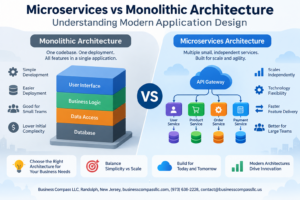
Go excels at building lightweight microservices that communicate efficiently across distributed payment systems. Its standard library includes robust HTTP handling and JSON marshaling, making service-to-service communication reliable. Each payment component – authentication, validation, settlement – can run independently while maintaining high availability systems through Go’s built-in networking capabilities and error handling patterns.
Implementing Redundancy and Failover Mechanisms

Database Replication Strategies Across Cloud Providers
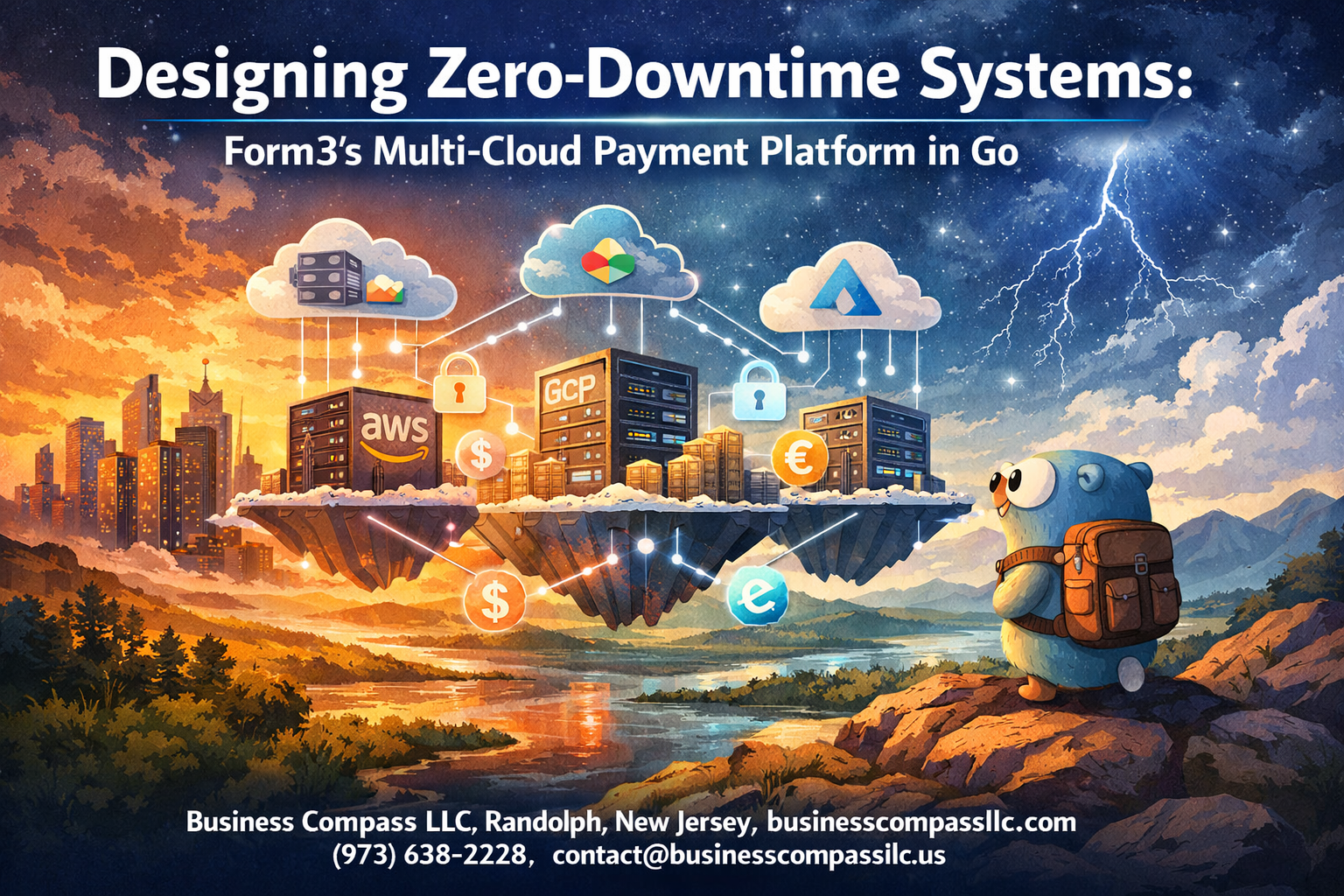
Multi-cloud payment platform resilience demands robust database replication across AWS, GCP, and Azure. Active-active replication ensures zero-downtime architecture by maintaining synchronized data copies in each cloud region. Cross-provider database clustering prevents single points of failure while automated failover mechanisms seamlessly redirect traffic when primary databases experience issues.
Load Balancing Techniques for Seamless Traffic Distribution
Global load balancers distribute payment requests across multiple cloud providers using intelligent routing algorithms. DNS-based load balancing provides geographic traffic steering, while application-level load balancers monitor backend health and automatically remove unhealthy instances. This approach maintains payment system resilience by ensuring requests reach available endpoints regardless of individual cloud provider outages.
Circuit Breaker Patterns for Preventing Cascade Failures
Circuit breakers protect microservices fault tolerance by monitoring service dependencies and preventing cascade failures. When error thresholds exceed configured limits, circuits open immediately, redirecting traffic to backup services or returning cached responses. Go’s lightweight goroutines make implementing these patterns efficient, allowing real-time monitoring of service health across distributed payment processing components.
Health Check Systems and Automated Recovery Processes
Comprehensive health monitoring systems continuously validate service availability across all cloud regions. Automated recovery processes leverage Kubernetes controllers and cloud-native orchestration tools to restart failed containers and provision replacement instances. Deep health checks verify database connectivity, external API availability, and payment gateway responsiveness, triggering automated remediation workflows when anomalies are detected.
Deployment Strategies for Continuous Availability

Blue-green deployment methodology
Blue-green deployment creates two identical production environments where traffic switches instantly between versions. One environment serves live traffic while the other remains idle for updates. When deploying new features to Form3’s payment platform, teams can test thoroughly in the idle environment before routing users seamlessly. This approach eliminates downtime risks since rollbacks happen immediately by switching traffic back to the previous version.
Rolling updates without service interruption
Rolling updates gradually replace application instances across multiple servers while maintaining service availability. The system updates a small percentage of nodes first, validates their health, then continues with remaining instances. This continuous deployment strategy ensures payment processing never stops, even during critical updates. Load balancers automatically route traffic away from updating nodes, distributing requests across healthy instances throughout the entire process.
Canary releases for safe feature rollouts
Canary releases expose new features to a small subset of users before full deployment. This approach allows teams to monitor real-world performance and catch issues early without affecting the entire user base. Payment platforms especially benefit from canary deployments since they can validate transaction processing accuracy with minimal risk exposure. If problems arise, traffic reverts to stable versions while engineers address concerns, protecting overall system reliability and customer trust.
Monitoring and Observability Best Practices

Real-time system health dashboards
Effective distributed system monitoring starts with comprehensive dashboards that display critical metrics across your multi-cloud payment platform. These dashboards should track service availability, transaction throughput, response times, and resource utilization across all cloud providers. Real-time visibility enables operations teams to identify performance degradation before it impacts customers, making dashboards essential for maintaining zero-downtime architecture.
Proactive alerting systems for early issue detection
Smart alerting goes beyond simple threshold monitoring by implementing predictive algorithms that detect anomalies in payment flow patterns. Configure alerts for cascading failures, unusual error rates, and capacity constraints that could trigger service disruptions. Your alerting system should integrate with incident management tools and escalate based on severity, ensuring critical payment system resilience issues receive immediate attention.
Distributed tracing for payment flow visibility
Payment transactions traverse multiple microservices across different cloud environments, making end-to-end visibility crucial for troubleshooting. Implement distributed tracing using tools like Jaeger or Zipkin to track request paths, identify bottlenecks, and measure latency at each service boundary. This approach helps pinpoint failures in complex payment workflows and reduces mean time to resolution.
Performance metrics that matter for payment systems
Focus on business-critical metrics that directly impact customer experience and regulatory compliance. Track payment success rates, processing latency percentiles, and availability SLAs across geographical regions. Monitor Go application-specific metrics like garbage collection pauses, goroutine counts, and memory allocation patterns that could affect payment platform scalability and high availability systems performance.
Testing and Validation Approaches

Chaos Engineering for System Resilience Validation
Chaos engineering deliberately introduces failures into production systems to test their ability to withstand unexpected disruptions. By randomly terminating services, injecting network latency, or simulating resource exhaustion, teams can identify weak points in their zero-downtime architecture before they cause real outages.
Netflix’s Chaos Monkey pioneered this approach by randomly killing services in production, forcing engineers to build resilient systems from the start. Modern chaos engineering tools like Gremlin and Litmus allow controlled experiments that validate failover mechanisms, circuit breakers, and recovery processes without impacting user experience.
Load Testing Strategies for Peak Traffic Scenarios
Load testing validates system performance under realistic traffic patterns that mirror actual payment processing volumes. Rather than simple stress tests, sophisticated scenarios should replicate user behavior patterns, including burst traffic during flash sales or gradual increases during peak business hours.
Tools like JMeter, K6, and Artillery can simulate thousands of concurrent payment requests while measuring response times, error rates, and system resource consumption. The key is testing beyond normal capacity to understand degradation patterns and ensure graceful handling of traffic spikes without complete system failure.
Disaster Recovery Simulation Exercises
Regular disaster recovery drills validate backup systems and recovery procedures before emergencies occur. These exercises should simulate complete data center failures, network partitions, and database corruption scenarios that could affect multi-cloud payment platform operations.
Tabletop exercises combined with actual failover tests ensure both technical systems and human processes work correctly under pressure. Teams practice switching traffic between cloud regions, restoring from backups, and coordinating incident response while measuring recovery time objectives against business requirements.
Form3’s approach to building a zero-downtime payment platform shows how smart architecture choices can make all the difference. Their multi-cloud strategy, combined with Go’s reliability features, creates a system that stays running even when things go wrong. The key ingredients include solid redundancy plans, smooth deployment processes, and comprehensive monitoring that catches problems before users notice them.
Building systems that never go down isn’t just about fancy technology – it’s about thinking ahead and preparing for failure at every step. If you’re working on critical systems, start with the basics: implement proper failover mechanisms, test everything thoroughly, and make observability a priority from day one. The investment in zero-downtime architecture pays off when your users can always count on your service being there when they need it most.