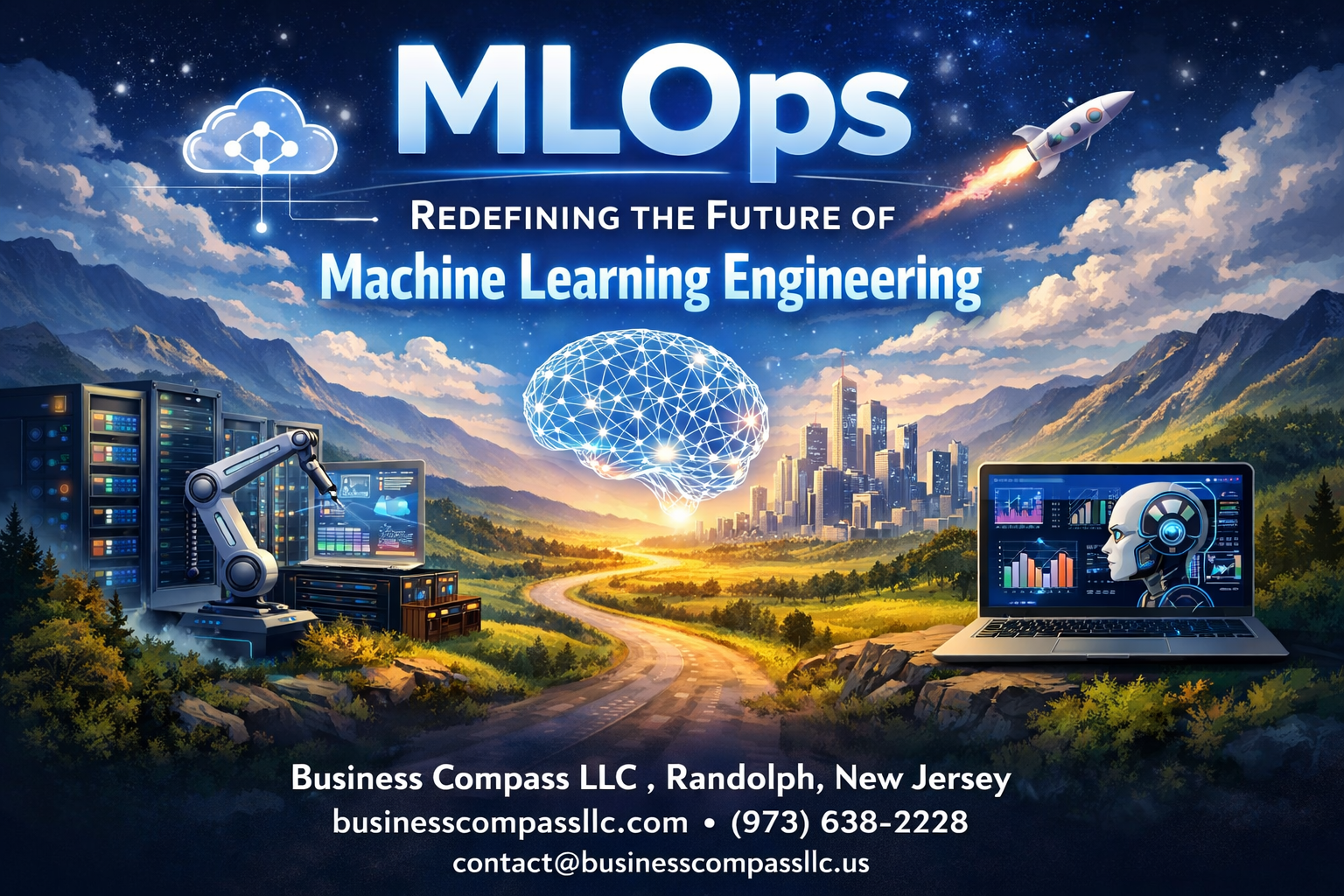
Machine learning models sitting in notebooks don’t create business value. MLOps bridges this gap by transforming how organizations build, deploy, and manage ML systems at scale.
This comprehensive guide is designed for data scientists, ML engineers, DevOps professionals, and technical leaders who want to move beyond experimental models to production-ready machine learning operations. You’ll discover practical strategies to streamline your machine learning workflow and accelerate time-to-value for AI initiatives.
We’ll explore the core components that make MLOps implementation successful, from automated ML pipeline management to robust model deployment practices. You’ll learn how leading organizations are transforming their traditional development approaches and the essential MLOps tools that power modern ML engineering. Finally, we’ll cover proven strategies for overcoming common implementation roadblocks and measuring the real business impact of your machine learning automation efforts.
Understanding MLOps and Its Strategic Value

Bridging the Gap Between Data Science and Production Systems
MLOps implementation creates a seamless connection between data science experimentation and real-world production environments. Traditional machine learning workflows often struggle with the disconnect between model development and deployment, where data scientists build sophisticated algorithms that fail to translate into reliable production systems.
Machine learning operations establishes standardized processes that allow models to move smoothly from research notebooks to scalable production infrastructure. This bridge eliminates the common bottleneck where promising ML models get stuck in development limbo, enabling organizations to capture the full value of their data science investments.
Accelerating Model Deployment and Time-to-Market
Speed matters in today’s competitive landscape, and MLOps best practices dramatically reduce the time required to deploy machine learning models. Automated ML pipelines replace manual, error-prone deployment processes that can take weeks or months with streamlined workflows that deliver results in days.
Machine learning automation handles repetitive tasks like model validation, testing, and deployment configuration, freeing up data scientists to focus on innovation rather than operational overhead. This acceleration gives companies a significant competitive advantage by enabling rapid response to market changes and customer needs.
Reducing Operational Costs Through Automation
MLOps tools eliminate the expensive manual labor traditionally required to maintain machine learning systems in production. Automated monitoring, retraining, and deployment processes reduce the need for specialized DevOps engineers dedicated to ML infrastructure management.
Resource optimization through intelligent scaling and automated model lifecycle management cuts cloud computing costs significantly. Organizations typically see 30-50% reduction in operational expenses when they implement comprehensive MLOps frameworks that handle routine maintenance tasks without human intervention.
Ensuring Consistent Model Performance at Scale
ML model deployment at enterprise scale requires robust monitoring and management systems that MLOps provides. Without proper oversight, models degrade over time due to data drift, changing business conditions, and infrastructure variations that impact prediction accuracy.
Machine learning workflow standardization ensures models perform consistently across different environments and data conditions. Automated performance tracking, alert systems, and retraining triggers maintain model quality standards that meet business requirements, preventing costly prediction errors that could damage customer trust and revenue.
Core MLOps Components That Drive Success
Version Control for Models and Data Assets
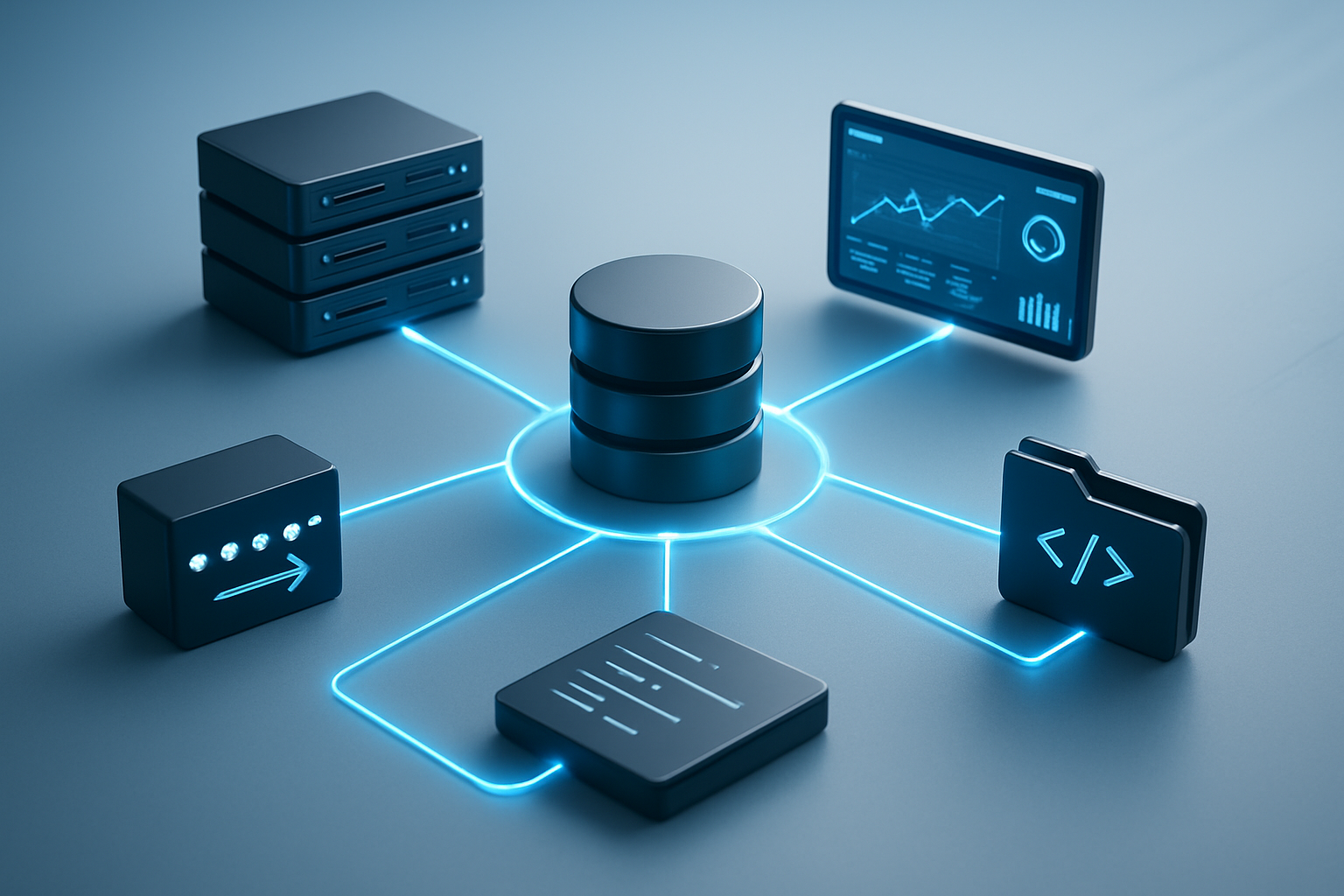
Model versioning transforms how teams track machine learning artifacts throughout development cycles. Git-based systems like DVC and MLflow enable engineers to maintain complete lineage of datasets, model weights, and hyperparameters. This approach prevents the common scenario where teams lose track of which data version produced specific results, creating reproducible ML workflows that support collaborative development and rollback capabilities when models underperform in production environments.
Automated Testing and Validation Pipelines
Automated testing pipelines validate model performance before deployment through comprehensive checks on data quality, model accuracy, and inference latency. These MLOps best practices include schema validation, statistical tests for data drift, and A/B testing frameworks that compare new models against baseline performance. Machine learning automation reduces manual oversight while catching issues early, ensuring only validated models reach production systems where they impact business outcomes.
Continuous Integration and Deployment for ML Models
CI/CD pipelines specifically designed for machine learning operations streamline the path from model training to production deployment. Unlike traditional software, ML pipeline management requires specialized stages for model validation, performance monitoring, and gradual rollout strategies. MLOps tools like Kubeflow and Azure ML integrate with existing DevOps workflows, enabling teams to deploy models with confidence while maintaining the ability to quickly revert changes when performance degrades.
Transforming Traditional ML Development Workflows

Eliminating Manual Model Management Bottlenecks
Traditional ML development relies heavily on manual processes for model versioning, deployment, and updates. MLOps implementation transforms these workflows by introducing automated model management systems that track every change, dependency, and performance metric. Teams can now deploy models instantly across environments while maintaining complete visibility into model lineage and performance history.
Creating Reproducible and Auditable ML Processes
Machine learning workflow automation ensures every experiment, training run, and deployment follows standardized procedures. MLOps best practices establish consistent environments, automated testing protocols, and comprehensive logging systems. This approach eliminates the “works on my machine” problem while creating audit trails that satisfy compliance requirements and enable seamless knowledge transfer between team members.
Enabling Collaborative Development Across Teams
MLOps tools break down silos between data scientists, ML engineers, and operations teams through shared platforms and standardized processes. Version control systems designed for machine learning assets allow multiple team members to work on the same models simultaneously. Collaborative workflows include peer review processes, shared experiment tracking, and unified deployment pipelines that keep everyone synchronized and accountable.
Implementing Real-Time Model Monitoring and Alerting
ML model deployment requires continuous oversight to detect performance degradation, data drift, and system anomalies. Real-time monitoring systems track key metrics like accuracy, latency, and resource consumption while automatically triggering alerts when thresholds are exceeded. ML pipeline management platforms integrate monitoring data with automated retraining workflows, ensuring models maintain optimal performance without manual intervention.
Business Impact and ROI of MLOps Implementation

Faster Innovation Cycles and Competitive Advantage
Companies implementing MLOps implementation see their machine learning workflow accelerate from months to weeks. Teams can now experiment with new models, test different approaches, and push updates into production at lightning speed. This rapid iteration creates a massive competitive edge – while competitors struggle with manual processes, MLOps-enabled organizations launch new features and improvements continuously. The automated ML pipeline management removes bottlenecks that traditionally slowed down innovation, letting data scientists focus on creative problem-solving rather than deployment headaches.
Improved Model Reliability and Reduced Downtime
MLOps transforms unreliable ML model deployment into a rock-solid operation. Automated monitoring catches model drift before it impacts users, while standardized machine learning automation ensures consistent performance across environments. Companies report up to 90% reduction in model-related incidents and significant decreases in costly downtime. The systematic approach to ML engineering creates predictable, maintainable systems that business leaders can actually depend on for critical operations.
Enhanced Compliance and Risk Management
Regulatory compliance becomes manageable when MLOps best practices include built-in audit trails and documentation. Every model change, data transformation, and deployment gets tracked automatically, creating the paper trail that auditors demand. Risk management improves dramatically as teams can quickly identify which models need updates, roll back problematic deployments, and maintain consistent governance across all machine learning operations. This systematic approach protects companies from regulatory fines and reputation damage.
Scalable Infrastructure for Growing ML Demands
MLOps tools create infrastructure that grows with business needs without exponential cost increases. Organizations can handle 10x more models with the same team size through intelligent automation and standardized processes. Cloud-native MLOps platforms automatically scale computing resources up and down based on demand, optimizing costs while maintaining performance. This scalability means companies can pursue ambitious AI initiatives without worrying about infrastructure limitations holding back their machine learning engineering goals.
Essential Tools and Technologies Shaping MLOps
Container Orchestration Platforms for Model Deployment
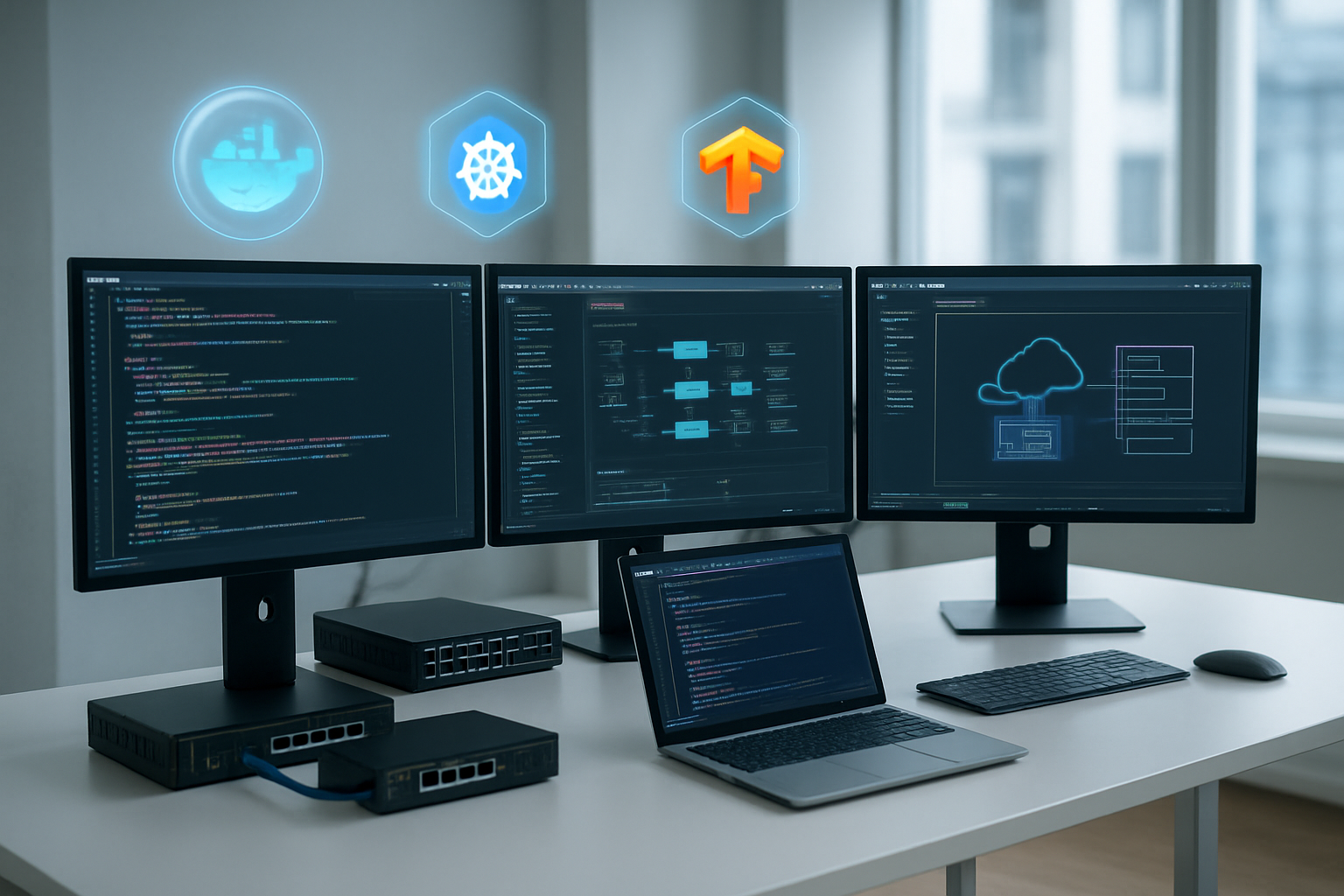
Modern MLOps implementation relies heavily on robust container orchestration platforms that handle the complex demands of ML model deployment at scale. Kubernetes leads the pack as the go-to orchestration solution, providing seamless autoscaling, load balancing, and resource management for machine learning workflows. Docker containers package models with their dependencies, creating portable environments that run consistently across development, staging, and production systems. These platforms enable teams to deploy multiple model versions simultaneously, implement blue-green deployments, and roll back problematic releases instantly.
Feature Store Solutions for Data Management
Feature stores have become the backbone of efficient MLOps tools, centralizing feature engineering and data management across the entire machine learning automation pipeline. Popular solutions like Feast, Tecton, and AWS SageMaker Feature Store provide versioned, reusable feature sets that eliminate duplicate work and ensure consistency between training and inference environments. These platforms handle feature discovery, lineage tracking, and real-time serving capabilities that drastically reduce the time from feature creation to model deployment.
Model Registry and Metadata Tracking Systems
MLflow and Neptune dominate the model registry landscape, offering comprehensive ML pipeline management solutions that track experiments, store model artifacts, and manage deployment lifecycles. These systems capture critical metadata including hyperparameters, performance metrics, data versions, and model lineage information that enables reproducible machine learning workflows. Teams can compare model performance across different iterations, approve models for production deployment, and maintain detailed audit trails that support compliance requirements while accelerating the path from experimentation to production-ready ML engineering solutions.
Overcoming Common MLOps Implementation Challenges

Managing Complex Data Dependencies and Drift
Data drift poses significant challenges for MLOps implementation, requiring robust monitoring systems to detect when model performance degrades due to changing input patterns. Organizations must establish automated pipelines that track feature distributions and trigger retraining workflows when statistical thresholds are breached. Building comprehensive data lineage tracking helps teams understand complex dependencies between datasets, models, and downstream applications, enabling faster root cause analysis when issues arise.
Building Cross-Functional Team Collaboration
Breaking down silos between data scientists, engineers, and DevOps teams requires standardized MLOps tools and clear communication protocols. Establishing shared repositories, unified development environments, and collaborative model registries creates transparency across the machine learning workflow. Regular cross-team reviews and joint ownership of ML pipeline management foster accountability while ensuring domain expertise flows freely between technical and business stakeholders throughout the model lifecycle.
Balancing Speed with Quality and Governance
MLOps implementation demands careful orchestration of automated testing, validation gates, and approval processes without sacrificing deployment velocity. Organizations achieve this balance by implementing tiered deployment strategies with automated quality checks at each stage, allowing low-risk changes to flow rapidly while subjecting high-impact models to additional scrutiny. Establishing clear governance frameworks with automated compliance monitoring ensures regulatory requirements are met without creating bottlenecks in the development process.
Ensuring Security and Privacy in ML Pipelines
Machine learning automation introduces unique security vulnerabilities that traditional DevOps practices don’t address, particularly around sensitive training data and model intellectual property. MLOps teams must implement end-to-end encryption for data in transit and at rest, establish secure model serving environments, and create audit trails for all pipeline activities. Privacy-preserving techniques like differential privacy and federated learning become essential components of modern ML engineering workflows, especially in regulated industries where data protection is paramount.

MLOps represents a game-changing approach that bridges the gap between machine learning development and production deployment. By combining automated workflows, continuous monitoring, and collaborative tools, organizations can transform their ML projects from experimental prototypes into reliable, scalable solutions that deliver real business value. The strategic components we’ve explored—from version control and model monitoring to automated pipelines—create a foundation that makes machine learning operations more efficient, transparent, and maintainable.
The business case for MLOps adoption becomes clear when you consider the dramatic improvements in deployment speed, model reliability, and team productivity. Companies implementing these practices report faster time-to-market, reduced operational costs, and more consistent model performance across their entire ML portfolio. Start by identifying your organization’s biggest ML pain points and choose the MLOps tools and practices that directly address those challenges. The investment in building these capabilities today will position your team to scale machine learning initiatives successfully and compete in an increasingly AI-driven marketplace.