Concept to Code: The Future of Rapid Prototyping and AI-Powered Development
Software development is changing fast. What used to take weeks or months can now happen in minutes thanks to AI-powered development tools that turn ideas into working prototypes almost instantly.
This guide is for:
- Product managers who need to test concepts quickly
- Developers looking to speed up their workflow
- Startup founders wanting to validate ideas without huge time investments
- Tech teams struggling with traditional development bottlenecks
The days of lengthy development cycles are ending. Modern rapid prototyping lets you build, test, and refine software ideas at lightning speed. AI code generation handles the heavy lifting while you focus on solving real problems for your users.
Here’s what we’ll cover:
How AI transforms prototype to production workflows – We’ll explore the latest software development tools that use artificial intelligence to write code, create interfaces, and build complete applications from simple descriptions.
Real strategies for rapid application development – You’ll learn practical approaches to implement agile development methodology and optimize your development workflow without sacrificing quality.
Building a future-ready development process – We’ll show you how to integrate software prototyping tools into your existing workflow and create a system that scales with your business needs.
Ready to see how fast you can go from concept to working code? Let’s dive in.
Transform Ideas into Working Prototypes in Minutes
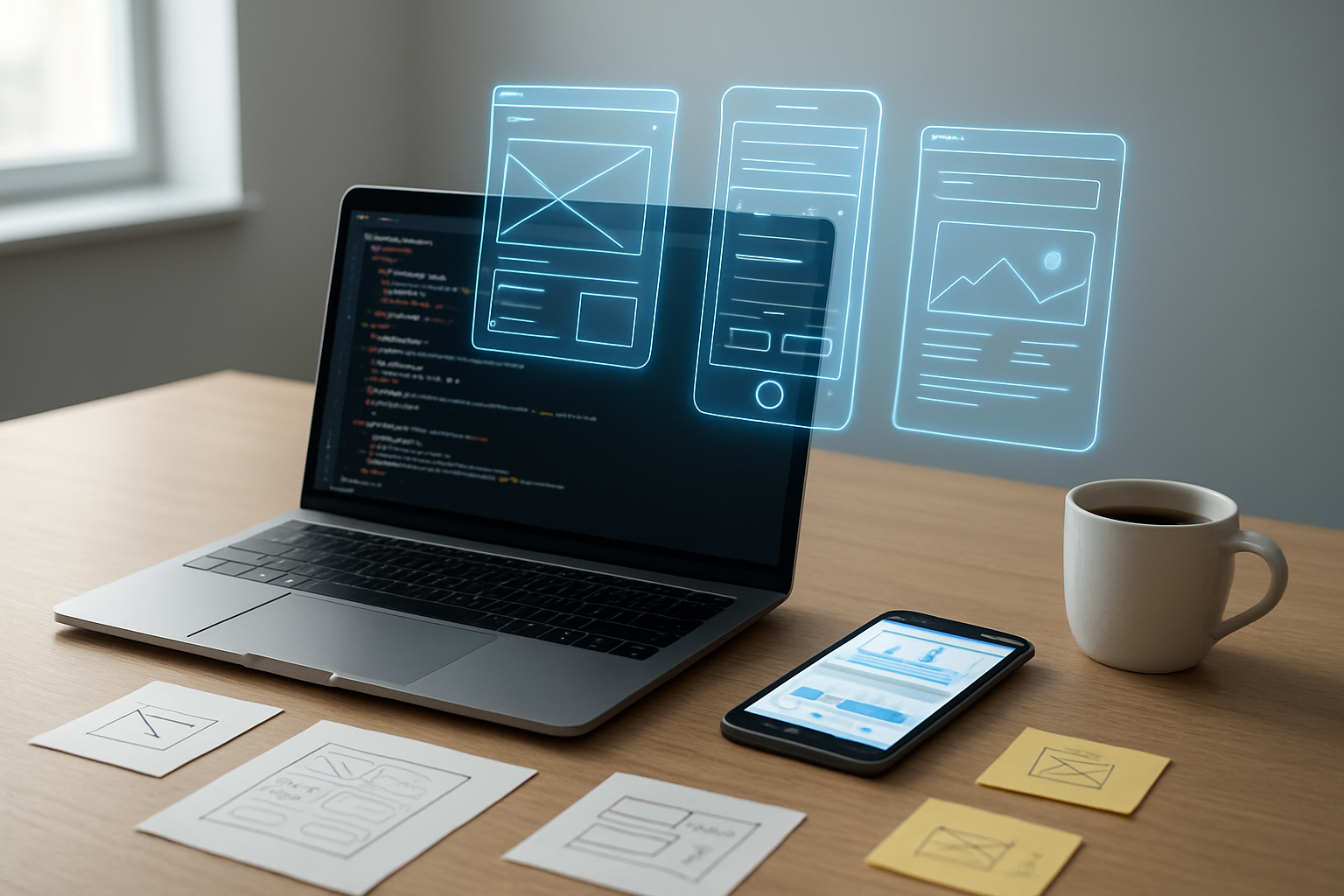
Slash Development Time from Weeks to Hours
Traditional software development cycles have always been painfully slow. Teams spend weeks planning, architecting, and coding basic functionality before seeing any tangible results. AI-powered development tools are completely changing this game by automating the heavy lifting of code creation.
Modern rapid prototyping platforms can generate complete application frameworks in minutes rather than days. Developers simply describe their requirements in plain language, and sophisticated AI algorithms translate these descriptions into working code structures. This dramatic acceleration means businesses can test multiple concepts simultaneously instead of betting everything on a single, slowly-developed solution.
The speed advantage extends beyond initial creation. When changes are needed, traditional development requires careful refactoring and extensive testing. AI-driven tools can instantly modify generated code while maintaining structural integrity, turning what used to be week-long revision cycles into hour-long adjustments.
Eliminate Technical Barriers for Non-Programmers
The biggest revolution happening right now is democratizing software creation for people without programming backgrounds. Business analysts, designers, and product managers can now build functional prototypes without writing a single line of code.
Software development tools powered by AI understand natural language requirements and convert them into executable applications. A marketing manager can describe a customer survey system, and the AI generates a complete web application with forms, data collection, and basic analytics capabilities.
This accessibility doesn’t mean sacrificing quality or functionality. These platforms produce clean, well-structured code that follows industry best practices. Non-technical team members can focus on business logic and user experience while the AI handles the technical implementation details.
Generate Functional Code from Simple Descriptions
The magic happens when you can describe what you want and watch it materialize into working software. AI code generation has reached a sophistication level where complex business requirements translate directly into functional applications.
Instead of learning programming languages and frameworks, users describe their needs conversationally: “I need a system that tracks inventory, sends alerts when stock is low, and generates monthly reports.” The AI interprets these requirements and produces complete applications with databases, user interfaces, and business logic already implemented.
The generated code isn’t just throwaway prototype material. These software prototyping tools create production-ready applications that can scale and evolve. Teams can take AI-generated prototypes and continue developing them traditionally, or keep using AI assistance for ongoing enhancements.
Accelerate Market Testing with Instant Prototypes
Getting products in front of customers quickly is everything in today’s competitive landscape. Rapid application development enabled by AI means businesses can validate ideas with real users in days instead of months.
Companies can now test multiple product variations simultaneously. Each prototype takes hours to create rather than weeks, enabling extensive A/B testing and user feedback collection before committing significant resources to full development. This approach dramatically reduces the risk of building products nobody wants.
The development workflow optimization creates a continuous feedback loop. Customer insights from one prototype immediately inform the next iteration. Teams can pivot quickly based on real market data rather than theoretical assumptions, leading to products that better match actual user needs.
AI-Powered Tools Revolutionizing Software Creation

Visual Design to Code Conversion Technologies
Modern AI-powered development tools are breaking down the traditional barriers between design and code. These platforms can now analyze visual mockups, wireframes, or even hand-drawn sketches and automatically generate production-ready code. Tools like Figma to React converters and Adobe’s AI-driven design-to-code systems are enabling designers to create functional prototypes without writing a single line of code.
The technology works by using computer vision algorithms to identify UI components, layout patterns, and design elements, then mapping them to corresponding code structures. This approach drastically reduces the time from concept to working prototype, turning what once took days or weeks into a matter of hours.
Companies using these software development tools report up to 80% faster prototype creation, allowing teams to focus on refining user experience rather than getting bogged down in initial code implementation. The generated code often includes responsive design principles and accessibility features, ensuring prototypes meet modern web standards from the start.
Natural Language Programming Interfaces
AI code generation has evolved to understand human language instructions and convert them into functional code. Developers can now describe what they want to build in plain English, and AI systems translate those requirements into working applications. GitHub Copilot, OpenAI Codex, and similar platforms demonstrate this capability by generating complex functions from simple text descriptions.
These natural language interfaces are particularly powerful for rapid prototyping because they eliminate the need for extensive technical knowledge during the initial development phases. Product managers, designers, and business stakeholders can directly contribute to the prototyping process by describing features and functionality in conversational language.
The technology excels at understanding context and intent, often suggesting improvements or alternative approaches based on best practices. This collaborative approach between human creativity and AI efficiency creates a new paradigm where ideas can be tested and validated almost instantaneously.
Smart Code Generation and Auto-Completion Systems
Automated coding systems are revolutionizing how developers build applications by predicting and generating code patterns in real-time. These systems learn from millions of code repositories to understand common programming patterns, architectural decisions, and optimization techniques. They can complete entire functions, suggest refactoring improvements, and even identify potential bugs before they become problems.
Modern IDEs equipped with AI-powered auto-completion can reduce coding time by 40-60% while improving code quality. The systems understand project context, coding style preferences, and framework-specific patterns, making suggestions that feel natural and relevant to the specific development environment.
| Feature | Traditional Coding | AI-Enhanced Coding |
|---|---|---|
| Code Completion | Basic syntax | Context-aware predictions |
| Error Detection | Post-compilation | Real-time suggestions |
| Documentation | Manual creation | Auto-generated comments |
| Testing | Manual test writing | AI-generated test cases |
These software prototyping tools are becoming essential for development workflow optimization, enabling teams to focus on solving complex business problems rather than repetitive coding tasks. The combination of smart code generation with rapid iteration capabilities creates an environment where prototypes can evolve quickly based on user feedback and changing requirements.
Bridge the Gap Between Business Vision and Technical Implementation

Enable Direct Communication Between Stakeholders and Systems
Traditional development cycles often resemble a game of telephone, where business requirements pass through multiple layers before reaching developers. AI-powered development tools change this dynamic by creating direct pathways between stakeholder vision and working code. Product managers can now articulate their ideas using natural language, and AI code generation translates these concepts into functional prototypes within hours rather than weeks.
These tools break down technical barriers that previously required deep programming knowledge. When a marketing director wants to test a new customer onboarding flow, they can describe their vision and watch as rapid prototyping tools generate interactive mockups that demonstrate the actual user experience. This immediate feedback loop eliminates the frustration of waiting weeks to see if their idea was properly understood by the development team.
Reduce Miscommunication in Development Teams
Miscommunication costs software projects millions of dollars annually. AI-powered development platforms serve as universal translators between business language and technical specifications. When stakeholders describe features using business terminology, these systems automatically generate technical documentation, user stories, and even initial code structures that developers can immediately understand and build upon.
Software prototyping tools now include visual elements that show exactly how data flows, user interactions work, and business logic operates. Instead of lengthy requirement documents that different team members interpret differently, everyone works from the same interactive prototype that demonstrates the intended functionality. This shared reference point dramatically reduces the back-and-forth clarifications that typically plague development projects.
Empower Product Managers to Build Without Dependencies
Product managers historically depended on engineering resources for even the simplest prototype validation. Modern rapid application development platforms flip this relationship by giving product managers the power to create functional prototypes independently. They can test user flows, validate business assumptions, and gather stakeholder feedback without consuming precious developer time.
These platforms use drag-and-drop interfaces combined with AI code generation to handle the technical complexity behind the scenes. A product manager can design a customer dashboard, connect it to sample data, and share a working prototype with users for testing. Only after validation do they hand off the proven concept to developers for production implementation, significantly reducing wasted engineering effort on unvalidated ideas.
Create Shared Understanding Through Visual Prototypes
Visual prototypes serve as the common language between technical and non-technical team members. When everyone can interact with a working model of the proposed solution, discussions shift from abstract concepts to concrete functionality. Stakeholders can click through user journeys, test edge cases, and provide specific feedback about actual behaviors rather than imagined ones.
Development workflow optimization improves dramatically when teams rally around a shared visual representation of the end goal. Designers see how their interfaces will function, developers understand the expected user interactions, and business stakeholders can validate that the solution meets their needs. This alignment early in the process prevents costly redesigns and scope changes later in development.
Maximize ROI Through Rapid Iteration and Testing

Test Multiple Concepts Simultaneously
Rapid prototyping allows development teams to explore several ideas at once without the traditional resource constraints. Instead of committing months to a single concept, AI-powered development tools enable teams to spin up multiple prototypes within days or even hours. This parallel approach transforms how organizations evaluate potential solutions.
Teams can now create variants of the same core idea with different user interfaces, feature sets, or technical architectures. One prototype might focus on mobile-first design while another emphasizes desktop functionality. A third could explore completely different user workflows. This simultaneous testing reveals which direction resonates most with target users before significant investment occurs.
The beauty of this approach lies in its efficiency. Traditional development would require separate teams, extended timelines, and substantial budgets to test multiple concepts. Modern software prototyping tools compress these requirements dramatically. A small team can manage several prototype streams, gathering comparative data that would have been impossible to obtain through sequential development.
Gather User Feedback Before Major Investment
Smart organizations now validate their assumptions early in the development cycle. Rather than building complete applications based on internal assumptions, they deploy lightweight prototypes to real users within weeks of conception. This feedback loop prevents costly mistakes that plague traditional development workflows.
User testing with rapid prototypes reveals critical insights about functionality, user experience, and market fit. Teams discover which features users actually need versus what stakeholders think they want. These discoveries happen when changes are still inexpensive to implement, not after months of development work.
Prototype testing also uncovers technical challenges early. Users interact with systems differently than developers anticipate. Performance bottlenecks, usability issues, and integration problems surface during prototype testing rather than during final deployment. This early detection saves countless hours of rework and maintains project momentum.
Pivot Quickly Based on Market Response
Market conditions change rapidly, and successful organizations adapt their development strategies accordingly. Rapid prototyping creates the flexibility needed to respond to competitive threats, regulatory changes, or shifting user preferences without scrapping entire projects.
When market feedback indicates a different direction, teams can adjust their prototypes within days rather than restarting development from scratch. AI code generation tools make these pivots feasible by automating much of the repetitive coding work. Features can be added, removed, or completely reimagined without the traditional penalties of scope changes.
This agility becomes especially valuable during economic uncertainty or emerging market opportunities. Organizations can test new business models, explore adjacent markets, or respond to customer requests without the risk profile of traditional development approaches. The speed of iteration matches the pace of modern business decisions.
Development workflow optimization through rapid iteration also improves team morale and stakeholder confidence. Teams see tangible progress quickly, and stakeholders can evaluate real functionality rather than abstract specifications. This transparency builds trust and maintains momentum throughout the development process.
Overcome Traditional Development Bottlenecks

Eliminate Waiting for Developer Availability
Resource constraints plague most organizations when it comes to software development. Teams often find themselves stuck in lengthy queues, waiting weeks or months for developer availability to start their prototype projects. AI-powered development tools completely change this dynamic by enabling non-technical team members to create functional prototypes independently.
Business analysts, product managers, and designers can now transform their ideas into working software without writing a single line of code. These rapid prototyping platforms provide drag-and-drop interfaces, pre-built components, and intelligent code generation that responds to natural language descriptions. The result? Projects that previously required a dedicated developer for several weeks can be completed in hours or days by domain experts who understand the business requirements best.
Reduce Technical Debt in Early Stages
Traditional development approaches often accumulate technical debt from the very beginning. Developers working under tight deadlines make quick fixes and shortcuts that compound over time, creating maintenance nightmares and performance issues. AI-powered development tools help minimize this problem by generating clean, standardized code from the start.
Modern automated coding platforms follow established best practices and coding standards consistently across all generated code. They implement proper error handling, security protocols, and scalable architectures automatically. When teams move from prototype to production, they inherit a solid foundation rather than a collection of hastily assembled components that need extensive refactoring.
Scale Prototyping Efforts Across Teams
Organizations with multiple product teams face the challenge of scaling their prototyping capabilities without exponentially increasing their development resources. Software prototyping tools powered by AI enable companies to democratize the prototyping process across departments and geographical locations.
Marketing teams can build interactive campaign prototypes, sales teams can create custom demo applications, and customer success teams can develop internal tools for better client management. Each team maintains autonomy over their prototyping needs while adhering to company-wide design systems and technical standards. This distributed approach accelerates innovation while maintaining quality and consistency.
Maintain Consistency Across Multiple Projects
One of the biggest challenges in traditional development is maintaining visual and functional consistency across different projects and teams. Design systems often exist in documentation form, but translating them into actual code implementations varies significantly between developers. Development workflow optimization through AI tools solves this by enforcing design standards automatically.
| Traditional Development | AI-Powered Prototyping |
|---|---|
| Manual design system implementation | Automated design token application |
| Inconsistent component usage | Standardized component library |
| Variable code quality | Consistent code generation |
| Multiple interpretation of requirements | Unified requirement processing |
These platforms maintain centralized component libraries and design tokens that automatically apply to all projects. When design changes occur, they propagate across all prototypes instantly, ensuring brand consistency and reducing the time spent on manual updates.
Speed Up Client Approval Processes
Client feedback cycles represent another significant bottleneck in traditional development. Static mockups and wireframes often fail to convey the full user experience, leading to multiple revision rounds and extended approval timelines. Interactive prototypes created through rapid application development platforms provide clients with tangible experiences they can test and evaluate.
Clients can interact with working forms, navigate through user flows, and experience the actual functionality rather than imagining how static designs might work. This hands-on approach dramatically reduces miscommunication and accelerates decision-making. Changes can be implemented and demonstrated in real-time during client meetings, turning lengthy feedback cycles into productive collaborative sessions.
The ability to quickly iterate based on client feedback creates a more agile development methodology that keeps projects moving forward rather than getting stuck in endless revision loops. Teams can present multiple variations of features or interfaces within the same meeting, allowing clients to make informed decisions based on actual user experience rather than theoretical concepts.
Future-Proof Your Development Strategy

Prepare for No-Code and Low-Code Dominance
The development landscape is shifting dramatically toward no-code and low-code platforms, and this transformation isn’t slowing down. By 2025, experts predict that 70% of new applications will be built using these technologies. Smart organizations are already positioning themselves to capitalize on this trend through AI-powered development and rapid prototyping tools.
Traditional coding will always have its place, but the future belongs to platforms that democratize software creation. Visual development environments now enable business users to create sophisticated applications without writing a single line of code. This shift means your development strategy must embrace these tools to remain competitive.
The most successful companies are already building hybrid teams where traditional developers work alongside citizen developers. This approach multiplies your development capacity while reducing bottlenecks. Your technical team can focus on complex system architecture while business users handle routine applications and prototypes.
Consider platforms like Microsoft Power Platform, OutSystems, or Mendix as strategic investments rather than temporary solutions. These environments now support enterprise-grade applications with robust security, scalability, and integration capabilities. The gap between professional development and no-code solutions continues to narrow.
Build Competitive Advantage Through Speed
Speed has become the ultimate competitive differentiator in software development. Companies that can move from concept to working prototype in days rather than months capture market opportunities that slower competitors miss entirely. This velocity advantage compounds over time, creating sustainable business benefits.
Rapid application development through AI code generation and automated coding tools enables teams to test multiple approaches simultaneously. Instead of betting everything on one development path, you can prototype several solutions and let user feedback guide your final direction. This parallel development approach reduces risk while accelerating innovation.
The economic impact of speed extends beyond faster time-to-market. Rapid iteration cycles mean you discover and fix problems early when they’re inexpensive to address. A bug caught during prototyping costs pennies compared to the same issue discovered after production deployment.
Modern software prototyping tools integrate seamlessly with your existing development workflow optimization processes. Teams can maintain their preferred methodologies while dramatically increasing their output. The key is choosing tools that enhance rather than replace your current agile development methodology.
Adapt to Changing Market Demands Instantly
Market conditions change rapidly, and your development strategy must match this pace. Traditional development cycles that span months or years can’t keep up with shifting customer expectations and competitive pressures. Organizations need the ability to pivot quickly when market feedback demands different approaches.
AI-powered development tools excel at enabling rapid pivots. When customer requirements change, these platforms can regenerate application logic, update user interfaces, and modify business rules in real-time. This flexibility transforms change requests from major disruptions into minor adjustments.
The prototype to production pipeline becomes your strategic asset for market responsiveness. Instead of lengthy requirement gathering phases, you can deploy working prototypes to gather real user feedback immediately. This approach reveals market demands that surveys and focus groups often miss.
Modern development workflows must accommodate continuous experimentation. A/B testing, feature flags, and gradual rollouts become standard practices rather than advanced techniques. Your development tools should support these methodologies natively, making it easy to test hypotheses and adapt quickly to results.
Success in today’s market requires treating your applications as living entities that evolve constantly rather than finished products that ship once. This mindset shift demands development practices and tools that support continuous iteration and improvement.
The landscape of software development is shifting rapidly, and AI-powered prototyping tools are leading this transformation. We’ve seen how these innovative platforms can turn your business ideas into working prototypes within minutes, breaking down the traditional barriers between concept and code. By bridging the gap between business vision and technical implementation, companies can now test and iterate faster than ever before, maximizing their return on investment while minimizing risk.
Smart businesses are already adopting these AI-driven development strategies to stay ahead of the competition. The ability to quickly prototype, test, and refine ideas means you can respond to market changes at lightning speed and avoid the costly bottlenecks that have plagued traditional development cycles for decades. Start exploring AI-powered prototyping tools today – your future self will thank you for embracing this game-changing technology that’s reshaping how we build software.