Digital transformation strategy has become the backbone of modern business success, but too many great ideas get stuck in endless planning cycles instead of becoming real solutions. This guide is designed for business leaders, product managers, and development teams who want to bridge the gap between innovative concepts and working code.
You’ll discover how to build a strategic foundation that turns scattered digital initiatives into focused, executable plans. We’ll walk through proven methods for leveraging technology stack implementation to speed up development cycles and reduce time-to-market. Finally, you’ll learn how agile digital development practices can help your team adapt quickly while maintaining quality throughout the digital transformation process.
The days of waiting months or years to see results from digital transformation execution are over. Let’s explore how successful organizations are moving from concept to code faster than ever before.
Understanding the Digital Transformation Landscape

Defining digital transformation beyond technology adoption
Digital transformation isn’t just about swapping old systems for shiny new software or moving everything to the cloud. While technology plays a crucial role, true digital transformation strategy involves fundamentally rethinking how your business operates, delivers value to customers, and adapts to changing market conditions.
At its core, digital transformation represents a cultural shift that requires organizations to continuously challenge existing processes, experiment with new approaches, and embrace failure as a learning opportunity. Companies that succeed understand that transformation touches every aspect of their operations – from customer interactions and employee workflows to decision-making processes and business models.
The most successful transformations focus on three key areas: customer experience enhancement, operational efficiency improvements, and new business model creation. These elements work together to create sustainable competitive advantages that go far beyond what technology alone can achieve.
Identifying market pressures driving transformation initiatives
Today’s business environment creates intense pressure for organizations to evolve rapidly. Customer expectations have fundamentally shifted – people now expect seamless, personalized experiences across all touchpoints, instant access to information, and the ability to interact with businesses on their own terms.
Competition comes from unexpected directions. Traditional industry boundaries blur as tech-savvy startups and established companies from other sectors enter new markets with innovative digital approaches. Netflix disrupted cable television, Uber transformed transportation, and Amazon revolutionized retail – all by leveraging digital capabilities to meet customer needs in new ways.
Regulatory changes and compliance requirements also drive digital transformation process adoption. Organizations must demonstrate greater transparency, implement stronger data protection measures, and maintain detailed audit trails. These requirements often necessitate significant technological and operational changes.
Economic volatility makes agility essential for survival. Companies need flexible systems and processes that allow them to respond quickly to market changes, supply chain disruptions, and shifting customer demands. Remote work capabilities became critical overnight during the pandemic, highlighting the importance of digital infrastructure.
Recognizing common transformation challenges and pitfalls
Many organizations struggle with transformation initiatives because they underestimate the complexity involved. Leadership often expects quick wins without investing in the necessary cultural changes or employee training programs. This creates resistance and reduces the likelihood of successful implementation.
Resource allocation presents another significant challenge. Companies frequently spread their transformation efforts too thin across multiple projects rather than focusing on high-impact initiatives that deliver measurable results. Without clear priorities and adequate funding, even well-intentioned projects can fail to achieve their objectives.
Data quality and integration issues plague many digital transformation execution efforts. Organizations discover that their existing data is inconsistent, incomplete, or stored in incompatible formats. These technical challenges can delay progress and increase costs significantly.
Change management failures represent perhaps the most common pitfall. Successful transformation requires buy-in from employees at all levels, but many organizations fail to communicate the vision effectively or provide adequate support during the transition period. When people don’t understand why changes are necessary or how they’ll benefit, resistance becomes inevitable.
Building a Strategic Foundation for Digital Success

Aligning Business Objectives with Digital Capabilities
Successful digital transformation strategy begins with creating a clear bridge between what your business wants to achieve and what technology can actually deliver. Too many organizations jump into digital initiatives without understanding how their technology choices will drive real business outcomes.
Start by mapping your core business goals to specific digital capabilities. If you’re aiming to improve customer experience, identify which technologies – like AI chatbots, mobile apps, or cloud platforms – will directly impact customer satisfaction scores. Revenue growth might require e-commerce platforms, data analytics tools, or automation systems that reduce operational costs.
The key is avoiding the “shiny object syndrome” where teams get excited about the latest tech trends without considering business relevance. Create a capability matrix that shows exactly how each proposed digital solution supports measurable business objectives. This approach ensures every technology investment has a clear purpose and expected return.
Conducting Comprehensive Digital Readiness Assessments
Before diving into any digital transformation process, you need an honest assessment of where your organization stands today. Digital readiness assessments reveal gaps between current capabilities and transformation goals, helping prioritize areas that need the most attention.
Evaluate your technology infrastructure, data quality, team skills, and existing processes. Look at your current systems’ ability to integrate with new technologies. Many companies discover their legacy systems create significant barriers to concept to code development workflows.
| Assessment Area | Key Questions | Success Indicators |
|---|---|---|
| Technology Infrastructure | Can current systems handle increased data loads? | Scalable, cloud-ready architecture |
| Data Management | Is data clean, accessible, and well-governed? | Single source of truth established |
| Team Capabilities | Do teams have skills for digital solutions? | Training programs and hiring plans ready |
| Process Maturity | Are workflows documented and optimized? | Standardized, measurable processes |
This assessment becomes your baseline for measuring transformation progress and helps set realistic timelines for accelerating digital initiatives.
Establishing Clear Transformation Roadmaps and Milestones
Creating a detailed roadmap turns abstract digital transformation goals into concrete, actionable steps. Break down your transformation journey into phases, with each phase delivering specific business value while building toward larger objectives.
Your roadmap should balance quick wins with long-term strategic moves. Early phases might focus on improving existing processes through automation or better data visibility. Later phases can tackle more complex initiatives like implementing new technology stack implementations or completely reimagining customer experiences.
Set measurable milestones every 3-6 months that demonstrate progress and maintain momentum. Each milestone should deliver tangible benefits that stakeholders can see and feel. This approach keeps teams motivated and provides opportunities to adjust course based on lessons learned.
Include contingency plans for common roadblocks like budget constraints, technical challenges, or resource availability. Flexibility in your roadmap allows you to adapt while staying focused on core transformation objectives.
Securing Executive Buy-In and Organizational Commitment
Digital transformation methodology success depends heavily on sustained leadership support and organization-wide commitment. Executives need to understand not just the potential benefits, but also the investment requirements and timeline for seeing results.
Present your transformation case using business language that resonates with leadership priorities. Instead of talking about technical features, focus on competitive advantages, revenue opportunities, and operational efficiencies. Show concrete examples of how similar organizations have achieved success with rapid digital development approaches.
Address common concerns upfront: budget requirements, timeline expectations, and potential disruptions to current operations. Provide clear risk mitigation strategies and demonstrate how phased approaches minimize business disruption while delivering continuous value.
Build internal champions across departments who can advocate for digital transformation execution at all levels. These champions help maintain enthusiasm during challenging phases and ensure transformation initiatives stay aligned with day-to-day operational needs. Regular communication about progress and successes keeps the entire organization engaged in the transformation journey.
Transforming Ideas into Actionable Digital Solutions

Implementing Design Thinking Methodologies for Problem-Solving
Design thinking serves as the cornerstone of successful digital transformation strategy, shifting organizations from solution-first to problem-first approaches. This human-centered methodology involves five key stages: empathize, define, ideate, prototype, and test. Teams begin by deeply understanding user pain points through interviews, observations, and journey mapping. This empathy phase reveals hidden challenges that traditional business analysis often misses.
The define stage crystallizes insights into actionable problem statements. Rather than assuming what users need, teams craft “How might we…” questions that guide the ideation process. During brainstorming sessions, diverse perspectives generate multiple solution paths, preventing teams from jumping to the first feasible option.
Cross-functional workshops accelerate this process by bringing together technical developers, business stakeholders, and end users. When a retail company struggled with cart abandonment, design thinking revealed that users felt overwhelmed by checkout steps, not concerned about security as initially assumed. This insight led to a simplified one-page checkout that increased conversions by 34%.
Organizations that embed design thinking into their digital transformation process see 38% faster time-to-market and 42% higher user satisfaction scores. The methodology breaks down silos between departments and creates shared understanding around user needs, making subsequent development phases more focused and effective.
Creating Rapid Prototyping Frameworks for Concept Validation
Rapid prototyping transforms abstract ideas into tangible experiences within days rather than months. Low-fidelity prototypes using tools like Figma, Sketch, or even paper sketches allow teams to test core concepts without heavy development investment. High-fidelity prototypes built with platforms like InVision or Adobe XD simulate real user interactions and validate assumptions before writing a single line of production code.
The key lies in matching prototype fidelity to validation goals. Testing information architecture requires simple wireframes, while evaluating micro-interactions needs interactive prototypes. A financial services company saved $2.3 million by discovering through prototyping that customers wanted balance alerts via push notifications, not email, before building their mobile banking platform.
Modern no-code and low-code platforms accelerate prototype creation significantly. Webflow enables functional website prototypes, while Bubble creates working web applications for user testing. These tools bridge the gap between design concepts and functional validation, allowing non-technical team members to contribute directly to concept development.
Establish clear testing protocols for each prototype iteration. Define success metrics upfront – whether measuring task completion rates, user satisfaction scores, or specific behavioral patterns. A/B testing different prototype versions provides quantitative data to support design decisions and builds confidence in chosen directions.
Establishing Cross-Functional Collaboration Processes
Breaking down traditional departmental barriers accelerates digital solution development from weeks to days. Cross-functional teams combining developers, designers, product managers, and business stakeholders work together throughout the entire development cycle, not just during handoff points.
Daily standups keep everyone aligned on progress and blockers. Sprint planning sessions involve all team members in estimating effort and identifying dependencies. This collaborative approach prevents the ping-pong effect where requirements bounce between departments, causing delays and miscommunication.
Communication tools like Slack, Microsoft Teams, or Discord create dedicated channels for each project, maintaining transparent dialogue. Shared documentation platforms such as Notion or Confluence ensure everyone accesses the same information. Version control systems like Git extend beyond code to include design assets and project documentation.
Regular retrospectives identify process improvements and team dynamics issues before they impact delivery timelines. Teams that conduct weekly retrospectives deliver projects 28% faster than those meeting monthly or quarterly. The key is psychological safety – team members must feel comfortable sharing honest feedback without fear of blame or retribution.
Co-location, whether physical or virtual, strengthens collaboration bonds. Remote teams benefit from virtual coworking sessions where members work simultaneously on video calls, recreating the energy of shared physical spaces.
Prioritizing Initiatives Based on Impact and Feasibility
Effective prioritization prevents teams from pursuing every attractive idea simultaneously. The impact-effort matrix plots initiatives across two dimensions: potential business impact and implementation complexity. High-impact, low-effort initiatives become quick wins that build momentum and stakeholder confidence.
The RICE framework (Reach, Impact, Confidence, Effort) provides quantitative prioritization by scoring each initiative numerically. Reach measures how many users will be affected, Impact scores the effect on key business metrics, Confidence reflects team certainty about estimates, and Effort quantifies development time required. Multiplying Reach × Impact × Confidence ÷ Effort creates comparable scores across different initiative types.
Value stream mapping identifies bottlenecks and inefficiencies in current processes, revealing where digital solutions create maximum improvement. A manufacturing company discovered that automating their quality inspection process would eliminate 73% of production delays, making it their top priority despite higher implementation effort.
Stakeholder buy-in requires transparent prioritization criteria. Create scoring rubrics that align with organizational goals – customer satisfaction, revenue growth, cost reduction, or operational efficiency. Regular prioritization reviews adapt to changing market conditions and new information about feasibility or impact.
Portfolio balancing ensures teams don’t focus exclusively on quick wins while ignoring strategic, long-term initiatives. Allocate resources across different time horizons: 70% for core improvements, 20% for adjacent opportunities, and 10% for transformational bets. This approach maintains steady progress while exploring breakthrough possibilities.
Leveraging Technology Stacks for Rapid Development
Selecting optimal development platforms and tools
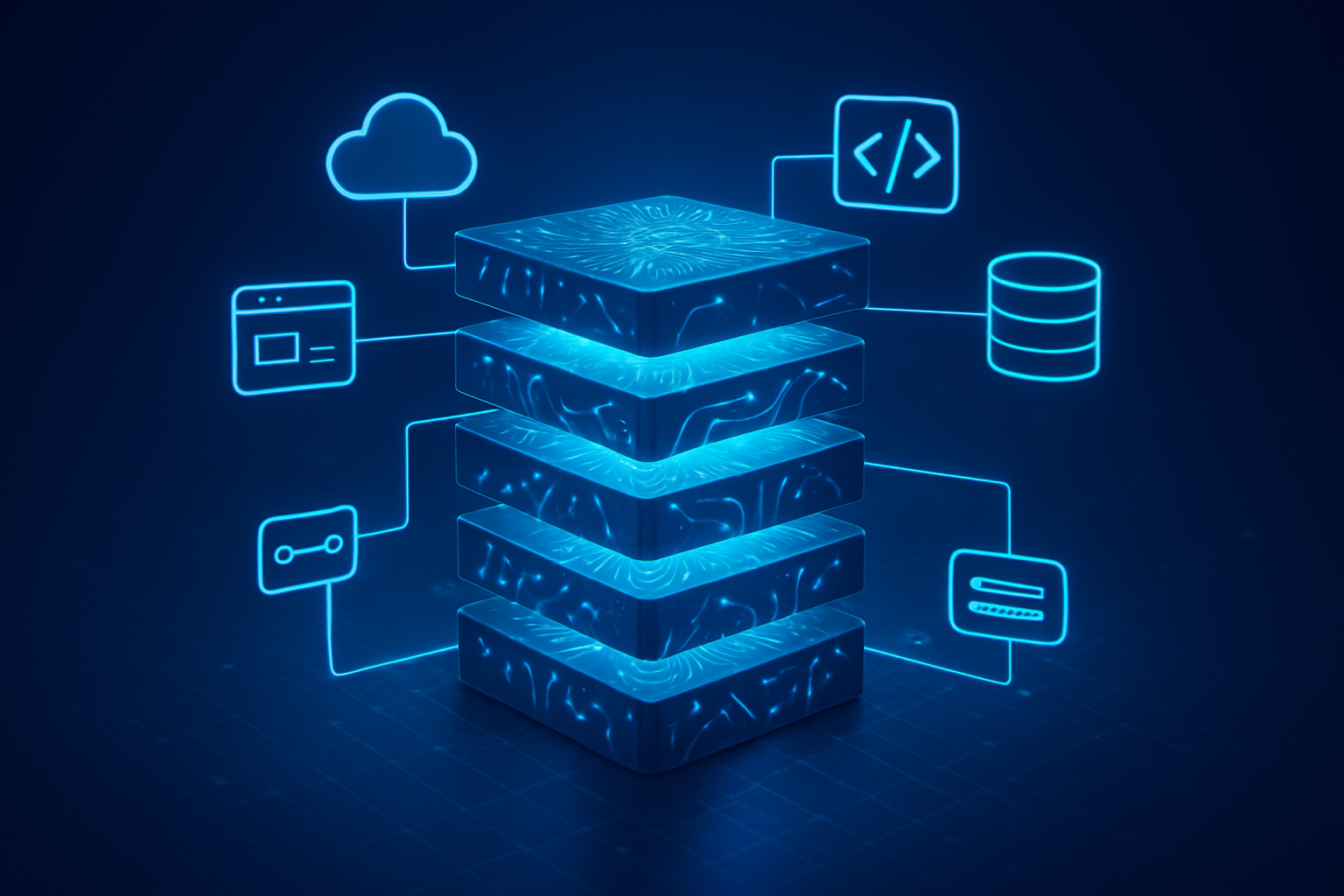
The technology stack implementation phase can make or break your digital transformation strategy. Smart platform selection starts with understanding your specific business requirements, scalability needs, and team expertise. Popular combinations like MEAN (MongoDB, Express, Angular, Node.js) or LAMP (Linux, Apache, MySQL, PHP) offer proven stability, while newer stacks like JAMstack provide enhanced performance for modern applications.
Consider factors like development speed, community support, and long-term maintenance costs when evaluating platforms. React and Vue.js dominate frontend development for their component-based architecture and rich ecosystems. For backend services, Node.js delivers excellent performance for real-time applications, while Python’s Django framework excels in data-heavy environments. The key lies in matching tools to your team’s skills and project requirements rather than chasing the latest trends.
Implementing cloud-native architectures for scalability
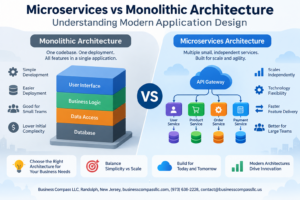
Cloud-native development fundamentally changes how we approach digital solution development. Instead of building monolithic applications that struggle under growth pressure, cloud-native architectures embrace distributed systems that scale automatically with demand.
Container technologies like Docker and orchestration platforms such as Kubernetes form the backbone of modern cloud-native strategies. These tools enable developers to package applications with their dependencies, ensuring consistent behavior across different environments while supporting horizontal scaling during peak usage periods.
Major cloud providers offer comprehensive platforms for rapid digital development:
| Platform | Strengths | Best For |
|---|---|---|
| AWS | Extensive service catalog, mature ecosystem | Enterprise applications |
| Azure | Strong Microsoft integration, hybrid capabilities | Corporate environments |
| Google Cloud | AI/ML services, developer-friendly tools | Data-driven applications |
Serverless computing takes cloud-native benefits even further by eliminating infrastructure management entirely. Functions-as-a-Service (FaaS) platforms like AWS Lambda or Azure Functions allow teams to focus purely on business logic while the cloud provider handles scaling, availability, and maintenance.
Utilizing low-code and no-code solutions for speed
Low-code and no-code platforms dramatically accelerate digital development timelines by reducing hand-coding requirements. These visual development environments enable business users to participate directly in the creation process while freeing developers to focus on complex integrations and custom functionality.
Platforms like Microsoft Power Platform, Salesforce Lightning, and OutSystems provide drag-and-drop interfaces for building applications, workflows, and data visualizations. Business teams can prototype ideas quickly, gather feedback, and iterate without waiting for development resources.
The speed advantages are compelling:
- Traditional development: 6-12 months for basic applications
- Low-code platforms: 2-6 weeks for similar functionality
- No-code solutions: Days to weeks for simple applications
However, these platforms work best for specific use cases. Internal business applications, workflow automation, and customer portals benefit most from low-code approaches. Complex algorithms, high-performance systems, and applications requiring extensive customization still need traditional coding approaches.
Integrating APIs and microservices for flexibility
API-first development and microservices architecture create the foundation for flexible, scalable digital solutions. Rather than building tightly coupled monolithic applications, microservices break functionality into independent, loosely connected services that communicate through well-defined APIs.
This architectural approach delivers several advantages for accelerating digital initiatives:
- Independent deployment: Teams can update individual services without affecting the entire system
- Technology diversity: Different services can use the most appropriate technology stack
- Fault isolation: Problems in one service don’t crash the entire application
- Team autonomy: Small teams can own and develop specific services independently
RESTful APIs remain the standard for most integrations, offering simplicity and broad compatibility. GraphQL provides more efficient data fetching for applications with complex data requirements. Event-driven architectures using message brokers like Apache Kafka enable real-time data processing and system synchronization.
Third-party API integration accelerates development by leveraging existing services for common functionality like payments (Stripe), communications (Twilio), or mapping (Google Maps). This approach reduces development time and maintenance overhead while providing enterprise-grade capabilities.
Ensuring security and compliance from the ground up
Security cannot be an afterthought in modern digital transformation process. DevSecOps practices integrate security controls throughout the development lifecycle, catching vulnerabilities early when they’re cheaper and easier to fix.
Essential security measures include:
- Identity and access management: Implementing OAuth 2.0 and OpenID Connect for secure authentication
- Data encryption: Protecting data at rest and in transit using industry-standard encryption
- API security: Rate limiting, input validation, and proper authentication for all endpoints
- Dependency scanning: Regular auditing of third-party libraries for known vulnerabilities
Compliance requirements like GDPR, HIPAA, or SOX must be considered from the initial design phase. Cloud providers offer compliance-ready services and frameworks that simplify meeting regulatory requirements. Automated compliance monitoring tools continuously check configurations against security standards, alerting teams to potential violations before they become problems.
Container security scanning, infrastructure as code security reviews, and automated penetration testing should be integrated into CI/CD pipelines. This proactive approach identifies security gaps early in the digital transformation methodology while maintaining development velocity.
Accelerating Implementation Through Agile Methodologies

Adopting Iterative Development Cycles for Faster Delivery
Sprint-based development transforms how organizations approach digital transformation execution. Instead of waiting months for a complete solution, teams deliver working features every two to four weeks. This approach breaks down complex digital initiatives into manageable chunks, allowing stakeholders to see tangible progress and make informed decisions quickly.
The beauty of iterative cycles lies in their ability to reduce risk while accelerating time-to-market. When teams focus on delivering a minimum viable product (MVP) first, they can test assumptions early and pivot when needed. Each sprint builds upon the previous one, creating a steady rhythm of improvement and refinement.
Cross-functional teams work together throughout each iteration, eliminating the traditional handoff delays between departments. Developers, designers, product managers, and business stakeholders collaborate daily, ensuring everyone stays aligned on priorities and objectives. This collaborative approach significantly reduces the miscommunication that often derails digital transformation projects.
Priority-driven backlogs ensure that the most valuable features get built first. Product owners work closely with stakeholders to rank features based on business impact, technical complexity, and user needs. This prioritization framework helps teams deliver maximum value in minimum time.
Creating Continuous Feedback Loops with Stakeholders
Regular stakeholder engagement becomes the cornerstone of successful agile digital development. Daily standups, sprint reviews, and retrospectives create multiple touchpoints where stakeholders can provide input and course corrections. These structured interactions prevent the disconnect that often occurs when development teams work in isolation.
User feedback integration happens at every stage of development. Rather than waiting for final delivery, stakeholders can interact with working prototypes and beta versions. This hands-on experience generates more actionable feedback than theoretical discussions about requirements documents.
Automated feedback collection tools streamline the process of gathering stakeholder input. Online surveys, in-app feedback widgets, and user analytics provide real-time insights into how digital solutions perform in practice. Teams can quickly identify pain points and address them in the next iteration.
Customer journey mapping exercises help stakeholders visualize the end-to-end experience. By walking through each touchpoint together, teams uncover hidden requirements and potential friction points before they become expensive problems to fix.
Implementing DevOps Practices for Seamless Deployment
Continuous integration and continuous deployment (CI/CD) pipelines automate the path from concept to code to production. Developers can push code changes multiple times per day, knowing that automated testing and deployment processes will catch issues before they reach users. This automation eliminates the bottlenecks that traditionally slow down digital transformation initiatives.
Infrastructure as code transforms how teams manage their technology environments. Instead of manually configuring servers and databases, everything gets defined in version-controlled templates. This approach ensures consistency across development, testing, and production environments while making it easy to scale resources up or down based on demand.
Monitoring and observability tools provide real-time visibility into application performance and user behavior. Teams can spot issues before users report them and make data-driven decisions about where to focus their optimization efforts. This proactive approach reduces downtime and improves user satisfaction.
Automated testing strategies ensure code quality while maintaining development velocity. Unit tests, integration tests, and end-to-end tests run automatically with every code change, catching bugs early when they’re cheaper to fix. Teams can confidently deploy new features knowing they haven’t broken existing functionality.
| DevOps Practice | Impact on Digital Transformation |
|---|---|
| Automated Deployment | Reduces deployment time from hours to minutes |
| Infrastructure as Code | Ensures consistent environments across all stages |
| Continuous Monitoring | Enables proactive issue resolution |
| Automated Testing | Maintains quality while increasing development speed |
Measuring Success and Optimizing Digital Initiatives

Establishing Key Performance Indicators for Digital Projects
Setting up the right metrics makes all the difference between digital transformation projects that deliver real value and those that miss the mark. Smart organizations focus on KPIs that align directly with business outcomes rather than just tracking technical metrics. Revenue growth, customer satisfaction scores, and operational efficiency gains tell the real story of digital transformation success.
The best approach combines leading indicators that predict future success with lagging indicators that measure actual results. For example, user adoption rates and feature utilization serve as early warning signs, while cost reduction and time-to-market improvements show long-term impact. Digital transformation strategy works best when teams track both technical performance metrics like system uptime and business metrics like customer lifetime value.
| KPI Category | Example Metrics | Measurement Frequency |
|---|---|---|
| Business Impact | Revenue growth, Cost reduction | Monthly/Quarterly |
| User Experience | Adoption rates, Satisfaction scores | Weekly/Monthly |
| Technical Performance | System uptime, Response time | Daily/Real-time |
| Process Efficiency | Cycle time, Error rates | Daily/Weekly |
Implementing Real-Time Monitoring and Analytics Systems
Modern digital transformation execution demands visibility into how systems perform the moment they go live. Real-time dashboards give teams immediate feedback on user behavior, system health, and business outcomes. This instant insight lets organizations course-correct quickly when things go wrong and double down on what’s working.
The technology stack implementation should include monitoring tools that capture everything from server performance to user interactions. Popular solutions like Google Analytics, New Relic, and Datadog provide comprehensive views of digital initiatives. Custom dashboards can pull data from multiple sources to create unified views that speak to different stakeholders – executives want business metrics while developers need technical details.
Automated alerts prevent small issues from becoming big problems. When key metrics dip below acceptable thresholds, the right people get notified immediately. This proactive approach to rapid digital development keeps projects on track and users happy.
Creating Continuous Improvement Processes for Ongoing Optimization
Digital transformation methodology thrives on constant refinement. The best organizations build improvement loops directly into their development cycles. Regular retrospectives, user feedback sessions, and data reviews become routine parts of the process rather than afterthoughts.
Agile digital development principles apply perfectly here. Teams should review performance data during sprint planning and retrospectives. User feedback gets prioritized in the product backlog alongside new features. A/B testing becomes standard practice for major changes, letting data drive decisions rather than opinions.
Documentation plays a crucial role in continuous improvement. When teams capture what worked, what didn’t, and why, future projects benefit from these lessons. Knowledge sharing sessions help spread successful practices across different teams and initiatives.
Scaling Successful Initiatives Across the Organization
Once digital solution development proves successful in one area, the challenge becomes replicating that success elsewhere. Smart scaling starts with identifying which elements of success transfer well to other contexts and which need customization for different departments or use cases.
Creating templates, playbooks, and reusable components accelerates the scaling process. If a customer service digital initiative increases satisfaction scores, the underlying technology stack and process improvements might work for sales or support teams too. However, each department has unique needs that require thoughtful adaptation rather than copy-and-paste approaches.
Change management becomes critical during scaling. Teams that weren’t involved in the original digital transformation process need proper training and support. Success stories and concrete benefits from early adopters help build momentum for broader organizational adoption.
The concept to code development approach that worked for pilot projects should evolve into a standardized methodology that can handle multiple concurrent initiatives. This might mean investing in shared platforms, common development frameworks, or centralized expertise that supports various business units.

Digital transformation isn’t just about adopting new technology—it’s about creating a clear path from your initial spark of an idea to a working solution that drives real business value. The journey requires understanding your current landscape, building solid strategic foundations, and choosing the right technology stack that can grow with your needs. When you combine these elements with agile development practices, you’re setting yourself up to move fast without breaking things.
The most successful digital transformations happen when organizations stop viewing change as a one-time project and start treating it as an ongoing process of evolution and optimization. Start small, measure everything, and don’t be afraid to pivot when the data tells you to. Your next breakthrough could be just one well-executed sprint away from changing how your entire business operates.