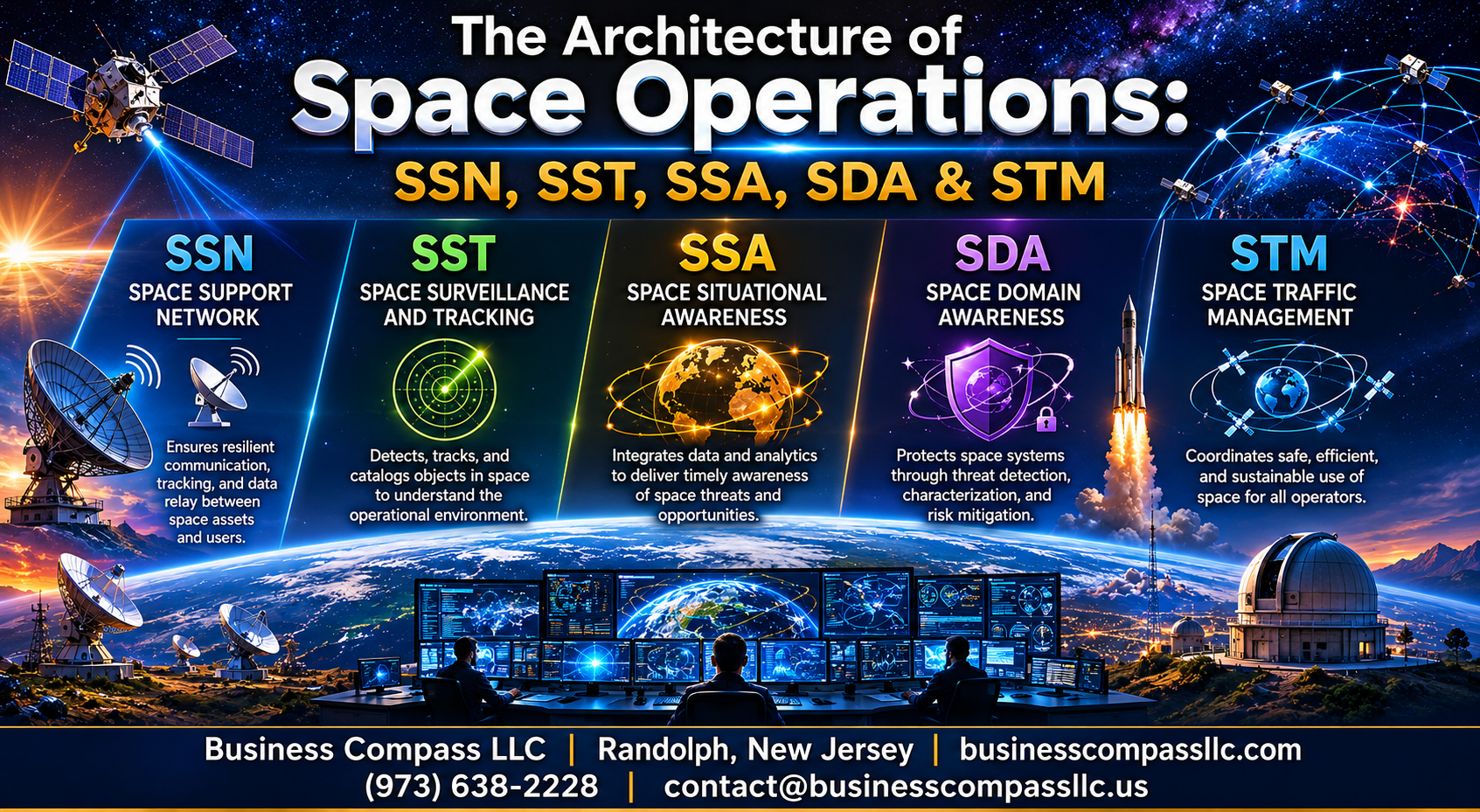
Space operations today depend on a complex web of surveillance and awareness systems that keep our satellites safe and space traffic organized. This guide breaks down the architecture of Space Operations for space industry professionals, defense contractors, government officials, and aerospace engineers who need to understand how Space Situational Awareness (SSA), Space Surveillance Networks (SSN), Space Domain Awareness (SDA), and Space Traffic Management (STM) work together.
We’ll explore how modern space surveillance technologies create a global monitoring network that tracks everything from active satellites to dangerous orbital debris. You’ll learn about the technical capabilities that make satellite tracking systems so effective at monitoring thousands of objects simultaneously. We’ll also cover how space security frameworks are evolving to handle the growing complexity of space operations management as more nations and companies launch missions.
The stakes are high – with over 34,000 tracked objects currently orbiting Earth and thousands more launches planned, understanding these interconnected systems isn’t just academic. It’s essential knowledge for anyone working in today’s rapidly expanding space economy.
Understanding Space Situational Awareness Fundamentals
Defining Space Domain Awareness and Its Critical Importance
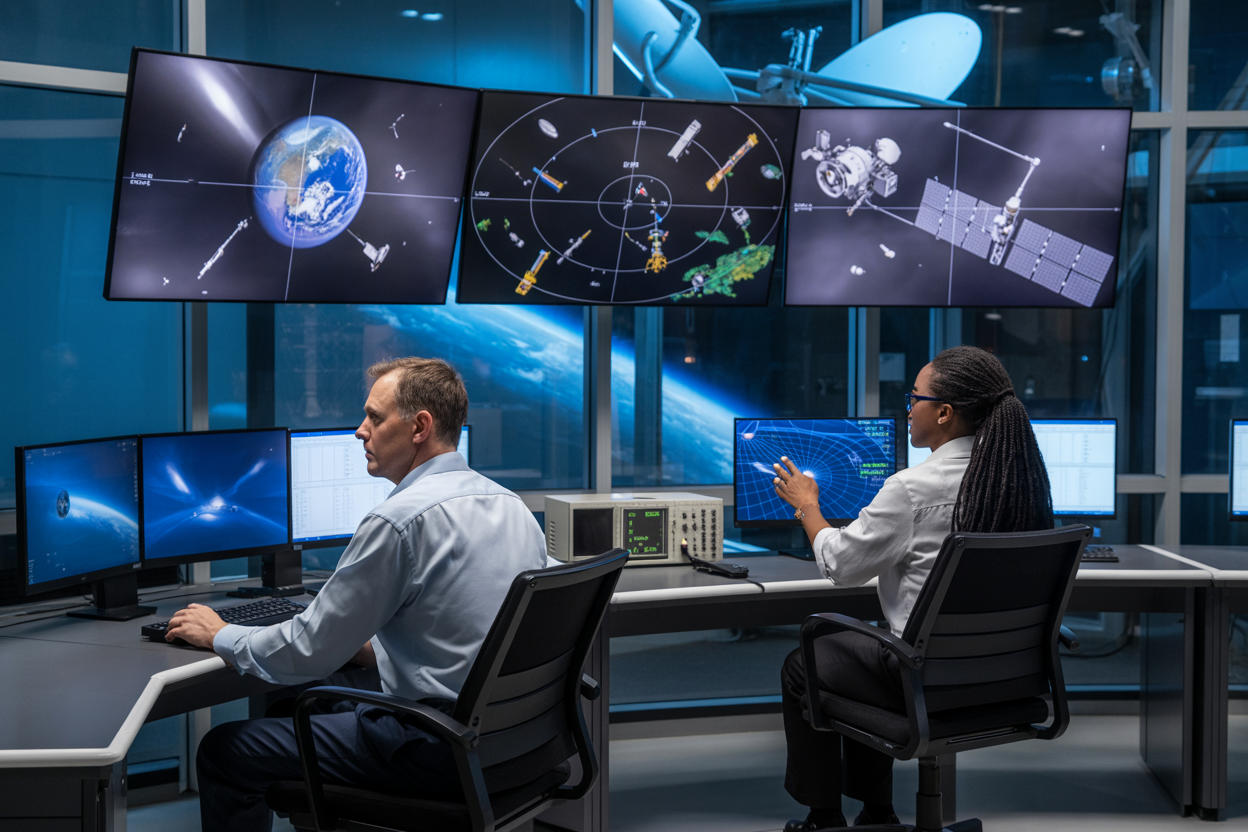
Space domain awareness represents the foundational capability to detect, track, and identify all objects operating in Earth’s orbital environment. This comprehensive understanding encompasses both natural phenomena like meteoroids and human-made objects including active satellites and orbital debris. Modern space operations depend entirely on this awareness to prevent collisions, protect valuable assets, and maintain secure communications networks that support everything from GPS navigation to weather forecasting.
How Space Surveillance Networks Monitor Orbital Objects
Space surveillance networks employ sophisticated radar systems, optical telescopes, and sensor arrays strategically positioned across the globe to maintain continuous watch over orbital space. These networks track objects as small as 10 centimeters in low Earth orbit, cataloging their positions, trajectories, and potential collision risks. Ground-based sensors work alongside space-based platforms to provide overlapping coverage, ensuring no critical object goes unmonitored in the increasingly crowded space environment.
Real-Time Tracking Capabilities for Enhanced Safety
Real-time satellite tracking systems process massive amounts of data to generate immediate alerts when objects deviate from predicted paths or when collision risks emerge. Advanced algorithms analyze orbital mechanics, atmospheric drag effects, and gravitational perturbations to predict future positions with remarkable accuracy. This instantaneous awareness allows operators to execute emergency maneuvers, protecting billions of dollars in space infrastructure from potentially catastrophic impacts.
Integration Benefits Across Multiple Space Operations
Integrated space surveillance technologies create synergistic benefits across military, commercial, and scientific space missions. Shared tracking data reduces operational costs while improving safety margins for all space users. Commercial satellite operators benefit from enhanced collision avoidance capabilities, while scientific missions gain improved orbital debris monitoring. This collaborative approach strengthens overall space security frameworks and supports sustainable space traffic management practices essential for future space exploration endeavors.
Space Surveillance Network Architecture and Capabilities
Global Sensor Network Distribution and Coverage
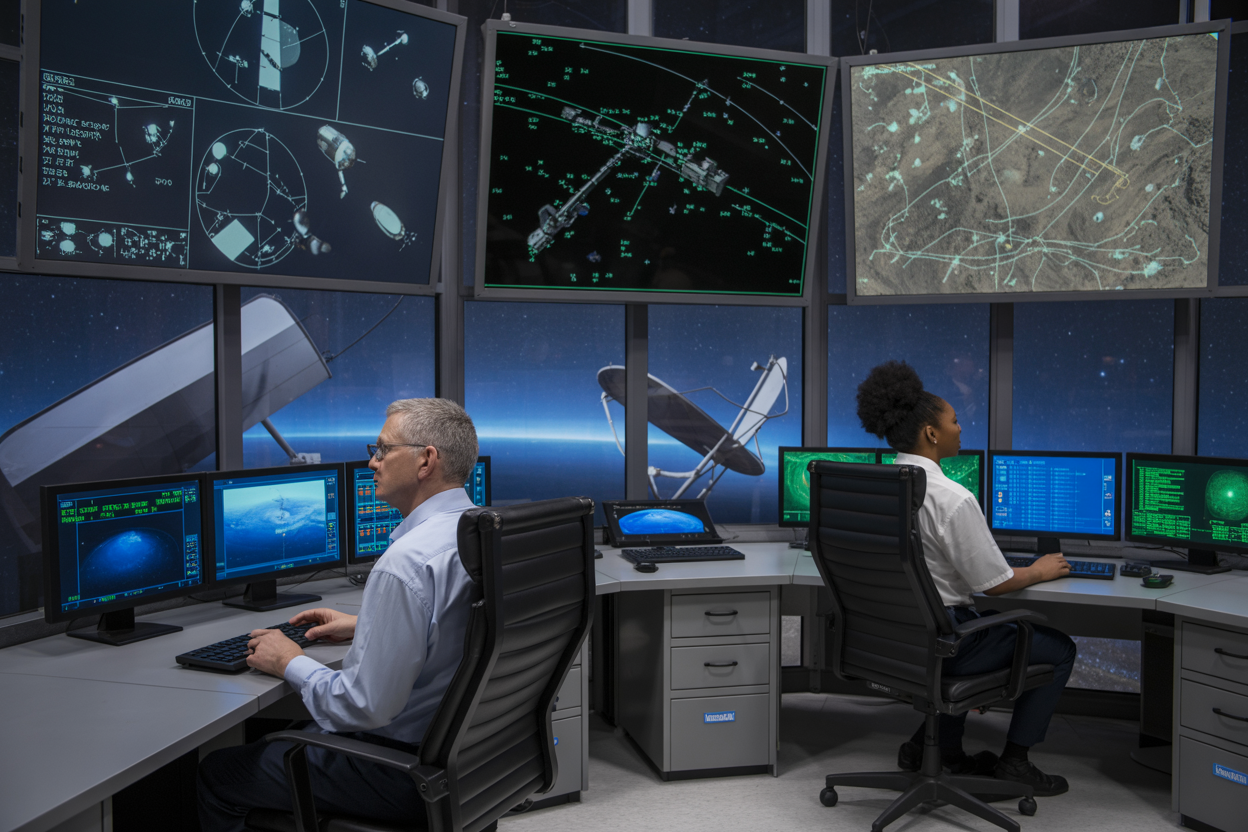
The space surveillance network spans across continents with strategically positioned sensors providing 24/7 orbital monitoring. This global architecture ensures continuous tracking of objects as they orbit Earth, with sensor stations distributed from the Arctic to Antarctica. Each facility covers specific orbital segments, creating overlapping zones that eliminate blind spots in space domain awareness.
Ground-Based Radar Systems for Precise Object Detection
Advanced radar installations form the backbone of space surveillance technologies, detecting objects as small as 10 centimeters in low Earth orbit. These systems use powerful transmitters and sensitive receivers to track satellites, space debris, and potential threats. The SSN architecture relies on phased array radars and mechanical tracking systems that provide precise orbital data for collision prediction and space traffic management decisions.
Optical Telescope Networks for Deep Space Monitoring
Sophisticated telescope arrays monitor geosynchronous orbits and deep space regions where radar coverage becomes limited. These optical systems excel at tracking objects in high orbits, using advanced CCD cameras and automated tracking algorithms. The network operates during clear nights, providing crucial data for satellite tracking systems and orbital debris monitoring in regions beyond radar range.
Data Processing Centers for Rapid Threat Assessment
Centralized processing facilities analyze millions of observations daily, correlating data from global sensors into actionable intelligence. These centers use machine learning algorithms and predictive modeling to assess collision risks and identify anomalous space activities. Real-time processing capabilities enable rapid threat assessment and timely warnings to satellite operators worldwide.
International Collaboration for Comprehensive Coverage
Global partnerships expand surveillance capabilities through data sharing agreements and coordinated monitoring efforts. Allied nations contribute sensor data and analytical resources, creating a comprehensive space situational awareness network that no single country could achieve alone. This collaborative approach strengthens space security frameworks and enhances collective understanding of the increasingly congested orbital environment.
Space Surveillance and Tracking Technologies

Advanced Radar Technologies for Improved Detection
Modern space surveillance networks rely heavily on sophisticated radar systems operating across multiple frequency bands. Ground-based radars like the Space Fence utilize S-band frequencies to detect objects as small as 5 centimeters in low Earth orbit, while phased array systems provide rapid beam steering capabilities for tracking multiple targets simultaneously. These advanced radar technologies enable continuous monitoring of orbital debris and active satellites, forming the backbone of global space surveillance operations.
Electro-Optical Sensors for Enhanced Visual Tracking
Space surveillance telescopes equipped with high-resolution CCD cameras capture precise optical measurements of space objects during darkness periods. These electro-optical sensors excel at determining object characteristics, orientation, and operational status through photometric analysis. Ground-based optical networks strategically positioned around the globe ensure comprehensive coverage, while adaptive optics systems compensate for atmospheric disturbances to achieve sub-arcsecond tracking accuracy.
Space-Based Surveillance Platforms for Continuous Monitoring
Satellite constellations dedicated to space domain awareness provide uninterrupted surveillance capabilities beyond ground-based limitations. These orbital platforms monitor geosynchronous regions where terrestrial sensors face geometric constraints, offering 24/7 coverage of critical space assets. Space-based sensors complement ground networks by tracking objects during daylight hours and detecting maneuvers in real-time, significantly enhancing overall space situational awareness coverage.
Machine Learning Integration for Pattern Recognition
Artificial intelligence algorithms process vast amounts of tracking data to identify anomalous behaviors and predict satellite maneuvers. Machine learning models analyze historical orbital patterns to distinguish between natural perturbations and deliberate spacecraft operations, improving threat assessment capabilities. These AI-driven systems automatically correlate observations from multiple sensors, reducing false alarms and enabling rapid response to potential collision scenarios or suspicious activities in space.
Space Domain Awareness Strategic Implementation
Military Applications for National Security Protection
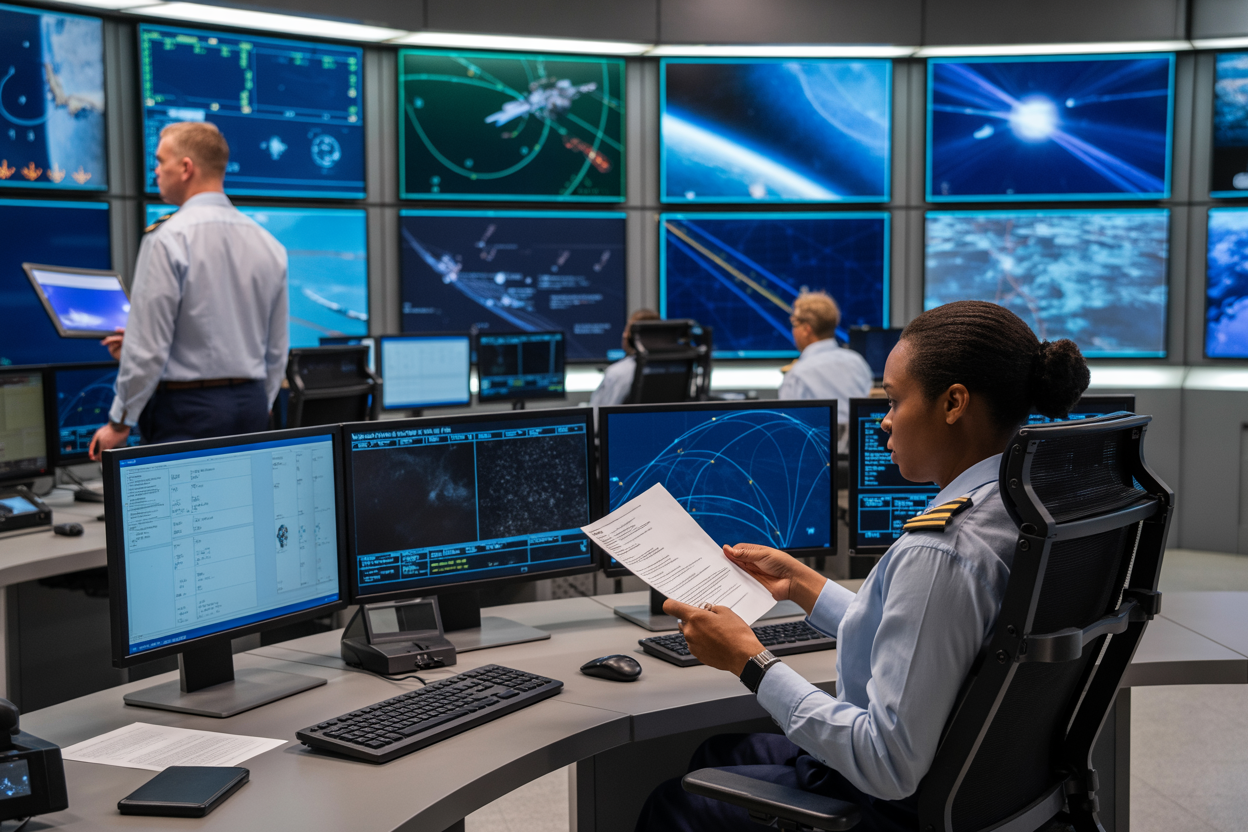
Defense organizations rely on space domain awareness to protect critical satellite infrastructure and maintain operational superiority. Advanced tracking systems monitor adversarial space activities, detect potential threats like anti-satellite weapons, and provide early warning capabilities. Military SSA operations coordinate with space surveillance networks to safeguard communication, navigation, and reconnaissance assets that support ground, air, and naval forces worldwide.
Commercial Space Asset Protection Strategies
Private space companies implement comprehensive protection frameworks using satellite tracking systems and orbital debris monitoring to safeguard their investments. These strategies include real-time collision avoidance maneuvers, insurance risk assessments, and coordination with international space traffic management authorities. Commercial operators share telemetry data with SSN architecture partners to enhance overall space security frameworks while protecting proprietary mission parameters and competitive advantages.
Scientific Mission Support and Data Sharing
Research institutions leverage space situational awareness data to optimize mission planning and protect valuable scientific instruments. International collaboration enables shared access to tracking information, improving orbital predictions for space telescopes, Earth observation satellites, and deep space missions. Space operations management centers coordinate data exchanges between civilian agencies, ensuring scientific missions receive timely threat assessments while contributing observational data back to global SSA networks for enhanced space security.
Space Traffic Management Framework Development
Collision Avoidance Systems for Satellite Protection
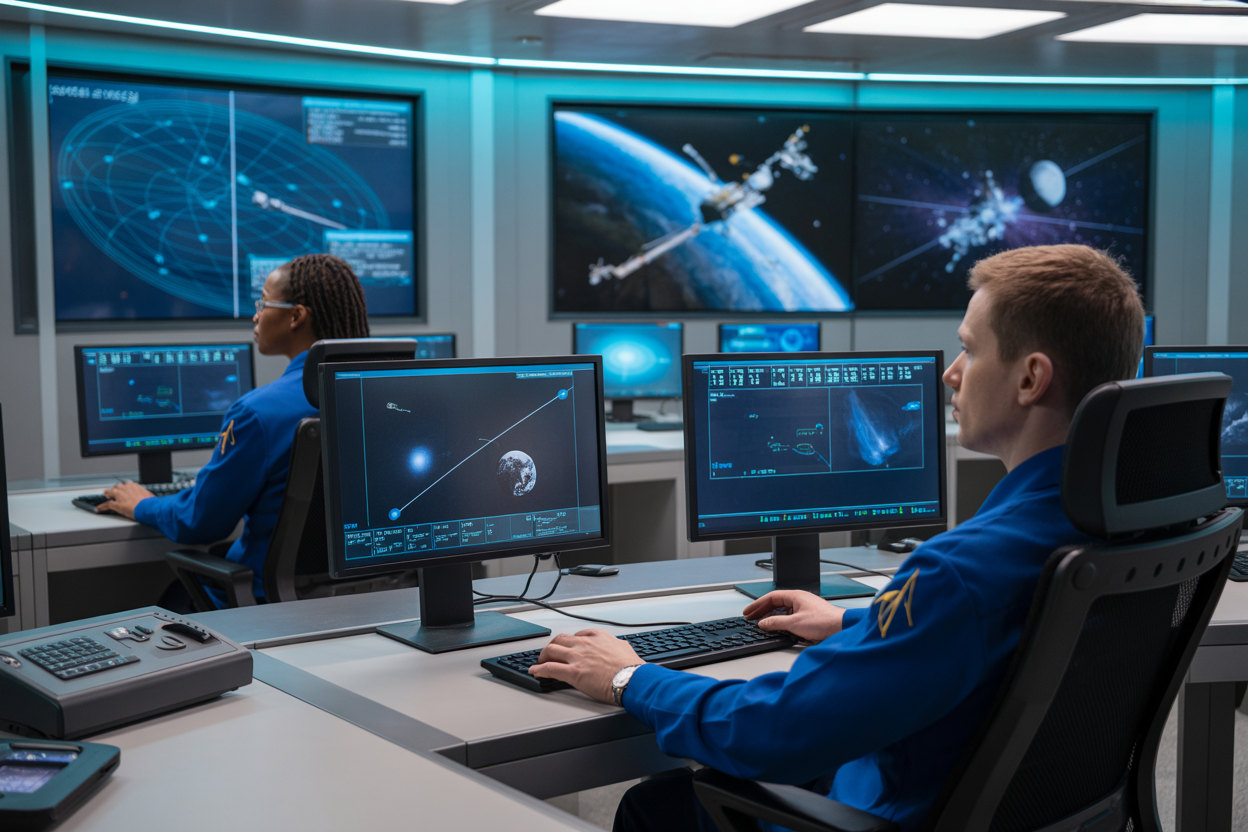
Space traffic management relies on sophisticated collision avoidance systems that continuously monitor orbital trajectories and predict potential conjunctions. These systems use advanced algorithms to calculate probability thresholds and automatically trigger avoidance maneuvers when satellites face imminent collision risks. Modern space surveillance networks integrate real-time tracking data with predictive modeling to ensure operators receive timely warnings, enabling critical decision-making for satellite protection protocols.
Orbital Debris Mitigation Strategies and Best Practices
Effective orbital debris monitoring requires comprehensive tracking of space objects larger than 10 centimeters, with emerging technologies pushing detection capabilities to smaller fragments. Best practices include post-mission disposal protocols, controlled deorbiting procedures, and adherence to 25-year orbital lifetime guidelines. Space operations management now mandates debris assessment reports and collision risk evaluations before mission approval.
International Standards for Safe Space Operations
Global space security frameworks establish standardized protocols for information sharing and coordination among space-faring nations. The Inter-Agency Space Debris Coordination Committee provides technical guidelines, while the UN Committee on Peaceful Uses of Outer Space develops binding international agreements. These standards create unified approaches to space domain awareness data exchange and collaborative threat assessment procedures.
Automated Alert Systems for Immediate Response
SSN architecture incorporates automated notification systems that deliver real-time alerts when conjunction analysis identifies potential collision scenarios. These systems prioritize alerts based on probability calculations, miss distance parameters, and operational criticality of affected assets. Satellite tracking systems automatically distribute warnings to relevant operators, enabling rapid response coordination and emergency maneuver execution within critical time windows.
Future Regulatory Framework Evolution
Emerging space traffic management regulations will likely mandate active debris removal capabilities and standardized orbital slot coordination mechanisms. Future frameworks may require space operators to contribute to shared surveillance infrastructure costs and implement autonomous collision avoidance technologies. Regulatory evolution focuses on creating enforceable international agreements that balance commercial space growth with sustainable orbital environment preservation, ensuring long-term viability of space operations.
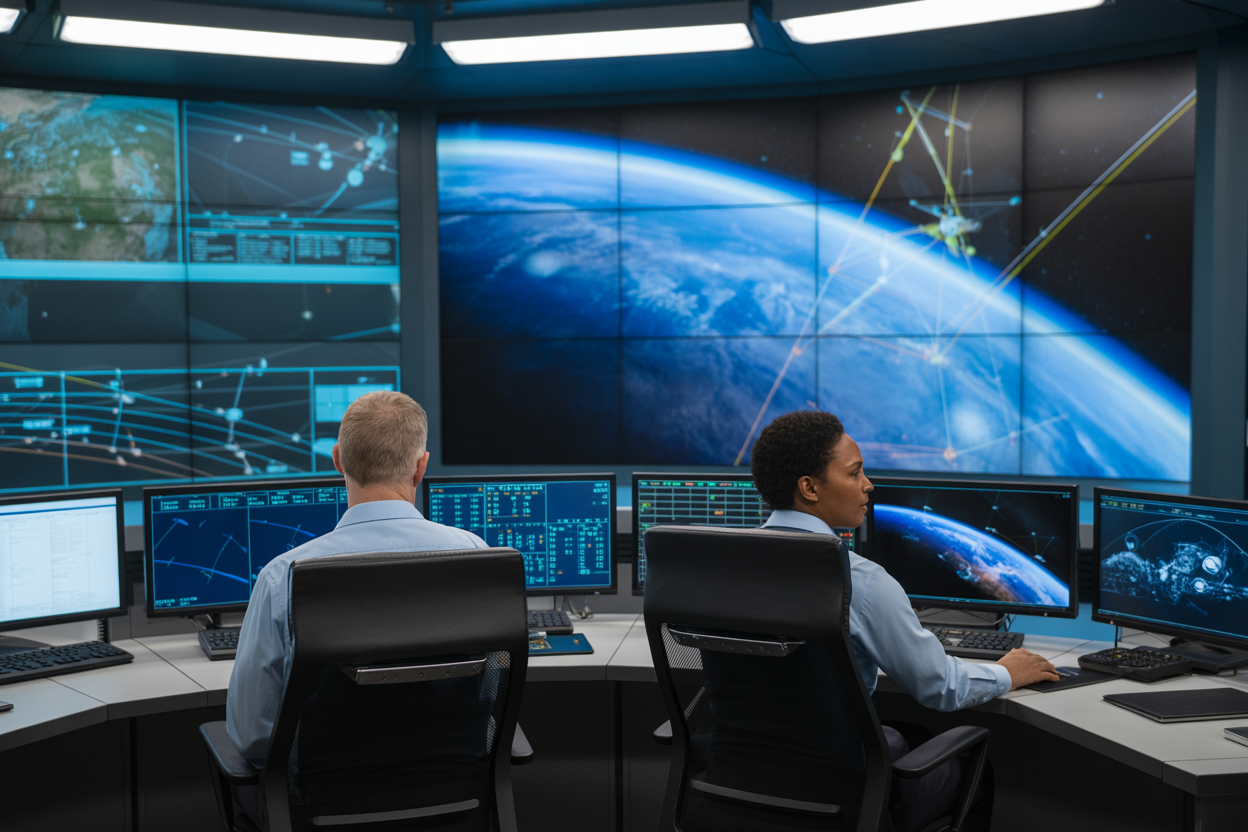
Space operations have evolved into a complex ecosystem that relies on interconnected systems working together to keep our orbital environment safe and functional. The Space Surveillance Network provides the backbone for tracking objects, while advanced surveillance and tracking technologies give us the eyes and ears we need to monitor everything happening above us. Space Domain Awareness takes this information and turns it into actionable intelligence that decision-makers can actually use.
The real game-changer is how Space Traffic Management brings all these pieces together into a coordinated framework. Just like air traffic control manages busy airports, STM helps prevent collisions and keeps satellites operating smoothly. As space gets more crowded with new launches every month, having these systems work as a team becomes absolutely critical. The future of space operations depends on continuing to improve how these different components communicate and share information with each other.