Deploying Highly Available Web Applications with AWS Elastic Beanstalk
Downtime kills user trust. One slow-loading page or a 502 error at the wrong moment can send your users straight to a competitor — and that’s a problem no developer wants to deal with.
This guide is for developers, DevOps engineers, and cloud architects who want to deploy web applications on AWS Elastic Beanstalk without losing sleep over outages, failed deployments, or runaway AWS bills.
Here’s what we’ll walk through together:
- How to architect for high availability using AWS Auto Scaling with Elastic Beanstalk so your app stays up even when things go wrong
- Elastic Beanstalk deployment strategies that minimize downtime, including rolling updates and blue/green deployments
- Monitoring and cost optimization — keeping your highly available cloud applications healthy without overspending
By the end, you’ll have a clear, practical blueprint for building AWS web application architecture that scales reliably and runs efficiently. No fluff, no jargon overload — just the stuff that actually matters.
Understanding High Availability and Why It Matters for Web Applications

High Availability for Web Applications
High availability means your app stays up and running — even when things break. Downtime costs money and kills user trust. Common culprits include server crashes, traffic spikes, and bad deployments. Track uptime using key metrics:
- Uptime percentage (target 99.9%+)
- Mean Time To Recovery (MTTR)
- Error rates
Getting Started with AWS Elastic Beanstalk

What Elastic Beanstalk Offers
AWS Elastic Beanstalk handles infrastructure so you focus on code. Upload your app, and it auto-provisions servers, load balancers, and scaling.
Supported Platforms
- Java, Python, Node.js, Ruby, PHP, .NET, Go, Docker
Quick Setup
- Create AWS account, attach AdministratorAccess IAM role, install EB CLI, run
eb init, theneb create.
Architecting for High Availability on Elastic Beanstalk

Leveraging Multiple Availability Zones to Eliminate Single Points of Failure
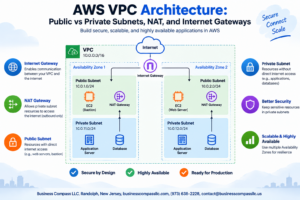
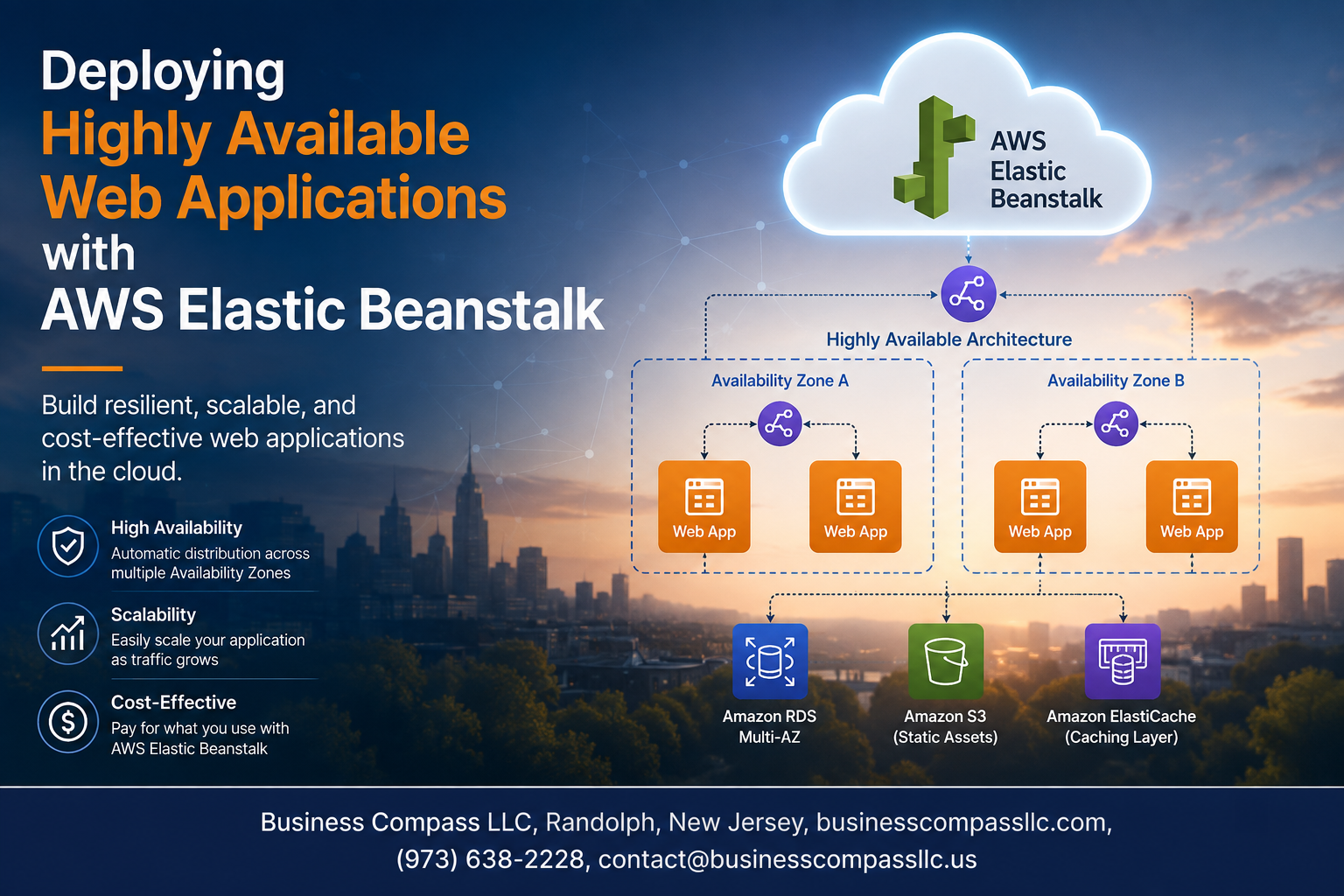
Deploy your Elastic Beanstalk environment across at least two AZs. Pair this with an Application Load Balancer, auto scaling groups, and Amazon RDS Multi-AZ for a resilient AWS web application architecture that handles traffic spikes, keeps instances healthy, and maintains a highly available database layer automatically.
Optimizing Deployment Strategies to Minimize Downtime

Rolling Deployments
Update instances in batches, keeping most of your app live during deploys.
Blue-Green Deployments
Swap between two identical environments for true zero-downtime releases — just shift traffic when ready.
Immutable Deployments
Fresh instances replace old ones, cutting rollback risk dramatically during updates.
Monitoring and Maintaining Application Health

Using Elastic Beanstalk Health Dashboards to Spot Issues Early
Check your Elastic Beanstalk monitoring dashboard daily — it color-codes instance health so problems jump out fast.
Setting Up Amazon CloudWatch Alarms for Proactive Alerting
- Trigger alerts on CPU spikes, latency, and error rates
Automating Log Management for Faster Troubleshooting
Stream logs to CloudWatch Logs automatically.
Conducting Regular Load Testing to Validate Availability Improvements
Run load tests monthly using tools like Locust.
Controlling Costs While Maintaining High Availability

Right-sizing, Spot Instances & Auto Scaling
Cost optimization AWS Elastic Beanstalk doesn’t mean cutting corners. Pick instance types matching your actual workload, sprinkle in spot instances for non-critical workers to slash bills by 70%, and let AWS auto scaling Elastic Beanstalk automatically shed idle capacity — keeping highly available cloud applications affordable without sacrificing reliability.

Building a highly available web application doesn’t have to be overwhelming. AWS Elastic Beanstalk takes a lot of the heavy lifting off your plate by handling the infrastructure side of things, so you can focus on what actually matters — your application. From setting up multi-AZ deployments and load balancing to picking the right deployment strategy and keeping a close eye on your app’s health, every decision you make plays a role in keeping your users happy and your application running smoothly.
The good news is that you don’t have to break the bank to get there. With the right auto-scaling policies, instance choices, and a bit of cost awareness built into your setup, high availability becomes something any team can realistically achieve. Start small if you need to, get comfortable with the basics, and build from there. Your users expect your app to be there when they need it — and now you have everything you need to make sure it is.