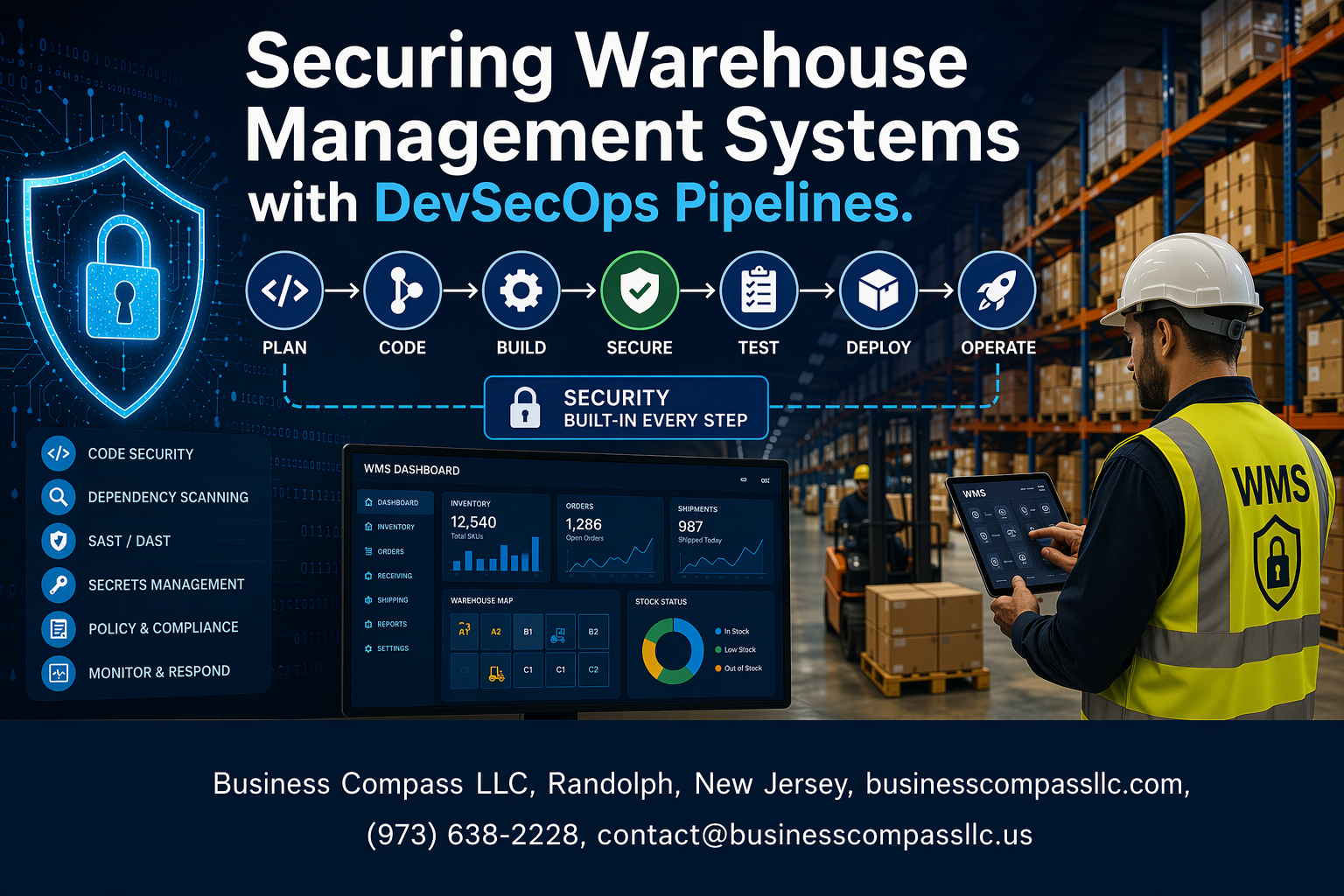
Securing Warehouse Management Systems with DevSecOps Pipelines
Warehouse management system security has become a critical concern as cyber threats target supply chain operations with increasing frequency. This guide is for IT security professionals, DevOps engineers, and warehouse technology managers who need practical strategies to protect their WMS infrastructure while maintaining operational efficiency.
Modern warehouses depend on interconnected systems that create multiple attack vectors for cybercriminals. Traditional security approaches often slow down development cycles and create friction between security and operations teams. DevSecOps pipeline implementation offers a solution by embedding security controls directly into your development workflow.
We’ll explore how to build a security-first development culture that gets your entire WMS team thinking about threats from day one. You’ll also learn to set up automated security testing DevOps processes that catch vulnerabilities before they reach production. Finally, we’ll cover continuous compliance monitoring techniques that keep your warehouse systems secure without disrupting daily operations.
The stakes are high – a single security breach can shut down warehouse operations, compromise customer data, and damage your company’s reputation. But with the right DevSecOps approach, you can strengthen your defenses while actually speeding up your development process.
Understanding Security Vulnerabilities in Warehouse Management Systems

Identifying Common Attack Vectors in WMS Infrastructure
Warehouse management system security faces unique challenges through multiple entry points that attackers exploit. Network vulnerabilities emerge from inadequate segmentation between operational technology and IT systems, while weak authentication protocols create easy access to critical inventory databases. WMS vulnerability assessment reveals that unsecured wireless connections, default passwords on scanning devices, and unpatched legacy software represent the most frequent attack vectors.
Assessing Data Breach Risks in Inventory and Supply Chain Operations
Customer data, supplier information, and proprietary inventory algorithms become prime targets when WMS systems lack proper encryption and access controls. Real-time inventory tracking generates massive data flows that, if compromised, expose entire supply chain operations to competitive intelligence theft. Organizations must evaluate how their warehouse cybersecurity solutions protect against insider threats and external breaches that could disrupt global logistics networks.
Evaluating Third-Party Integration Security Weaknesses
Modern warehouses rely heavily on external vendor connections for transportation management, order processing, and automated sorting systems. These integrations often bypass standard security protocols, creating blind spots in the overall security posture. API vulnerabilities and insecure data sharing agreements with logistics partners frequently become the weakest links in warehouse management system security, requiring continuous monitoring and validation.
Analyzing Real-Time Data Processing Vulnerabilities
High-speed data processing requirements in modern warehouses can override security checks, creating windows of opportunity for malicious actors. Stream processing systems that handle barcode scanning, RFID tracking, and automated picking operations often prioritize speed over security validation. This creates race conditions where malformed data packets or injection attacks can compromise entire warehouse operations during peak processing periods.
Building Security-First Development Culture for WMS Teams

Implementing Security Training Programs for Development Teams
WMS development teams need regular security training that goes beyond basic cybersecurity awareness. Interactive workshops covering OWASP Top 10 vulnerabilities, threat modeling sessions, and hands-on exercises with warehouse-specific attack scenarios create deeper understanding. Training modules should address API security, database protection, and supply chain attack vectors that target warehouse management system security.
Establishing Security Requirements in WMS Feature Development
Security requirements must become part of every feature specification before coding begins. Define threat models for inventory tracking functions, user authentication workflows, and data integration points with external systems. Security-first development culture emerges when teams consistently evaluate potential vulnerabilities during design phases and implement protective measures as core functionality rather than afterthoughts.
Creating Secure Coding Standards for Warehouse Applications
Warehouse applications demand specific coding standards that address real-time data processing and integration challenges. Establish guidelines for secure API development, input validation protocols, and encrypted data transmission between warehouse systems. Code review checklists should include authentication mechanisms, authorization controls, and logging practices that support both operational efficiency and comprehensive security monitoring across all warehouse management functions.
Integrating Automated Security Testing in DevSecOps Workflows

Implementing Static Application Security Testing (SAST) in Code Repositories
Integrating SAST tools directly into your WMS development workflow catches security issues before they reach production. Popular solutions like SonarQube, Checkmarx, and Veracode scan source code automatically during pull requests, identifying vulnerabilities such as SQL injection risks and insecure data handling patterns common in warehouse management system security implementations.
Configure SAST scanning to run on every commit, blocking deployments when critical vulnerabilities are detected. This automated security testing DevOps approach ensures your WMS codebase maintains security standards without manual intervention.
Deploying Dynamic Application Security Testing (DAST) for Runtime Protection
DAST tools like OWASP ZAP and Burp Suite Enterprise test running WMS applications by simulating real-world attacks against web interfaces and APIs. These scans detect runtime vulnerabilities that static analysis might miss, including authentication bypasses and session management flaws that could compromise warehouse operations.
Schedule DAST scans during off-peak hours or in staging environments that mirror production setups. Automated reporting integrates findings directly into your DevSecOps pipeline implementation, enabling rapid remediation cycles.
Configuring Infrastructure as Code Security Scanning
Infrastructure scanning tools such as Checkov, Terrascan, and AWS Config validate your WMS infrastructure configurations against security benchmarks. These tools catch misconfigurations like exposed storage buckets, overprivileged IAM roles, and unencrypted databases that could expose sensitive warehouse data.
Embed infrastructure scanning into CI/CD pipelines to review terraform plans and CloudFormation templates before deployment. This proactive approach prevents security gaps in your warehouse cybersecurity solutions from reaching production environments.
Setting Up Dependency Vulnerability Monitoring
Third-party libraries and dependencies represent significant attack vectors in WMS applications. Tools like Snyk, WhiteSource, and GitHub Dependabot continuously monitor your dependency trees, alerting teams to newly discovered vulnerabilities in packages your warehouse management systems rely upon.
Configure automatic dependency updates for low-risk patches while requiring manual review for major version changes. This balanced approach maintains system stability while reducing exposure to known security threats.
Establishing Container Security Scanning Protocols
Container scanning tools like Twistlock, Aqua Security, and Clair examine Docker images for known vulnerabilities, malware, and compliance violations before deployment. These scans cover base images, application layers, and configuration settings that could compromise your containerized WMS components.
Implement scanning at multiple stages: during image builds, in registries, and at runtime. This multi-layered approach ensures containers remain secure throughout their lifecycle in your supply chain security automation framework.
Implementing Continuous Compliance Monitoring for WMS Operations

Automating Regulatory Compliance Checks in Deployment Pipelines
Building automated compliance validation directly into your DevSecOps pipeline transforms regulatory adherence from a manual bottleneck into a seamless workflow component. Modern warehouse management system security demands real-time verification of industry standards like SOX, GDPR, and FDA regulations through policy-as-code frameworks that scan configurations, data handling procedures, and access controls before deployment.
Monitoring Data Privacy Requirements for Warehouse Operations
Continuous compliance monitoring for warehouse systems requires automated tracking of sensitive inventory data, customer information, and supplier details across all WMS components. Deploy privacy scanning tools that identify PII exposure risks, validate data encryption standards, and ensure proper data retention policies are enforced throughout your supply chain security automation processes.
Tracking Security Policy Adherence Across WMS Components
Real-time security policy monitoring creates visibility into configuration drift, unauthorized access attempts, and compliance violations across distributed warehouse environments. Implement dashboard-driven oversight that correlates security events with business operations, enabling rapid response to policy breaches while maintaining operational efficiency and supporting DevSecOps pipeline implementation goals.
Optimizing Security Performance Without Compromising WMS Speed

Balancing Security Checks with Deployment Velocity Requirements
Modern warehouse management system security depends on smart checkpoints that don’t slow down critical operations. Smart teams use risk-based security scanning that focuses intensive checks on high-impact code changes while allowing routine updates to flow through faster validation paths. This approach maintains robust DevSecOps pipeline implementation without creating bottlenecks that delay essential warehouse system updates.
Security gates work best when they match the urgency of different deployment types. Emergency patches for critical warehouse operations need streamlined security validation, while major feature releases can handle comprehensive security assessments. Teams achieve this balance by creating tiered security workflows that automatically route deployments based on change complexity and business impact.
Implementing Parallel Security Testing to Reduce Pipeline Duration
Parallel security testing transforms warehouse management system security from a sequential bottleneck into concurrent validation streams. Static code analysis, dependency scanning, and infrastructure security checks run simultaneously rather than waiting in queue. This parallel approach cuts pipeline duration by 60-70% while maintaining comprehensive coverage of potential vulnerabilities.
Container security scanning and dynamic application testing execute alongside unit tests and integration checks. Teams configure their DevSecOps workflows to trigger multiple security tools concurrently, with results aggregating into unified dashboards. This strategy ensures thorough warehouse cybersecurity solutions without extending deployment windows that could impact supply chain operations.
Prioritizing Critical Security Issues for Faster Resolution
Smart prioritization separates security noise from genuine threats that could compromise warehouse operations. Automated security testing DevOps tools now include risk scoring that considers exploit probability, asset criticality, and potential business impact. High-severity vulnerabilities affecting authentication systems or database access get immediate attention, while low-impact issues enter standard remediation queues.
Security teams create escalation matrices that align with warehouse operational priorities. Critical vulnerabilities in order processing or inventory management systems trigger immediate fixes, while cosmetic security improvements wait for scheduled maintenance windows. This approach keeps security-first development culture focused on protecting core warehouse management system security without overwhelming development teams.
Creating Security Gates That Support Rapid WMS Updates
Effective security gates act as intelligent filters rather than rigid barriers in DevSecOps pipeline implementation. These gates use automated decision trees that evaluate security scan results against predefined risk thresholds. Low-risk changes pass through automatically, while high-risk modifications trigger manual security reviews or additional testing requirements.
Gates integrate with existing warehouse management workflows through API connections and webhook notifications. When security issues surface, the system provides clear remediation guidance and links to approved security patterns. This approach maintains rapid deployment cycles essential for warehouse operations while ensuring continuous compliance monitoring catches potential threats before they reach production environments.
Measuring and Improving DevSecOps Pipeline Effectiveness

Establishing Key Performance Indicators for WMS Security
Security metrics drive meaningful improvements in warehouse management system security. Track deployment frequency of security patches, time between vulnerability discovery and remediation, and percentage of security tests passing in your DevSecOps pipeline implementation. Monitor security scan coverage across WMS components, including inventory management modules, user authentication systems, and API endpoints. Effective KPIs also measure security debt reduction rates and compliance score trends for warehouse cybersecurity solutions.
Tracking Mean Time to Remediation for Security Vulnerabilities
MTTR measurement reveals how quickly your team responds to WMS vulnerability assessment findings. Break down remediation times by vulnerability severity – critical flaws should resolve within hours while medium-risk issues can take days. Track both automated patching success rates and manual intervention requirements. This data helps optimize your automated security testing DevOps workflows and identifies bottlenecks in your security response process.
Monitoring False Positive Rates in Automated Security Testing
False positives waste developer time and erode trust in security tools. Monitor alert accuracy across different scanning tools in your DevSecOps pipeline, aiming for false positive rates below 10%. Track which security tests generate the most noise and fine-tune configurations accordingly. Regular calibration of security scanning tools ensures your continuous compliance monitoring remains effective without overwhelming development teams with irrelevant alerts.

Warehouse management systems face real security threats that can shut down operations and expose sensitive data. Building a security-first mindset across your WMS development team creates the foundation for protection, while automated testing catches vulnerabilities before they reach production. Continuous monitoring keeps your systems compliant and secure around the clock.
The key is finding the sweet spot where security doesn’t slow down your warehouse operations. When you measure your DevSecOps pipeline performance regularly, you can fine-tune the balance between speed and protection. Start implementing these practices gradually – pick one area like automated testing and build from there. Your warehouse operations depend on systems that are both fast and secure, and DevSecOps pipelines give you exactly that combination.