Automating Infrastructure and Code with Cursor Agent: A Complete Guide
Cursor agent automation is changing how development teams handle infrastructure as code and automated code deployment. This guide is for DevOps engineers, software developers, and IT professionals who want to streamline their development workflows and reduce manual infrastructure management tasks.
Manual infrastructure setup and code deployment eat up valuable time that could be spent building features. Cursor Agent offers a powerful solution for infrastructure automation tools that can transform your team’s productivity. You’ll learn practical cursor agent setup steps, discover proven code automation best practices, and see real examples of automated development workflows in action.
We’ll walk through cursor agent implementation from the ground up, covering everything from basic configuration to advanced automation strategies. You’ll also discover how infrastructure monitoring automation can catch issues before they impact users, plus proven methods for measuring the ROI from your automation efforts.
Understanding Cursor Agent’s Infrastructure Automation Capabilities
Core Features That Streamline Infrastructure Management
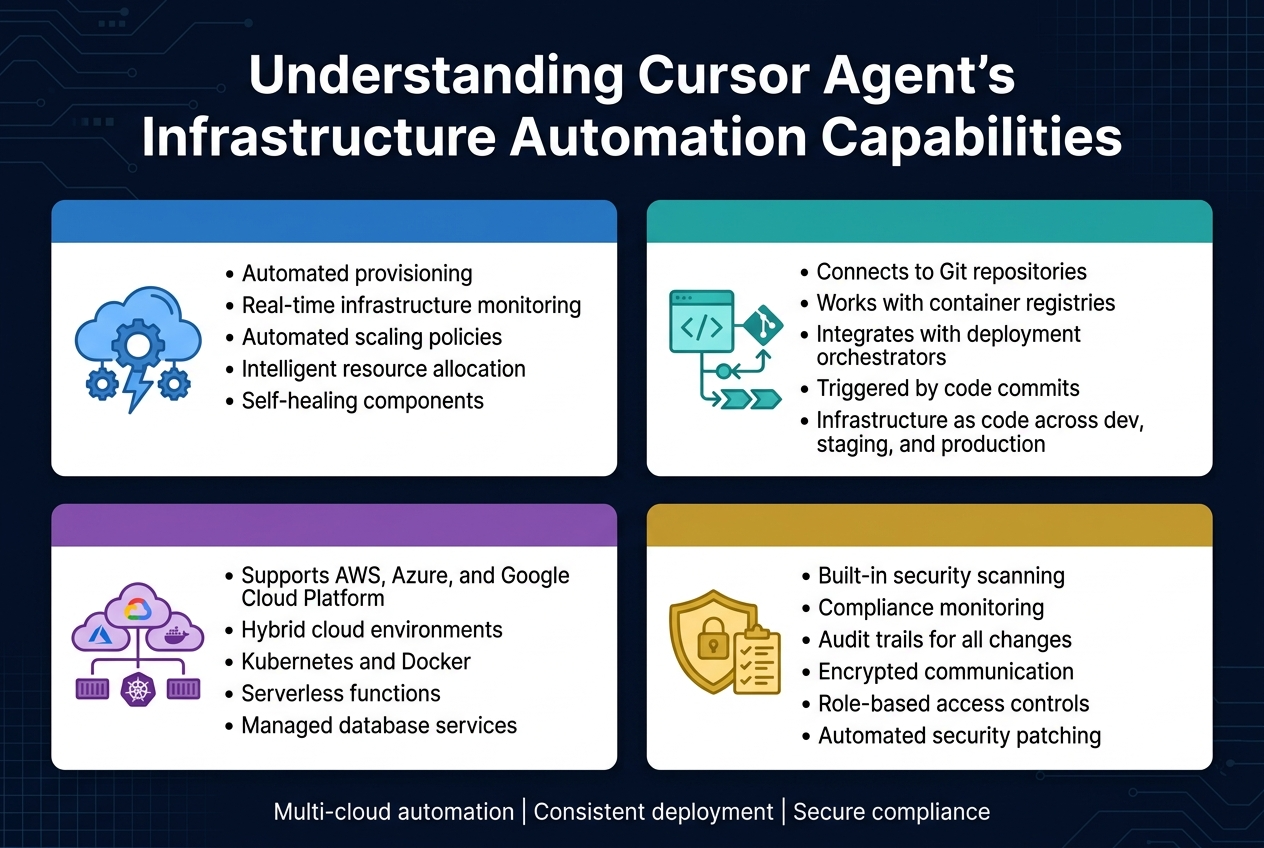
Cursor agent automation transforms traditional infrastructure management through intelligent code analysis and automated provisioning workflows. The platform provides real-time infrastructure monitoring automation, enabling teams to deploy resources with minimal manual intervention. Key features include automated scaling policies, intelligent resource allocation, and self-healing infrastructure components that respond to changing workload demands without human oversight.
Integration Possibilities with Existing Development Workflows
Seamless integration with popular CI/CD pipelines allows cursor agent setup to enhance existing devops automation practices. The platform connects directly with Git repositories, container registries, and deployment orchestrators, creating unified automated development workflows. Teams can trigger infrastructure changes through code commits, enabling true infrastructure as code practices that maintain consistency across development, staging, and production environments.
Supported Cloud Platforms and Services
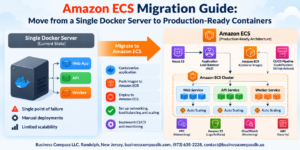
Cursor agent implementation supports major cloud providers including AWS, Azure, Google Cloud Platform, and hybrid cloud environments. The platform offers native integrations with Kubernetes, Docker containers, serverless functions, and managed database services. Multi-cloud deployment capabilities ensure vendor flexibility while maintaining standardized automation processes across different infrastructure automation tools and cloud-native services.
Security and Compliance Benefits
Built-in security scanning and compliance monitoring protect infrastructure deployments through automated vulnerability assessments and policy enforcement. The platform maintains audit trails for all infrastructure changes, supporting regulatory requirements and governance frameworks. Encrypted communication channels, role-based access controls, and automated security patching reduce manual security overhead while ensuring consistent compliance across automated code deployment pipelines.
Setting Up Cursor Agent for Code Automation
Installation and Initial Configuration Requirements
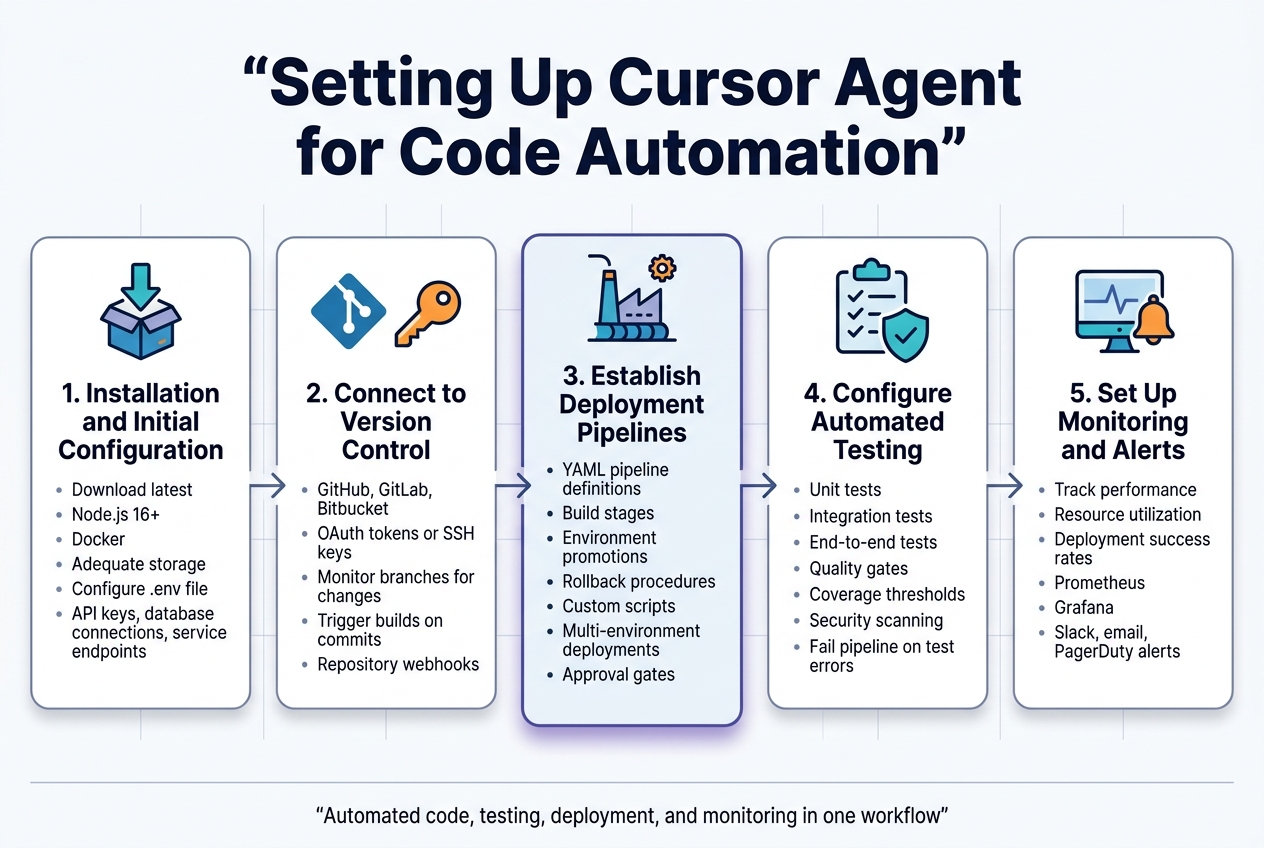
Cursor Agent setup begins with downloading the latest release from the official repository and ensuring your system meets the minimum requirements: Node.js 16+, Docker, and adequate storage for deployment artifacts. The cursor agent automation platform requires specific environment variables including API keys, database connections, and service endpoints configured through the .env file or your preferred secrets management system.
Connecting to Version Control Systems
Integration with Git repositories forms the backbone of automated development workflows. Configure OAuth tokens or SSH keys for seamless access to GitHub, GitLab, or Bitbucket repositories. The agent monitors designated branches for changes, automatically triggering build processes when commits are detected. Repository webhooks enable real-time synchronization, ensuring your cursor agent implementation responds immediately to code updates.
Establishing Deployment Pipelines
Pipeline configuration defines the automated path from code commit to production deployment. Create YAML-based pipeline definitions specifying build stages, environment promotions, and rollback procedures. Each stage can include custom scripts, dependency installations, and artifact generation. The infrastructure automation tools within Cursor Agent support multi-environment deployments with approval gates and automatic rollback capabilities for failed deployments.
Configuring Automated Testing Protocols
Automated testing protocols ensure code quality before deployment reaches production environments. Configure unit tests, integration tests, and end-to-end testing suites to run automatically during pipeline execution. Test results determine pipeline progression, with failures halting deployment and triggering notifications. Quality gates can enforce coverage thresholds and security scanning requirements as part of your devops automation strategy.
Setting Up Monitoring and Alerts
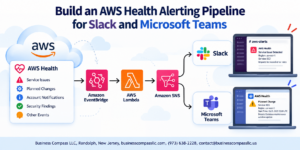
Infrastructure monitoring automation tracks application performance, resource utilization, and deployment success rates. Configure alert rules for critical metrics like response times, error rates, and system resource consumption. Integration with monitoring platforms like Prometheus, Grafana, or cloud-native solutions provides comprehensive visibility. Alert channels including Slack, email, and PagerDuty ensure teams receive immediate notification of issues requiring attention.
Implementing Infrastructure as Code with Cursor Agent
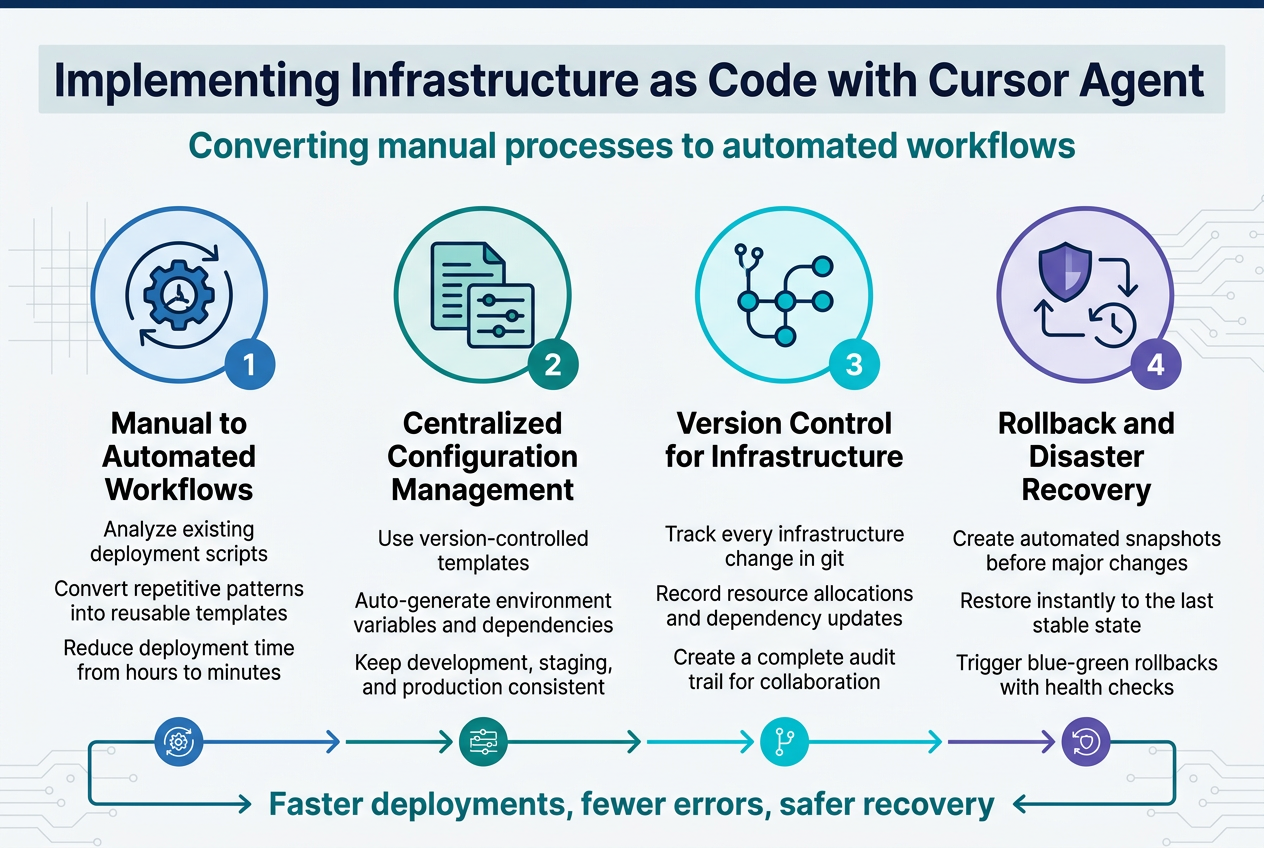
Converting manual processes to automated workflows
Cursor agent automation transforms time-consuming manual infrastructure tasks into streamlined automated workflows. By analyzing existing deployment scripts and configuration processes, teams can identify repetitive patterns and convert them into reusable automation templates. This shift eliminates human error while significantly reducing deployment times from hours to minutes.
Managing configuration files and templates
Effective infrastructure as code relies on centralized configuration management through version-controlled templates. Cursor agent implementation enables dynamic template generation based on environment requirements, automatically updating variables and dependencies. Teams can maintain separate configurations for development, staging, and production environments while ensuring consistency across all deployments through standardized template structures.
Version control for infrastructure changes
Infrastructure monitoring automation becomes seamless when every infrastructure change gets tracked through git-based version control systems. Automated development workflows capture configuration modifications, resource allocations, and dependency updates as discrete commits. This approach provides complete audit trails and enables team collaboration on infrastructure changes just like traditional code development processes.
Rollback strategies and disaster recovery
DevOps automation requires robust rollback mechanisms to handle failed deployments and unexpected infrastructure issues. Cursor agent setup includes automated snapshot creation before major changes, enabling instant restoration to previous stable states. Teams can implement blue-green deployment strategies and automated health checks that trigger immediate rollbacks when performance metrics fall below acceptable thresholds.
Advanced Automation Strategies and Best Practices
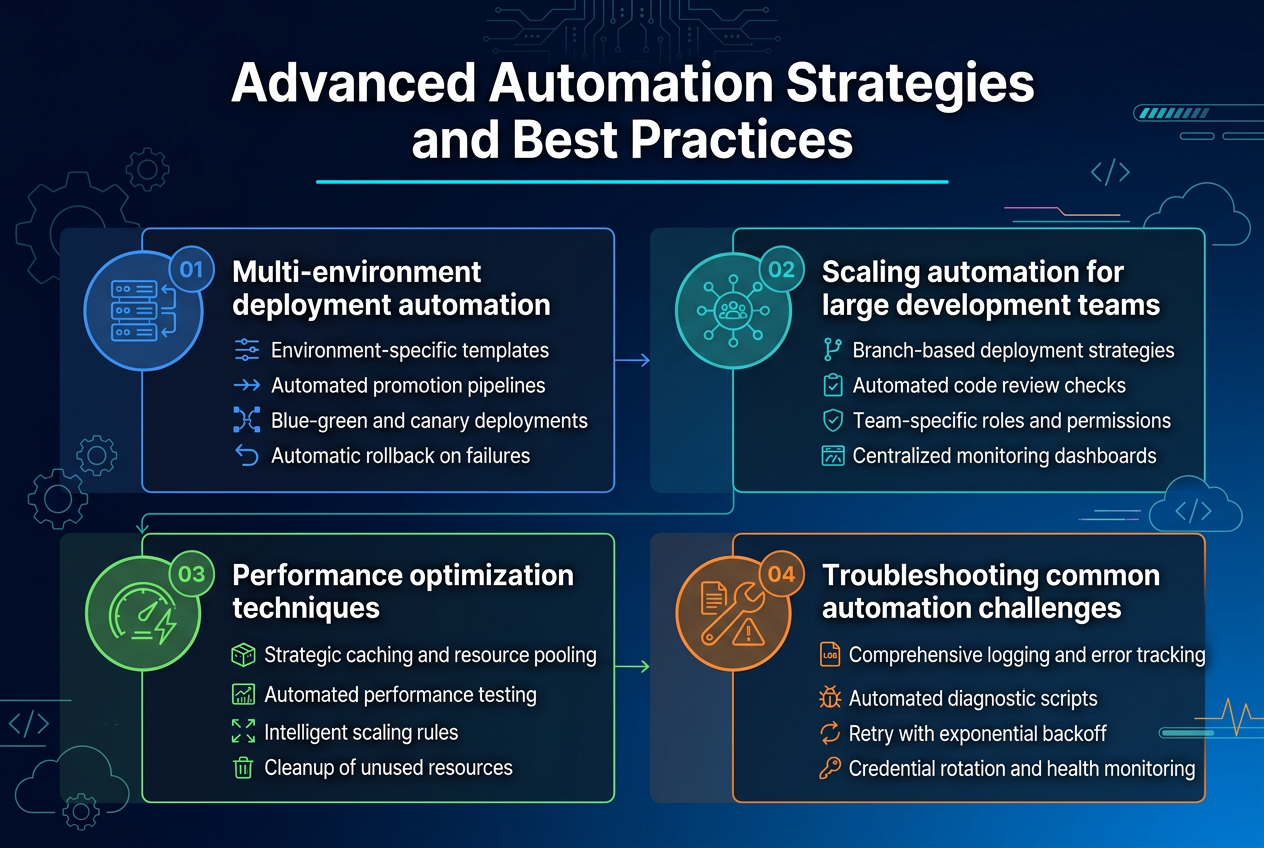
Multi-environment deployment automation
Managing deployments across development, staging, and production environments becomes seamless with cursor agent automation strategies. Create environment-specific configuration templates that automatically adjust parameters, secrets, and resource allocations based on target environments. Set up automated promotion pipelines that trigger deployments after successful testing phases, reducing manual intervention and human error.
Deploy blue-green and canary deployment patterns through automated workflows that monitor application health metrics. Configure rollback mechanisms that automatically revert changes when performance thresholds are exceeded or error rates spike beyond acceptable limits.
Scaling automation for large development teams
Large teams require sophisticated automation orchestration to prevent conflicts and maintain code quality. Implement branch-based deployment strategies where cursor agent automation handles parallel development streams without interference. Create automated code review processes that enforce coding standards and security policies before merge operations.
Establish team-specific automation roles and permissions that allow different groups to manage their infrastructure components independently. Set up centralized monitoring dashboards that provide visibility into all team activities while maintaining isolation between project environments.
Performance optimization techniques
Optimize cursor agent implementation through strategic caching mechanisms and resource pooling. Configure automated performance testing that runs during deployment cycles, catching bottlenecks before they reach production. Implement intelligent scaling rules that adjust infrastructure resources based on application demand patterns and historical usage data.
Fine-tune automation workflows by analyzing execution times and identifying redundant operations. Set up automated cleanup processes that remove unused resources and temporary files, keeping environments lean and responsive while reducing operational costs.
Troubleshooting common automation challenges
Debug failed automation runs by implementing comprehensive logging and error tracking systems within your cursor agent setup. Create automated diagnostic scripts that capture system state information when failures occur, making troubleshooting faster and more effective. Build retry mechanisms with exponential backoff to handle transient network issues and temporary service unavailability.
Address permission and authentication issues by setting up automated credential rotation and validation checks. Configure health monitoring that proactively identifies potential problems before they cause automation failures, sending alerts to development teams with actionable remediation steps.
Measuring Success and ROI from Cursor Agent Implementation
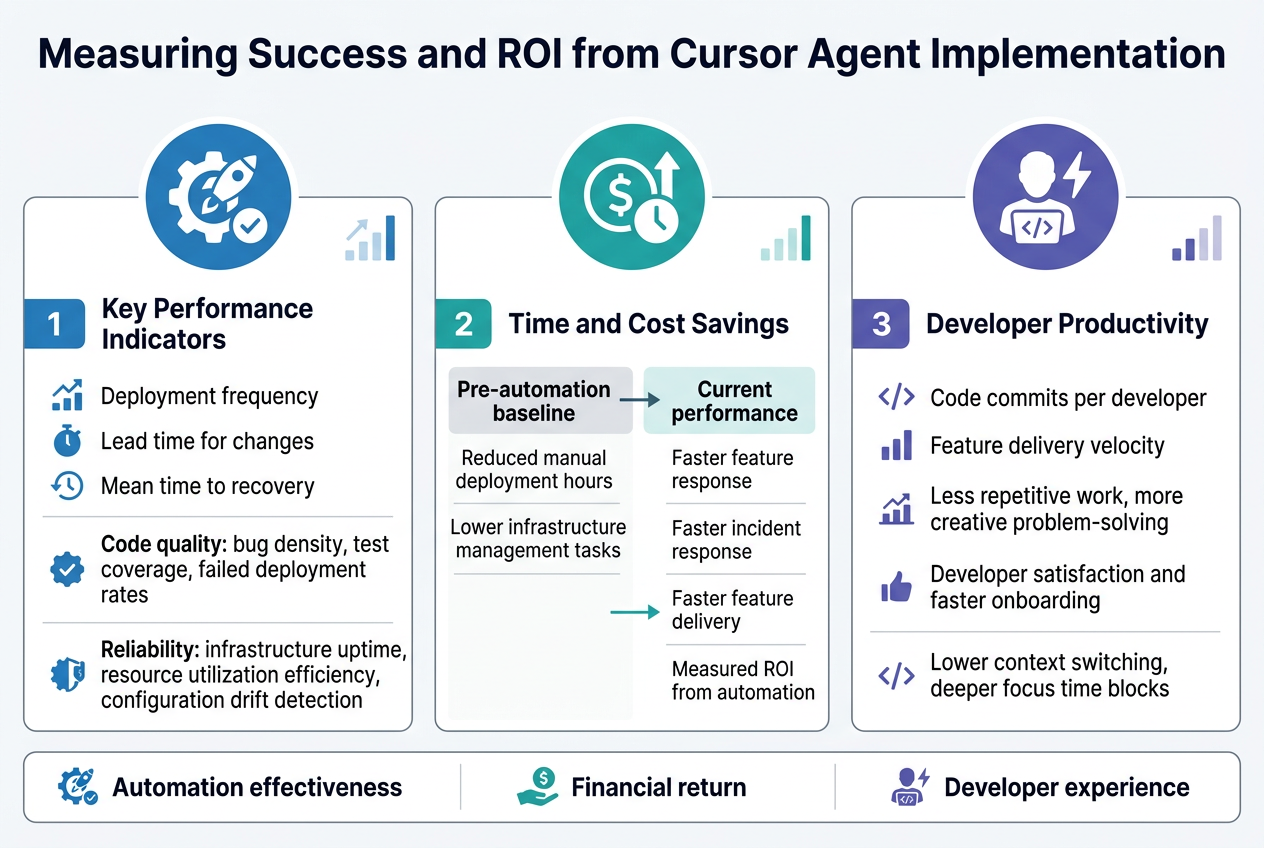
Key performance indicators for automation effectiveness
Track deployment frequency, lead time for changes, and mean time to recovery as primary metrics for cursor agent automation success. Monitor code quality indicators like bug density, test coverage, and failed deployment rates. Infrastructure uptime, resource utilization efficiency, and configuration drift detection provide insight into automation reliability and system health.
Time and cost savings analysis
Calculate direct savings from reduced manual deployment hours and infrastructure management tasks. Factor in decreased incident response times and faster feature delivery cycles when measuring cursor agent implementation ROI. Compare pre-automation baseline metrics against current performance to quantify tangible benefits and justify continued investment in automated development workflows.
Developer productivity improvements
Measure code commits per developer, feature delivery velocity, and time spent on repetitive tasks versus creative problem-solving. Track developer satisfaction scores and onboarding time for new team members using cursor agent setup processes. Monitor context switching frequency and focus time blocks to assess how devops automation reduces cognitive overhead and enables deeper technical work.
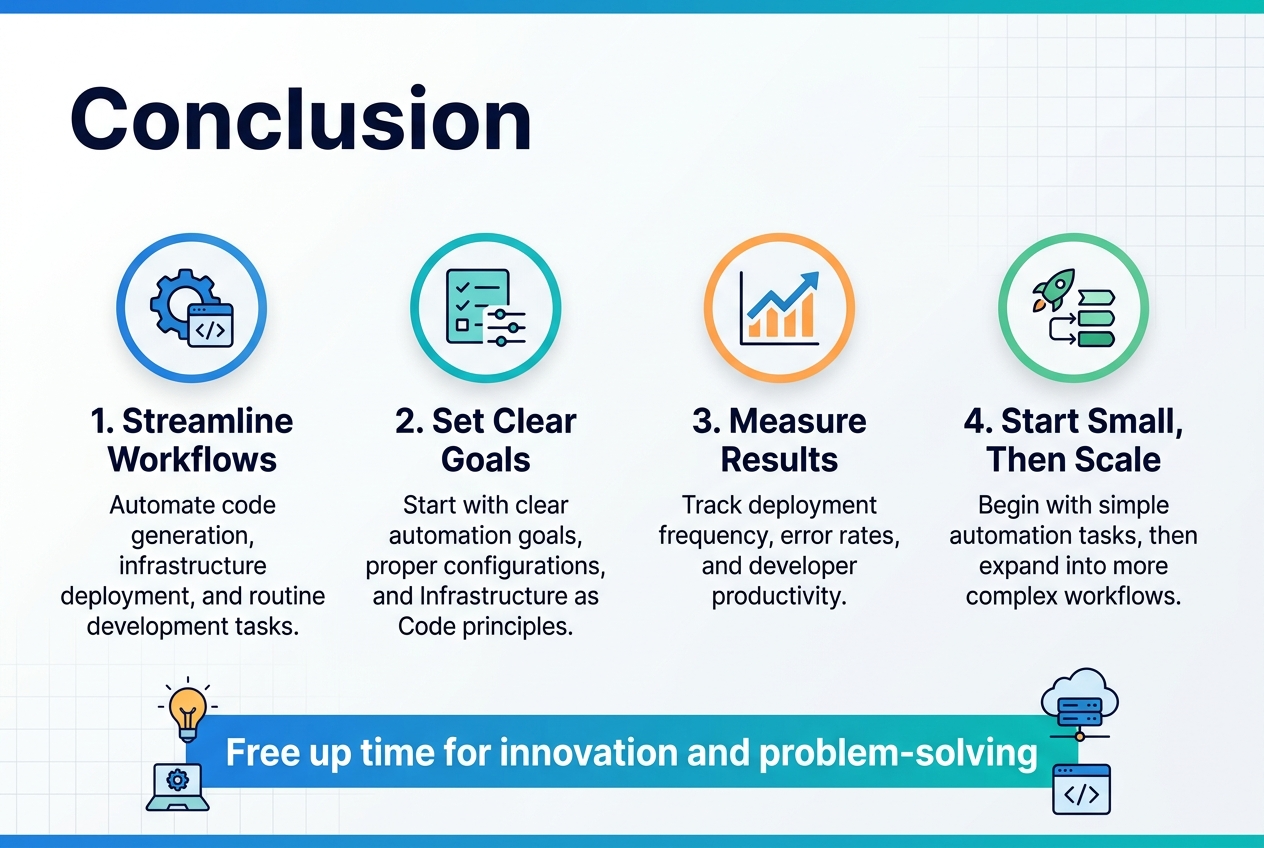
Cursor Agent offers a powerful solution for teams looking to streamline their development workflows and infrastructure management. By automating code generation, infrastructure deployment, and routine development tasks, you can significantly reduce manual effort while improving consistency across your projects. The key is starting with clear automation goals, setting up proper configurations, and gradually expanding your use of Infrastructure as Code principles.
The real value comes from measuring your results and continuously refining your automation strategies. Track metrics like deployment frequency, error rates, and developer productivity to see the tangible benefits. Start small with simple automation tasks, then build up to more complex workflows as your team becomes comfortable with the tool. With the right approach, Cursor Agent can transform how your team handles infrastructure and code management, freeing up valuable time for innovation and problem-solving.