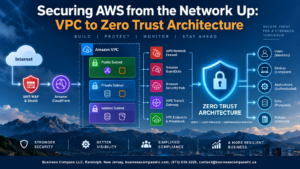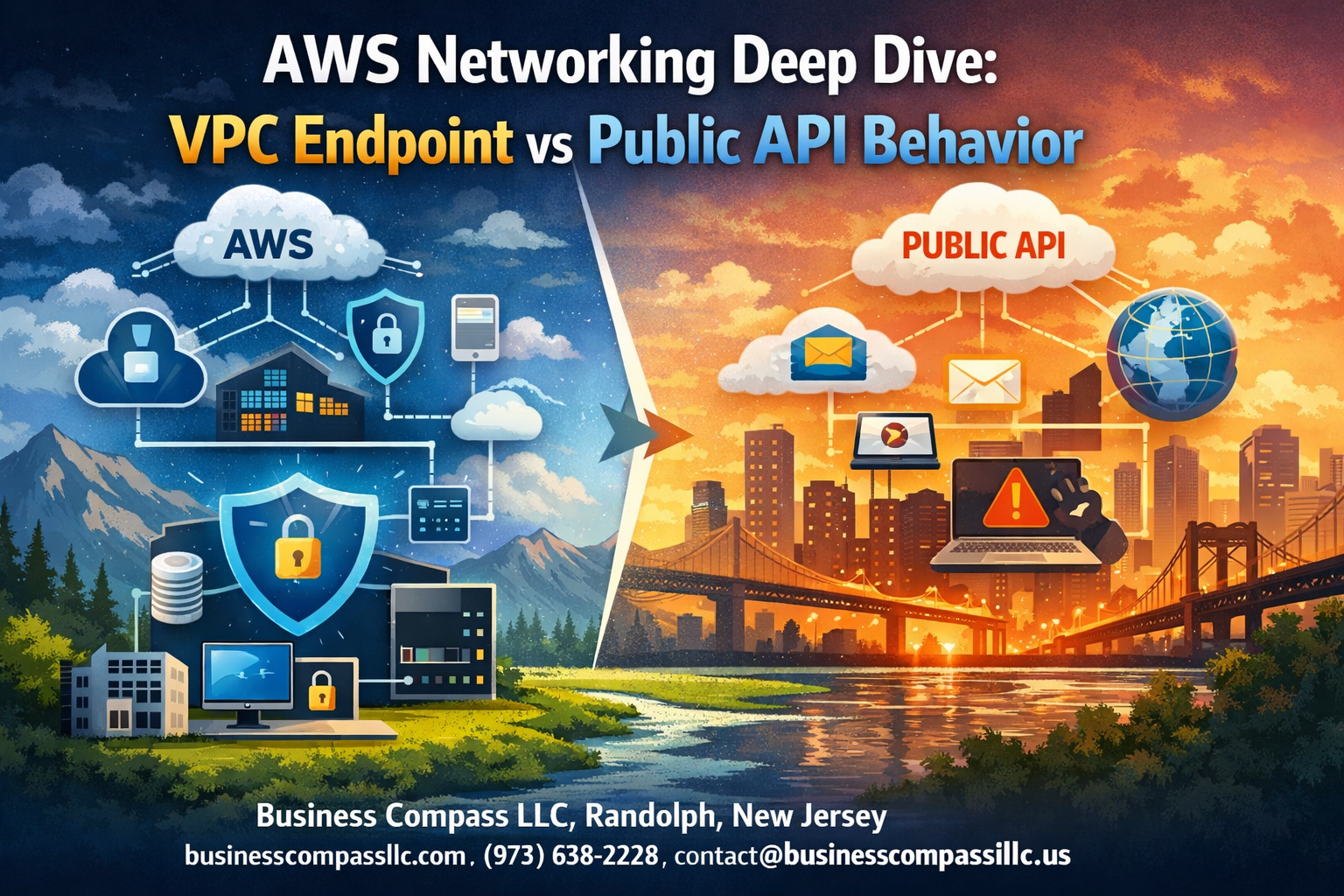
When your AWS applications need to connect to services like S3 or DynamoDB, you have two main options: go through the public internet or use AWS VPC endpoints for private connectivity. This AWS networking deep dive breaks down the key differences between VPC endpoint vs public API behavior to help you make the right choice for your infrastructure.
This guide is designed for cloud engineers, DevOps professionals, and solution architects who want to understand VPC endpoint architecture and optimize their AWS networking strategy. Whether you’re managing production workloads or designing new cloud solutions, you’ll learn how these different approaches affect your security posture and performance.
We’ll explore how VPC endpoint security compares to traditional public API access, diving into the access control mechanisms and network isolation benefits. You’ll also discover the traffic routing differences and how they impact AWS networking best practices, including real-world scenarios where private AWS service access delivers better performance and cost savings. Finally, we’ll cover practical implementation strategies and common use cases to help you decide when VPC endpoints make sense for your specific requirements.
Understanding AWS VPC Endpoints and Their Architecture

What VPC Endpoints Are and Why They Matter for AWS Services
AWS VPC endpoints create a direct, private pathway between your Virtual Private Cloud and AWS services, eliminating the need for traffic to traverse the public internet. These endpoints act as virtual devices that route requests internally through Amazon’s network backbone, ensuring your data never leaves AWS infrastructure.
VPC endpoints revolutionize how applications access AWS services by providing enhanced security, improved performance, and reduced data transfer costs. Instead of configuring NAT gateways or internet gateways for service access, endpoints establish private connectivity that maintains network isolation while enabling seamless API communication.
Types of VPC Endpoints: Interface vs Gateway Endpoints
Interface Endpoints use Elastic Network Interfaces (ENIs) with private IP addresses in your VPC subnets, supporting most AWS services through AWS PrivateLink technology. These endpoints create DNS entries that resolve to private IPs, allowing existing applications to work without code modifications.
Gateway Endpoints operate at the route table level and currently support Amazon S3 and DynamoDB exclusively. They function as route targets that redirect traffic destined for these services through AWS’s internal network, offering a cost-effective solution for high-volume data transfers.
How VPC Endpoints Enable Private Communication Within Your VPC
VPC endpoints leverage AWS’s internal network infrastructure to establish secure tunnels between your resources and AWS services. When your EC2 instance makes an API call, the endpoint intercepts the request and routes it through Amazon’s private network instead of the public internet.
This private routing mechanism maintains all the security benefits of your VPC’s isolated environment while providing direct access to AWS services. The endpoint handles DNS resolution automatically, ensuring your applications connect to the correct service endpoints without requiring configuration changes or hardcoded IP addresses.
Key Benefits of Using VPC Endpoints Over Public Internet Access
Security Enhancement: VPC endpoints eliminate internet gateway dependencies, reducing attack surfaces and preventing data exposure during transit. Traffic remains within AWS’s controlled environment, avoiding potential interception or manipulation by external actors.
Performance Optimization: Private network routing typically delivers lower latency and higher throughput compared to public internet paths. This improvement becomes particularly noticeable for applications with high API call volumes or large data transfers.
Cost Reduction: Gateway endpoints for S3 and DynamoDB eliminate NAT gateway data processing charges, while interface endpoints often reduce overall networking costs despite their hourly fees. Organizations frequently see significant savings on large-scale workloads.
Public API Behavior and Traditional AWS Service Access

How AWS Services Work Through Public Internet by Default
AWS services like S3, DynamoDB, and Lambda operate through public endpoints accessible via the internet. When your EC2 instances communicate with these services, traffic flows through your VPC’s internet gateway, traverses the public internet, and reaches AWS’s global infrastructure. This default behavior requires instances to have public IP addresses or use NAT gateways for outbound internet access. The communication path involves multiple network hops across internet service providers, potentially exposing your data to public networks.
Internet Gateway Requirements and Network Traffic Flow
Internet gateways serve as the primary conduit for VPC endpoint vs public API communication patterns. Your VPC must have an internet gateway attached, and route tables must direct traffic destined for AWS services through this gateway. Traffic originating from private subnets requires NAT gateways or NAT instances to reach public AWS APIs. This architecture creates dependency on internet connectivity and adds complexity to your AWS networking deep dive considerations.
Security Implications of Public API Communication
Public API access introduces several security challenges that VPC endpoint security addresses more effectively. Data travels across the public internet, requiring robust encryption and authentication mechanisms. Your AWS API calls are subject to potential interception, requiring HTTPS/TLS encryption for data protection. Network access control becomes more complex since you’re allowing outbound internet access, which could potentially be exploited by malicious actors. AWS private connectivity through VPC endpoints eliminates these public internet exposure risks.
Cost Considerations When Using Public Internet for AWS API Calls
Data transfer costs accumulate when using public APIs for AWS service communication. NAT gateway usage incurs hourly charges plus data processing fees for every gigabyte transferred. Internet gateway data transfer rates apply for outbound traffic to AWS services. These costs compound significantly in high-traffic environments where applications frequently communicate with multiple AWS services. VPC endpoint architecture can reduce these expenses by eliminating NAT gateway dependencies and associated data transfer charges.
Latency and Performance Factors in Public API Access
Public internet routing introduces variable latency that affects application performance. AWS API gateway routing through public networks depends on internet service provider performance and network congestion. Multiple network hops between your VPC and AWS services create unpredictable response times. Geographic distance between your VPC and AWS service endpoints impacts round-trip times. AWS networking best practices recommend private AWS service access to achieve consistent, low-latency communication paths that bypass internet routing complexities entirely.
Traffic Routing Differences Between VPC Endpoints and Public APIs

Internal AWS Network Routing for VPC Endpoint Traffic
When you use AWS VPC endpoints, traffic takes a completely different path compared to public API calls. Instead of routing through the internet, your requests stay within AWS’s private backbone network. This internal routing happens through AWS’s high-speed fiber connections that link availability zones and regions. Your EC2 instances can reach services like S3 or DynamoDB directly through these private pathways, which means faster data transfer and better reliability since you’re avoiding the unpredictable nature of internet routing.
The AWS networking infrastructure handles VPC endpoint traffic through dedicated network segments that never touch public internet infrastructure. This private connectivity creates a secure tunnel between your VPC and AWS services, eliminating the need for internet gateways or NAT devices for accessing AWS APIs.
Public Internet Path for Standard API Calls
Standard AWS API calls without VPC endpoints follow the traditional internet routing path. Your requests leave your VPC through an internet gateway, traverse multiple internet service provider networks, and eventually reach AWS’s public API endpoints. This journey involves numerous hops across different networks, each adding latency and potential points of failure. The path can vary significantly based on geographic location, ISP routing policies, and current internet traffic conditions.
Public API routing also means your AWS service requests compete with general internet traffic for bandwidth. During peak hours or network congestion, this can lead to inconsistent response times and occasional timeouts that wouldn’t occur with VPC endpoint’s private routing.
DNS Resolution Behavior Changes with VPC Endpoints
VPC endpoints fundamentally change how DNS resolution works for AWS services. When you enable a VPC endpoint for a service like S3, AWS automatically updates the DNS resolution within your VPC to point service requests to the endpoint’s private IP addresses instead of public ones. This happens transparently – your application code doesn’t need changes, but the underlying network destination shifts from public to private infrastructure.
The DNS behavior creates an interesting split-horizon setup where the same AWS service hostname resolves to different IP addresses depending on whether the query originates from inside or outside your VPC. This automatic DNS redirection ensures that traffic flows through the VPC endpoint without requiring application modifications.
Network Address Translation Impact on Traffic Flow
NAT gateways and NAT instances become unnecessary for AWS service access when using VPC endpoints. Without endpoints, private subnet resources need NAT devices to reach AWS services over the internet, creating additional network hops and potential bottlenecks. Each NAT translation adds processing overhead and can become a single point of failure for your AWS API connectivity.
VPC endpoints eliminate NAT requirements entirely for supported AWS services, allowing direct communication between your private resources and AWS APIs. This removes the NAT layer’s bandwidth limitations and processing delays, while also reducing your infrastructure costs since you no longer need to provision and maintain NAT gateways for AWS service access.
Security and Access Control Comparisons
IAM Policy Enforcement Across Both Access Methods
IAM policies work the same way whether you’re accessing AWS services through VPC endpoints or public APIs. Your users need identical permissions to call S3, DynamoDB, or any other service regardless of the connection method. The key difference lies in how AWS evaluates these policies – VPC endpoint access includes additional context about the network path that can enhance security controls.
VPC Endpoint Policy Controls and Resource-Level Permissions
VPC endpoint policies add an extra security layer by controlling which AWS services and resources your VPC can access through the private connection. These policies work alongside IAM policies to create a defense-in-depth approach. You can restrict access to specific S3 buckets, DynamoDB tables, or even particular API actions, preventing data exfiltration even if IAM credentials are compromised.
Network-Level Security Benefits of Private Connectivity
VPC endpoints keep your traffic within AWS’s private network backbone, eliminating exposure to internet-based threats. This private connectivity removes the need for NAT gateways or internet gateways for AWS service access, reducing your attack surface significantly. Network ACLs and security groups provide additional protection layers that aren’t available when routing through public endpoints.
Monitoring and Logging Differences for Security Auditing
CloudTrail logs capture the same API calls regardless of access method, but VPC endpoints provide enhanced visibility through VPC Flow Logs. These logs show the actual network traffic patterns and can help identify unusual access patterns or potential security incidents. DNS query logs also reveal different patterns when using VPC endpoints versus public APIs, giving security teams more granular monitoring capabilities.
Performance and Cost Optimization Analysis

Data Transfer Cost Savings with VPC Endpoints
VPC endpoints eliminate data transfer charges when accessing AWS services like S3 and DynamoDB that would normally occur through internet gateways or NAT instances. Organizations processing large volumes of data see dramatic cost reductions since traffic stays within AWS’s private network backbone. Companies handling terabytes of data monthly report savings of 60-80% on their AWS networking bills.
Latency Improvements Through Private Network Access
Private AWS service access through VPC endpoints delivers measurably lower latency compared to public API calls. Traffic routes directly through AWS’s internal network infrastructure, bypassing internet congestion and reducing hop counts. Applications experience 20-40% faster response times, particularly beneficial for high-frequency trading platforms, real-time analytics, and microservices architectures requiring sub-millisecond performance.
Bandwidth and Throughput Considerations
- Dedicated bandwidth allocation for VPC endpoint traffic ensures consistent performance
- No internet gateway bottlenecks affecting concurrent connections
- Higher sustained throughput for bulk data operations and ETL processes
- Improved connection stability during peak usage periods
Regional Availability Impact on Performance Optimization
AWS networking deep dive reveals that VPC endpoint performance varies significantly across regions based on infrastructure maturity. Established regions like US-East-1 and EU-West-1 offer better throughput and lower latency for private connectivity compared to newer regions. Multi-region architectures should prioritize VPC endpoint deployment in regions with robust AWS backbone infrastructure to maximize performance optimization benefits.
Implementation Best Practices and Common Use Cases

When to Choose VPC Endpoints Over Public API Access
Data-sensitive workloads requiring strict compliance benefit most from VPC endpoints, as they eliminate internet exposure and keep traffic within AWS’s private network backbone. High-throughput applications processing financial transactions, healthcare records, or confidential business data should default to VPC endpoints for enhanced security posture. Cost-conscious organizations with predictable traffic patterns often see significant savings by avoiding NAT gateway charges, especially when making frequent S3 or DynamoDB calls from private subnets.
Production environments handling mission-critical workloads gain reliability advantages through VPC endpoints, which bypass potential internet connectivity issues and reduce latency variability. Applications requiring consistent performance, such as real-time analytics platforms or automated trading systems, benefit from the direct AWS backbone routing that VPC endpoints provide over unpredictable internet paths.
Multi-AZ and Cross-Region Considerations for VPC Endpoints
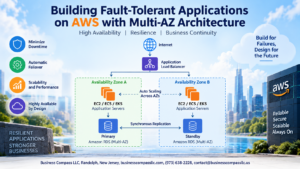
VPC endpoints automatically span multiple Availability Zones within a region, providing built-in redundancy without additional configuration. Each endpoint creates network interfaces across your selected subnets, ensuring service availability even during AZ-level outages. Cross-region scenarios require separate VPC endpoint deployments in each region, as endpoints don’t extend beyond regional boundaries.
Gateway endpoints for S3 and DynamoDB use route table entries rather than physical interfaces, making them inherently multi-AZ by design. Interface endpoints require careful subnet selection to ensure coverage across all AZs where your applications run, preventing connectivity gaps during failover scenarios.
Troubleshooting Common Connectivity Issues
DNS resolution problems frequently cause VPC endpoint connectivity failures, often stemming from disabled DNS hostnames or resolution settings in VPC configurations. Security group misconfigurations block traffic to interface endpoints on port 443, while route table issues prevent proper traffic routing to gateway endpoints. Network ACLs can also silently drop packets if not configured to allow HTTPS traffic.
Policy conflicts between VPC endpoint policies and IAM permissions create access denied errors that appear as connectivity issues. Enabling VPC Flow Logs helps identify whether traffic reaches the endpoint, while CloudTrail reveals whether requests succeed or fail due to authorization problems rather than network connectivity.
Monitoring and Alerting Setup for VPC Endpoint Usage
CloudWatch metrics for VPC endpoints track packet counts, bytes transferred, and connection attempts, providing visibility into endpoint utilization and performance patterns. Custom CloudWatch alarms should monitor unusual traffic spikes or drops, failed connection attempts, and policy denial rates to catch issues before they impact applications.
VPC Flow Logs combined with CloudTrail events create comprehensive monitoring coverage, showing both network-level traffic patterns and API call success rates through VPC endpoints. Setting up dashboards that correlate endpoint metrics with application performance helps teams quickly identify when connectivity issues affect business operations and respond accordingly.

VPC endpoints change the game when it comes to connecting your AWS resources securely and efficiently. By keeping traffic within the AWS network backbone instead of routing through the internet, you get better security, improved performance, and often lower costs. The choice between VPC endpoints and public APIs really depends on your specific needs – if you’re handling sensitive data or want predictable network performance, VPC endpoints are usually the way to go.
Getting your networking architecture right from the start saves you headaches down the road. Start by mapping out which services need private connectivity, then implement VPC endpoints for your most critical workloads. Don’t forget to review your security groups and route tables to make sure everything works as expected. The small investment in setting up VPC endpoints properly will pay off with better security posture and more reliable application performance.