Stop Playing Catch-Up With Cloud Threats
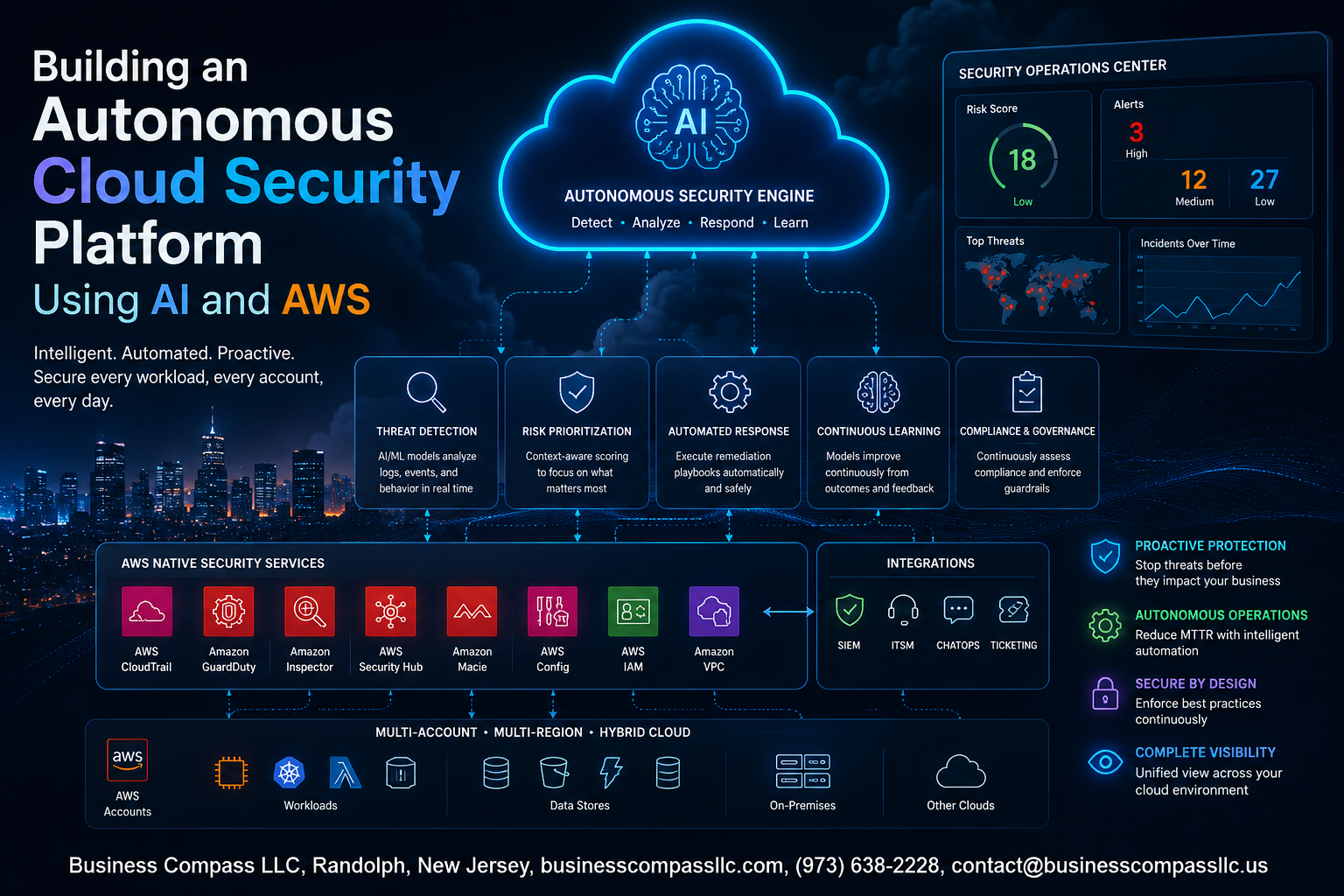
Security teams are drowning. Cloud environments generate thousands of alerts daily, attackers move faster than any human response team can match, and manual security processes simply can’t keep up with the scale modern infrastructure demands. Building an autonomous cloud security platform using AI and AWS is how forward-thinking teams are finally getting ahead of the problem instead of reacting to it.
This guide is written for cloud architects, DevSecOps engineers, and security engineers who already have hands-on AWS experience and want to move beyond traditional security tooling into something that actually scales.
Here’s what we’ll walk through together:
- Why autonomous security matters right now — the real gaps in conventional cloud security approaches and what makes AI-driven threat detection a practical solution, not just a buzzword
- How to build the core platform on AWS — the specific services and architectural decisions that form a solid foundation for cloud security automation
- Making it work in the real world — from real-time threat remediation to designing a system that gets smarter over time without constant manual tuning
No fluff, no vague theory. By the end, you’ll have a clear picture of how to design and implement a scalable cloud security platform that can detect, decide, and respond — on its own.
Understanding the Need for Autonomous Cloud Security

Why Traditional Security Tools Fall Short in Dynamic Cloud Environments
Static rule-based tools can’t keep pace with cloud’s constant change — new resources spin up instantly, attack surfaces shift hourly, and manual monitoring creates dangerous blind spots.
How AI Transforms Reactive Security Into Proactive Defense
AI-driven threat detection spots anomalies before breaches happen, shifting teams from firefighting to prevention.
Key Risks Autonomous Platforms Eliminate
- Misconfigured cloud resources
- Delayed incident response
- Undetected lateral movement
Core Components of an AI-Driven Cloud Security Platform

Threat Detection Engines Powered by Machine Learning
- ML models analyze traffic patterns, flagging anomalies instantly
Automated Incident Response Workflows
- Triggers auto-remediation actions without human intervention
Continuous Compliance Monitoring and Enforcement
- Scans configs round-the-clock against policy benchmarks
Behavioral Analytics for Anomaly Identification
- Baselines normal activity, catching deviations that signal real threats
Leveraging AWS Services to Build the Security Foundation

AWS GuardDuty, Lambda & Security Hub
- GuardDuty provides AI-driven threat detection, continuously monitoring logs for anomalies.
- Lambda triggers instant auto-remediation when threats surface.
- Security Hub centralizes alerts across accounts.
CloudTrail, CloudWatch, Config, IAM, Macie & KMS
- CloudTrail and CloudWatch deliver real-time visibility; Config and IAM enforce scalable policies; Macie and KMS protect sensitive data automatically.
Designing the AI Architecture for Autonomous Decision Making
Training Models on Cloud-Specific Security Event Data
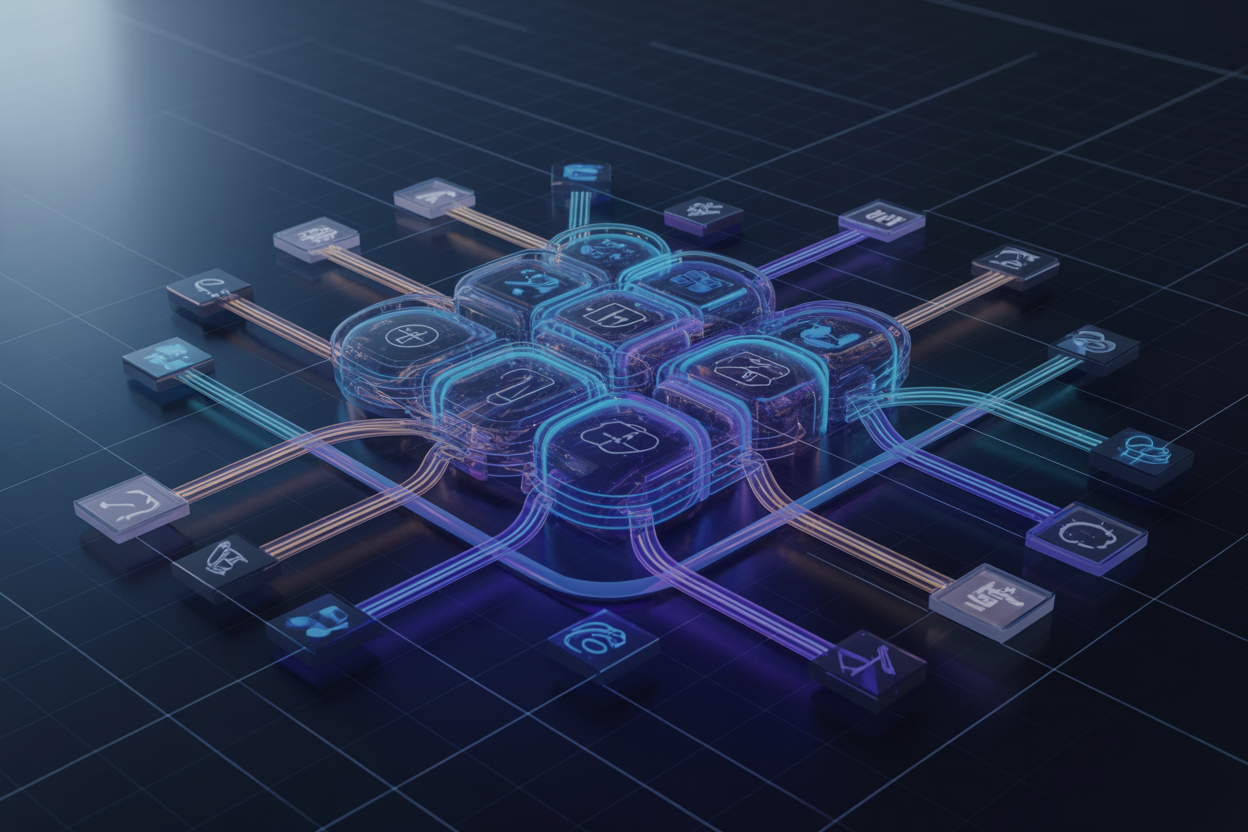
Feed your models AWS CloudTrail logs, VPC Flow Logs, and GuardDuty findings to build context-aware threat detection.
Implementing Reinforcement Learning for Adaptive Threat Response
Reward correct auto-remediation actions, penalize false positives — your autonomous cloud security platform keeps getting sharper.
Balancing Automation With Human Oversight
- Flag high-stakes decisions for human review
- Automate low-risk responses instantly
Implementing Real-Time Threat Detection and Auto-Remediation
Building Event-Driven Pipelines for Instant Threat Identification
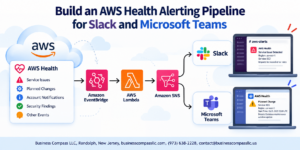
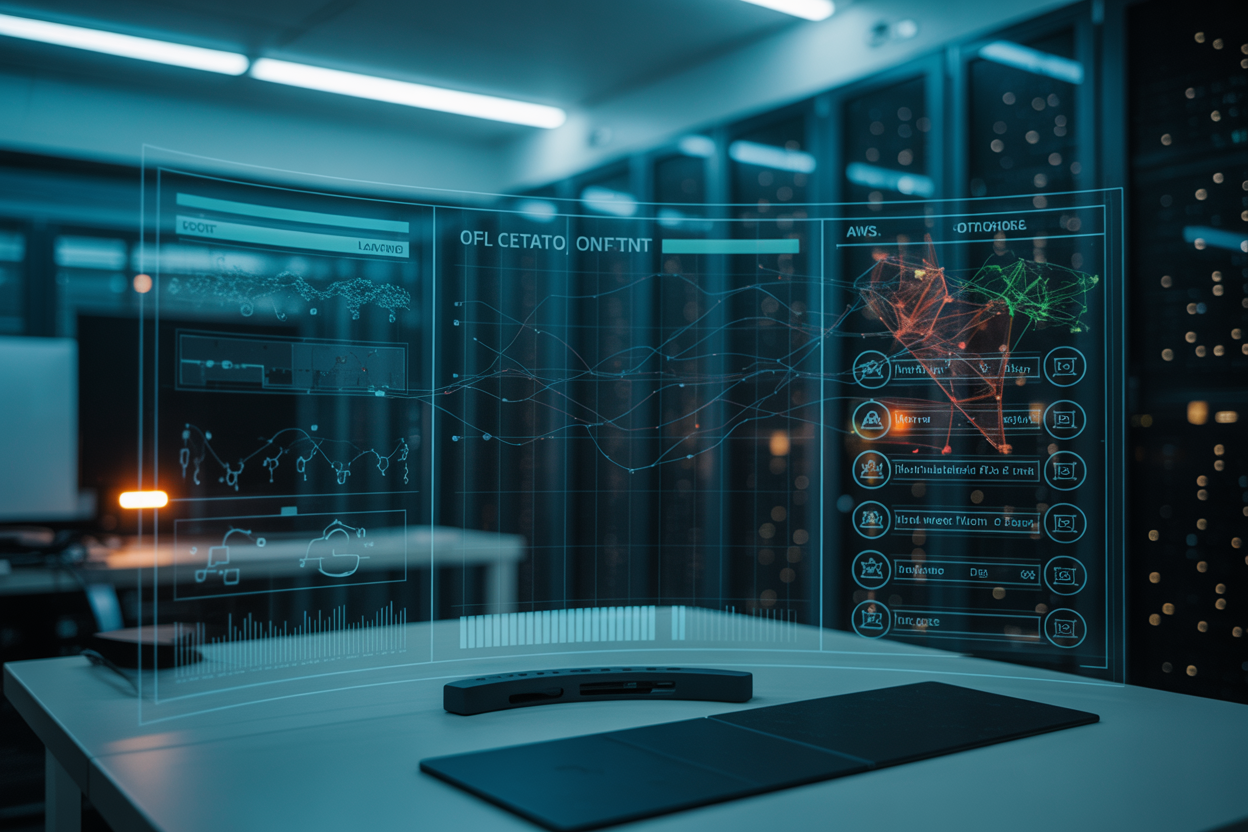
AWS EventBridge, GuardDuty, and Security Hub work together to flag threats instantly.
Automating Containment Actions Without Human Intervention
Lambda functions trigger cloud security auto-remediation automatically—isolating resources before damage spreads.
Reducing Mean Time to Respond Across Multi-Account Environments
- Centralized AI-driven threat detection slashes response times dramatically across accounts.
Ensuring Scalability, Reliability, and Continuous Improvement
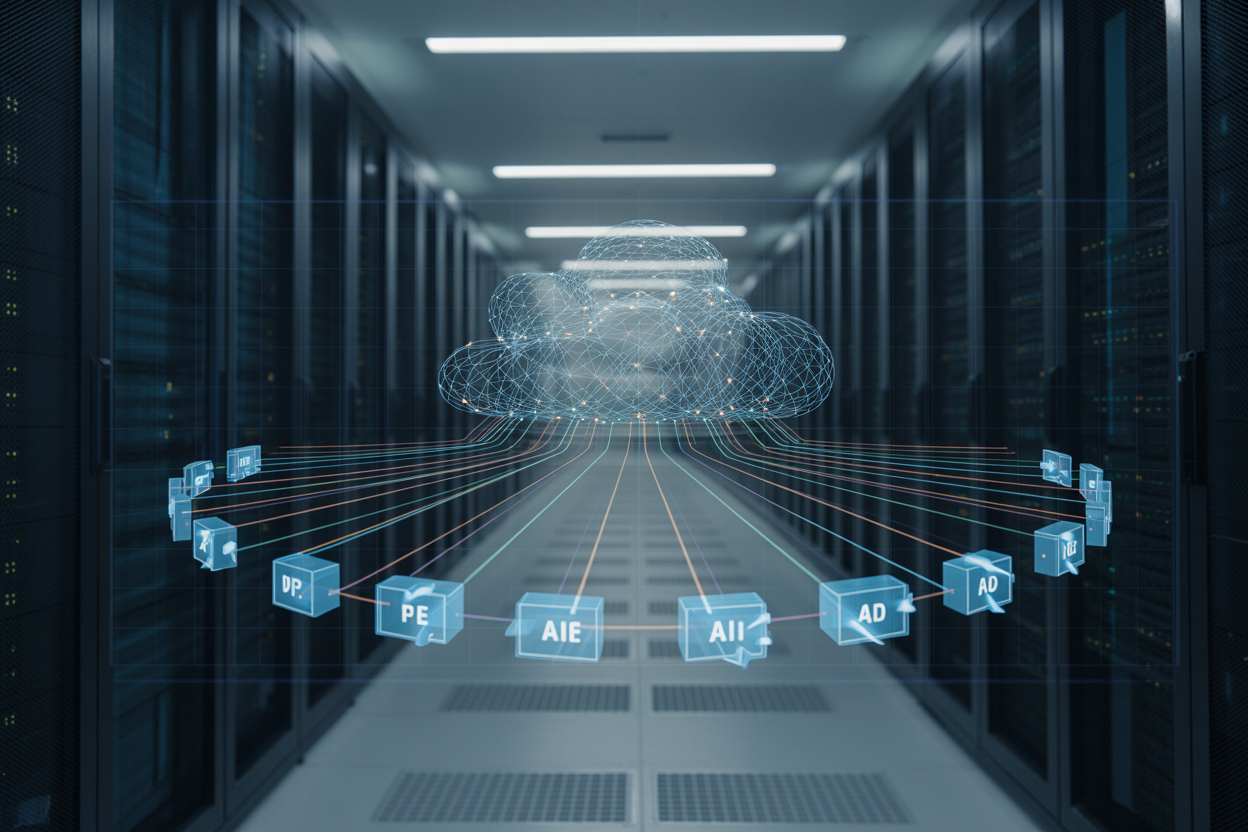
Architecting for Scale, Reliability, and Growth
A scalable autonomous cloud security platform spans multiple AWS regions and clouds using cross-region replication, load balancing, and federated identity. AI models retrain continuously on fresh threat data, sharpening real-time threat detection accuracy. Track platform health through KPIs like mean-time-to-detect, auto-remediation success rates, and false-positive ratios.
The shift toward autonomous cloud security isn’t just a trend—it’s a necessity. As threats grow more sophisticated and cloud environments become more complex, relying on manual processes simply can’t keep up. By combining AI-driven decision-making with the power of AWS services, you can build a security platform that detects, responds to, and learns from threats in real time—without waiting for a human to step in. From designing the right AI architecture to setting up auto-remediation workflows, every piece of the puzzle works together to create a system that gets smarter and stronger over time.
The best part? You don’t have to build it all at once. Start with the core components, lean on AWS’s native security tools, and layer in AI capabilities as your confidence grows. Focus on scalability and reliability from day one so your platform can handle whatever comes its way. The goal is a security foundation that runs autonomously in the background, giving your team the freedom to focus on bigger priorities while knowing your cloud environment is protected around the clock. Start small, think big, and let automation do the heavy lifting.