Building a fintech AI chatbot development solution has never been more accessible thanks to Amazon Bedrock’s powerful language models and retrieval augmented generation RAG capabilities. This comprehensive Amazon Bedrock tutorial targets developers, DevOps engineers, and fintech professionals who want to create intelligent chat applications that can handle complex financial queries while maintaining enterprise-grade security and compliance.
You’ll learn how to combine Amazon Bedrock’s AI services with RAG implementation to build a chatbot that doesn’t just generate responses—it pulls real-time data from your financial systems to provide accurate, contextual answers. We’ll walk through the complete AI chat app architecture, from setting up your development environment to deploying a production-ready system using Terraform infrastructure automation.
This fintech chatbot Amazon Bedrock guide covers three essential areas: designing a scalable architecture that handles both AI processing and data retrieval, using Terraform AWS fintech configurations to automate your infrastructure deployment, and implementing performance optimization strategies that keep your AI chatbot development tutorial running smoothly under real-world financial workloads.
Understanding Core Technologies for Fintech AI Development

Exploring Amazon Bedrock’s Foundation Models and Capabilities
Amazon Bedrock transforms fintech AI chatbot development by providing access to advanced foundation models like Claude, Titan, and Jurassic-2 through simple API calls. These models excel at understanding financial terminology, regulatory requirements, and complex customer queries without requiring extensive model training. The service handles scaling, security, and compliance automatically, making it perfect for financial institutions that need enterprise-grade AI solutions.
Bedrock’s serverless architecture means you only pay for what you use, while built-in safeguards help maintain regulatory compliance. The platform supports fine-tuning with your own financial data, enabling personalized responses that understand your specific products and services.
Leveraging Retrieval-Augmented Generation for Enhanced AI Responses
Retrieval augmented generation RAG revolutionizes how AI chatbots access and present information by combining the power of large language models with real-time data retrieval. Instead of relying solely on pre-trained knowledge, RAG systems query your knowledge base, financial documents, and regulatory updates to provide accurate, current responses. This approach dramatically reduces hallucinations while ensuring compliance with ever-changing financial regulations.
RAG implementation works by converting your documents into vector embeddings, storing them in databases like Amazon OpenSearch or Pinecone, then retrieving relevant context before generating responses. This means your fintech chatbot Amazon Bedrock can instantly access loan terms, investment guidelines, or compliance procedures.
Utilizing Terraform for Infrastructure as Code Management
Terraform infrastructure automation brings consistency and reliability to your fintech application infrastructure by treating your AWS resources as code. Rather than clicking through consoles or running manual scripts, you define your entire Amazon Bedrock setup, Lambda functions, API Gateway configurations, and security policies in declarative configuration files. This approach eliminates configuration drift and makes your infrastructure reproducible across development, staging, and production environments.
Terraform AWS fintech deployments offer built-in state management, dependency tracking, and rollback capabilities. When building AI chat applications, you can version control your infrastructure changes alongside your application code, ensuring that security policies, networking rules, and service configurations remain synchronized across your development lifecycle.
Integrating Technologies for Scalable Fintech Solutions
Building a robust AI chat app architecture requires thoughtful integration of Amazon Bedrock, RAG systems, and Terraform-managed infrastructure. The key lies in designing loosely coupled components that can scale independently while maintaining data consistency and security. Your chat interface communicates with Lambda functions that orchestrate calls to Bedrock models and RAG retrieval systems, all while maintaining audit trails for regulatory compliance.
This integrated approach enables your AI chatbot development tutorial to demonstrate real-world patterns where infrastructure scales automatically based on user demand, knowledge bases update without downtime, and new AI capabilities deploy seamlessly. The result is a production-ready fintech solution that adapts to changing business needs while maintaining the reliability and security standards required in financial services.
Setting Up Your Development Environment and Prerequisites

Configuring AWS Account and Bedrock Access Permissions
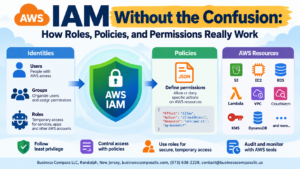
Setting up Amazon Bedrock access requires proper IAM configurations and regional considerations for your fintech AI chatbot development. Create dedicated IAM roles with specific permissions for Bedrock model access, ensuring your application can interact with foundation models securely. Configure service roles that include bedrock:InvokeModel and bedrock:ListFoundationModels permissions, along with necessary S3 bucket access for data storage and retrieval operations.
Installing Terraform and Essential Development Tools
Your Terraform infrastructure automation setup needs the AWS CLI, Terraform binary, and Python environment configured properly. Install Terraform version 1.0+ and configure AWS credentials using aws configure or environment variables for seamless deployment. Set up your development environment with Python 3.9+, boto3 SDK, and essential packages like langchain for RAG implementation guide workflows.
Preparing Data Sources and Knowledge Base Requirements
Fintech applications demand structured data preparation for effective retrieval augmented generation RAG functionality. Organize your financial documents, regulatory guidelines, and product information into accessible formats like JSON, CSV, or text files. Create a knowledge base structure that supports vector embeddings and semantic search capabilities, ensuring your AI chat app architecture can deliver accurate, contextual responses for financial queries and customer interactions.
Designing the AI Chat App Architecture
Planning the RAG Pipeline for Financial Data Processing
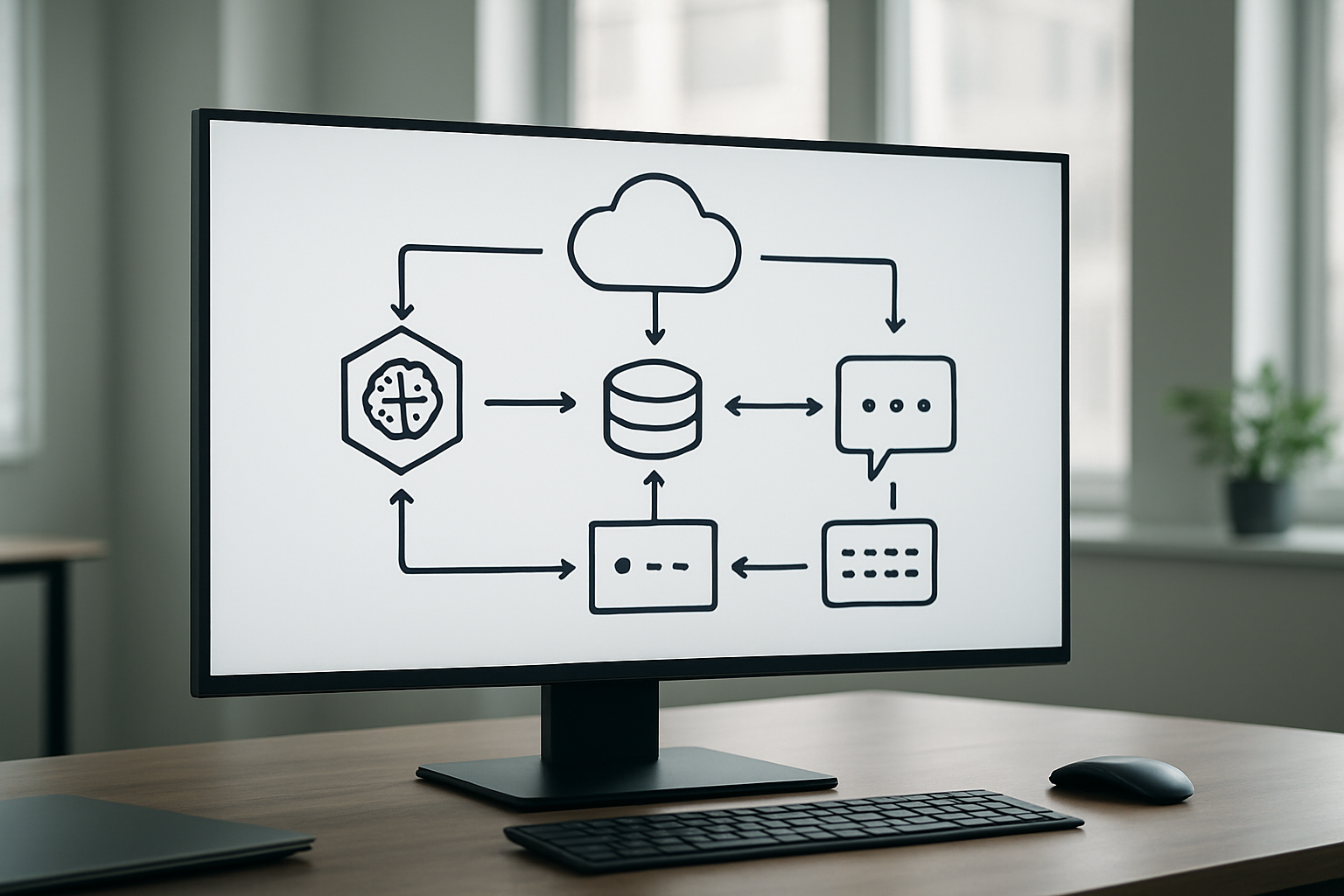
Building a robust RAG pipeline for fintech AI chatbot development requires careful orchestration of document ingestion, embedding generation, and retrieval mechanisms. Your pipeline should handle diverse financial documents like regulatory filings, policy documents, and market reports while maintaining strict data lineage tracking. Configure Amazon Bedrock’s embedding models to process financial terminology accurately, ensuring semantic search capabilities can distinguish between similar concepts like “compliance requirements” and “regulatory guidelines.”
The retrieval component must implement sophisticated ranking algorithms that prioritize recent financial data and relevant regulatory updates. Design your pipeline to handle real-time data streams from market feeds while batch processing historical documents during off-peak hours.
Structuring Vector Database for Document Retrieval
Your vector database architecture should organize financial documents into logical namespaces based on document types, regulatory domains, and time sensitivity. Create separate collections for different data categories like customer policies, investment guidelines, and compliance documentation to optimize retrieval accuracy. Implement metadata filtering capabilities that allow the RAG implementation guide to narrow searches based on document classification, publication dates, and regulatory jurisdiction.
Configure your vector store with appropriate similarity thresholds and implement hybrid search combining semantic similarity with keyword matching for complex financial queries.
Mapping User Interface and Backend Communication Flow
Design your AI chat app architecture with clear separation between the frontend interface and backend processing systems. Establish WebSocket connections for real-time chat functionality while implementing REST endpoints for document uploads and user preference management. Your communication flow should route user queries through authentication middleware before reaching the RAG system, ensuring secure access to financial data.
Create message queuing systems that handle high-volume requests during market hours while maintaining responsive user experiences through asynchronous processing and smart caching strategies.
Establishing Security Protocols for Financial Data Handling
Financial data security demands multi-layered protection starting with encryption at rest and in transit for all document storage and transmission. Implement role-based access controls that restrict sensitive financial information based on user authorization levels and regulatory compliance requirements. Your security architecture should include audit logging for all data access patterns and user interactions with the fintech chatbot Amazon Bedrock system.
Configure data masking protocols that automatically redact personally identifiable information and sensitive financial details before displaying results to unauthorized users.
Building Infrastructure with Terraform

Provisioning Amazon Bedrock Resources and Models
Setting up Amazon Bedrock through Terraform requires configuring the foundational AI models that power your fintech AI chatbot development. Create Terraform modules that define Bedrock model access, including Claude or Titan models specifically optimized for financial conversations. Your infrastructure code should include model invocation permissions and region-specific configurations to ensure optimal performance for your fintech application infrastructure.
Creating Vector Storage and Search Capabilities
Vector databases form the backbone of your retrieval augmented generation RAG system. Use Terraform to provision Amazon OpenSearch Service or Pinecone for storing financial document embeddings. Configure indexing policies that handle real-time updates of financial data while maintaining search performance. Your vector storage setup should include backup strategies and scaling configurations to handle growing document repositories.
Setting Up Lambda Functions for Chat Processing
Deploy serverless functions using Terraform AWS fintech patterns to handle chat processing workflows. Create Lambda functions that orchestrate between user queries, vector search operations, and Bedrock model invocations. Each function should include proper error handling, logging configurations, and timeout settings optimized for financial data processing requirements.
Configuring API Gateway for Client Communication
Establish secure communication channels through API Gateway configurations managed by Terraform infrastructure automation. Set up REST or WebSocket APIs with rate limiting, request validation, and CORS policies tailored for fintech applications. Include staging environments and deployment configurations that support blue-green deployments for zero-downtime updates.
Implementing IAM Roles and Security Policies
Security remains paramount in fintech chatbot Amazon Bedrock implementations. Define granular IAM policies through Terraform that follow least-privilege principles for each service component. Create roles for Lambda execution, Bedrock model access, and vector database operations. Include cross-account access policies if deploying across multiple AWS accounts for enhanced security isolation.
Implementing the Retrieval-Augmented Generation System
Preprocessing and Embedding Financial Documents
Your fintech AI chatbot development success depends on properly preparing financial documents for retrieval augmented generation RAG implementation. Start by converting PDFs, regulatory documents, and financial reports into structured text chunks of 500-1000 words each. Amazon Bedrock’s Titan Embeddings model transforms these chunks into high-dimensional vectors that capture semantic meaning. Clean your data by removing headers, footers, and irrelevant formatting while preserving critical context like compliance dates and regulatory citations.
Use Terraform infrastructure automation to set up document processing pipelines that handle various financial document formats. Create embedding vectors for each text chunk and store them in Amazon OpenSearch or Pinecone for fast similarity searches. This preprocessing step ensures your AI chat app architecture can quickly locate relevant financial information when users ask complex questions about regulations, investment strategies, or market analysis.
Building Document Retrieval Logic for Context Enhancement
Design retrieval logic that finds the most relevant document chunks based on user queries using vector similarity search. Your Amazon Bedrock tutorial should include cosine similarity calculations between query embeddings and stored document vectors. Implement hybrid search combining semantic similarity with keyword matching to catch specific financial terms and regulatory codes that pure vector search might miss.
Configure your retrieval system to return the top 3-5 most relevant chunks along with confidence scores. Add metadata filtering to restrict searches to specific document types, dates, or regulatory categories. This targeted approach prevents your fintech chatbot Amazon Bedrock integration from returning outdated compliance information or irrelevant market data when users need current financial guidance.
Integrating Bedrock Models with Retrieved Information
Combine retrieved document chunks with user queries to create enriched prompts for Amazon Bedrock’s Claude or Llama models. Structure your prompts to include the original question, relevant context from retrieved documents, and specific instructions for handling financial information accurately. Your RAG implementation guide should emphasize prompt engineering techniques that help models distinguish between general advice and specific regulatory requirements.
Use Terraform AWS fintech configurations to manage model access permissions and response formatting. Implement response validation to ensure generated answers cite their sources and include appropriate disclaimers for financial advice. Monitor token usage and response latency to optimize your AI chatbot development tutorial for production-scale fintech applications where users expect fast, accurate responses about complex financial topics.
Developing the Chat Interface and User Experience
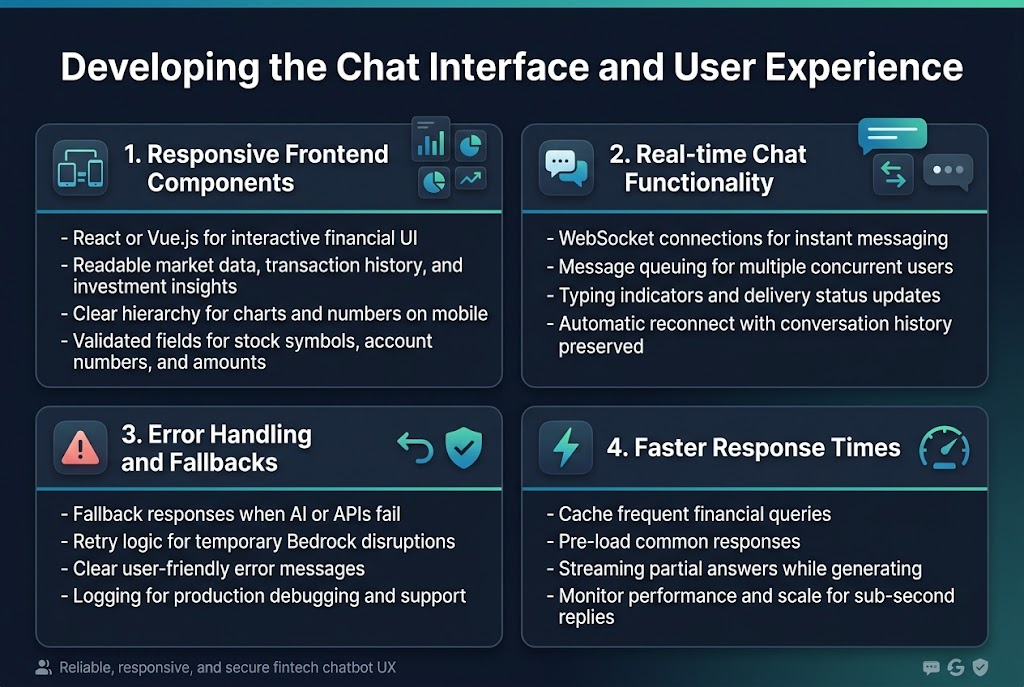
Creating Responsive Frontend Components for Financial Queries
Modern fintech AI chatbot development requires components that adapt seamlessly across devices while handling complex financial terminology. React or Vue.js frameworks work best for building interactive elements that display market data, transaction histories, and investment insights. Design components with clear visual hierarchies, ensuring financial charts and numerical data remain readable on mobile screens. Include specialized input fields for financial queries like stock symbols, account numbers, and transaction amounts with built-in validation.
Implementing Real-time Chat Functionality
WebSocket connections enable instant communication between users and your Amazon Bedrock-powered chatbot. Implement message queuing systems to handle multiple concurrent users while maintaining conversation context. Real-time typing indicators and message status updates create engaging user experiences that mirror popular messaging platforms. Your chat system should gracefully handle network interruptions and automatically reconnect without losing conversation history.
Building Error Handling and Fallback Mechanisms
Robust error handling prevents user frustration when AI responses fail or external APIs become unavailable. Create fallback responses that acknowledge limitations while offering alternative solutions or human support options. Implement retry logic for temporary Amazon Bedrock service disruptions and clear error messages that don’t expose technical details to end users. Your RAG implementation guide should include comprehensive logging for debugging production issues.
Optimizing Response Times for Better User Engagement
Response optimization directly impacts user satisfaction in fintech applications where speed matters. Implement caching strategies for frequently requested financial data and pre-load common query responses. Use streaming responses to display partial answers while the complete response generates in the background. Monitor your Terraform AWS fintech infrastructure performance metrics and adjust compute resources based on peak usage patterns to maintain sub-second response times.
Testing and Optimizing Performance
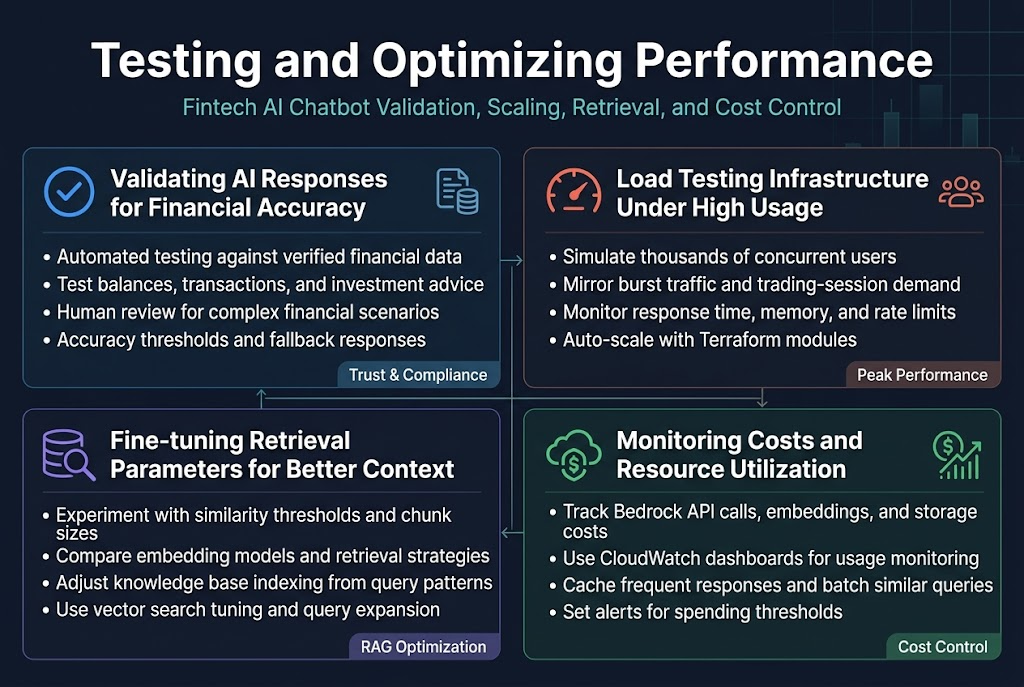
Validating AI Responses for Financial Accuracy
Building trust in your fintech AI chatbot development requires rigorous response validation. Set up automated testing pipelines that cross-reference AI outputs against verified financial data sources and regulatory guidelines. Create test scenarios covering common fintech queries like account balances, transaction histories, and investment recommendations to catch potential inaccuracies before they reach users.
Implement human-in-the-loop validation for complex financial scenarios where AI responses need expert review. Establish clear accuracy thresholds and fallback mechanisms when confidence scores drop below acceptable levels, ensuring your Amazon Bedrock-powered system maintains reliability.
Load Testing Infrastructure Under High Usage
Stress-test your Terraform infrastructure automation by simulating peak usage scenarios with thousands of concurrent users. Design load tests that mirror real-world fintech chatbot Amazon Bedrock usage patterns, including burst traffic during market hours and sustained conversations throughout trading sessions.
Monitor response times, memory consumption, and API rate limits during these tests. Scale your infrastructure components automatically using Terraform modules that adjust based on demand metrics, ensuring consistent performance even during high-traffic periods.
Fine-tuning Retrieval Parameters for Better Context
Optimize your retrieval augmented generation RAG system by experimenting with different similarity thresholds, chunk sizes, and embedding models. Test various retrieval strategies to find the sweet spot between context relevance and response speed for your specific fintech use cases.
Analyze query patterns to identify common topics and adjust your knowledge base indexing accordingly. Fine-tune vector search parameters and implement query expansion techniques to capture nuanced financial terminology that users might employ when interacting with your AI chat app architecture.
Monitoring Costs and Resource Utilization
Track your AWS costs carefully since AI inference and vector storage can become expensive quickly. Set up CloudWatch dashboards to monitor Bedrock API calls, embedding generation costs, and storage fees for your knowledge base documents.
Implement cost optimization strategies like caching frequent responses, batching similar queries, and using spot instances for non-critical workloads. Create alerts when spending exceeds predetermined thresholds and regularly review usage patterns to identify optimization opportunities in your Terraform AWS fintech deployment.
Deployment and Production Considerations
Implementing CI/CD Pipelines with Terraform
Setting up robust CI/CD pipelines becomes critical when deploying fintech AI chatbot development solutions to production. Terraform infrastructure automation works seamlessly with GitHub Actions or AWS CodePipeline to create automated deployment workflows. Your pipeline should include automated testing of Terraform configurations, infrastructure validation, and staged deployments across development, staging, and production environments.
Configure your CI/CD pipeline to handle Amazon Bedrock tutorial deployments with proper security scanning and compliance checks. Include automated rollback mechanisms and blue-green deployment strategies to minimize downtime during updates. This approach ensures your fintech application infrastructure remains stable while enabling rapid feature deployment and bug fixes.
Setting Up Monitoring and Logging Systems
Comprehensive monitoring becomes essential for production fintech chatbot Amazon Bedrock applications. Implement CloudWatch for infrastructure metrics, application performance monitoring, and custom business metrics specific to your RAG implementation guide. Set up automated alerts for API response times, error rates, and resource utilization to maintain optimal user experience.
Centralized logging with CloudWatch Logs or ELK stack captures all application events, user interactions, and system errors. Configure log aggregation for your AI chat app architecture components, including chat interface responses, retrieval system performance, and model inference latencies. This visibility enables proactive issue resolution and performance optimization.
Establishing Backup and Disaster Recovery Procedures
Disaster recovery planning protects your fintech AI chatbot development investment and ensures business continuity. Implement automated daily backups of your vector databases, chat history, and configuration data using AWS Backup services. Store backups across multiple availability zones with proper encryption and access controls.
Design recovery procedures that can restore your entire Terraform AWS fintech infrastructure within defined RTO and RPO targets. Test your disaster recovery processes quarterly, including full environment restoration and data consistency validation. Document step-by-step recovery procedures and maintain updated contact lists for emergency response teams.
Building a fintech AI chat app with Amazon Bedrock, RAG, and Terraform brings together cutting-edge technologies to create powerful customer experiences. The combination of secure infrastructure automation, intelligent document retrieval, and conversational AI opens up new possibilities for financial services companies looking to improve customer support and engagement. From setting up your development environment to deploying a production-ready system, each step builds toward a robust solution that can handle real-world financial queries and transactions.
The key to success lies in careful architecture planning, thorough testing, and smart deployment strategies. Start small with a proof of concept, focus on security from day one, and gradually expand your app’s capabilities as you gather user feedback. Remember that the fintech space demands the highest standards for reliability and compliance, so take time to optimize performance and ensure your system can scale with your business needs.