

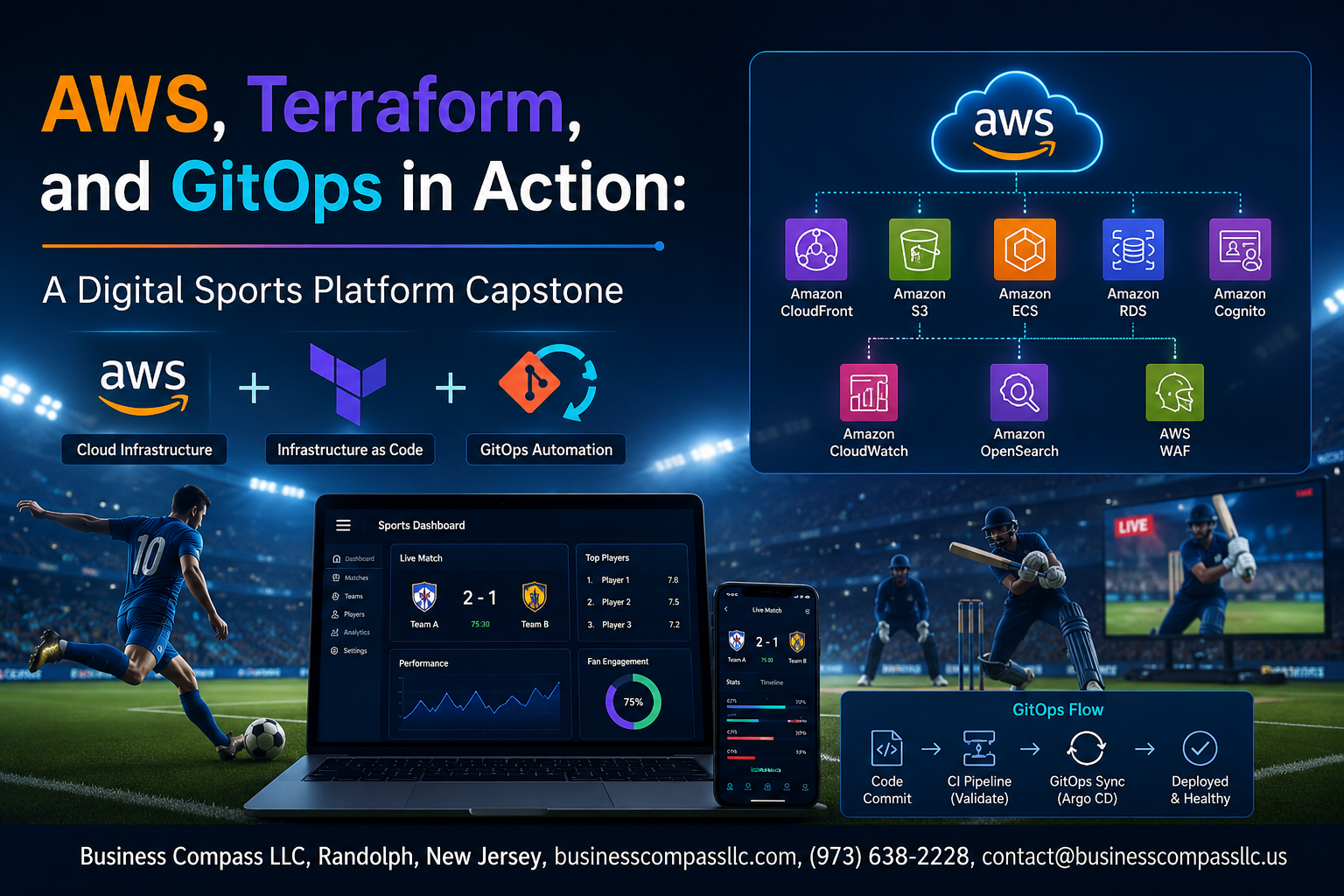
AWS, Terraform, and GitOps in Action: A Digital Sports Platform Capstone
Building cloud infrastructure that actually holds up under real conditions is harder than most tutorials let on. This capstone project changes that by walking you through a complete, production-style build — a scalable sports platform on AWS, wired together with Terraform and a GitOps CI/CD deployment pipeline.
This guide is for DevOps engineers, cloud practitioners, and developers who are comfortable with the basics and ready to connect the dots across a full-stack AWS infrastructure automation project.
Here’s what you’ll get into:
- Designing and building the AWS infrastructure for a sports platform that needs to handle unpredictable traffic spikes and stay available
- Writing Terraform reusable modules that keep your cloud infrastructure as code clean, consistent, and easy to maintain across environments
- Locking down the platform with AWS security best practices and wiring up Terraform AWS monitoring and observability so you can catch problems before they catch you
By the end, you’ll have a working mental model — and real patterns you can take straight into your next AWS DevOps capstone project or production deployment.
Understanding the Capstone Project and Its Real-World Goals

A. What Makes a Digital Sports Platform a Challenging Build
Real-time scores, live streams, and fan traffic spikes during game time make sports platforms brutally demanding on infrastructure.
B. Key Business Requirements
- High availability during peak events
- Secure user data handling
- Fast global content delivery
C. Why AWS, Terraform, and GitOps Together
This trio delivers scalable sports platform AWS infrastructure, repeatable deployments, and automated GitOps CI/CD pipelines without manual guesswork.
Designing the AWS Infrastructure for a Scalable Sports Platform

Core AWS Services Selected and Why They Matter
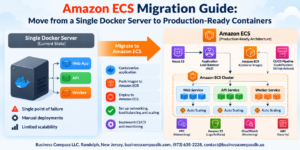
- ECS Fargate handles containerized workloads without managing servers
- RDS Aurora delivers fast, reliable game stats storage
- CloudFront cuts latency for global fans
Structuring the Network for Performance and Security
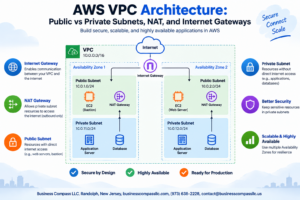
- Public/private subnet split keeps databases shielded while APIs stay reachable
Building Reusable and Maintainable Infrastructure with Terraform
Organizing Terraform Reusable Modules
- Group modules by function: networking, compute, storage
- Each module handles one responsibility cleanly
Managing State Files Safely
- Store state in S3 with DynamoDB locking per environment
Variables and Outputs
- Variables drive environment differences; outputs wire modules together, keeping your Terraform GitOps pipeline and AWS infrastructure automation flexible without duplicating code.
Implementing GitOps to Automate Deployments with Confidence

Setting Up Git as the Single Source of Truth
Every infrastructure change lives in Git — reviewed, versioned, audited. No manual console clicks.
Choosing the Right GitOps Tooling for AWS Workflows
- AWS CodePipeline + Terraform Cloud handles the Terraform GitOps pipeline cleanly.
Creating Pull Request Workflows That Enforce Quality Gates
PRs trigger terraform plan, security scans, and policy checks before merging.
Rolling Back Failed Deployments Without Downtime
Git reverts restore previous state instantly.
Syncing Infrastructure and Application Changes in One Pipeline
GitOps CI/CD deployment keeps app and infra changes atomic, consistent, and traceable.
Securing the Platform From Code to Cloud

Enforcing Least Privilege Access Across AWS Resources
Apply IAM roles scoped tightly to each service — Lambda, ECS, and S3 get only what they need.
Scanning Terraform Code for Misconfigurations Before Deployment
Run tfsec or Checkov in your GitOps CI/CD pipeline to catch open security groups before they hit AWS.
Protecting Fan Data With Encryption and Compliance Controls
Enable S3 encryption, KMS key rotation, and CloudTrail logging to keep fan data safe and audit-ready.
Monitoring, Observability, and Continuous Improvement

Tracking Platform Health With AWS Native Monitoring Tools
Use CloudWatch dashboards to watch latency, error rates, and resource usage across your sports platform in real time.
Setting Up Alerts That Trigger Before Issues Impact Users
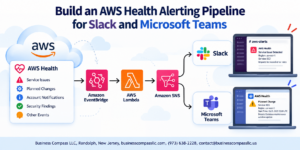
Configure CloudWatch Alarms with SNS notifications for CPU spikes or failed deployments.
Using Metrics to Drive Future Infrastructure Decisions
Spot patterns, then scale smartly.
Building a production-ready sports platform from the ground up is no small feat, but this capstone project shows exactly how AWS, Terraform, and GitOps work together to make it happen. From designing scalable cloud infrastructure to writing reusable Terraform modules, automating deployments through GitOps workflows, locking down security at every layer, and keeping a close eye on the platform through monitoring and observability — every piece plays a critical role in delivering something that actually works in the real world.
The best part? These aren’t just theoretical concepts tied to a single project. The skills and patterns covered here — infrastructure as code, automated pipelines, cloud security best practices, and continuous improvement — are exactly what modern engineering teams rely on every day. If you’re ready to take your cloud skills to the next level, start applying these principles to your own projects, experiment freely, and don’t be afraid to break things along the way. That’s where the real learning happens.