Agentic AI for AWS Operations: Designing Security, IAM, and Governance Guardrails
AI agents are no longer just running experiments in sandbox environments — they’re provisioning infrastructure, querying databases, and executing multi-step workflows inside real AWS accounts. That’s powerful, but it also means one misconfigured agent can do serious damage before anyone notices.
This guide is written for cloud architects, DevOps engineers, and security teams who are already working with AWS and want to deploy agentic AI without turning their environment into a liability.
Here’s what we’ll walk through:
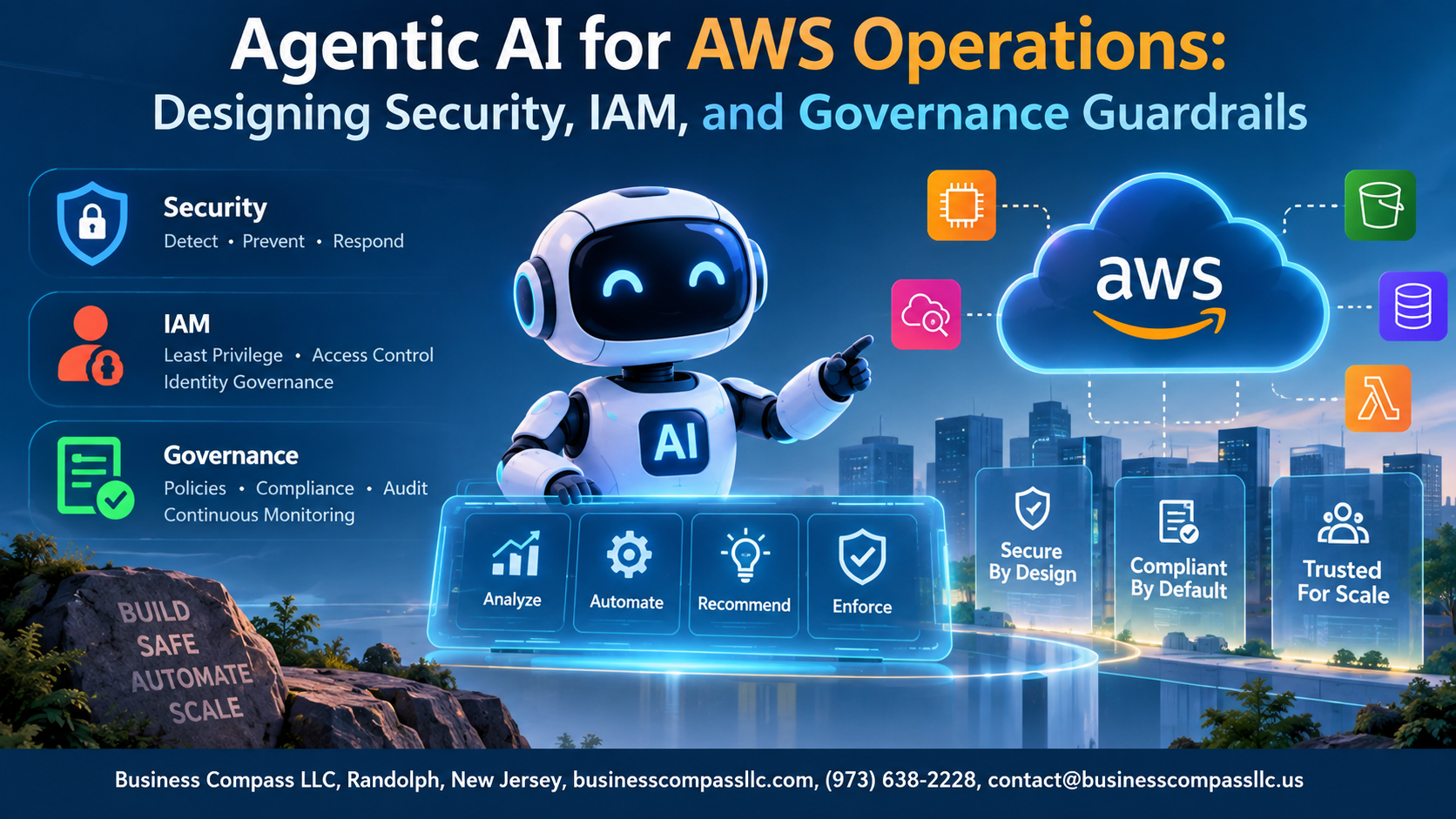
- How to build a least-privilege IAM strategy that keeps AI agents scoped to exactly what they need — nothing more
- How to design security and governance guardrails that put hard boundaries around what an agent can actually do, even when it’s operating autonomously
- How to monitor and audit agent actions so you always have a clear trail of what happened, when, and why
If your team is moving toward agentic AI AWS security and you want a practical framework rather than theory, you’re in the right place. Let’s get into it.
Understanding Agentic AI and Its Role in AWS Operations

What Makes AI “Agentic” and Why It Matters for Cloud Teams
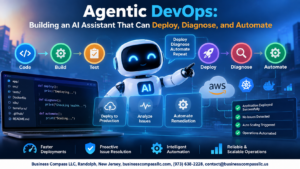
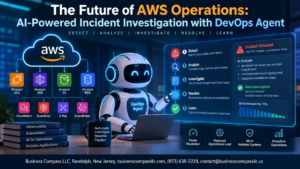
Agentic AI doesn’t just answer questions — it takes actions autonomously, chaining decisions across tools, APIs, and AWS services without constant human input. For cloud teams, this shift from passive assistant to active operator changes everything about how you think about Agentic AI AWS security and access control.
Building a Least-Privilege IAM Strategy for AI Agents

Why Standard IAM Policies Fall Short for Autonomous Agents
Static IAM policies can’t handle the dynamic, multi-step nature of AI agents. Unlike human users, agents chain actions unpredictably, making broad permissions dangerous.
Key Fixes:
- Scope permissions to specific task boundaries
- Use session policies to shrink blast radius
- Enforce just-in-time access for agent-initiated actions only
Designing Security Guardrails That Keep AI Agents in Check

Defining Allowed Action Boundaries Before Deployment
Set explicit action boundaries—what resources agents can touch, which APIs they can call, and hard stop-limits on destructive operations like deletions.
Implementing Service Control Policies to Block Risky Operations
SCPs act as your safety net, blocking agent-triggered actions that bypass account-level guardrails entirely.
Using AWS Config Rules to Detect Guardrail Violations in Real Time
Config rules flag drift instantly, keeping agentic AI AWS security posture clean.
Establishing Governance Frameworks for Agentic AI Workloads

A. Creating an AI Operations Policy Tailored to AWS Environments
Define agent scope, approved actions, and escalation paths in a living policy document tied directly to your AWS environment.
B. Assigning Human Oversight Roles
Designate owners for high-stakes decisions agents can’t autonomously execute.
C. Aligning with Cloud CoE Standards
Map agentic AI governance to existing AWS Cloud Center of Excellence guardrails for consistent AI workload governance framework AWS compliance.
Monitoring, Logging, and Auditing Agent Actions on AWS

Capturing Agent Activity with AWS CloudTrail and CloudWatch
- Enable CloudTrail across all AWS accounts to log every API call your AI agents make.
Setting Up Alerts for Anomalous or Unauthorized Agent Behavior
- Use CloudWatch Alarms and EventBridge rules to flag unexpected actions instantly.
Building Audit Trails That Satisfy Compliance Requirements
- Tag agent sessions and ship logs to S3 for agentic AI monitoring and auditing that meets regulatory standards.
Operationalizing Safe Agent Deployment Across AWS Accounts

A. Multi-Account Isolation
Separate agent workloads across AWS accounts to contain blast radius.
B. Infrastructure as Code
Use Terraform or CDK to enforce consistent guardrails automatically.
C. Sandbox Testing
Always validate secure AI agent deployment in isolated environments first.
D. Rollback Plans
Define clear incident response steps before agents touch production workloads.
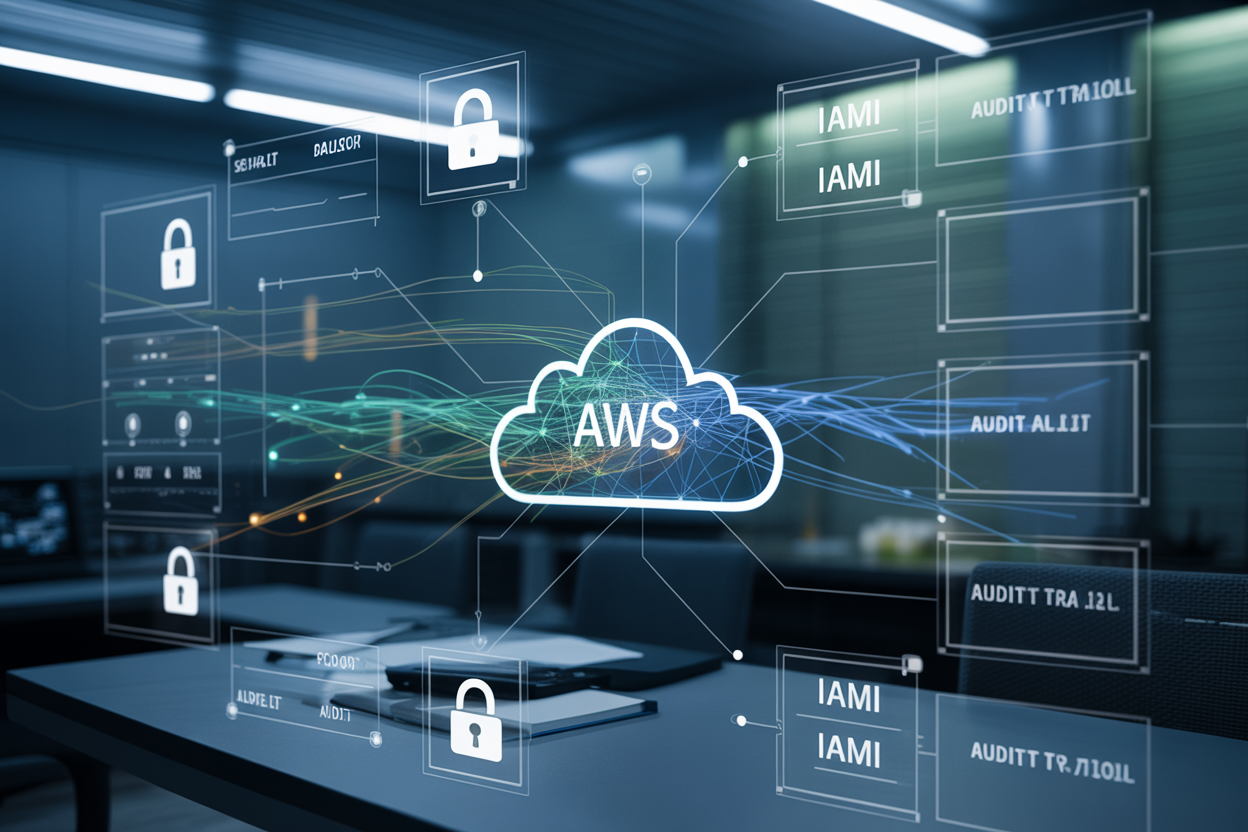
Agentic AI brings real power to AWS operations, but that power needs clear boundaries. From building tight IAM policies and least-privilege access to setting up governance frameworks that actually hold up under pressure, the goal is the same — letting AI agents do their job without creating security blind spots you’ll regret later. Pair that with solid logging, continuous monitoring, and a thoughtful deployment strategy across accounts, and you’ve got a setup that scales without losing control.
The bottom line is that agentic AI on AWS isn’t something you configure once and forget. It’s a living system that needs ongoing attention, tuning, and accountability built in from day one. Start with the guardrails, get your audit trails in order, and treat every agent like it has real consequences — because it does. The teams that do this well won’t just avoid incidents; they’ll move faster and build more trust in what AI can actually deliver in production.