Stop Breaking Production: Build a Reusable Terraform Sandbox That Actually Works
If you’ve ever pushed an infrastructure change and held your breath waiting to see what breaks, this guide is for you.
Terraform infrastructure testing doesn’t have to mean “deploy it and hope for the best.” DevOps engineers, platform teams, and cloud architects who manage infrastructure as code need a safe place to validate changes before they hit real environments — and that place is a well-designed sandbox.
This guide walks you through three things:
- How to design a reusable sandbox environment that your whole team can spin up, test against, and tear down without stepping on each other
- How to write Terraform tests that actually catch problems before they reach production
- How to wire your sandbox into a Terraform CI/CD pipeline so testing happens automatically, not as an afterthought
No hand-wavy theory here. By the end, you’ll have a clear picture of what a scalable Terraform sandbox architecture looks like, what goes into it, and how to keep it from becoming a maintenance headache six months from now.
Let’s get into it.
Understanding the Need for Terraform Infrastructure Testing

Why Untested Infrastructure Leads to Costly Production Failures
Skipping Terraform infrastructure testing means pushing changes blind—misconfigured security groups, broken networking, or failed deployments hit production first.
Key Testing Differences
- Unit: validates logic
- Integration: checks resource interactions
- End-to-end: confirms full workflows
Reusable Sandbox Benefits
A shared cloud infrastructure sandbox cuts redundant setup, letting teams test faster together.
Core Components of a Reusable Sandbox Environment
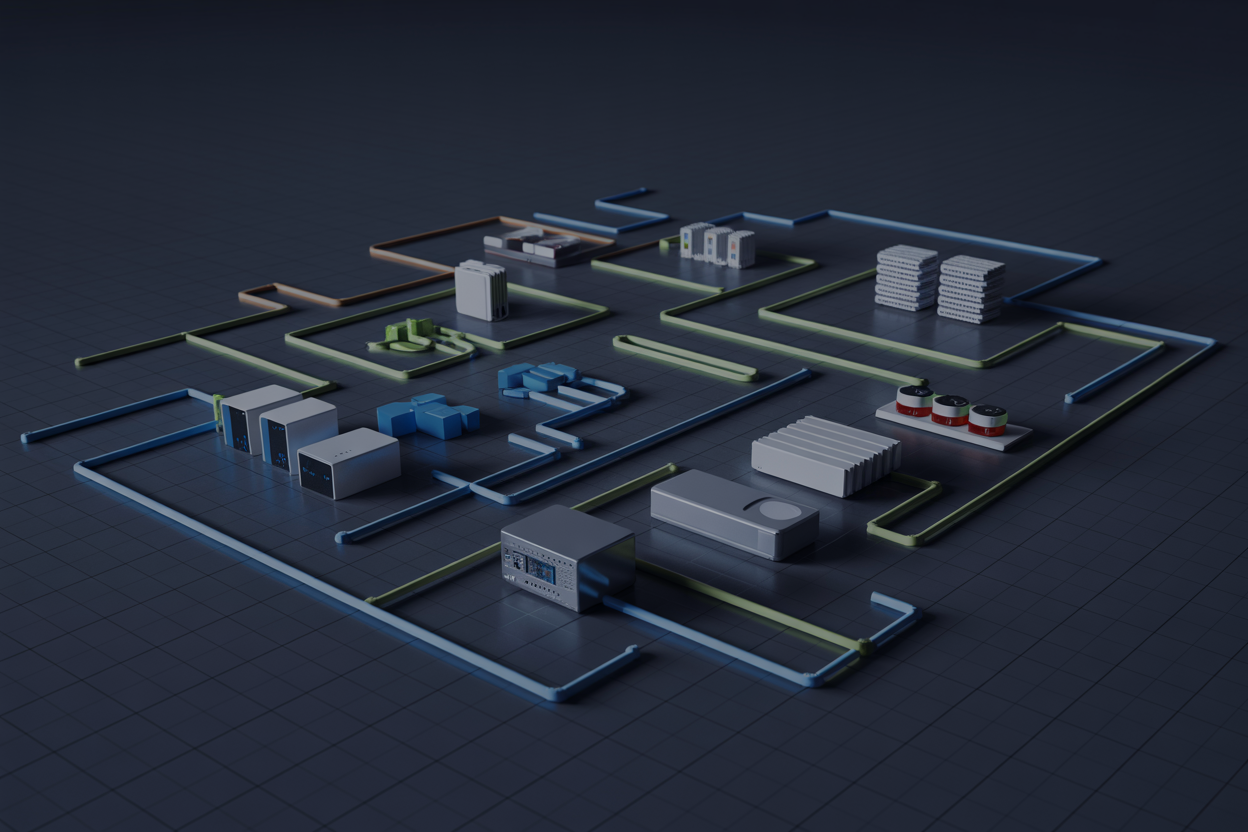
A. Isolating Environments with Separate State Files and Workspaces
Use Terraform workspaces or separate backends per environment to avoid state collisions.
B. Defining Reusable Modules
Build modular, parameterized components as your sandbox foundation.
C. Managing Variable Inputs
Use .tfvars files to toggle test scenarios cleanly.
D. Automating Provisioning and Teardown
Schedule terraform destroy post-testing to cut cloud costs.
Designing a Scalable Sandbox Architecture

A. Structuring Your Repository for Maximum Reusability
Organize modules by function—networking, compute, storage—so teams grab only what they need.
B. Separating Sandbox from Production
Use distinct workspaces or accounts. Never share state files.
C. Remote Backends
Store state in S3 or GCS for team-wide access.
D. Guardrails
Set budget alerts and auto-destroy policies.
E. Tagging
Tag every resource with owner, environment, and cost-center.
Writing Effective Terraform Tests Against Your Sandbox

Getting Started with Terratest for Automated Validation
Run Go-based tests against real infrastructure spun up in your sandbox. Terratest deploys resources, validates outputs, then destroys everything automatically.
Using Native Terraform Test Blocks
Built-in terraform test commands handle lightweight checks without extra tooling.
Validating Outputs and Running Policy Checks with OPA and Checkov
Combine output assertions with Checkov scans for complete Terraform infrastructure testing coverage.
Integrating Sandbox Testing into Your CI/CD Pipeline

A. Triggering Sandbox Creation Automatically on Pull Requests
Configure your Terraform CI/CD pipeline to spin up a fresh sandbox on every PR using GitHub Actions or GitLab CI.
B. Running Parallel Test Suites
Split tests across modules to cut wait times dramatically.
C. Capturing Results
Publish JUnit reports directly to your PR dashboard for instant team visibility.
Maintaining and Evolving Your Sandbox Over Time

A. Versioning Sandbox Modules
Pin module versions using Git tags to avoid surprise breakages.
B. Cleaning Up Stale Resources
Schedule automated cleanup jobs to destroy unused sandbox resources regularly.
C. Gathering Team Feedback
Run quick retrospectives to identify gaps in sandbox coverage.
D. Scaling Across Cloud Providers
Reuse sandbox patterns across AWS, Azure, and GCP using provider-agnostic abstractions.

Testing Terraform infrastructure doesn’t have to be chaotic or inconsistent. By building a reusable sandbox environment, you get a reliable, isolated space to catch issues early, validate changes safely, and keep your team moving without the fear of breaking production. From designing a scalable architecture to writing meaningful tests and plugging everything into your CI/CD pipeline, each piece works together to give you a solid foundation for confident infrastructure changes.
The sandbox isn’t a one-and-done setup either — it grows with your needs. Keep revisiting it, refining your tests, and making sure it reflects how your real infrastructure actually behaves. Start small if you need to, but start. The sooner you have a proper testing environment in place, the fewer surprises you’ll run into down the road.