Managing Shared Infrastructure in DevOps: A Practical Guide
Running shared infrastructure in a DevOps environment is one of those things that sounds straightforward until three teams are stepping on each other’s deployments at 2 AM on a Friday.
This guide is for DevOps engineers, platform teams, and engineering managers who are responsible for managing cloud infrastructure that multiple teams depend on. If your organization has outgrown the “everyone does their own thing” approach and needs a real system, you’re in the right place.
Here’s what we’ll walk through:
- Ownership and accountability — how to define who owns what in a multi-team infrastructure setup so nothing falls through the cracks
- Infrastructure as Code best practices — how to build shared environments that are version-controlled, repeatable, and safe for multiple teams to work in without constant conflicts
- Access control and cost optimization — how to lock down DevOps access control across teams without slowing everyone down, and how to stop shared infrastructure from quietly burning through your cloud budget
No fluff, no theory-for-theory’s-sake. Just practical approaches that actually work when you’ve got real teams, real deadlines, and real consequences for getting it wrong.
Understanding Shared Infrastructure in DevOps

What Is Shared Infrastructure?
Shared infrastructure means multiple teams use the same cloud resources, pipelines, or environments. In DevOps, this drives faster delivery but creates real headaches around ownership, security, and costs. Done right, it cuts spending and boosts collaboration. Done poorly, it causes outages, finger-pointing, and runaway bills.
Establishing Clear Ownership and Accountability

Assign Dedicated Teams, Build Ownership, and Resolve Issues Fast
Clear infrastructure ownership in DevOps prevents blame games. Assign dedicated teams to shared components, create transparent ownership models using simple RACI charts, document responsibilities in a shared wiki, and define escalation paths so issues reach the right people fast—keeping multi-team infrastructure management smooth and conflict-free.
Implementing Infrastructure as Code for Shared Environments

A. Standardize Configuration With Reusable IaC Templates
Use Terraform modules or Ansible roles to create shared, reusable templates.
B. Version Control Shared Infrastructure
Store all IaC in Git to track changes across teams.
C. Automate Provisioning
CI/CD pipelines eliminate manual errors instantly.
D. Modular Code Design
Isolates team changes safely.
E. Test Before Deploying
Run terratest checks first.
Managing Access Control and Security Across Teams

Apply Least Privilege Principles to Shared Resources
Grant teams only the permissions they actually need—nothing more.
Centralize Identity Management for Easier Oversight
Use a single identity provider across all shared environments to keep DevOps access control manageable.
Audit Access Logs Regularly to Spot Risks Early
- Review logs weekly
- Flag unusual access patterns immediately
Optimizing Cost Efficiency in Shared Infrastructure

A. Monitor Resource Utilization to Eliminate Waste
Track idle resources using cloud-native tools like AWS Cost Explorer.
B. Implement Chargeback Models to Promote Responsible Usage
Bill teams for actual consumption, encouraging mindful usage.
C. Scale Shared Resources Dynamically to Match Demand
Use auto-scaling to avoid over-provisioning.
D. Use Tagging Strategies to Track Spending by Team
Tag every resource by team, project, and environment for clear cost attribution across shared infrastructure DevOps setups.
Maintaining Reliability and Minimizing Downtime

Adopt Change Management Processes to Reduce Risk
Use staged rollouts and approval gates before pushing changes to shared environments.
Build Redundancy Into Critical Shared Components
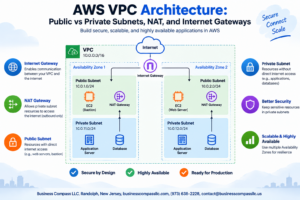
Deploy across multiple availability zones to eliminate single points of failure.
Define and Enforce Service Level Agreements
Set clear uptime targets teams can actually hold each other accountable to.
Conduct Regular Incident Reviews
Turn every outage into a learning opportunity—blameless postmortems strengthen DevOps reliability engineering fast.

Managing shared infrastructure in DevOps doesn’t have to feel like herding cats. With clear ownership, solid access controls, and Infrastructure as Code practices in place, your teams can work together without stepping on each other’s toes. Keeping an eye on costs and prioritizing reliability means fewer late-night incidents and a healthier bottom line for everyone involved.
The real win comes from treating shared infrastructure as a team sport rather than a battleground. Start small — pick one area from this guide, whether that’s tightening up access controls or rolling out IaC for a shared environment, and build from there. Small, consistent improvements add up fast, and before long, your teams will be collaborating smoothly instead of firefighting constantly.