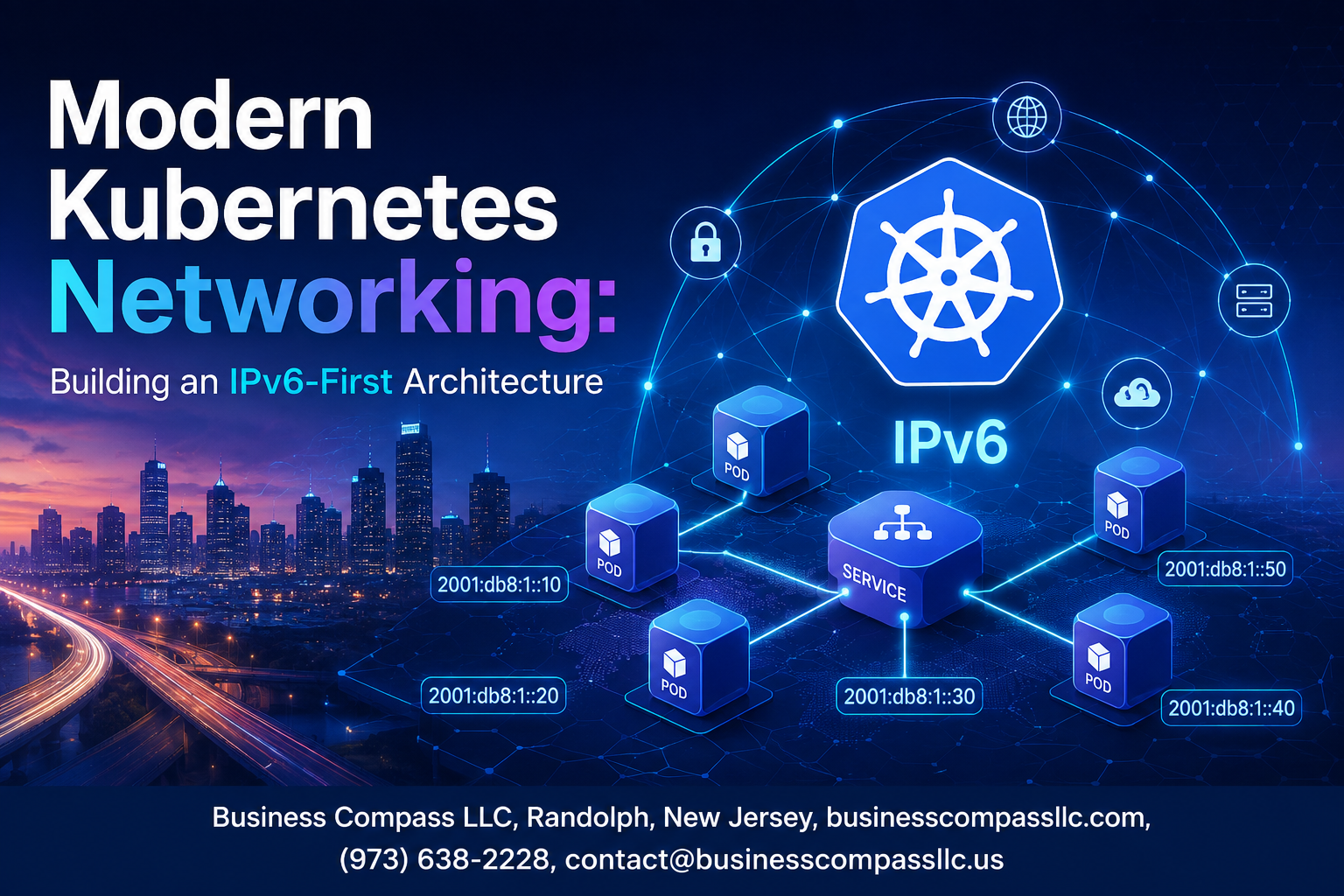
Modern Kubernetes Networking: Building an IPv6-First Architecture
IPv4 addresses are running out, and your Kubernetes clusters are going to feel that pressure sooner than you think. If you’re a platform engineer, DevOps practitioner, or cloud architect who’s been putting off the IPv6 conversation, this is your sign to stop waiting.
This guide is built for teams who are ready to move beyond patched-together dual-stack workarounds and actually design a Kubernetes IPv6 networking strategy that holds up in production. We’ll walk through the core concepts you need before touching a single cluster config, how to structure a solid IPv6-first Kubernetes architecture from the ground up, and how to keep your legacy IPv4 systems talking to your shiny new IPv6 environment without breaking everything in the process.
No fluff, no hand-waving — just practical guidance on Kubernetes dual-stack configuration, IPv6 cluster setup, and the networking best practices that actually matter when you’re working at scale.
Why IPv6-First Is the Future of Kubernetes Networking
The Limitations Holding Back IPv4 in Large-Scale Clusters
IPv4’s 4.3 billion addresses simply can’t keep up with modern Kubernetes IPv6 networking demands. NAT workarounds add latency and complexity, breaking end-to-end connectivity.
Key Benefits of Adopting IPv6 as Your Primary Protocol
- Massive address space
- Simpler routing
- Native security features
How IPv6 Unlocks Scalability for Growing Kubernetes Workloads
IPv6-first Kubernetes architecture removes NAT bottlenecks entirely.
Core Concepts Every Engineer Must Know Before Migrating

Understanding IPv6 Address Structure and Allocation in Kubernetes
IPv6 gives each pod a globally unique 128-bit address. Kubernetes carves allocations from a /48 or /56 prefix, assigning /64 blocks per node—giving you virtually unlimited pod addresses without NAT headaches, which changes how you plan Pod and Service CIDRs dramatically compared to IPv4 clusters.
Designing a Robust IPv6-First Cluster Architecture
Choosing the Right CNI Plugin for Native IPv6 Support
Calico, Cilium, and Flannel all handle IPv6-first Kubernetes architecture differently — Cilium’s eBPF engine gives you the best performance for native dual-stack configuration, making it the top pick for modern clusters prioritizing IPv6 cluster setup and scalability without sacrificing observability.
Securing Your IPv6-First Kubernetes Environment
Applying Network Policies Effectively in IPv6 Deployments
Kubernetes IPv6 security requires explicit dual-stack network policies covering both address families. Always define podSelector rules targeting IPv6 CIDRs alongside IPv4.
Hardening Against IPv6-Specific Attack Vectors
Block rogue Router Advertisements and neighbor discovery spoofing using RA Guard.
Managing Firewall Rules for IPv6 Traffic
Mirror every IPv4 security group rule into IPv6 equivalents — gaps here get exploited fast.
Ensuring Seamless Connectivity with Legacy IPv4 Systems

Using NAT64 and DNS64 to Bridge IPv6 and IPv4 Workloads
Deploy NAT64/DNS64 to translate traffic between IPv6-native pods and IPv4-only external services seamlessly.
Maintaining Backward Compatibility Without Sacrificing Performance
- Run dual-stack configurations temporarily
- Avoid double-NAT chains that crush latency
Testing Cross-Protocol Connectivity Before Full Cutover
Always validate IPv4-IPv6 reachability using curl, dig, and synthetic traffic tools before migrating production workloads.
Monitoring, Troubleshooting, and Optimizing IPv6 Performance

Essential Tools for Diagnosing IPv6 Network Issues in Kubernetes
Use ping6, traceroute6, and tcpdump with IPv6 filters for Kubernetes network troubleshooting. Tools like Cilium’s Hubble give real-time IPv6 traffic visibility.
Setting Up Metrics and Alerts Specific to IPv6 Traffic Patterns
- Track
ipv6_packets_totalin Prometheus - Alert on NDP failures and dropped packets

IPv6-first Kubernetes networking is no longer just a forward-thinking experiment — it’s quickly becoming the practical choice for teams who want to scale without hitting the walls that IPv4 limitations create. From understanding the core concepts before you migrate, to designing a solid cluster architecture, locking down security, and keeping your legacy IPv4 systems talking to your new setup, each piece of this puzzle matters. And once everything is running, having the right monitoring and troubleshooting habits in place is what separates a smooth operation from a constant firefighting situation.
If you’re planning a migration or starting a new cluster from scratch, now is a great time to go IPv6-first rather than treating it as an afterthought. Start small, test your dual-stack connectivity thoroughly, and build your security policies with IPv6 in mind from day one. The shift takes some learning, but the payoff — better scalability, cleaner address management, and a network built for the long haul — is absolutely worth it.