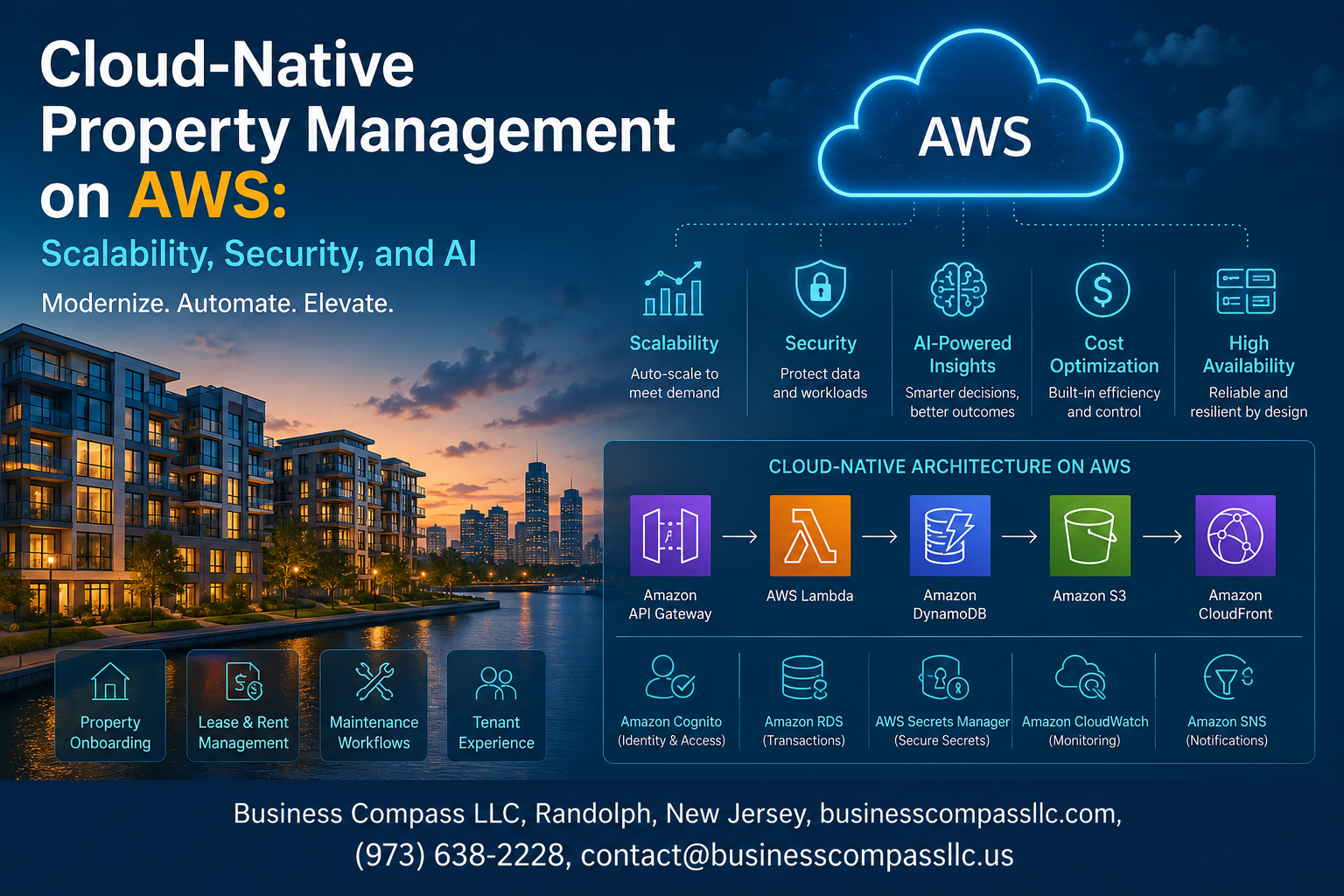
Cloud-Native Property Management on AWS: Scalability, Security, and AI
If you manage a growing real estate portfolio, you already know the pain: software that slows down when you add new properties, security gaps that keep you up at night, and manual tasks that eat hours you don’t have.
This guide is for property managers, real estate operators, and tech leads who are ready to move beyond legacy systems and build something that actually scales. We’ll walk through how a cloud-native property management platform on AWS handles real portfolio growth without breaking a sweat, how to lock down sensitive tenant and financial data using AWS property management security best practices, and how AI property management tools and machine learning are cutting the busywork that drains your team every day.
No fluff — just the practical stuff you need to know.
Why Cloud-Native Architecture Transforms Property Management

Key Limitations of Traditional Property Management Systems
Legacy property management systems were built for a different era. They struggle with:
- Siloed data that makes cross-portfolio reporting a nightmare
- Manual workflows that slow down rent collection, maintenance requests, and lease renewals
- On-premise infrastructure that breaks under peak demand — think month-end rent processing
- Expensive upgrade cycles that require downtime and IT overhead
- Zero remote access, leaving property managers stuck at a desk to get anything done
How Cloud-Native Design Eliminates Operational Bottlenecks
A cloud-native property management platform built on AWS replaces rigid, monolithic architecture with loosely coupled microservices that can scale, update, and recover independently. When a maintenance request spike hits or a large portfolio onboarding kicks off, individual services stretch to meet demand without dragging down the entire system. Automated pipelines push updates with zero downtime, so your team never loses access during critical leasing windows.
Business Benefits of Migrating to AWS Infrastructure
Moving to AWS property management infrastructure pays off across the board:
- Lower operational costs — pay only for what you use, no idle server capacity sitting on the books
- Faster time-to-market for new features like tenant portals or AI-driven rent pricing
- Global reach with AWS regions that put your platform closer to tenants and owners wherever they are
- Built-in disaster recovery that keeps data safe and operations running even when things go wrong
- Scalable property management software that grows alongside your portfolio without renegotiating contracts or buying new hardware
AWS Services That Power Scalable Property Management Platforms

Leveraging Amazon EC2 and Auto Scaling for Peak Demand Handling
When rent is due or a maintenance request flood hits your system, Amazon EC2 paired with Auto Scaling keeps your AWS property management platform running without a sweat. Instead of over-provisioning servers year-round, you only spin up capacity when demand spikes, cutting costs while keeping tenants happy.
- Automatically adds EC2 instances during high-traffic periods like rent collection cycles
- Scales down during quiet periods to avoid unnecessary cloud spend
- Supports multi-AZ deployments for high availability across geographic regions
Using Amazon RDS and DynamoDB for Reliable Data Management
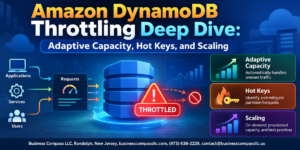
Tenant records, lease agreements, and payment histories need rock-solid storage. Amazon RDS handles structured relational data with automated backups and multi-AZ failover, while DynamoDB manages high-speed, flexible data like real-time maintenance tickets and tenant activity logs at massive scale.
- RDS supports PostgreSQL and MySQL for complex property financial data
- DynamoDB delivers single-digit millisecond response times for tenant-facing features
- Both services include built-in encryption, supporting property management security on AWS
Accelerating Performance with Amazon CloudFront and Elastic Load Balancing
Slow load times drive tenants away from your portal fast. CloudFront caches and delivers content from edge locations closest to the user, while Elastic Load Balancing spreads traffic evenly across your servers so no single instance gets overwhelmed during busy periods.
- CloudFront reduces latency for tenant portals, leasing pages, and document downloads
- ELB automatically reroutes traffic if one server goes down
- Together, they create a seamless, fast experience for both tenants and property managers
Streamlining Operations with AWS Lambda Serverless Functions
AWS Lambda handles background tasks without you managing any servers at all. For scalable property management software, Lambda is perfect for triggering automated rent reminders, processing maintenance requests, or running nightly financial reconciliations the moment a specific event fires.
- Executes code only when triggered, so you pay for nothing sitting idle
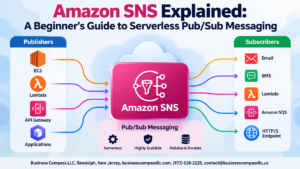
- Integrates cleanly with Amazon SNS and SES for automated tenant notifications
- Pairs well with DynamoDB Streams to react to real-time data changes instantly
Scaling Effortlessly to Match Portfolio Growth

Handling Thousands of Properties Without Performance Degradation
AWS Auto Scaling keeps your scalable property management software running smoothly whether you’re managing 50 units or 50,000. Services like Amazon ECS and DynamoDB automatically adjust compute and database capacity during peak leasing seasons, so tenants never hit a slow portal when submitting maintenance requests or paying rent.
- Amazon DynamoDB handles millions of tenant records with single-digit millisecond response times
- Elastic Load Balancing distributes traffic across multiple instances, eliminating bottlenecks
- Amazon CloudFront caches static assets globally, cutting page load times dramatically
Reducing Infrastructure Costs with Pay-As-You-Grow Pricing
One of the biggest wins with an AWS property management platform is ditching the old model of buying servers for your busiest day and watching them sit idle the rest of the year.
- Reserved Instances cut costs by up to 72% for predictable baseline workloads
- Spot Instances handle batch processing tasks like report generation at a fraction of on-demand pricing
- AWS Cost Explorer gives property managers real visibility into spending per portfolio segment
Enabling Seamless Multi-Region Expansion for Property Portfolios
Growing into new cities or countries? Cloud-native property management on AWS makes geographic expansion straightforward. Amazon Route 53 routes tenant traffic to the nearest data center, while Aurora Global Database replicates property and financial data across regions with sub-second latency, keeping every office in sync without complicated infrastructure overhead.
Protecting Sensitive Tenant and Financial Data on AWS

Enforcing Access Control with AWS Identity and Access Management
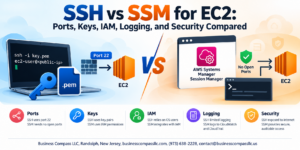
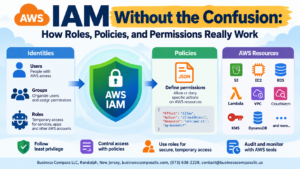
Property management security on AWS starts with locking down who can access what. AWS IAM lets you assign granular permissions to every user, role, and service in your system — so your maintenance staff never accidentally touches financial records, and your accountants can’t reach tenant background check data.
- Create role-based access policies tied to job functions
- Apply least-privilege principles so users only see what they need
- Enable multi-factor authentication for all admin accounts
- Use IAM Identity Center to manage access across multiple AWS accounts from one place
Encrypting Data at Rest and in Transit Using AWS Key Management Service
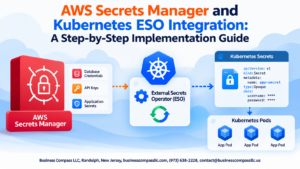
Tenant personal data and rent payment records need strong encryption at every stage. AWS KMS handles encryption key creation, rotation, and storage automatically, meaning your sensitive data stays protected whether it’s sitting in an S3 bucket or traveling between services.
- Encrypt databases, file storage, and backups using KMS-managed keys
- Set automatic key rotation schedules to reduce exposure risk
- Integrate KMS directly with RDS, DynamoDB, and S3 with minimal configuration
- Use TLS/SSL certificates to protect data moving across your platform
Detecting and Responding to Threats with Amazon GuardDuty
Your AWS property management platform handles real money and real personal data, which makes it a target. GuardDuty continuously monitors your AWS environment for unusual behavior — things like unexpected API calls, compromised credentials, or suspicious network traffic — and flags threats before they escalate.
- Analyzes CloudTrail logs, VPC Flow Logs, and DNS logs around the clock
- Generates actionable findings ranked by severity
- Connects with AWS Lambda to trigger automated responses to detected threats
- Covers multi-account environments through AWS Organizations integration
Meeting Industry Compliance Standards with AWS Security Hub
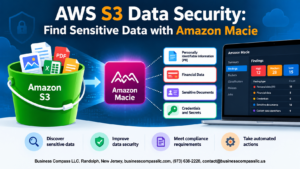
Property management companies often deal with regulations around financial data handling and tenant privacy. AWS Security Hub pulls security findings from GuardDuty, Inspector, Macie, and other services into one dashboard, giving your team a clear picture of where your compliance gaps are.
- Maps your security posture against standards like PCI DSS and CIS AWS Foundations
- Aggregates findings across services so nothing gets missed
- Prioritizes remediation steps based on potential impact
- Supports audit readiness by generating compliance reports on demand
Maintaining Business Continuity with Automated Backup and Disaster Recovery
Downtime in property management means missed rent payments, frustrated tenants, and lost trust. AWS makes it straightforward to build automated backup routines and disaster recovery plans that keep your platform running even when something goes wrong.
- Use AWS Backup to schedule and manage backups across RDS, EFS, and DynamoDB from one place
- Set recovery point objectives (RPOs) and recovery time objectives (RTOs) that match your business needs
- Deploy across multiple AWS Availability Zones to eliminate single points of failure
- Test recovery procedures regularly using AWS Elastic Disaster Recovery to confirm your plan actually works when needed
AI and Machine Learning Capabilities That Boost Property Management Efficiency

Predicting Maintenance Needs Before Costly Failures Occur
AI property management tools running on AWS can flag potential equipment failures days or weeks before they actually happen. By pulling data from IoT sensors on HVAC systems, elevators, and plumbing, machine learning models spot unusual patterns and alert your maintenance team automatically — cutting emergency repair costs significantly.
Optimizing Rental Pricing with Amazon SageMaker Forecasting Models
Amazon SageMaker lets property managers build and deploy custom forecasting models that analyze local market trends, seasonal demand, vacancy rates, and comparable listings in real time. Instead of guessing rent prices or relying on outdated spreadsheets, you get data-backed recommendations that keep your units competitive while maximizing revenue across your entire portfolio.
Enhancing Tenant Experiences Through AI-Powered Communication Tools
- AI chatbots handle routine tenant requests — maintenance submissions, payment questions, lease renewals — around the clock without human involvement
- Sentiment analysis tools scan tenant feedback and flag dissatisfied residents before they decide to move out
- Automated notifications keep tenants informed about maintenance schedules, community updates, and lease deadlines
- Natural language processing routes complex inquiries to the right team member instantly
This kind of cloud-native property management approach means your team spends less time on repetitive back-and-forth and more time building genuine tenant relationships that drive long-term retention.
Proven Steps to Successfully Migrate Property Management Systems to AWS
Assessing Current Infrastructure and Defining Migration Goals
Before moving anything to AWS, take a hard look at what you’re working with. Map out your existing systems — tenant databases, lease management tools, maintenance tracking software — and identify what’s slowing you down or creating security gaps. Set clear, measurable goals:
- Performance targets — faster load times, reduced downtime
- Cost benchmarks — expected savings on infrastructure
- Compliance requirements — data protection standards for tenant financial records
- Scalability needs — how many units you plan to manage in 2–5 years
Choosing the Right Migration Strategy for Minimal Disruption
AWS cloud migration for property management doesn’t have to mean flipping a switch overnight. The “6 Rs” framework gives you practical options:
- Rehost (Lift-and-Shift) — move existing apps to AWS quickly with minimal changes, great for legacy property management software
- Replatform — make small optimizations during migration, like moving databases to Amazon RDS
- Refactor — rebuild core systems as cloud-native property management applications for maximum long-term scalability
- Retire/Retain — drop outdated tools and keep systems that still deliver real value
A phased rollout, starting with non-critical workloads like reporting or document storage, keeps daily operations running smoothly while you build confidence with the AWS property management platform.
Training Property Management Teams to Maximize AWS Platform Value
Even the best AWS setup falls flat if your team doesn’t know how to use it. Hands-on training matters far more than reading documentation. Focus on:
- Role-specific training — property managers learning tenant portal tools, finance teams mastering AWS-powered reporting dashboards
- AWS certification programs — cloud practitioner paths for IT staff managing the platform
- Ongoing learning — regular workshops as new AI property management tools and features roll out
- Internal champions — identify tech-savvy team members who can support colleagues day-to-day

Cloud-native property management on AWS brings together everything you need to run a modern, growing portfolio — reliable scalability, strong data security, and smart AI-driven tools that save time and cut costs. From leveraging core AWS services to migrating your existing systems with minimal disruption, the path to a more efficient operation is clearer than ever.
If you’re managing properties and still relying on outdated, on-premise systems, now is the time to make the move. Start by identifying the biggest pain points in your current setup — whether that’s slow performance during peak leasing seasons, data security gaps, or manual processes eating up your team’s day. AWS gives you the building blocks to fix all of that, and the investment pays off quickly when your platform can grow right alongside your portfolio.