

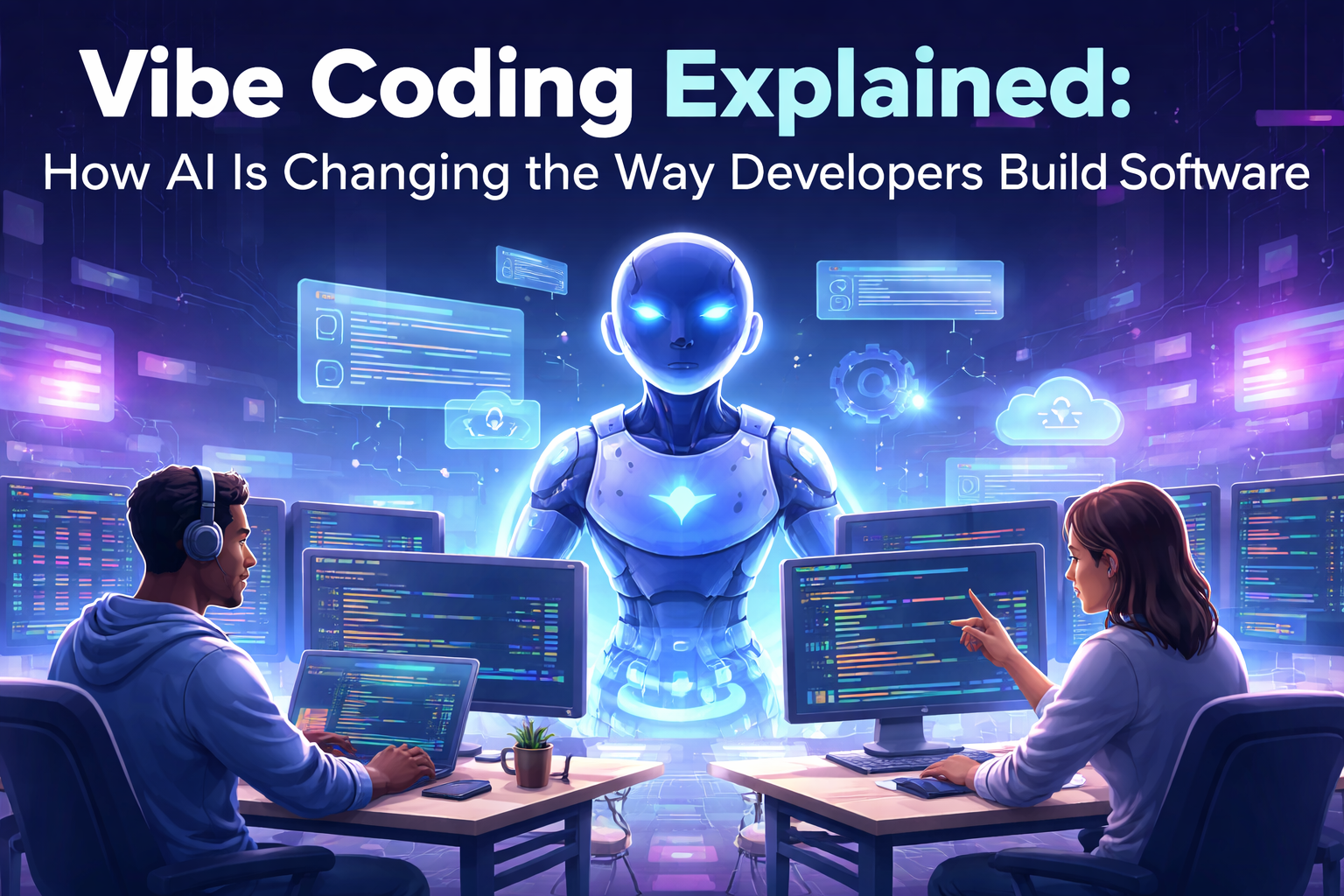
Vibe coding is transforming how developers approach software creation, blending intuitive workflows with AI-powered development tools that understand your coding style and project needs. This new paradigm shifts away from rigid programming structures toward a more fluid, collaborative relationship between human creativity and artificial intelligence programming.
Who this guide is for: Software developers, team leads, and engineering managers who want to understand how AI coding tools can boost their productivity and improve their development process.
We’ll explore how AI tools are reshaping the developer experience by providing intelligent code completion and automated code generation that feels natural rather than intrusive. You’ll discover how AI integration accelerates development cycles while maintaining code quality, and learn practical strategies your team can use to implement these AI development workflow improvements without disrupting your current processes.
The days of fighting against your tools are over – vibe coding with AI-assisted coding creates a seamless partnership that amplifies your skills rather than replacing them.
What Is Vibe Coding and Why It Matters for Modern Development
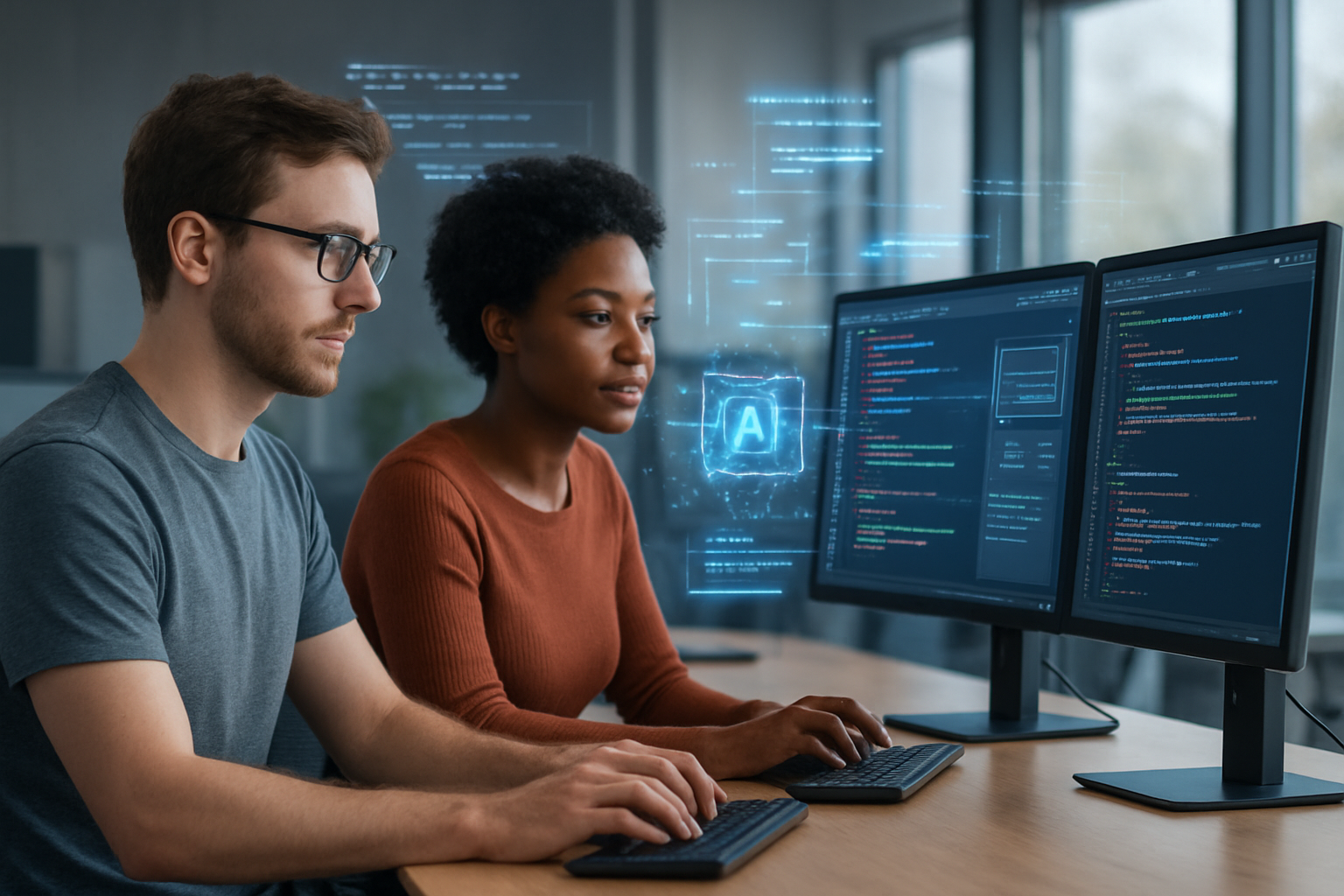
Understanding the core concept of intuitive, AI-assisted programming
Vibe coding represents a revolutionary shift in how developers approach software creation. Instead of wrestling with complex syntax and memorizing countless commands, programmers can now express their intentions naturally while AI-powered development tools handle the technical heavy lifting. This approach prioritizes the developer’s creative flow and problem-solving mindset over traditional coding constraints.
At its heart, vibe coding relies on artificial intelligence programming to bridge the gap between human thought and machine execution. Developers describe what they want to accomplish, and AI coding tools translate these intentions into functional code. Think of it as having a highly skilled coding partner who understands your vision and can instantly implement it across multiple programming languages and frameworks.
The magic happens through machine learning software development algorithms that have been trained on millions of lines of code. These systems recognize patterns, understand context, and can predict what developers are trying to achieve even with minimal input. This creates an almost telepathic relationship between programmer and machine, where the traditional barriers of syntax and language-specific quirks fade into the background.
How vibe coding differs from traditional coding methodologies
Traditional development follows a rigid pattern: developers must master specific syntax, memorize function names, and navigate complex documentation. Every semicolon, bracket, and indentation matters. One small mistake can break entire applications, leading to frustrating debugging sessions that consume valuable time and mental energy.
Vibe coding flips this script entirely. The focus shifts from perfect syntax to clear communication of intent. AI-assisted coding platforms understand natural language descriptions and convert them into working code across multiple programming languages simultaneously. Developers can prototype ideas rapidly without getting bogged down in implementation details.
| Traditional Coding | Vibe Coding |
|---|---|
| Syntax-dependent | Intent-focused |
| Language-specific expertise required | Cross-platform fluency |
| Manual documentation lookup | AI-powered context awareness |
| Linear development process | Iterative, conversational approach |
| Error-prone implementation | Intelligent error prevention |
The difference becomes even more pronounced when handling complex tasks. Traditional methods require developers to break down problems into minute technical steps, while vibe coding allows them to describe high-level objectives and let AI development workflow systems handle the granular implementation details.
The shift from syntax-heavy to intention-driven development
This paradigm shift represents the most significant change in programming since the advent of high-level languages. Developers no longer need to be walking encyclopedias of API references and syntax rules. Instead, they become architects of software solutions, focusing on business logic and user experience rather than technical minutiae.
Automated code generation takes care of boilerplate code, common patterns, and routine implementations. Intelligent code completion goes beyond simple autocomplete to suggest entire functions and modules based on context. This transformation allows developers to maintain their creative momentum without interruption.
The intention-driven approach also democratizes programming. Junior developers can contribute meaningfully to complex projects without years of syntax memorization. Senior developers can explore new technologies and frameworks without the traditional learning curve. This levels the playing field and accelerates team productivity across all skill levels.
Why developers are embracing this new paradigm
The developer community’s enthusiasm for vibe coding stems from its practical benefits. Developer productivity tools powered by AI eliminate countless hours spent on routine coding tasks, documentation searches, and debugging syntax errors. Projects that once took weeks can now be prototyped in days or even hours.
Burnout reduction plays a crucial role in this adoption. When developers spend less time fighting with syntax and more time solving interesting problems, job satisfaction increases dramatically. The creative aspects of programming—designing elegant solutions and crafting user experiences—take center stage while mundane technical tasks fade into the background.
The collaborative advantages are equally compelling. Teams can communicate ideas more effectively when they’re not constrained by technical jargon. Product managers can better understand development constraints, and developers can more easily translate business requirements into technical solutions. This improved communication leads to better products and more satisfied stakeholders across the entire development lifecycle.
AI Tools Transforming the Developer Experience
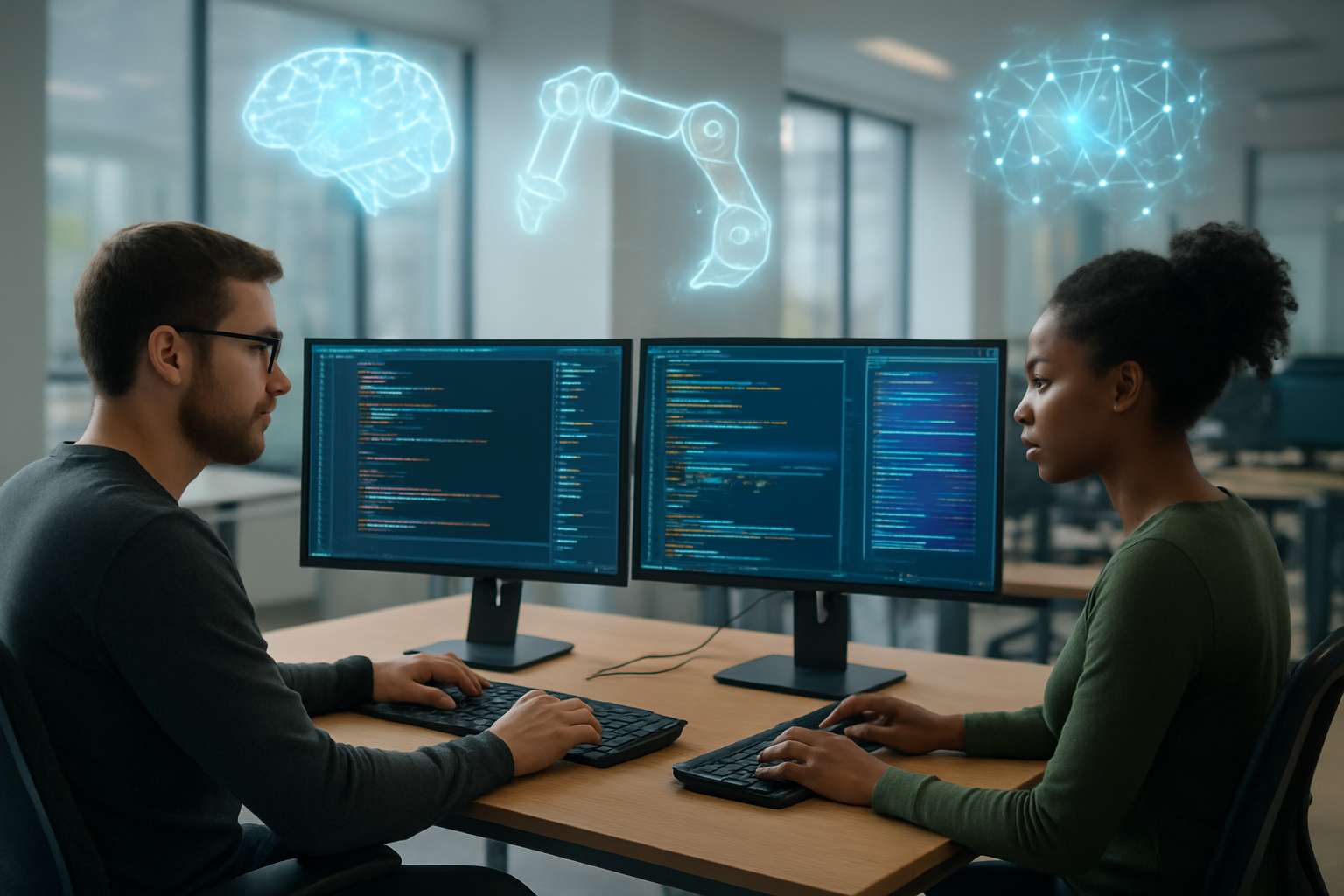
Code completion and intelligent suggestions that understand context
Modern AI-powered development tools have revolutionized how developers write code by providing intelligent completions that go far beyond simple text matching. These advanced systems analyze your entire codebase, understand project patterns, and suggest code snippets that fit seamlessly into your existing architecture. GitHub Copilot, TabNine, and CodeWhisperer represent the cutting edge of this technology, learning from millions of code repositories to provide contextually relevant suggestions.
What sets these tools apart is their deep understanding of programming languages, frameworks, and coding conventions. They can predict not just the next line of code, but entire functions, classes, and modules based on comments, variable names, and surrounding context. When you type a function name like calculateTotalPrice, the AI instantly understands you’re building an e-commerce feature and suggests appropriate logic for tax calculations, discount applications, and currency formatting.
The real magic happens when these tools adapt to your team’s coding style and project-specific patterns. They learn from your existing code quality standards, naming conventions, and architectural decisions, ensuring suggestions align with your development workflow. This context awareness dramatically reduces the time spent on boilerplate code and repetitive programming tasks.
Natural language to code translation capabilities
AI coding tools now bridge the gap between human communication and programming languages through sophisticated natural language processing. Developers can describe functionality in plain English, and AI systems translate these descriptions into working code. This capability transforms the development process, especially for complex algorithms or when working with unfamiliar APIs.
Tools like GPT-4-powered coding assistants excel at understanding nuanced requirements. You might say “create a function that sorts user data by registration date and handles null values,” and receive a complete, production-ready function with error handling and proper documentation. This translation capability extends beyond simple functions to entire application components, database schemas, and even deployment configurations.
The technology particularly shines when dealing with domain-specific logic or integrating multiple technologies. Developers can describe business rules in natural language, and the AI generates appropriate code while considering performance implications, security requirements, and maintainability best practices.
Automated debugging and error resolution features
AI-assisted coding brings powerful debugging capabilities that automatically identify, analyze, and suggest fixes for code issues. These systems scan your codebase for potential bugs, security vulnerabilities, and performance bottlenecks before they become problems in production. Advanced error analysis goes beyond syntax checking to understand logical errors and edge cases.
When runtime errors occur, AI debugging tools provide detailed explanations of what went wrong and why. They analyze stack traces, examine variable states, and cross-reference similar issues from vast databases of debugging scenarios. Many tools offer step-by-step resolution guides, suggesting specific code changes with explanations of how each fix addresses the underlying problem.
The proactive nature of AI debugging transforms error handling from reactive troubleshooting to preventive development. These tools flag potential issues during the coding process, highlight code smells, and recommend refactoring opportunities that improve overall code health and maintainability.
Real-time code optimization and refactoring assistance
AI development workflow tools continuously analyze code performance and suggest optimizations in real-time. They identify inefficient algorithms, unnecessary computations, and memory usage patterns that could impact application performance. These suggestions range from simple variable optimizations to complex architectural improvements.
Automated refactoring assistance helps maintain clean, readable code throughout the development process. AI tools can restructure functions, extract reusable components, and apply design patterns that improve code organization. They understand when to break down large functions, how to eliminate code duplication, and when to introduce abstractions that enhance maintainability.
The real-time aspect means developers receive optimization suggestions as they code, preventing technical debt accumulation. These tools consider factors like code readability, performance implications, and testing requirements when suggesting improvements, ensuring that optimizations don’t compromise other aspects of code quality.
Accelerated Development Cycles Through AI Integration

Reduced time from concept to working prototype
AI-powered development tools dramatically slash the time between having an idea and seeing it work. Traditional prototype development used to take weeks or even months, but vibe coding changes this completely. AI coding tools can generate functional code scaffolding in minutes, letting developers focus on the unique aspects of their application rather than wrestling with setup and configuration.
Modern AI development workflow tools understand context and can build entire application structures from simple descriptions. A developer can describe a web application that needs user authentication, data storage, and an API, and the AI assistant will generate the foundational code, database schemas, and even basic UI components. This speed boost means development teams can validate ideas quickly, pivot when needed, and deliver value to users much faster.
The real game-changer comes from how these tools learn your coding patterns and preferences. As you work with AI-assisted coding tools, they adapt to your team’s style and architecture choices, making future prototypes even faster to generate.
Elimination of repetitive coding tasks and boilerplate generation
Boilerplate code has always been the bane of developer productivity. Writing the same CRUD operations, setting up database connections, creating form validations, and handling error cases eats up countless hours that could be spent on creative problem-solving. Artificial intelligence programming tools excel at recognizing these patterns and generating them automatically.
Machine learning software development platforms can identify when you’re starting a new component or service and instantly provide the standard structure you need. Instead of copying and pasting from previous projects or writing repetitive getter and setter methods, AI coding tools handle these mundane tasks seamlessly.
The impact goes beyond just saving time. When AI handles the repetitive work, developers make fewer copy-paste errors and maintain more consistent code standards across projects. Teams report that automated code generation tools reduce bugs in standard operations by up to 60% because the AI generates tested, proven patterns rather than hastily written custom code.
Faster iteration and testing with AI-powered assistance
Testing cycles that once took days now happen in hours thanks to intelligent code completion and AI-powered test generation. These developer productivity tools don’t just write your main application code – they also create comprehensive test suites, mock data, and even performance benchmarks.
AI development workflow systems can analyze your code changes and automatically generate relevant unit tests, integration tests, and edge case scenarios you might have missed. When you modify a function, the AI suggests which existing tests need updates and can even predict potential breaking points in your application.
The iteration speed improvement is remarkable. Developers can make changes, run AI-generated tests, get feedback, and refine their approach multiple times in a single day. This rapid feedback loop means bugs get caught earlier, features get polished faster, and the overall quality of the final product improves significantly.
Smart debugging assistance also accelerates troubleshooting. AI tools can analyze error logs, suggest probable causes, and even recommend specific fixes based on similar issues in their training data. This means less time spent scratching your head over cryptic error messages and more time building features that matter.
Enhanced Code Quality and Collaboration Benefits

Consistent coding standards across development teams
Vibe coding brings uniformity to development teams like never before. AI-powered development tools automatically enforce style guidelines, naming conventions, and architectural patterns across entire codebases. When developers write code, these intelligent systems instantly suggest corrections that align with established team standards, eliminating the guesswork around formatting and structure.
Modern AI coding tools learn from your existing codebase patterns and apply them consistently to new code. This means junior developers can write code that matches senior developer standards without extensive mentoring. The AI acts as a real-time style guide, catching inconsistencies before they make it into version control.
Development teams see immediate benefits in code reviews. Instead of spending time nitpicking formatting issues, reviewers can focus on logic, architecture, and functionality. Pull requests become cleaner, discussions become more productive, and the overall development workflow speeds up significantly.
Improved code documentation and commenting automation
AI-assisted coding transforms documentation from a dreaded chore into an automated process. Machine learning software development tools analyze code context and generate meaningful comments, docstrings, and API documentation without developer intervention. These systems understand code purpose and create human-readable explanations that actually help other developers.
Automated code generation extends to README files, changelog entries, and technical specifications. AI tools scan codebases and generate comprehensive documentation that stays current with code changes. When functions get updated, the documentation updates automatically, solving the persistent problem of outdated docs.
Smart commenting goes beyond simple descriptions. AI development workflow tools identify complex algorithms, explain business logic, and highlight potential edge cases. They create documentation that serves both immediate team members and future developers who might inherit the codebase.
Better error prevention through predictive analysis
Predictive analysis in artificial intelligence programming catches bugs before they happen. These systems analyze code patterns, identify potential failure points, and suggest preventive measures during the writing process. Developers get warnings about null pointer exceptions, memory leaks, and logic errors while they’re still in the development phase.
AI-powered development tools learn from historical bug data to predict where new issues might emerge. They analyze similar code patterns that previously caused problems and alert developers to potential risks. This proactive approach reduces debugging time and improves software stability.
The predictive capabilities extend to performance optimization. AI tools identify code sections that might cause bottlenecks, suggest more efficient algorithms, and recommend best practices for resource management. Teams catch performance issues during development rather than in production.
Seamless knowledge sharing between junior and senior developers
Developer productivity tools powered by AI create natural mentorship opportunities within development teams. When junior developers write code, intelligent code completion systems suggest patterns and approaches that senior developers typically use. This organic knowledge transfer happens during the coding process itself.
AI tools capture institutional knowledge that might otherwise exist only in senior developers’ heads. These systems learn from experienced team members’ coding patterns and share that knowledge through real-time suggestions and code examples. Junior developers benefit from years of expertise without requiring constant supervision.
Code review processes become educational experiences rather than gatekeeping exercises. AI development workflow tools explain why certain changes are suggested, provide context about architectural decisions, and offer alternative approaches. This creates a learning environment where knowledge flows naturally from AI systems trained on senior developer expertise to junior team members actively building their skills.
Practical Implementation Strategies for Development Teams

Choosing the right AI coding tools for your tech stack
Selecting the perfect AI-powered development tools starts with understanding your team’s specific needs and existing technology infrastructure. GitHub Copilot works exceptionally well for teams heavily invested in the Microsoft ecosystem, while Tabnine offers broader language support across different IDEs. Amazon CodeWhisperer integrates seamlessly with AWS services, making it ideal for cloud-native development teams.
Your programming languages play a crucial role in tool selection. Python and JavaScript developers have the widest range of AI coding tools available, while teams working with specialized languages like Rust or Go should prioritize tools with strong support for their specific syntax and frameworks. Consider your IDE preferences too – Visual Studio Code users have access to more AI development workflow extensions compared to other editors.
Budget constraints often determine the final decision. Free tiers from major providers give teams a taste of AI-assisted coding capabilities, but production environments typically require paid subscriptions. Evaluate the cost per developer against productivity gains to justify the investment.
| Tool | Best For | Language Support | Pricing Model |
|---|---|---|---|
| GitHub Copilot | General development | 30+ languages | $10/month per user |
| Tabnine | Enterprise teams | 20+ languages | Free + Premium tiers |
| CodeWhisperer | AWS environments | 15+ languages | Free + Pro tiers |
Training developers to maximize AI assistant effectiveness
Getting your development team comfortable with vibe coding requires structured training that goes beyond basic tool installation. Start by establishing clear guidelines about when and how to use AI coding tools effectively. Developers need to understand that these tools work best as collaborative partners rather than replacement solutions.
Create hands-on workshops where team members practice prompt engineering – the art of crafting clear, specific requests that generate useful code suggestions. Effective prompts include context about the project, specific requirements, and desired coding patterns. For example, instead of asking for “a login function,” developers should specify “a secure login function using JWT tokens for a Node.js Express API with input validation.”
Pair programming sessions work incredibly well for AI tool adoption. Experienced developers can demonstrate best practices while newcomers learn to interpret and refine AI-generated suggestions. This collaborative approach builds confidence and reveals practical techniques that documentation often misses.
Set up regular feedback sessions where developers share their experiences, challenges, and discovered techniques. This knowledge sharing accelerates team-wide adoption and helps identify common pitfalls before they become widespread issues.
Integrating AI workflows into existing development processes
Successful integration of artificial intelligence programming tools requires careful consideration of your current development lifecycle. Start by identifying bottlenecks where automated code generation can make the biggest impact – repetitive tasks, boilerplate creation, and routine testing scenarios are prime candidates.
Modify your code review processes to account for AI-generated content. Establish clear guidelines about reviewing AI suggestions, focusing on logic verification, security implications, and adherence to team coding standards. Many teams find that AI-assisted code actually improves review quality because developers spend more time analyzing functionality rather than syntax.
Your CI/CD pipeline should include specific checks for AI-generated code. Automated testing becomes even more critical when machine learning software development tools contribute to your codebase. Implement additional static analysis tools and security scanners to catch potential issues that human reviewers might miss.
Documentation practices need updating too. When AI tools generate significant portions of code, make sure the reasoning and requirements that guided those generations are well-documented. This helps future developers understand and modify the code when needed.
Consider creating AI-specific coding standards that outline acceptable use cases, required human oversight levels, and quality gates for different types of AI-generated content. These standards should evolve based on your team’s experience and the maturity of your chosen developer productivity tools.

Vibe coding represents a fundamental shift in how we approach software development, moving from rigid frameworks to fluid, AI-enhanced workflows that adapt to each developer’s unique style. The integration of AI tools has made it possible for teams to write cleaner code faster while maintaining quality standards that previously required extensive manual oversight. This approach doesn’t just speed up development cycles – it creates an environment where developers can focus on creative problem-solving rather than repetitive tasks.
The benefits extend far beyond individual productivity gains. Teams that embrace vibe coding report stronger collaboration, fewer bugs in production, and the ability to experiment with new ideas without the traditional overhead. Start small by introducing one AI tool to your workflow, measure the impact on your team’s output, and gradually expand your toolkit as you discover what works best for your projects. The future of development isn’t about replacing human creativity – it’s about amplifying it through intelligent assistance that understands your coding vibe.