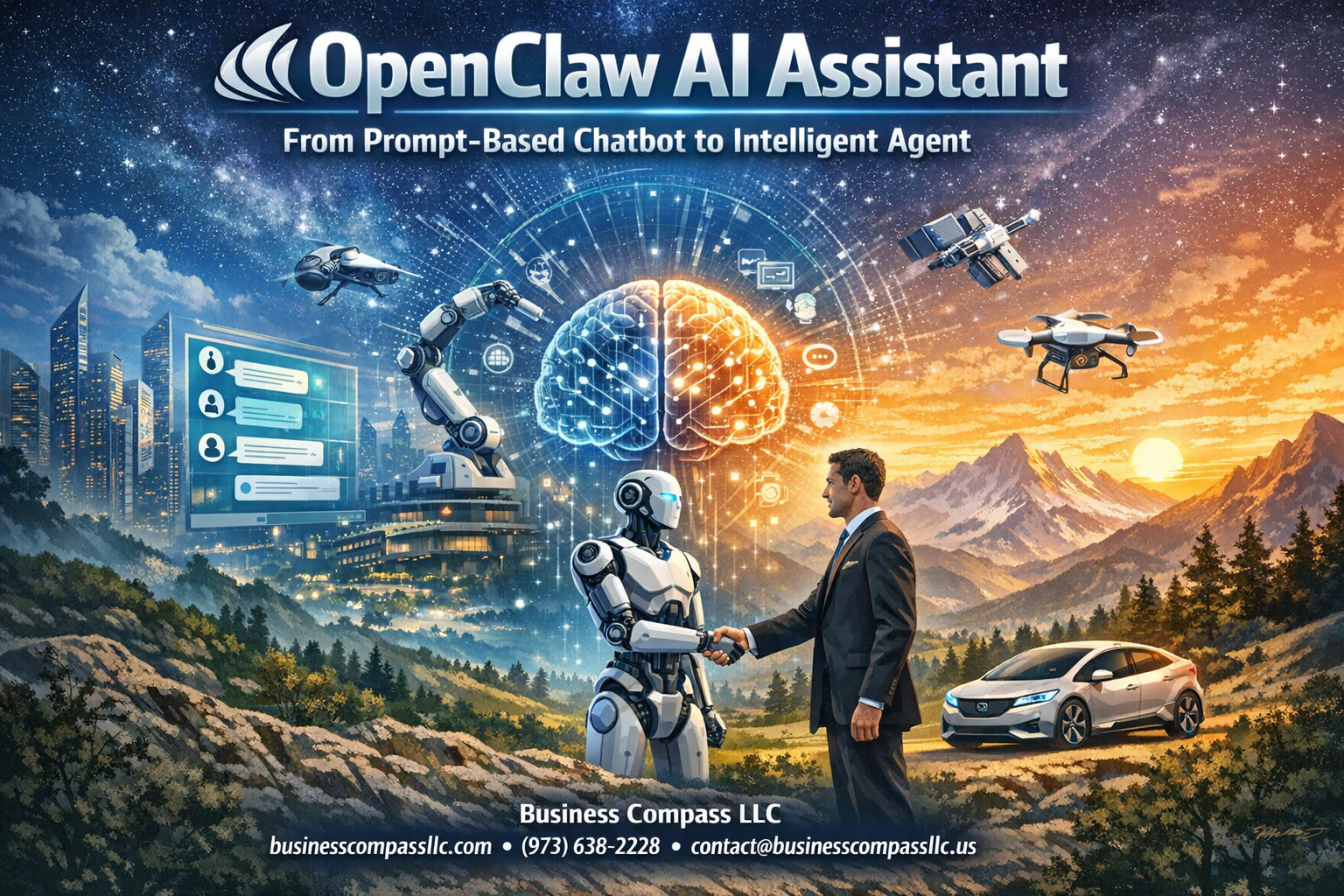
OpenClaw AI assistant represents a major shift in conversational AI technology, transforming from basic prompt-based AI systems into sophisticated intelligent agents that can handle complex business tasks. This evolution matters for developers, business leaders, and AI implementers who want to understand how modern AI chatbot evolution creates real value beyond simple question-and-answer interactions.
Who This Guide Helps
This comprehensive overview targets technical teams evaluating AI agent implementation, business strategists planning intelligent automation solutions, and decision-makers seeking practical AI assistant use cases that deliver measurable returns.
What You’ll Learn
We’ll explore OpenClaw’s intelligent agent architecture and examine the key OpenClaw features that separate it from traditional chatbots. You’ll also discover proven AI agent ROI strategies through real-world applications and get actionable implementation guidance to maximize your investment in this advanced conversational AI technology.
Understanding OpenClaw AI’s Core Architecture

Advanced Natural Language Processing Capabilities
OpenClaw AI assistant leverages cutting-edge natural language processing that goes way beyond basic keyword matching. The system uses transformer-based neural networks to understand context, nuance, and even implied meanings in conversations. Unlike traditional prompt-based AI systems that simply pattern-match responses, OpenClaw’s NLP engine analyzes sentence structure, semantic relationships, and conversational context to generate truly relevant responses.
The architecture employs multiple layers of language understanding, from syntactic parsing to pragmatic inference. This means OpenClaw can handle complex queries that involve multiple topics, maintain context across lengthy conversations, and even pick up on subtle linguistic cues like sarcasm or uncertainty. The system’s vocabulary isn’t static either – it continuously expands through exposure to new domains and terminology.
What makes this particularly powerful is how OpenClaw handles ambiguous queries. Instead of giving generic responses, it uses contextual clues and user history to disambiguate meaning and provide personalized answers that actually address what users are trying to accomplish.
Multi-Modal Input Handling for Enhanced User Interaction
OpenClaw’s intelligent agent architecture supports various input types beyond simple text. Users can interact through voice commands, upload documents, share images, or even provide structured data files. This multi-modal approach creates a more natural and flexible user experience.
The system processes voice inputs using advanced speech recognition that adapts to different accents, speaking speeds, and background noise levels. Document analysis capabilities allow OpenClaw to extract key information from PDFs, spreadsheets, and presentations, making it invaluable for business workflows.
Image processing functionality enables users to upload screenshots, diagrams, or photos for analysis and discussion. OpenClaw can identify objects, read text within images, and understand visual relationships – turning conversations into collaborative problem-solving sessions rather than simple question-and-answer exchanges.
Real-Time Learning and Adaptation Mechanisms
The conversational AI technology behind OpenClaw includes sophisticated learning mechanisms that improve performance with each interaction. The system doesn’t just store conversations; it analyzes patterns, identifies successful response strategies, and adapts its communication style to match user preferences.
Real-time adaptation happens at multiple levels. OpenClaw learns domain-specific terminology from ongoing conversations, adjusts response length and complexity based on user feedback, and remembers individual user preferences for future interactions. This creates a personalized experience that gets better over time.
The learning system also incorporates feedback loops that help OpenClaw understand when responses were helpful versus when they missed the mark. This continuous improvement cycle means the AI assistant becomes more effective at handling specific business processes and user workflows.
Integration with External Systems and Databases
OpenClaw’s architecture includes robust integration capabilities that connect with existing business systems, databases, and third-party applications. Rather than operating in isolation, the AI agent can pull real-time data from CRMs, inventory systems, knowledge bases, and other corporate resources.
API integrations allow OpenClaw to perform actions beyond conversation – updating records, triggering workflows, scheduling meetings, or generating reports. The system can authenticate with various platforms and maintain secure connections while handling sensitive business data.
Database connectivity enables OpenClaw to query information dynamically, providing users with current data rather than static responses. Whether accessing customer records, product catalogs, or project status updates, the AI assistant becomes a unified interface for organizational knowledge and systems.
Evolution from Simple Chatbot to Sophisticated Agent

Breaking free from rigid prompt-response limitations
Traditional chatbots operate like vending machines – you insert a specific prompt, and they spit out a predetermined response. The OpenClaw AI assistant breaks this mold completely by moving beyond simple pattern matching to genuine understanding. Instead of relying on static databases of canned responses, it processes natural language with sophisticated comprehension that adapts to conversational nuances.
Early chatbot systems would stumble when users deviated from expected scripts or asked follow-up questions that required connecting multiple pieces of information. OpenClaw’s architecture eliminates these frustrations by understanding context, intent, and the underlying meaning behind user queries. This means users can speak naturally without worrying about finding the “right” keywords or phrases that trigger appropriate responses.
The shift from prompt-based AI systems to intelligent conversation represents a fundamental change in how humans interact with technology. Rather than learning the system’s language, the system learns yours. This creates more intuitive interactions where users can express complex ideas, ask clarifying questions, and receive responses that feel genuinely helpful rather than robotic.
Developing contextual awareness and memory retention
OpenClaw’s contextual awareness transforms every interaction from an isolated exchange into part of an ongoing conversation. The system remembers previous discussions, understands references to earlier topics, and maintains awareness of your preferences and requirements across multiple sessions.
This memory retention capability means you don’t have to repeat background information or re-establish context every time you engage with the assistant. If you discussed a project last week, OpenClaw remembers the details and can pick up where you left off. This continuity creates a more natural working relationship that mirrors how humans collaborate with colleagues or consultants.
The conversational AI technology underlying this feature goes beyond simple data storage. OpenClaw understands the relationships between different pieces of information, recognizes patterns in your workflow, and proactively suggests relevant resources or solutions based on your history. This creates an experience that feels less like using software and more like working with a knowledgeable partner who understands your goals and challenges.
Building autonomous decision-making capabilities
The most significant evolution in OpenClaw’s development involves its ability to make independent decisions within defined parameters. Rather than waiting for explicit instructions at every step, the system can analyze situations, weigh options, and take appropriate actions based on established objectives and constraints.
This intelligent automation goes far beyond rule-based systems that follow predetermined if-then logic. OpenClaw evaluates complex scenarios, considers multiple variables, and makes nuanced decisions that account for context, priorities, and potential consequences. For example, when managing scheduling conflicts, it doesn’t just flag overlaps – it suggests optimal solutions based on meeting importance, participant availability, and your stated preferences.
The autonomous capabilities extend to learning and adaptation. The system observes outcomes from its decisions, learns from feedback, and refines its approach over time. This creates an AI assistant that becomes more valuable and effective the longer you work with it, developing an understanding of your specific needs and working style that enables increasingly sophisticated support.
Key Features That Set OpenClaw Apart

Proactive Task Initiation and Completion
Unlike traditional prompt-based AI systems that wait for user commands, OpenClaw AI assistant takes initiative by analyzing patterns in user behavior and workflow requirements. The system continuously monitors ongoing projects and identifies opportunities to streamline processes before bottlenecks occur. When deadlines approach or critical tasks remain incomplete, OpenClaw automatically generates reminders, suggests priority adjustments, and can even begin preliminary work on related tasks.
This proactive approach transforms the typical reactive chatbot experience into something more like having a skilled virtual assistant who anticipates needs. For instance, if you regularly prepare monthly reports, OpenClaw learns this pattern and starts gathering relevant data, formatting templates, and organizing resources days before the deadline. The system’s ability to complete multi-step tasks autonomously sets it apart from conventional AI chatbot evolution models that require constant user guidance.
Dynamic Workflow Management and Optimization
OpenClaw’s intelligent agent architecture includes sophisticated workflow analysis capabilities that adapt to changing business requirements. The system maps out complex processes, identifies inefficiencies, and recommends optimizations based on real-time performance data. Rather than following rigid predetermined paths, OpenClaw adjusts workflows dynamically as conditions change.
The platform tracks task dependencies, resource availability, and team capacity to suggest the most efficient execution strategies. When unexpected delays or priority shifts occur, OpenClaw automatically recalibrates timelines and redistributes workloads. This intelligent automation solution eliminates the manual overhead typically associated with project management while ensuring optimal resource allocation across all active initiatives.
Seamless Cross-Platform Connectivity
Modern organizations rely on dozens of different tools and platforms, creating data silos that hinder productivity. OpenClaw features robust integration capabilities that connect disparate systems without requiring extensive technical setup. The assistant pulls information from CRM systems, project management tools, communication platforms, and databases to create a unified operational view.
This connectivity enables OpenClaw to execute tasks across multiple platforms simultaneously. The system can update project statuses in one tool while sending notifications through another and generating reports in a third application. Users experience a seamless workflow where information flows naturally between systems, eliminating the need to manually sync data or switch between different interfaces throughout the day.
Personalized User Experience Through Behavioral Learning
OpenClaw’s behavioral learning algorithms continuously analyze user preferences, communication styles, and work patterns to deliver increasingly personalized interactions. The system learns individual vocabularies, understands context-specific terminology, and adapts its communication tone to match user preferences. This creates a more natural, conversational AI technology experience that feels tailored to each person’s unique working style.
The personalization extends beyond communication preferences to include task prioritization, information presentation formats, and notification timing. OpenClaw recognizes when users are most productive, adjusts its interaction frequency accordingly, and presents information in formats that align with individual learning preferences. This behavioral adaptation creates a truly customized AI assistant experience that becomes more valuable over time.
Advanced Reasoning and Problem-Solving Abilities
The sophisticated reasoning engine that powers OpenClaw enables the system to tackle complex, multi-faceted challenges that would typically require human intervention. Rather than simply responding to direct queries, OpenClaw analyzes problems holistically, considers multiple solution paths, and evaluates potential outcomes before recommending actions.
This advanced reasoning capability allows OpenClaw to handle ambiguous requests, make logical inferences from incomplete information, and connect seemingly unrelated data points to identify innovative solutions. The system can break down complex objectives into manageable subtasks, anticipate potential obstacles, and develop contingency plans. These AI agent implementation features make OpenClaw particularly valuable for strategic planning, troubleshooting technical issues, and managing projects with multiple variables and stakeholders.
Real-World Applications and Use Cases

Business Process Automation and Efficiency Gains
OpenClaw AI assistant transforms mundane business operations into streamlined workflows. Companies across manufacturing, finance, and logistics deploy this intelligent automation solution to eliminate bottlenecks and reduce manual intervention.
Manufacturing teams rely on OpenClaw to monitor production schedules, predict equipment maintenance needs, and optimize supply chain operations. The AI agent processes thousands of data points from sensors and inventory systems, automatically adjusting production parameters to prevent costly downtime. One automotive parts manufacturer reduced their production delays by 40% after implementing OpenClaw’s predictive maintenance protocols.
Financial institutions leverage OpenClaw for invoice processing, compliance monitoring, and risk assessment. The system reads contracts, extracts key terms, and flags potential issues before they become problems. Banks report processing loan applications 60% faster while maintaining higher accuracy standards.
Human resource departments automate candidate screening, interview scheduling, and employee onboarding workflows. OpenClaw reviews resumes against job requirements, schedules interviews based on availability matrices, and guides new hires through documentation processes. This reduces HR administrative time by up to 35% while improving candidate experience.
Customer Service Transformation and Support Excellence
OpenClaw AI assistant revolutionizes customer interactions by providing instant, accurate responses across multiple channels. Unlike traditional prompt-based AI systems, OpenClaw maintains context throughout complex conversations and escalates seamlessly to human agents when needed.
E-commerce platforms integrate OpenClaw to handle product inquiries, order tracking, and return processing. The AI agent accesses real-time inventory data, shipping information, and customer purchase history to provide personalized assistance. Customers receive immediate answers to questions about product compatibility, delivery estimates, and warranty coverage.
Technical support teams benefit from OpenClaw’s ability to diagnose common issues and walk customers through troubleshooting steps. The system analyzes error messages, system logs, and user descriptions to identify root causes quickly. Software companies report 45% reduction in average resolution time and higher customer satisfaction scores.
Healthcare organizations deploy OpenClaw for appointment scheduling, prescription refill requests, and basic health inquiries. The AI agent verifies insurance coverage, checks provider availability, and sends appointment reminders automatically. Patients appreciate the 24/7 availability and reduced wait times for routine requests.
Content Creation and Creative Collaboration
Creative teams harness OpenClaw’s intelligent agent architecture for ideation, content development, and collaborative workflows. Marketing departments generate campaign concepts, social media content, and product descriptions with OpenClaw’s assistance while maintaining brand voice consistency.
Digital agencies use OpenClaw to create blog posts, email newsletters, and website copy tailored to specific audiences. The AI agent analyzes competitor content, identifies trending topics, and suggests content angles that resonate with target demographics. Content teams produce 50% more material without compromising quality standards.
Video production companies leverage OpenClaw for script development, shot planning, and post-production workflows. The system generates storyboards, suggests camera angles, and creates editing timelines based on project requirements. Independent filmmakers particularly benefit from OpenClaw’s ability to streamline pre-production planning on limited budgets.
Educational content creators collaborate with OpenClaw to develop course materials, assessment questions, and interactive learning experiences. The AI agent adapts content complexity based on learner profiles and suggests multimedia elements to enhance engagement.
Data Analysis and Actionable Insights Generation
OpenClaw AI assistant processes complex datasets to uncover patterns, trends, and opportunities that drive strategic decisions. Sales teams analyze customer behavior, market trends, and competitive positioning to optimize pricing and inventory strategies.
Retail chains use OpenClaw to examine purchase patterns, seasonal fluctuations, and demographic preferences. The AI agent identifies which products sell best in specific locations and recommends inventory adjustments accordingly. Store managers receive daily insights about optimal product placement and promotional opportunities.
Marketing departments leverage OpenClaw’s analytical capabilities to measure campaign effectiveness, customer acquisition costs, and lifetime value metrics. The system tracks conversion rates across channels, identifies high-performing content themes, and suggests budget reallocation strategies.
Healthcare analytics teams deploy OpenClaw to analyze patient outcomes, treatment effectiveness, and operational efficiency. The AI agent processes electronic health records, identifies care gaps, and suggests preventive interventions. Hospitals improve patient satisfaction while reducing readmission rates through data-driven care protocols.
Financial services firms rely on OpenClaw for fraud detection, credit risk assessment, and investment portfolio optimization. The system monitors transaction patterns, flags suspicious activities, and provides risk scores for lending decisions in real-time.
Implementation Strategies for Maximum ROI

Assessing Organizational Readiness and Requirements
Before diving into OpenClaw AI assistant implementation, organizations need to take a honest look at their current infrastructure and capabilities. Start by evaluating your existing technology stack – can it handle AI agent integration without major overhauls? Look at your data quality and accessibility since AI agents perform best when they have clean, well-organized information to work with.
Your team’s technical expertise matters too. Do you have staff who can manage AI agent implementation, or will you need external support? Consider your company culture and how employees might react to intelligent automation solutions. Some teams embrace new technology quickly, while others need more time to adapt.
Budget planning goes beyond the initial software costs. Factor in training expenses, potential system upgrades, and ongoing maintenance. Many companies underestimate the resources needed for successful AI agent ROI strategies, leading to underwhelming results.
Document your specific use cases clearly. Are you looking to handle customer service inquiries, automate internal processes, or create more sophisticated conversational AI technology experiences? Each goal requires different implementation approaches and success metrics.
Customization Options for Specific Industry Needs
OpenClaw AI’s flexibility shines when tailored to industry-specific requirements. Healthcare organizations can customize the system to handle HIPAA compliance while managing patient inquiries and appointment scheduling. The AI agent learns medical terminology and follows strict privacy protocols.
Financial services benefit from customized security features and regulatory compliance tools. Banks can train their OpenClaw AI assistant to understand financial products, process account inquiries, and detect potential fraud patterns while maintaining strict data protection standards.
Retail businesses often customize the platform for inventory management, customer support, and sales assistance. The AI agent can track product availability, process returns, and provide personalized shopping recommendations based on customer history.
Manufacturing companies adapt the system for supply chain management, quality control reporting, and maintenance scheduling. The intelligent agent architecture handles complex workflows and integrates with existing ERP systems.
Education institutions customize OpenClaw for student support, course recommendations, and administrative tasks. The AI assistant can answer enrollment questions, track academic progress, and provide 24/7 support for online learners.
Training and Onboarding Best Practices
Successful OpenClaw implementation starts with comprehensive team training. Begin with key stakeholders who will become your internal champions. These early adopters should understand both the technical capabilities and business applications of your AI agent implementation.
Create role-specific training programs rather than one-size-fits-all approaches. Customer service representatives need different skills than IT administrators or managers overseeing AI agent ROI strategies. Hands-on practice sessions work better than lengthy theoretical presentations.
Start small with pilot programs in low-risk areas. Let teams experiment with basic prompt-based AI systems before moving to more complex intelligent automation solutions. This gradual approach builds confidence and identifies potential issues early.
Establish clear protocols for AI agent interactions. Train staff on when to intervene, how to escalate complex issues, and how to continuously improve the system’s performance. Regular feedback sessions help refine the AI assistant’s responses and capabilities.
Document everything during the onboarding process. Create easy-to-follow guides, troubleshooting resources, and best practice examples. This documentation becomes invaluable as you scale the implementation across different departments.
Monitor user adoption rates and gather feedback consistently. Some team members might struggle with new conversational AI technology, while others quickly discover innovative applications you hadn’t considered.

OpenClaw AI Assistant has transformed from a basic prompt-response tool into a sophisticated intelligent agent that can handle complex tasks and adapt to various business needs. The platform’s unique architecture, combined with its advanced learning capabilities and versatile applications across industries, makes it a standout choice for organizations looking to automate processes and enhance productivity.
The real value of OpenClaw lies in its ability to go beyond simple conversations and actually execute meaningful work. Companies that approach implementation strategically—focusing on clear use cases, proper training, and measurable outcomes—see the best returns on their investment. Start small with one specific process, measure the results, and then expand from there. Your future self will thank you for making the jump to intelligent automation now.