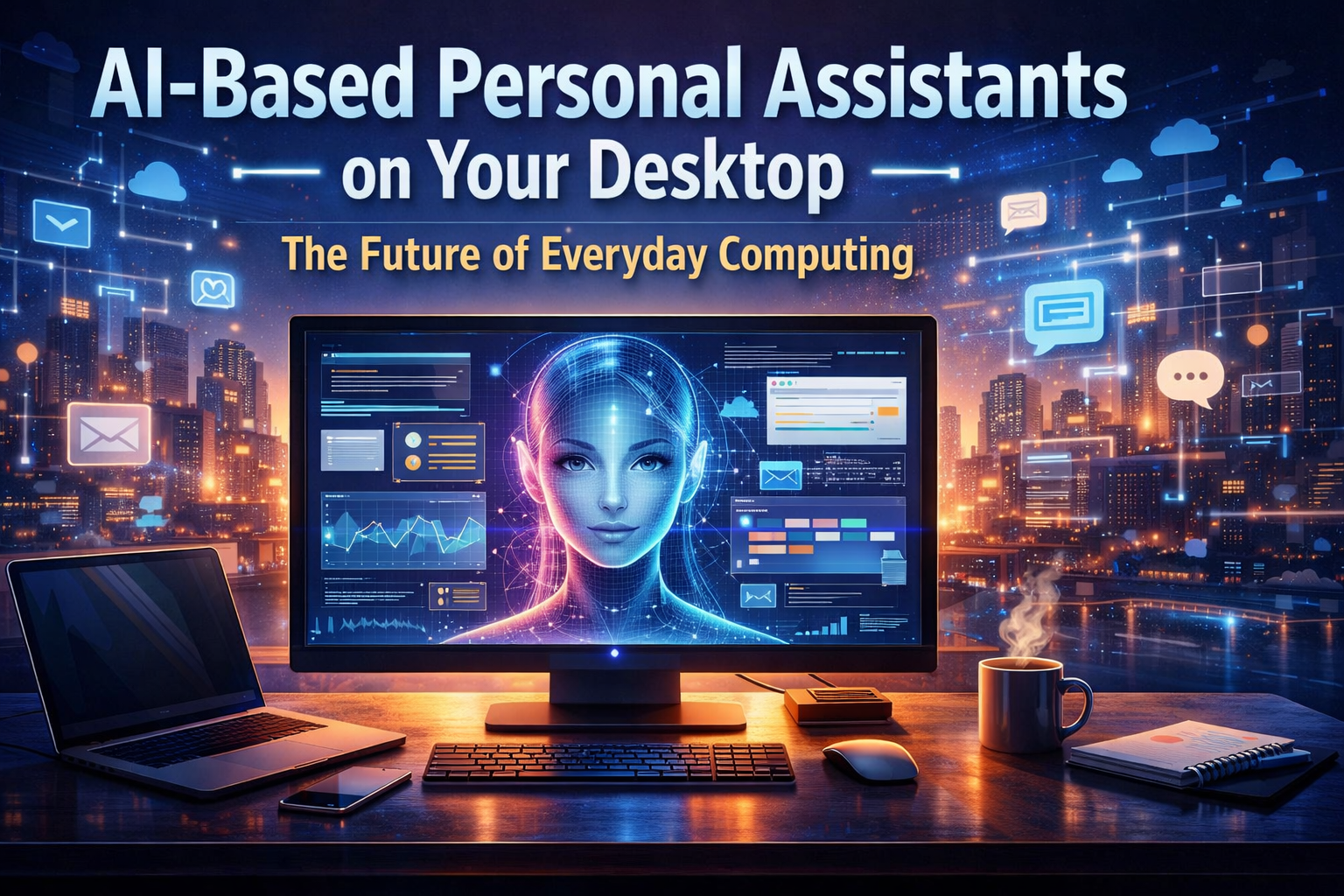
AI desktop assistants are transforming how we interact with our personal computers, moving beyond simple voice commands to become intelligent computing assistants that understand context, learn your habits, and automate complex tasks. This technology isn’t just for tech enthusiasts anymore—it’s for busy professionals, students, creative workers, and anyone who wants their computer to work smarter, not harder.
Modern desktop AI productivity tools can schedule meetings while checking your calendar conflicts, organize files based on project relevance, and even draft emails that match your writing style. These AI-powered desktop applications are becoming as essential as your web browser or word processor.
We’ll explore how AI assistant software for Windows and Mac can boost your daily productivity by automating routine tasks and providing intelligent suggestions when you need them most. You’ll also discover how these smart desktop productivity software solutions integrate seamlessly with your existing apps and workflows, creating a unified experience across everything from email to project management tools. Finally, we’ll cover the privacy and security features that keep your personal data protected while still delivering personalized assistance.
Understanding AI-Powered Desktop Assistants and Their Core Capabilities
Voice Recognition and Natural Language Processing for Seamless Communication
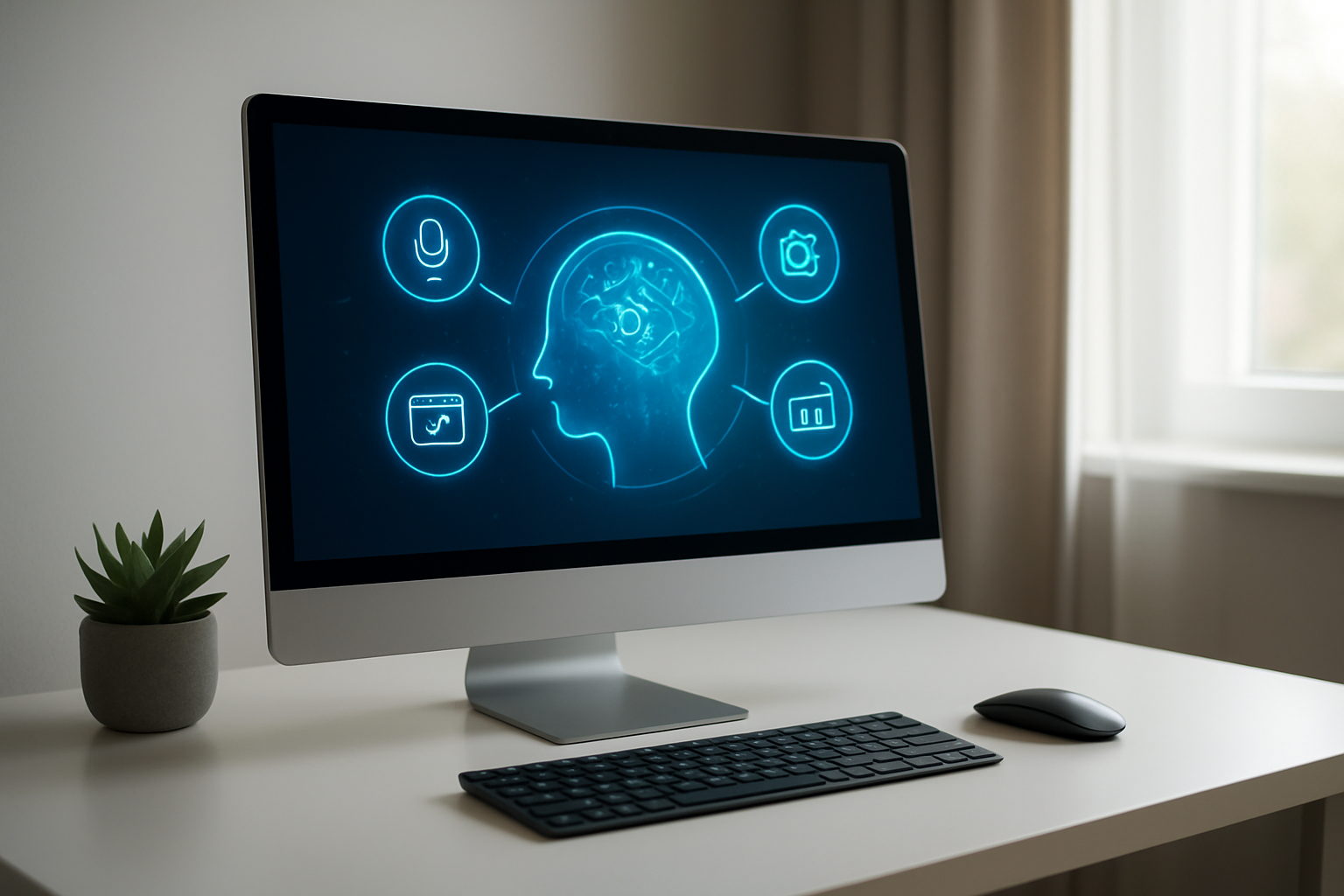
Modern AI desktop assistants have revolutionized how we interact with our computers through sophisticated voice recognition technology. These smart desktop productivity software solutions can understand spoken commands with remarkable accuracy, even accounting for different accents, speaking speeds, and background noise. Natural language processing capabilities mean you can speak to your desktop AI productivity tools just like you’d talk to a friend – no need for rigid commands or specific phrases.
The technology behind these personal AI assistant software systems processes your words in real-time, converting speech to text and then interpreting the meaning behind your requests. You can ask your AI assistant for Windows Mac systems to “schedule a meeting for tomorrow afternoon” or “find all my Excel files from last month,” and it understands exactly what you need. This conversational approach makes desktop automation with AI feel intuitive rather than technical.
Advanced neural networks power these voice recognition systems, continuously learning from interactions to improve accuracy. The natural language processing components can handle complex queries, understand context from previous conversations, and even detect emotional tone in your voice to provide more appropriate responses.
Task Automation and Workflow Optimization Features
Personal computer AI integration shines brightest when automating repetitive tasks that consume valuable time. These intelligent computing assistants can handle everything from organizing files and managing calendars to controlling applications and executing complex workflows. Instead of manually sorting through hundreds of emails, your AI desktop assistant can categorize them, prioritize urgent messages, and even draft responses based on your communication style.
Workflow optimization goes beyond simple task execution. These AI-powered desktop applications learn your daily routines and proactively suggest improvements. If you typically open the same three applications every morning, your assistant will have them ready before you even ask. When working on projects, it can automatically create folder structures, backup important files, and coordinate between different software tools.
The automation capabilities extend to cross-application workflows. Your desktop AI can pull data from spreadsheets, generate reports in presentation software, and send summaries via email – all through a single voice command or scheduled routine. This level of integration transforms how professionals approach their daily tasks, reducing manual intervention while maintaining complete control over outcomes.
Integration with Existing Desktop Applications and Operating Systems
Seamless integration represents the cornerstone of effective AI assistant desktop implementation. Leading personal AI assistant software works harmoniously with popular applications like Microsoft Office, Google Workspace, Adobe Creative Suite, and countless specialized programs. Rather than replacing existing tools, these intelligent systems enhance their functionality through smart connectivity and data sharing.
Operating system integration runs deep, with AI assistants accessing file systems, managing system settings, and controlling hardware components. Whether you’re using Windows, macOS, or Linux, modern desktop AI productivity tools adapt to your environment’s unique characteristics. They can adjust display settings based on ambient light, manage power consumption during intensive tasks, or automatically connect to preferred networks when traveling.
The integration extends to cloud services and online platforms. Your AI desktop assistant synchronizes seamlessly with cloud storage solutions, social media accounts, and web-based productivity tools. This creates a unified digital ecosystem where information flows freely between local applications and online services, all orchestrated by intelligent algorithms that understand your preferences and priorities.
Machine Learning Algorithms That Adapt to User Preferences
Machine learning forms the brain of every effective AI desktop assistant, constantly analyzing user behavior to provide increasingly personalized experiences. These algorithms track your application usage patterns, document preferences, communication styles, and workflow habits to build comprehensive user profiles. Over time, your intelligent computing assistant becomes uniquely yours, anticipating needs before you express them.
The adaptation process happens continuously and transparently. As you work, the AI observes which features you use most frequently, how you organize information, and when you’re most productive. This data feeds sophisticated learning models that adjust interface layouts, suggest relevant shortcuts, and optimize system performance for your specific use cases.
Privacy-conscious learning ensures that personal preferences remain secure while still enabling powerful customization. The machine learning algorithms can distinguish between temporary actions and established patterns, avoiding over-correction while maintaining responsiveness to genuine preference changes. This balance creates desktop automation with AI that feels genuinely helpful rather than intrusive or unpredictable.
Transform Your Daily Productivity with Intelligent Desktop Assistance
Automated scheduling and calendar management
Modern AI desktop assistant software transforms how you handle your daily schedule. These intelligent systems scan your emails, messages, and documents to automatically detect meeting requests, deadlines, and appointments. Instead of manually entering every event, your desktop AI productivity tools learn your preferences and scheduling patterns.
The smart scheduling features go beyond basic calendar entry. AI assistants analyze your productivity peaks, preferred meeting times, and travel requirements to suggest optimal scheduling windows. When conflicts arise, these systems propose alternatives and can even reschedule non-critical meetings automatically. They integrate with popular calendar platforms like Google Calendar, Outlook, and Apple Calendar, ensuring your schedule stays synchronized across all devices.
Buffer time management becomes effortless as AI assistants automatically add travel time between appointments and create breathing room between back-to-back meetings. They also send intelligent reminders based on your location, traffic conditions, and preparation needs for each event.
Smart file organization and document retrieval
AI-powered desktop applications revolutionize how you manage digital files and documents. These systems continuously monitor your file creation, modification, and access patterns to build intelligent organizational structures. Instead of hunting through endless folders, AI assistants create smart tags and categories based on content analysis, project relevance, and usage frequency.
Document retrieval becomes instantaneous through natural language queries. You can ask “Find the contract from last month’s client meeting” or “Show me all presentation files about quarterly sales” and receive accurate results within seconds. The AI analyzes document content, metadata, and contextual relationships to understand what you’re looking for.
Version control gets smarter too. Intelligent computing assistant tools track document changes, identify the most current versions, and can merge conflicting edits from collaborative work. They also suggest file cleanup opportunities by identifying duplicates, outdated versions, and unused files that consume storage space.
Email prioritization and response suggestions
Email management transforms from overwhelming to manageable with personal AI assistant software. These systems analyze sender importance, email content urgency, and your response patterns to automatically sort incoming messages. High-priority emails from key contacts or containing urgent keywords surface to the top, while newsletters and promotional content get filtered appropriately.
AI assistants learn your communication style and frequently used phrases to generate contextually appropriate response suggestions. For routine inquiries, they can draft complete responses that match your tone and communication preferences. The system recognizes action items within emails and automatically creates tasks or calendar reminders.
Smart email features include:
- Automatic categorization by project or sender type
- Follow-up reminders for emails requiring responses
- Meeting extraction and calendar integration
- Attachment organization and duplicate detection
- Spam and phishing protection with behavioral analysis
Real-time research assistance and data compilation
Desktop automation with AI extends to research and information gathering tasks. AI assistants can simultaneously search multiple sources, compile relevant information, and present findings in organized formats. When you’re working on a project, these tools monitor your activities and proactively gather supporting materials, statistics, and background information.
The research capabilities include real-time fact-checking, source verification, and citation formatting. AI assistants can pull data from databases, websites, and documents while maintaining accuracy and providing proper attribution. They excel at identifying patterns and connections across different information sources that might not be immediately obvious.
Data compilation features transform raw information into actionable insights. The AI can create summaries, extract key points, and generate reports based on your research requirements. Smart desktop productivity software integrates with popular tools like Microsoft Office, Google Workspace, and specialized research platforms to streamline your workflow and eliminate repetitive data entry tasks.
Enhanced User Experience Through Personalized Computing
Customizable Interface Design Based on Usage Patterns
AI desktop assistants excel at learning your unique workflow habits and adapting their interface to match your daily computing style. These AI-powered desktop applications continuously analyze which features you use most frequently, when you access specific tools, and how you navigate through different tasks throughout the day.
The magic happens when your personal AI assistant software starts rearranging interface elements to place your most-used functions front and center. If you’re a writer who frequently switches between document editing and research tools, the assistant automatically positions these features prominently. For data analysts who rely heavily on spreadsheet functions and visualization tools, the interface morphs to prioritize quick access to these resources.
Color schemes, widget placement, and menu structures all evolve based on your behavior patterns. The system tracks your peak productivity hours and adjusts screen brightness, notification frequency, and even font sizes to optimize your visual comfort during different times of day.
Desktop AI productivity tools take personalization further by creating specialized workspaces for different projects or contexts. Your morning email routine triggers one interface layout, while afternoon creative work activates an entirely different configuration with relevant tools and shortcuts.
Predictive Text and Content Recommendations
Modern intelligent computing assistant platforms transform how you interact with text and content creation through sophisticated predictive capabilities. These systems learn your writing style, frequently used phrases, and industry-specific terminology to offer increasingly accurate suggestions as you type.
The predictive engine goes beyond simple autocomplete. Your AI desktop assistant analyzes the context of your current document, email thread, or project to suggest relevant content from your previous work. Writing a proposal similar to one from last month? The system instantly recognizes patterns and offers to incorporate successful elements from your earlier document.
Content recommendations extend to research assistance as well. While working on presentations or reports, the desktop automation with AI scans your local files and connected cloud services to suggest relevant images, data points, or reference materials. This proactive approach eliminates the constant searching and switching between applications that typically fragments your focus.
Smart templates emerge organically from your usage patterns. The system identifies recurring document structures in your work and creates customizable templates that speed up future similar tasks. Email responses become more efficient as the assistant learns your typical reply patterns for different types of correspondence.
Context-Aware Notifications and Reminders
Personal computer AI integration revolutionizes how you receive and manage information throughout your day. Instead of bombarding you with constant interruptions, context-aware systems analyze your current activity, schedule, and stress levels to deliver notifications at optimal moments.
The AI virtual assistant desktop understands when you’re deep in focused work versus handling routine tasks. During concentration periods, non-urgent notifications queue silently, while truly important alerts still break through with gentle, unobtrusive presentation methods.
Location-based awareness adds another layer of intelligence. Your smart desktop productivity software knows whether you’re at your primary workstation, using a laptop in a coffee shop, or working from a secondary location. Notifications adapt accordingly – sensitive work reminders only appear when you’re in secure environments, while casual tasks surface regardless of location.
Calendar integration creates predictive reminder systems that go beyond simple time-based alerts. The assistant considers your typical preparation time for different meeting types, current workload, and even traffic conditions to suggest optimal reminder timing. A complex presentation gets preparation reminders hours in advance, while routine check-ins receive brief alerts just beforehand.
The system learns your notification preferences through interaction patterns. If you consistently dismiss certain types of alerts or respond immediately to others, the AI assistant for Windows Mac platforms adjust their urgency algorithms and delivery methods to match your actual priorities rather than prescribed settings.
Seamless Integration Across Multiple Platforms and Applications
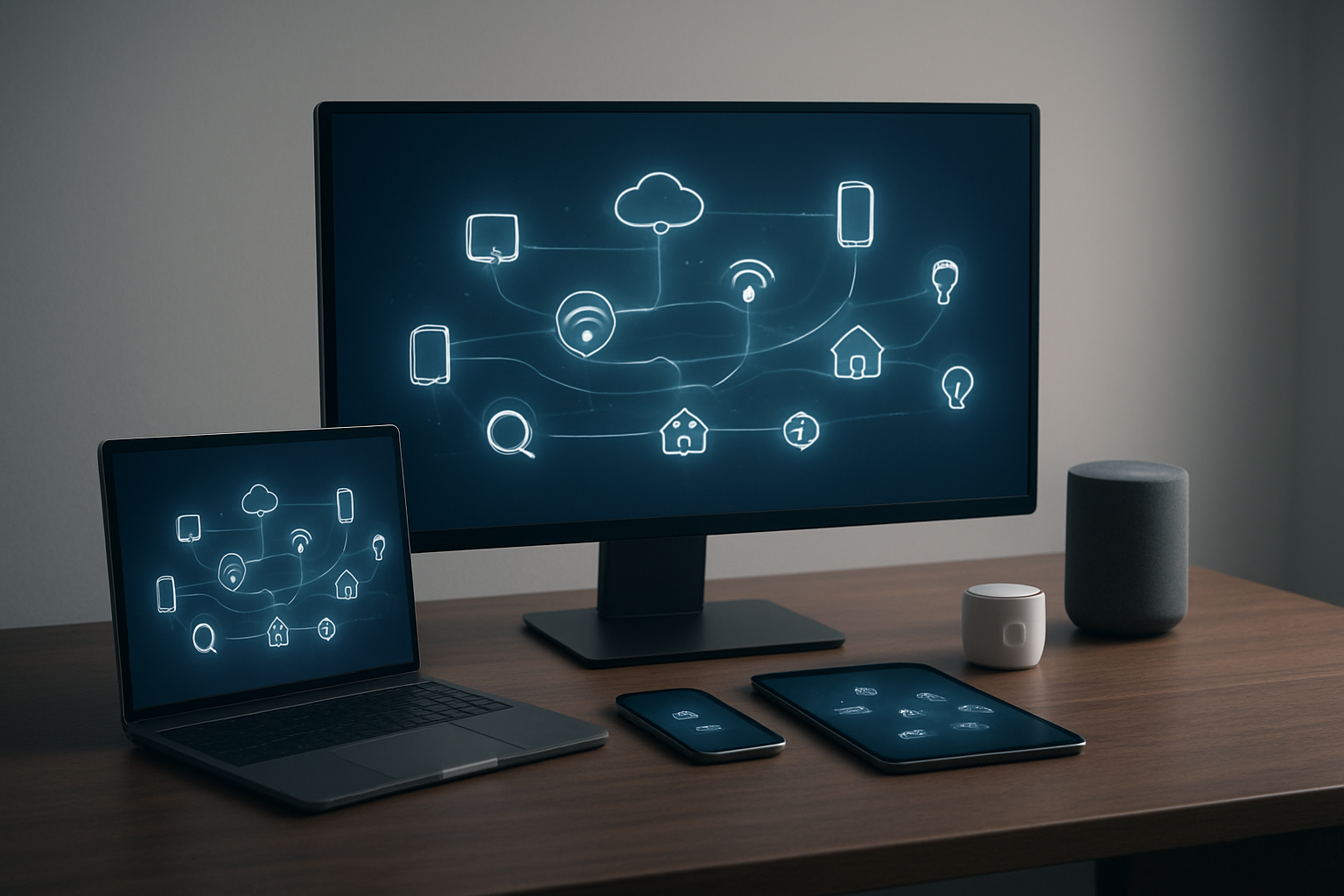
Cross-application data synchronization
Modern AI desktop assistant software excels at breaking down the traditional barriers between different applications on your computer. When you’re working on a presentation in PowerPoint and need data from your Excel spreadsheet, your personal AI assistant software can automatically pull relevant information without you having to manually switch between programs. This synchronization happens in real-time, meaning changes made in one application instantly reflect across all connected platforms.
The beauty of this cross-application synchronization lies in its ability to create a unified workspace. Your calendar appointments can automatically generate tasks in your project management tool, while email attachments get categorized and filed in appropriate folders based on content analysis. Desktop AI productivity tools can track your document usage patterns and preemptively sync files you’re likely to need for upcoming meetings or deadlines.
Data consistency becomes effortless when your AI-powered desktop applications maintain a central knowledge base that all your software can access. This eliminates the frustration of having outdated information in one program while the latest version exists in another.
Cloud-based accessibility and mobile device connectivity
Your intelligent computing assistant doesn’t stop working when you step away from your desktop. Cloud integration allows you to access your personalized AI assistant from any device, anywhere. Whether you’re using your smartphone during a commute or working on a tablet at a coffee shop, your desktop AI assistant’s capabilities travel with you.
This connectivity creates a seamless workflow between devices. Voice commands captured on your phone can trigger actions on your desktop computer at home. Files you flag as important on your mobile device get prioritized in your desktop workspace before you even sit down at your computer.
The synchronization works both ways – actions taken on your desktop influence your mobile experience. If your desktop automation with AI schedules a meeting, your phone receives contextual information about attendees, relevant documents, and suggested talking points. This multi-device ecosystem transforms how you interact with technology throughout your day.
Third-party software compatibility and API integration
Personal computer AI integration shines when it can work with your existing software ecosystem rather than replacing it. Leading AI assistants support hundreds of popular applications through robust API connections. Whether you use Adobe Creative Suite, Microsoft Office, Slack, Zoom, or specialized industry software, your AI assistant can interact with these tools directly.
API integration allows for sophisticated automation workflows. Your AI can monitor your design software for completed projects, automatically export files in multiple formats, and upload them to client portals. For developers, AI assistants can integrate with IDEs to provide code suggestions, run tests, and even deploy applications based on voice commands or natural language instructions.
The plugin architecture of modern AI assistant for Windows Mac systems means that even niche applications can be incorporated into your AI workflow. Custom integrations can be built for industry-specific tools, making the AI assistant valuable across different professional contexts.
Universal search functionality across all desktop resources
Perhaps the most transformative feature of smart desktop productivity software is its ability to search across every file, email, application, and web resource from a single interface. Instead of opening multiple applications to find information, you can ask your AI assistant to locate specific content regardless of where it’s stored.
This universal search goes beyond simple file name matching. Advanced AI virtual assistant desktop systems understand context and content, allowing you to search for concepts rather than exact phrases. You can ask for “the budget spreadsheet from the Johnson project last quarter” and receive the correct file even if it’s named something completely different.
The search functionality extends to web resources, browser history, and even content within applications. Your AI assistant can find that specific chart from a PowerPoint presentation, locate email conversations about particular topics, and surface relevant web articles you bookmarked months ago. This comprehensive search capability transforms information retrieval from a time-consuming task into an instant, natural conversation with your AI assistant.
Privacy Protection and Data Security in AI Assistant Implementation
Local data processing versus cloud-based operations
When choosing an AI desktop assistant, the battle between local and cloud-based processing becomes crucial for your privacy. Local processing keeps your personal information right on your device – your documents, conversations, and usage patterns never leave your computer. This approach means your AI assistant for Windows Mac operates independently, processing voice commands and analyzing data without sending anything to external servers.
Cloud-based AI desktop assistant solutions offer more computational power and faster updates but require transmitting your data to remote servers. While this enables more sophisticated features, it also means trusting third-party companies with your sensitive information. Many desktop AI productivity tools now offer hybrid approaches, processing basic commands locally while using cloud resources only for complex tasks.
The trade-offs are significant. Local processing protects your privacy but may limit functionality, while cloud-based systems provide advanced capabilities at the cost of data exposure. Some intelligent computing assistant platforms let you choose which operations happen where, giving you granular control over your privacy boundaries.
User control over personal information sharing
Modern AI-powered desktop applications put you in the driver’s seat regarding data sharing. Quality desktop automation with AI systems provide detailed privacy dashboards where you can see exactly what information gets collected and shared. These controls typically include options to disable data collection entirely, limit sharing to specific types of information, or set time-based restrictions on data retention.
Transparency reports from AI desktop assistant providers should clearly explain what data they collect, how they use it, and with whom they share it. Look for systems that request explicit permission before accessing sensitive areas like your email, calendar, or financial documents. The best personal AI assistant software includes one-click data deletion options and the ability to download your information if you decide to switch platforms.
User consent mechanisms have evolved beyond simple “agree” buttons. Advanced smart desktop productivity software now uses granular permissions, allowing you to approve specific features while blocking others. This means you can enable productivity tracking while keeping personal communications private, or allow calendar integration while restricting access to your browsing history.
Encryption standards and security protocols
Strong encryption forms the backbone of secure personal computer AI integration. Industry-standard AES-256 encryption protects your data both at rest on your device and in transit to cloud services. End-to-end encryption means only you and your AI virtual assistant desktop can read your conversations and commands – even the service provider can’t access this information.
Security protocols extend beyond basic encryption. Multi-factor authentication adds an extra security layer, requiring both your password and a secondary verification method. Regular security audits and penetration testing by third-party firms help identify vulnerabilities before malicious actors can exploit them. Zero-knowledge architecture ensures that even if servers are compromised, your personal data remains protected.
Certificate pinning, secure key management, and regular security updates create multiple defense layers. The most secure AI desktop assistant solutions undergo SOC 2 Type II audits and maintain compliance with privacy regulations like GDPR and CCPA. These certifications provide independent verification that security measures actually work as advertised.
| Security Feature | Local Processing | Cloud Processing | Hybrid Approach |
|---|---|---|---|
| Data Encryption | Device-level AES-256 | TLS + Server encryption | Both methods combined |
| Access Control | User device only | Provider + User | Selective per feature |
| Audit Compliance | Limited scope | Full SOC 2 Type II | Comprehensive coverage |
| Update Security | Manual updates | Automatic patches | Best of both worlds |
Economic Benefits and Cost-Effectiveness for Individual Users
Reduced time investment in routine computational tasks
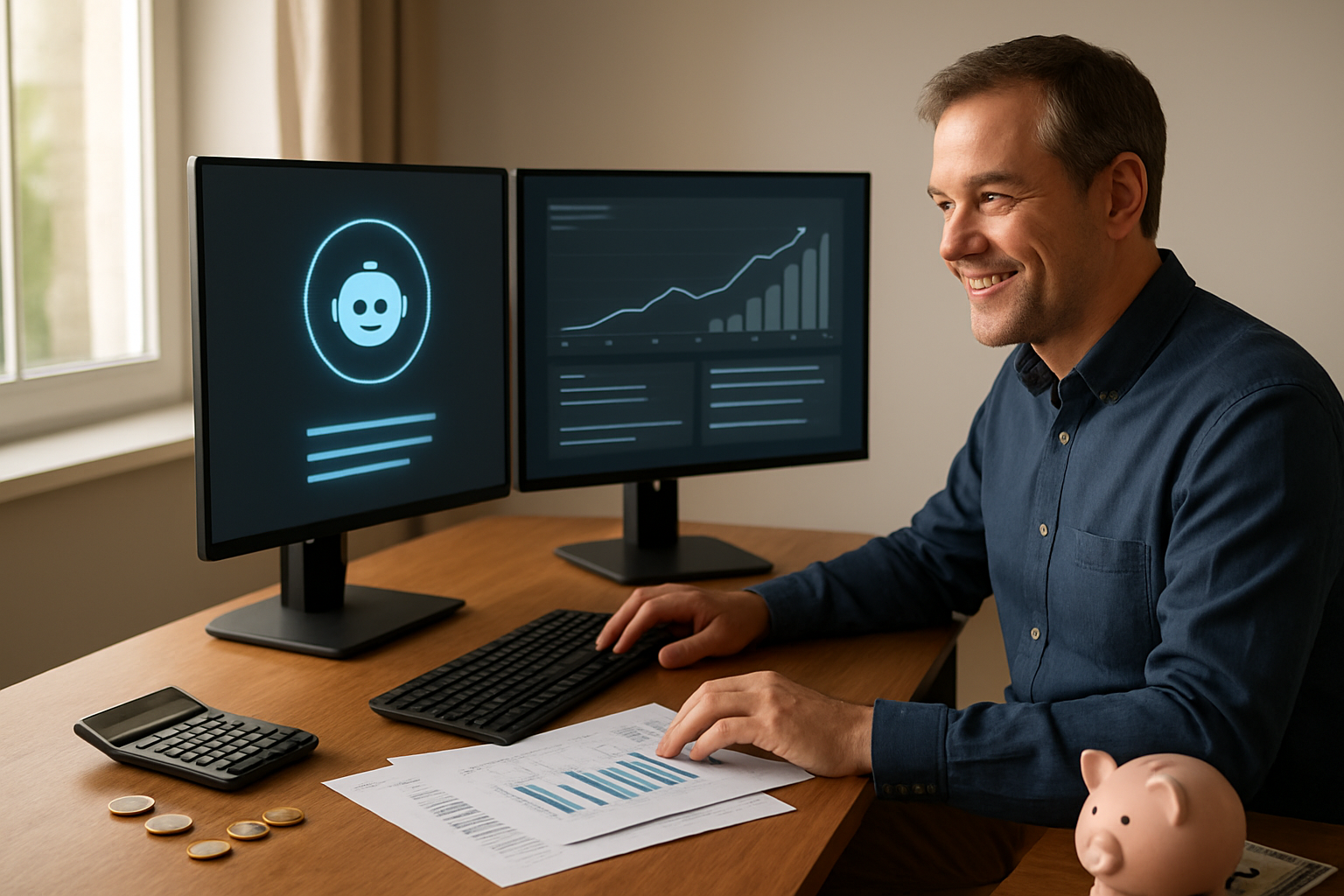
AI desktop assistant technology transforms how you handle daily computing tasks by automating repetitive processes that typically consume hours of your day. Instead of manually organizing files, scheduling appointments, or searching through countless documents, smart desktop productivity software handles these operations in seconds. Your AI assistant for Windows Mac can sort emails, categorize downloads, and even draft responses based on your communication patterns.
Time savings compound quickly when desktop automation with AI manages routine tasks like system maintenance, software updates, and data backups. Users report saving 2-3 hours daily by delegating mundane activities to their AI-powered desktop applications. This freed time translates directly into increased earning potential or personal pursuits that matter more than file management.
Decreased need for multiple specialized software applications
Personal AI assistant software consolidates functionality that previously required purchasing separate applications for different tasks. One comprehensive AI desktop assistant replaces calendar apps, note-taking software, file organizers, email managers, and task schedulers. This consolidation eliminates the need to learn multiple interfaces and reduces software licensing costs significantly.
Modern desktop AI productivity tools integrate capabilities across various functions, creating a unified workspace experience. Rather than switching between different programs for writing, research, scheduling, and communication, your intelligent computing assistant handles all these activities through natural language commands and contextual understanding.
| Traditional Setup | AI Assistant Solution | Annual Savings |
|---|---|---|
| 5-8 specialized apps | 1 comprehensive AI assistant | $300-800 |
| Multiple subscriptions | Single platform license | $200-500 |
| Training time per app | One learning curve | 40-60 hours |
Improved work-life balance through efficient task management
Personal computer AI integration creates clear boundaries between work and personal time by handling administrative tasks automatically. Your AI assistant manages meeting scheduling, email responses, and project tracking without requiring constant attention during evening hours or weekends. This automation prevents work tasks from bleeding into personal time.
Desktop AI productivity tools learn your preferences and peak productivity periods, optimizing task distribution accordingly. They can defer non-urgent communications until business hours and prioritize family time by managing household scheduling, bill reminders, and personal appointment coordination seamlessly.
Long-term productivity gains and skill development
AI-powered desktop applications accelerate professional development by handling routine work while you focus on strategic thinking and creative problem-solving. This shift allows you to develop higher-value skills instead of spending time on administrative tasks that don’t contribute to career advancement.
The learning capabilities of desktop automation with AI mean productivity gains increase over time. Your assistant becomes more effective at predicting your needs, suggesting optimizations, and identifying patterns in your work habits. These insights help you make better decisions about time allocation and resource management, creating compound benefits that grow throughout your career.
AI-powered desktop assistants are changing how we interact with our computers every day. These smart tools boost productivity by automating routine tasks, create personalized experiences that adapt to your habits, and work smoothly across all your favorite apps and platforms. The best part? They do all this while keeping your personal information safe and secure, making them both practical and trustworthy companions for your digital life.
The financial benefits alone make these assistants worth considering – they save you time on mundane tasks and help you work more efficiently without breaking the bank. As these technologies continue to evolve, now’s the perfect time to explore what AI desktop assistants can do for you. Start small by trying out basic features, and you’ll quickly discover how they can transform your everyday computing experience into something truly powerful and personal.