How AI and Generative AI Are Transforming Construction & Real Estate
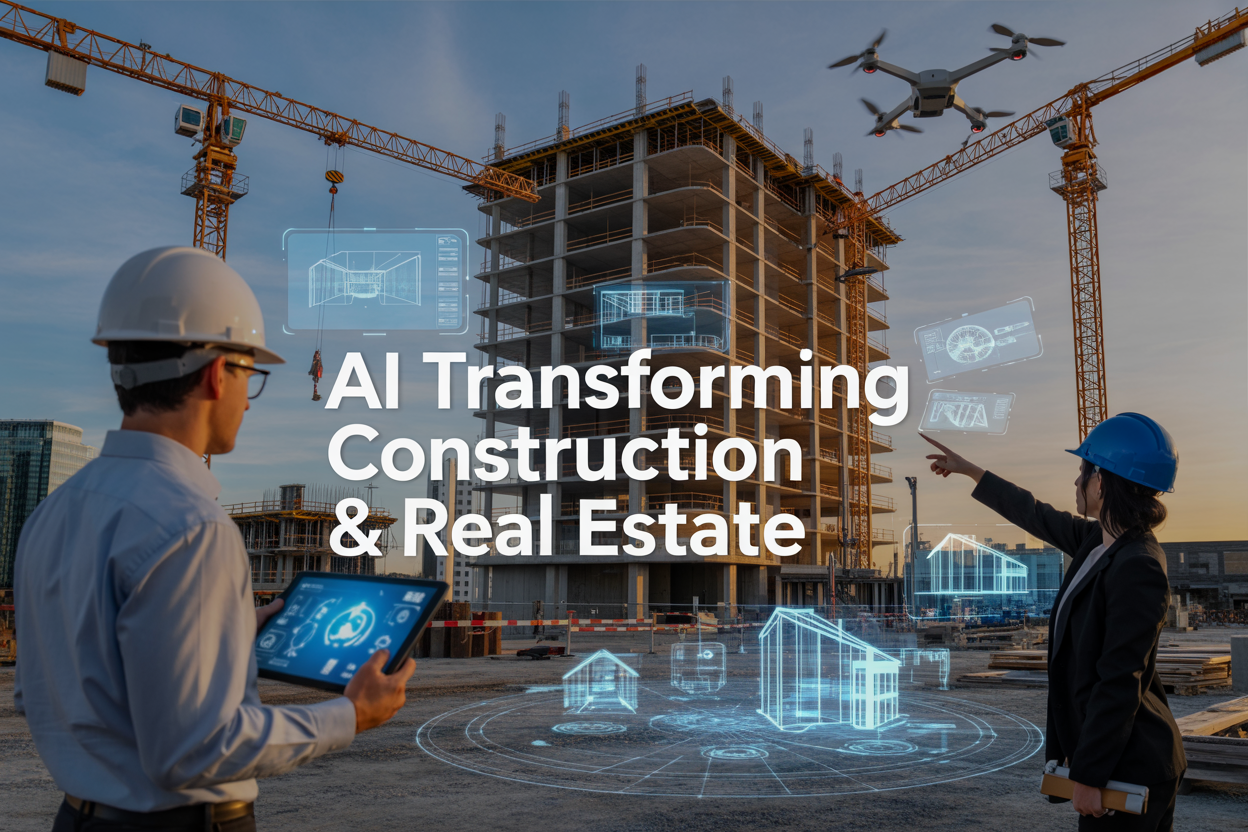
The construction and real estate industries are experiencing a massive shift as AI in construction and generative AI real estate technologies reshape how buildings get designed, constructed, and managed. For construction professionals, real estate developers, property managers, and industry stakeholders, understanding these changes isn’t just helpful—it’s essential for staying competitive.
This guide is designed for anyone working in construction or real estate who wants to understand how artificial intelligence is changing their field. From small contractors to large development firms, property management companies to real estate investors, these insights will help you navigate the digital transformation happening right now.
We’ll explore how AI-powered project management construction tools are streamlining complex builds and reducing costly delays. You’ll discover how generative AI is revolutionizing design planning and creating smarter, more efficient building processes. We’ll also dive into how AI is transforming property management and real estate market analysis, giving professionals unprecedented insights into market trends and property values.
The construction industry transformation driven by AI isn’t coming—it’s already here, and the companies that adapt quickest will lead the market.
AI-Powered Project Management Revolution
Automated Scheduling and Resource Allocation
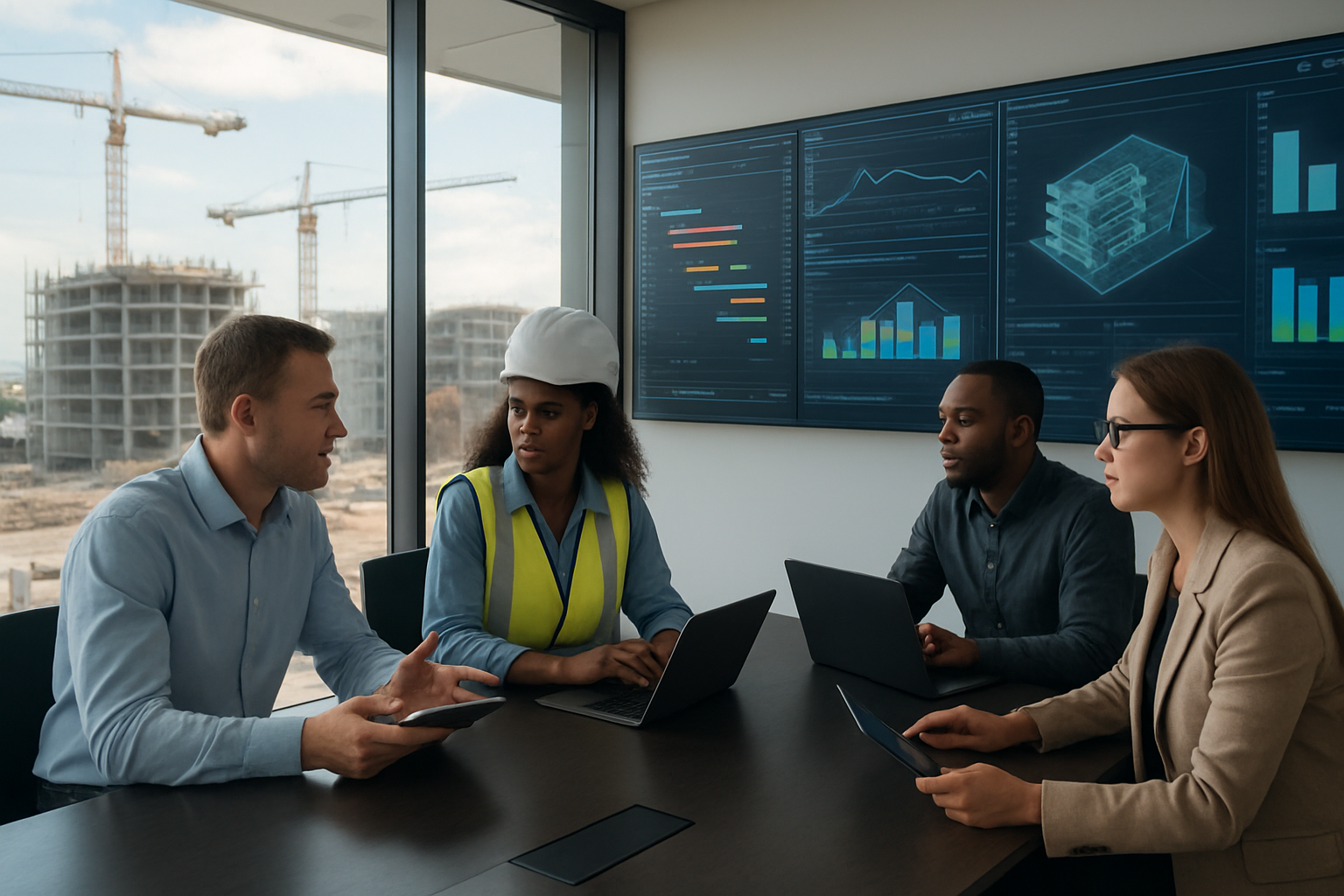
Construction projects have always been notorious for timeline delays and resource mismanagement, but AI in construction is changing that reality. Modern AI project management construction systems can analyze thousands of variables simultaneously – from weather patterns and material delivery schedules to labor availability and equipment maintenance cycles. These systems create dynamic schedules that automatically adjust when conditions change, eliminating the guesswork that often leads to costly delays.
Smart algorithms now predict when materials will be needed at specific job sites and coordinate deliveries accordingly. Instead of having expensive equipment sitting idle or crews waiting for supplies, AI systems optimize resource flow like a perfectly orchestrated symphony. Construction companies using these tools report 15-25% improvements in project completion times and significant reductions in waste.
The technology goes beyond basic scheduling by learning from past projects and industry patterns. It identifies potential bottlenecks weeks in advance and suggests alternative approaches before problems emerge. For instance, if weather forecasts indicate heavy rain during concrete pours, the system automatically reschedules activities and reallocates crews to indoor tasks.
Real-Time Progress Tracking and Predictive Analytics
Gone are the days of weekly progress reports based on rough estimates. Construction sites now use IoT sensors, drones, and computer vision to monitor progress in real-time. These AI-powered systems capture thousands of data points daily, from the number of concrete blocks laid to the percentage completion of electrical installations.
Predictive analytics takes this data and forecasts project outcomes with remarkable accuracy. Machine learning models analyze patterns from current progress rates, historical data, and external factors to predict completion dates, budget overruns, and quality issues before they occur. Site managers receive instant alerts when progress deviates from planned trajectories, allowing for immediate corrective action.
Computer vision technology can automatically track construction milestones by analyzing drone footage and comparing it against Building Information Modeling (BIM) data. This eliminates manual progress reporting and provides objective, accurate assessments of project status. Some systems can even identify safety violations or quality defects in real-time, preventing costly rework later.
Cost Optimization Through Intelligent Budget Management
Traditional construction budgeting relies heavily on historical estimates and contingency buffers, often leading to significant cost overruns. AI transforms this approach by analyzing real-time spending patterns against thousands of variables that affect construction costs. These systems monitor everything from material price fluctuations and labor productivity rates to equipment utilization and regulatory changes.
Smart budget management tools can predict cost overruns weeks before they happen, giving project managers time to implement corrective measures. They analyze vendor performance, identify the most cost-effective suppliers, and even suggest alternative materials or methods that maintain quality while reducing expenses.
The technology also optimizes cash flow by predicting when payments will be needed and ensuring funds are available when required. This prevents project delays due to financing issues and helps contractors maintain better relationships with suppliers and subcontractors through timely payments.
Enhanced Collaboration Between Teams and Stakeholders
Construction projects involve dozens of stakeholders – architects, engineers, contractors, subcontractors, suppliers, and clients – each with different priorities and communication styles. AI-powered collaboration platforms break down these silos by creating unified communication channels where all project information flows seamlessly.
These platforms use natural language processing to automatically categorize and route communications to relevant team members. They can identify urgent issues buried in email threads and escalate them appropriately. Meeting notes are automatically transcribed and action items are assigned and tracked without manual intervention.
Virtual reality and augmented reality tools powered by AI allow stakeholders to visualize projects in three dimensions, making it easier to identify potential conflicts and design issues before construction begins. Teams can walk through virtual buildings, test different configurations, and make decisions collaboratively regardless of their physical location.
The systems also maintain complete audit trails of all decisions and changes, ensuring accountability and providing valuable insights for future projects. This level of transparency and coordination significantly reduces misunderstandings, change orders, and disputes that traditionally plague construction projects.
Generative AI Transforming Design and Planning

Automated Blueprint Generation and Design Optimization
Generative AI is completely changing how architects and engineers create building designs. Instead of starting from scratch every time, AI design planning tools can now generate thousands of blueprint variations in minutes. These systems analyze project requirements, building codes, site constraints, and client preferences to create optimized floor plans that maximize space efficiency and functionality.
Modern generative AI real estate platforms can automatically adjust designs based on zoning regulations, environmental factors, and budget constraints. The AI considers everything from natural light exposure to traffic flow patterns, creating designs that human planners might never think of. Construction teams are seeing up to 40% faster design phases while achieving better spatial utilization than traditional methods.
The technology goes beyond simple automation. AI systems learn from successful projects and incorporate best practices into new designs. They can instantly flag potential structural issues, suggest cost-saving alternatives, and optimize building layouts for energy efficiency. This means fewer design revisions, reduced construction delays, and better end results for clients.
3D Modeling and Visualization Enhancements
Building information modeling AI has transformed how construction teams visualize projects before breaking ground. Generative AI creates photorealistic 3D models that let clients walk through their future buildings virtually. These models aren’t just pretty pictures – they’re intelligent representations that contain every detail about materials, systems, and construction sequences.
The real game-changer is how quickly these visualizations update. Change a wall location or switch materials, and the AI instantly regenerates the entire model with accurate cost estimates and timeline adjustments. Construction technology now allows real-time collaboration where architects, engineers, and contractors can modify designs together while seeing immediate visual feedback.
Smart visualization tools also predict how buildings will age, showing potential maintenance issues before they happen. They simulate different weather conditions, lighting scenarios, and usage patterns to help teams make better design decisions. This level of detail was impossible with traditional 3D modeling software.
Rapid Prototyping and Iteration Capabilities
AI in construction has revolutionized the design iteration process. What used to take weeks of manual drafting now happens in hours. Generative AI can produce hundreds of design variations, each optimized for different priorities like cost, sustainability, or construction speed. Teams can test multiple approaches simultaneously instead of committing to one design path.
The rapid prototyping extends to virtual testing environments. AI simulates how different materials will perform under various conditions, how structural changes affect building stability, and how design modifications impact energy consumption. Construction industry transformation is happening because teams can fail fast and cheap in the digital realm rather than discovering problems during expensive construction phases.
This iterative approach leads to better buildings. Each design cycle incorporates lessons from previous versions, gradually optimizing for performance, cost-effectiveness, and user satisfaction. Construction automation tools can even automatically generate construction sequences, showing the optimal order of operations for building each design variant.
Smart Construction Site Operations

Robotic Automation for Repetitive Tasks
Construction sites are embracing robotic automation to handle the most labor-intensive and repetitive work. Automated bricklaying robots can now install thousands of bricks per day with millimeter precision, far exceeding human capabilities while maintaining consistent quality. These machines work around the clock, dramatically reducing project timelines and labor costs.
Concrete pouring robots have revolutionized foundation work, delivering perfectly level surfaces and eliminating human error in critical structural elements. Meanwhile, rebar installation robots handle the dangerous and physically demanding task of placing steel reinforcement with mathematical accuracy. AI in construction has enabled these robots to adapt to different building designs automatically, making them versatile tools rather than single-purpose machines.
Demolition robots equipped with AI sensors can selectively remove materials while preserving valuable components for recycling. This precision work reduces waste and improves site safety by keeping human workers away from hazardous environments.
AI-Driven Safety Monitoring and Risk Prevention
Smart construction sites now deploy advanced AI systems that continuously monitor worker safety and environmental conditions. Computer vision cameras track every person on site, instantly detecting when someone enters a restricted area or fails to wear required safety equipment. The system sends immediate alerts to supervisors and can automatically shut down nearby equipment to prevent accidents.
Wearable sensors monitor workers’ vital signs, detecting fatigue, heat stress, and potential medical emergencies before they become critical. These devices also track workers’ movements to identify unsafe behaviors like improper lifting techniques or working at dangerous heights without proper fall protection.
Environmental monitoring systems use AI to predict weather-related hazards, automatically adjusting work schedules when conditions become unsafe. Air quality sensors detect harmful dust levels or chemical exposure, triggering ventilation systems and evacuation protocols when necessary.
The integration of these safety systems has reduced workplace injuries by up to 60% on sites using comprehensive AI monitoring. Real-time risk assessment algorithms analyze thousands of data points simultaneously, identifying potential hazards that human supervisors might miss.
Equipment Maintenance Predictions and Downtime Reduction
Predictive maintenance powered by construction automation has transformed how construction companies manage their equipment fleets. IoT sensors on heavy machinery continuously collect data on engine performance, hydraulic pressure, vibration patterns, and component temperatures. AI algorithms analyze this information to predict when parts will fail, often weeks before problems occur.
| Equipment Type | Predictive Accuracy | Downtime Reduction | Cost Savings |
|---|---|---|---|
| Excavators | 92% | 45% | $12,000/month |
| Cranes | 89% | 38% | $18,000/month |
| Bulldozers | 87% | 42% | $8,500/month |
Machine learning models learn from historical failure patterns across entire equipment fleets, becoming more accurate over time. This approach has reduced unexpected breakdowns by 70% and extended equipment lifespan by 15-25%. Digital maintenance schedules automatically order replacement parts and schedule repairs during planned downtime, keeping projects on schedule.
Fleet management dashboards provide real-time insights into equipment performance across multiple job sites, helping managers optimize deployment and identify underperforming assets that need attention or replacement.
Quality Control Through Computer Vision Technology
Computer vision systems are revolutionizing quality control in construction technology by providing objective, consistent inspection capabilities. High-resolution cameras mounted on drones or stationary positions capture detailed images of work in progress, comparing them against digital blueprints and specifications.
AI-powered inspection systems can detect structural defects, measurement discrepancies, and material flaws that human inspectors might overlook. These systems identify problems like uneven concrete surfaces, misaligned steel beams, or improper weld quality with accuracy rates exceeding 95%.
Real-time progress tracking uses computer vision to monitor construction milestones, automatically updating project schedules and identifying potential delays before they impact deadlines. The technology creates detailed documentation of every construction phase, providing valuable records for quality assurance and regulatory compliance.
3D scanning combined with AI analysis creates precise as-built models that highlight any deviations from original plans. This capability catches errors early when corrections are less expensive, saving projects significant time and money while ensuring final structures meet exact specifications.
Revolutionary Property Management Solutions
Intelligent Tenant Screening and Lease Management
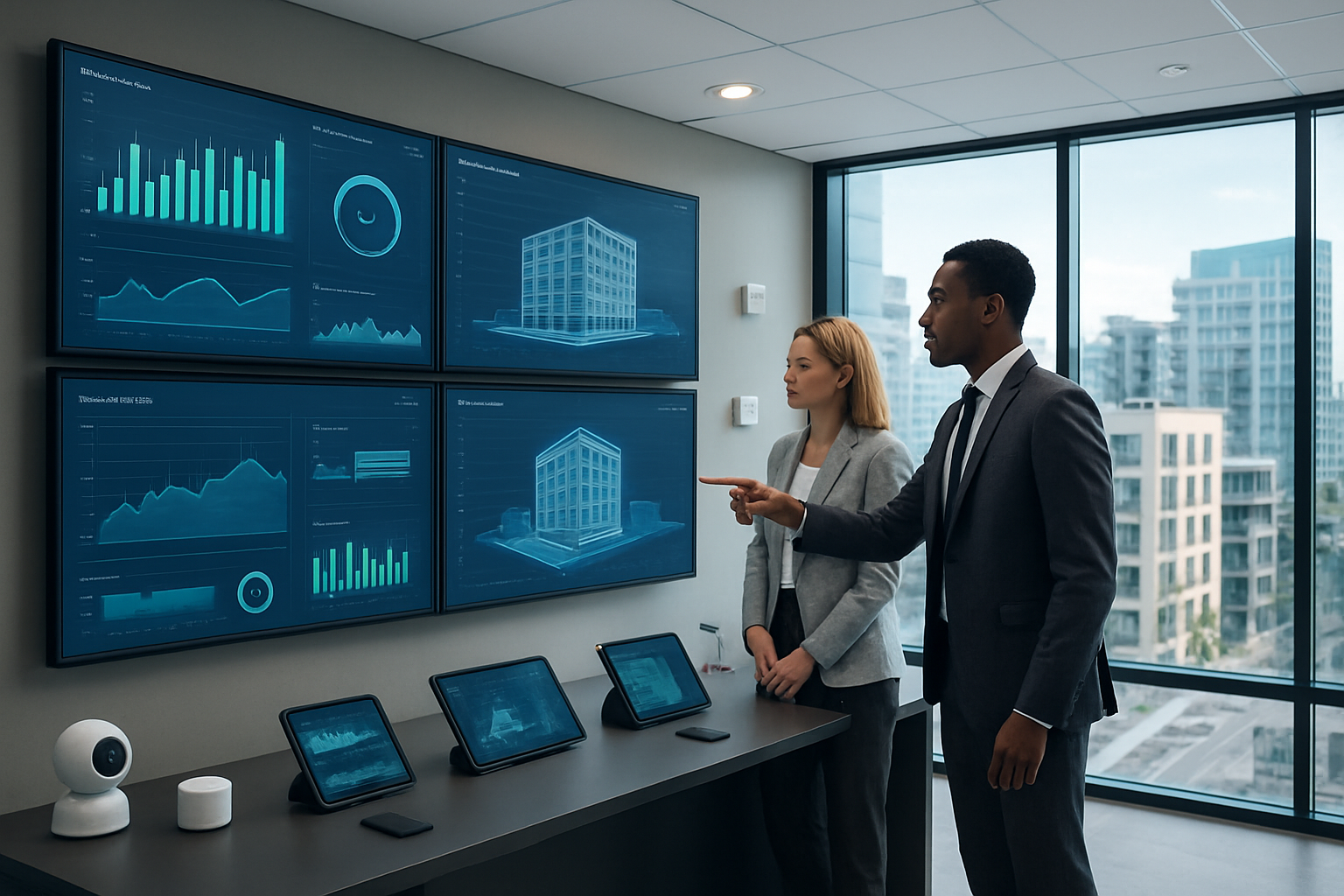
Property management AI is completely changing how landlords and property managers handle tenant relationships. Advanced algorithms now analyze credit histories, employment records, and rental backgrounds in minutes rather than days. These systems can predict tenant behavior patterns, identifying candidates most likely to pay rent on time and maintain properties well.
Smart lease management platforms automate contract generation, renewal notifications, and compliance tracking. AI-powered chatbots handle routine tenant inquiries 24/7, from maintenance requests to payment questions. Natural language processing helps these systems understand tenant communications and route issues to the right departments automatically.
Risk assessment models evaluate potential tenants using hundreds of data points, including social media activity, spending patterns, and location history. This comprehensive analysis reduces default rates by up to 40% while ensuring fair, unbiased screening processes.
Predictive Maintenance for Building Systems
Smart building management systems use IoT sensors and machine learning to monitor equipment performance continuously. HVAC systems, elevators, plumbing, and electrical components generate real-time data streams that AI algorithms analyze for early warning signs of potential failures.
Temperature fluctuations, vibration patterns, energy consumption spikes, and unusual sounds all serve as predictive indicators. Instead of waiting for expensive emergency repairs, property managers receive alerts weeks or months before equipment actually fails. This proactive approach reduces maintenance costs by 25-30% and prevents tenant disruptions.
Building information modeling AI creates digital twins of properties, simulating system performance under different conditions. These models help optimize maintenance schedules, predict replacement timelines, and plan capital improvements more effectively.
Energy Efficiency Optimization and Cost Savings
Construction automation extends into energy management through intelligent building controls. AI systems learn occupancy patterns, weather conditions, and energy prices to automatically adjust heating, cooling, and lighting systems. Smart thermostats can reduce energy consumption by 15-20% without compromising tenant comfort.
Real estate artificial intelligence analyzes utility bills, identifying usage anomalies and suggesting efficiency improvements. Solar panel optimization, battery storage management, and grid integration all benefit from AI-driven decision-making.
Property management platforms track energy performance across entire portfolios, benchmarking buildings against similar properties and identifying underperformers. Automated reporting helps property owners qualify for green building certifications and energy rebates, adding value while reducing operating costs.
Smart meters and submetering systems powered by AI provide granular consumption data, enabling accurate tenant billing and encouraging conservation behaviors through real-time feedback.
AI-Enhanced Real Estate Market Analysis

Automated Property Valuation and Pricing Models
Real estate artificial intelligence has revolutionized how properties get valued today. Machine learning algorithms analyze millions of data points – from square footage and location to recent sales and neighborhood trends – delivering property valuations in seconds rather than weeks. These AI-powered systems process everything from satellite imagery to local crime statistics, creating comprehensive pricing models that often outperform traditional appraisals.
Companies like Zillow and Redfin use sophisticated neural networks that continuously learn from market transactions. These systems consider factors human appraisers might miss: nearby construction permits, school district changes, or even social media sentiment about neighborhoods. The result? Property valuations that are typically within 3-5% of actual sale prices, compared to traditional methods that can vary by 10-15%.
| Traditional Valuation | AI-Powered Valuation |
|---|---|
| 2-4 weeks processing | Instant results |
| 3-5 properties analyzed | Thousands of comparables |
| Human bias potential | Data-driven objectivity |
| $300-500 cost | Often free or low-cost |
Market Trend Prediction and Investment Opportunities
AI real estate market analysis now predicts market movements with remarkable accuracy. Advanced algorithms process economic indicators, demographic shifts, and local development plans to forecast which neighborhoods will appreciate fastest. These systems analyze everything from job growth patterns to transportation infrastructure changes, giving investors a crystal ball into future property values.
Predictive models identify emerging markets before they become obvious to traditional investors. By analyzing factors like:
- Population migration patterns
- New business permits and licenses
- Infrastructure development projects
- Educational facility expansions
- Transportation route changes
Smart investors using AI-driven insights often enter markets 6-12 months before mainstream recognition, maximizing their return potential.
Customer Behavior Analysis for Better Sales Strategies
Real estate artificial intelligence transforms how agents understand and serve clients. Machine learning systems track online behavior patterns – which properties prospects view, how long they spend on listings, and what features they search for most. This data creates detailed buyer personas that help agents tailor their approach perfectly.
AI platforms analyze communication patterns to determine the best times to contact leads and which marketing messages resonate most. Some systems even predict which prospects are most likely to make offers within specific timeframes, allowing agents to prioritize their efforts effectively.
Real estate CRM systems now incorporate sentiment analysis, reading email and text communications to gauge client interest levels and emotional states. This helps agents know when to push forward with negotiations or when to give clients space to think.
Virtual Property Tours and Enhanced Marketing
Virtual reality and AI combine to create immersive property experiences that go far beyond traditional photos. Generative AI real estate tools create stunning virtual staging, transforming empty spaces into fully furnished homes tailored to specific buyer demographics. These AI-generated visualizations help potential buyers envision themselves living in the space.
Advanced virtual tour platforms use computer vision to highlight property features automatically. As viewers navigate through digital walkthroughs, AI identifies and explains architectural details, appliance features, and room dimensions. Some systems even overlay neighborhood information, showing nearby schools, restaurants, and amenities in real-time.
Interactive AI chatbots embedded in virtual tours answer questions instantly, providing property details, scheduling viewings, and even processing initial offers. These tools work around the clock, capturing leads when human agents aren’t available.
Risk Assessment for Investment Decisions
AI powered construction tools and analytics platforms evaluate investment risks with unprecedented depth. Machine learning models assess everything from natural disaster probability to neighborhood crime trends, providing comprehensive risk profiles for potential investments. These systems analyze historical data patterns to predict maintenance costs, vacancy rates, and potential appreciation scenarios.
Smart risk assessment tools consider factors like:
- Climate change impact projections
- Local economic stability indicators
- Property condition analysis through satellite imagery
- Market liquidity and absorption rates
- Regulatory and zoning change probabilities
Private equity firms and institutional investors rely on these AI-driven risk models to make billion-dollar portfolio decisions. The technology democratizes sophisticated risk analysis, making institutional-grade investment intelligence accessible to individual investors and smaller real estate companies.
Advanced algorithms can even predict which properties might face foreclosure months before traditional warning signs appear, creating opportunities for strategic acquisitions or helping current owners avoid financial distress.
Sustainable Construction Through AI Innovation
Materials Optimization and Waste Reduction
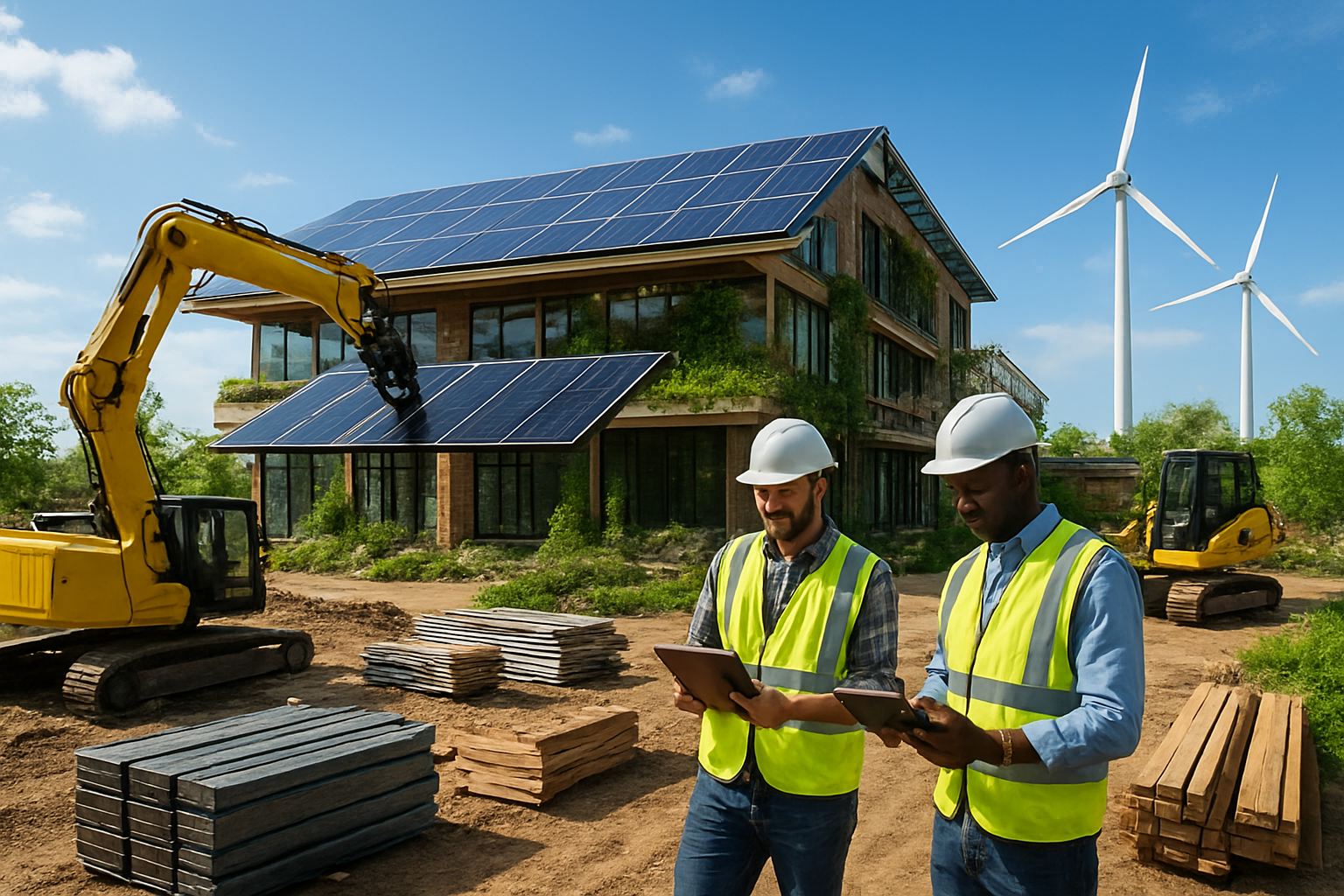
AI in construction is revolutionizing how we approach material management by predicting exact quantities needed before breaking ground. Machine learning algorithms analyze historical project data, weather patterns, and site conditions to calculate precise material requirements, often reducing waste by 20-30% compared to traditional estimation methods.
Smart inventory systems powered by artificial intelligence track materials in real-time, automatically reordering supplies when stocks run low while preventing over-purchasing. Computer vision technology monitors material usage on-site, identifying opportunities to repurpose leftover materials for other project phases or future builds.
Predictive analytics help construction teams identify which materials perform best under specific environmental conditions, leading to longer-lasting structures that require fewer repairs and replacements. AI-driven platforms can even suggest alternative materials with lower environmental impact without compromising structural integrity.
| Traditional Approach | AI-Optimized Approach | Waste Reduction |
|---|---|---|
| Manual estimation | Predictive analytics | 25-30% |
| Standard ordering | Smart inventory | 15-20% |
| Fixed material choices | Dynamic optimization | 10-15% |
Carbon Footprint Tracking and Environmental Impact Analysis
Sustainable construction technology now includes sophisticated AI systems that continuously monitor and analyze carbon emissions throughout the entire building lifecycle. These platforms track everything from material transportation distances to energy consumption during construction phases, providing real-time insights into environmental impact.
Generative AI models can simulate thousands of design variations to identify the most environmentally friendly options before construction begins. By analyzing factors like solar exposure, wind patterns, and local climate data, these systems recommend building orientations and material choices that minimize long-term carbon footprints.
Advanced algorithms process data from IoT sensors embedded in construction equipment to optimize fuel consumption and reduce emissions from heavy machinery. Some systems can predict when equipment maintenance is needed, preventing inefficient operations that increase environmental impact.
Carbon accounting platforms automatically generate detailed reports for sustainability certifications, making it easier for projects to achieve LEED or other green building standards. These systems can even project future environmental performance based on current construction decisions.
Smart Building Systems for Long-Term Efficiency
Smart building management powered by AI creates structures that adapt and optimize themselves over decades of use. These systems learn occupant behavior patterns and automatically adjust heating, cooling, and lighting to maximize comfort while minimizing energy consumption.
Predictive maintenance algorithms analyze data from hundreds of building sensors to identify potential equipment failures weeks or months before they occur. This proactive approach prevents energy waste from malfunctioning systems and extends the lifespan of building components significantly.
AI-powered energy management systems integrate with renewable energy sources, smart grids, and energy storage solutions to optimize power usage throughout the day. During peak demand periods, these systems can automatically shift non-essential operations to off-peak hours, reducing both costs and environmental impact.
Advanced building automation learns from external factors like weather forecasts, utility pricing, and occupancy schedules to make intelligent decisions about resource allocation. Some systems can even participate in demand response programs, earning revenue while supporting grid stability.
Water management AI monitors usage patterns and detects leaks instantly, preventing waste and potential damage. These systems can optimize irrigation schedules for landscaping and manage rainwater collection for maximum efficiency.

AI is completely changing how construction and real estate professionals work, from the initial design phase all the way through property management. Smart project management tools are helping teams stay on track and avoid costly delays, while generative AI creates innovative building designs that were impossible to imagine just a few years ago. Construction sites are becoming safer and more efficient with AI monitoring systems, and property managers can now predict maintenance needs before problems occur.
The real estate market itself is getting smarter too, with AI analyzing trends and property values in ways that give investors and buyers better insights than ever before. Even sustainability efforts are getting a boost, as AI helps optimize energy usage and reduce waste throughout the construction process. Companies that embrace these AI tools now will have a huge advantage over those that wait. Start exploring how AI can transform your next project – the technology is here, proven, and ready to make your work easier and more profitable.