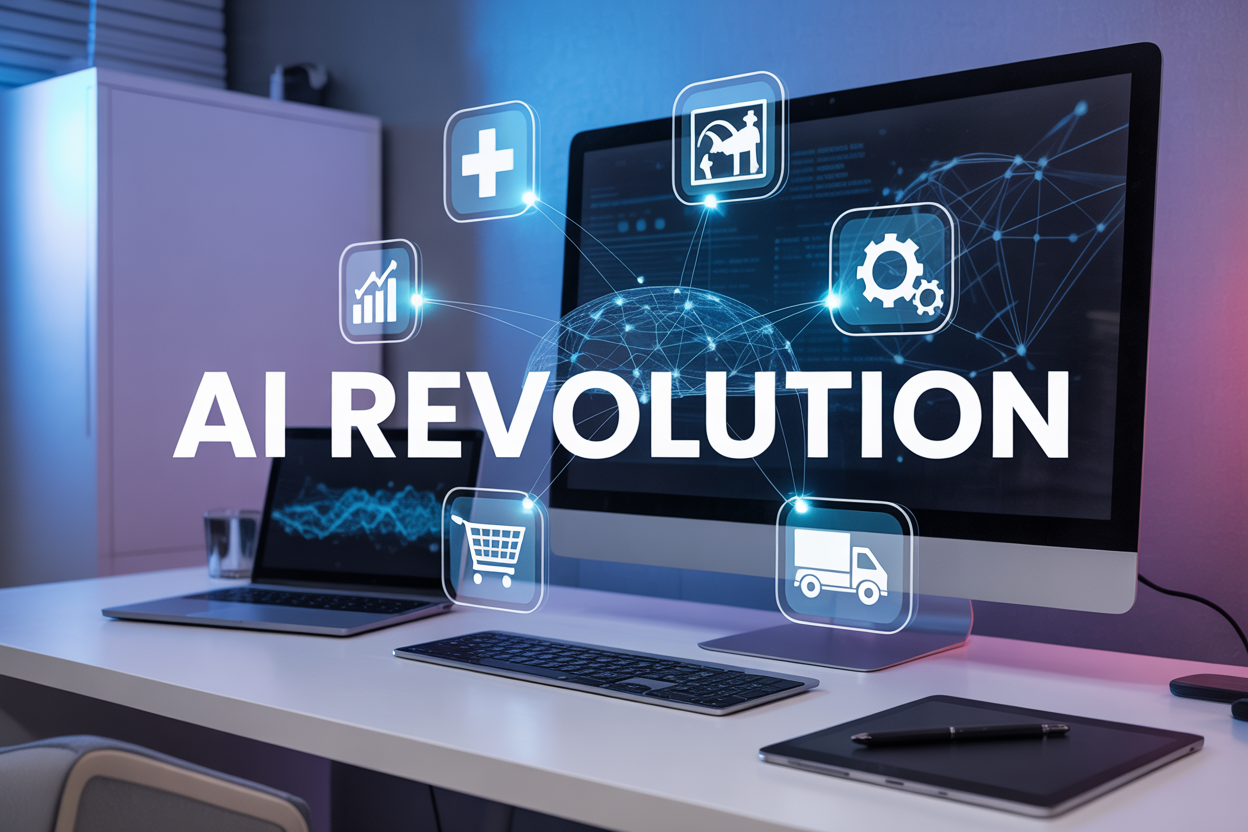
Artificial intelligence transformation is happening right now, and it’s changing how every business operates. If you’re a business leader, entrepreneur, or professional trying to understand where AI fits into your industry, you’re seeing the AI revolution unfold faster than ever before.
This comprehensive guide breaks down the artificial intelligence business impact across major sectors. You’ll discover how AI in healthcare is saving lives through better diagnostics, how AI in finance is revolutionizing fraud detection and customer service, and how AI manufacturing solutions are making production smarter and more efficient.
We’ll explore real examples of AI-driven innovation that companies are using today, examine machine learning industry applications that deliver measurable results, and look ahead at the future of artificial intelligence in your sector. By the end, you’ll have a clear roadmap for understanding where AI can make the biggest difference in your business and industry.
Understanding AI’s Current Impact Across Core Business Functions

Streamlining Operations Through Intelligent Automation
Modern businesses are experiencing a dramatic shift as artificial intelligence transformation takes hold across everyday operations. Smart automation systems now handle routine tasks that once consumed countless employee hours, freeing up human talent for strategic work that actually moves the needle.
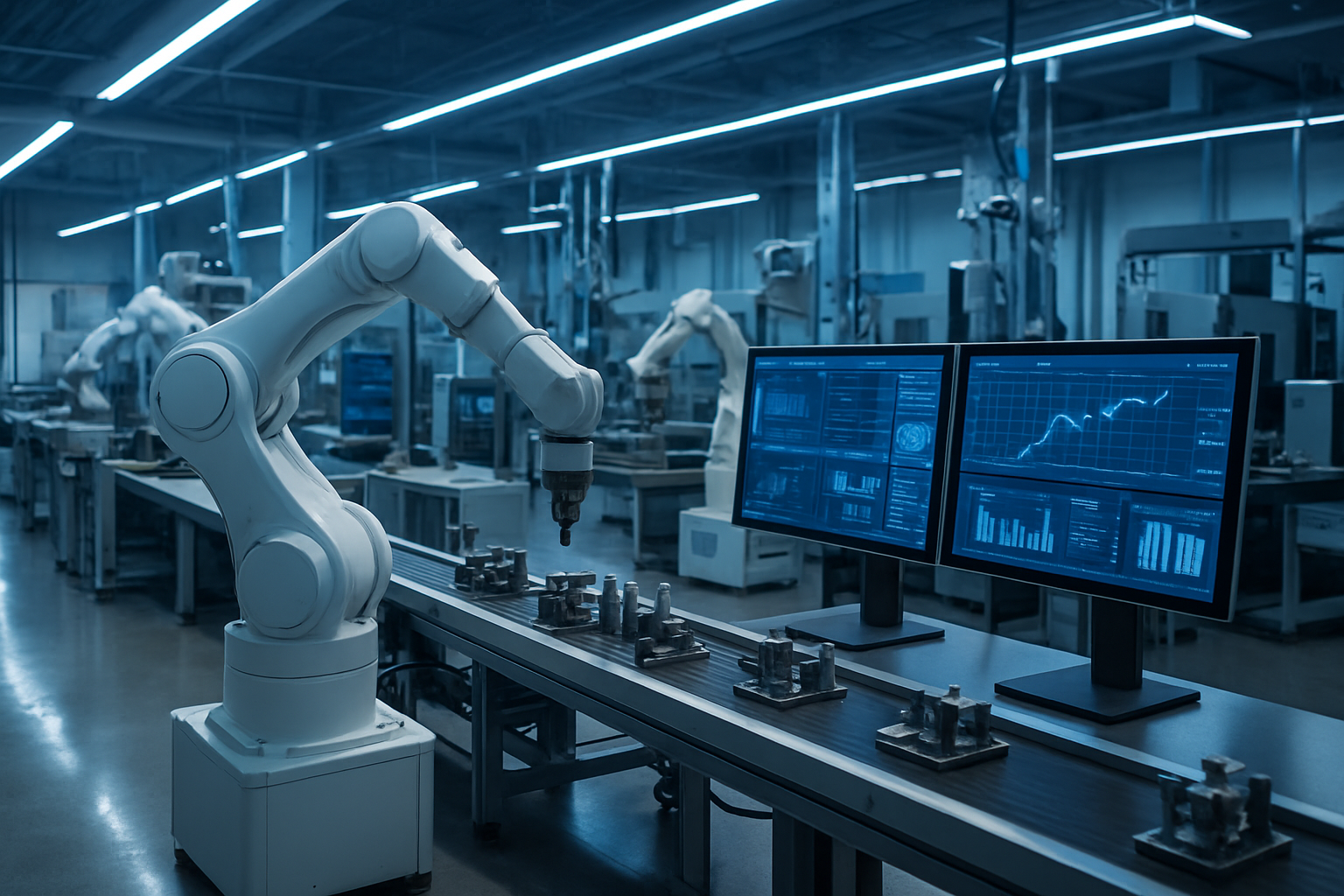
Manufacturing floors showcase some of the most impressive examples. Assembly lines equipped with AI-powered robots adjust production speeds based on real-time demand forecasts, reducing waste by up to 30%. These systems learn from patterns and continuously optimize workflows without human intervention.
Office environments benefit equally from intelligent automation. Document processing, invoice management, and data entry happen automatically through machine learning algorithms that understand context and make decisions. Companies report productivity gains of 40-60% when implementing these solutions across departments.
The artificial intelligence business impact extends beyond simple task completion. AI systems identify bottlenecks before they become problems, suggest process improvements, and even predict equipment failures days in advance. This proactive approach saves millions in downtime costs while keeping operations running smoothly.
Enhancing Decision-Making with Predictive Analytics
Data-driven decisions have become the cornerstone of successful businesses, and AI makes this possible at unprecedented scales. Predictive analytics platforms process massive datasets to reveal patterns invisible to human analysts, turning raw information into actionable insights.
Sales teams now rely on AI algorithms to identify which leads are most likely to convert, allowing them to focus energy where it matters most. Marketing departments use predictive models to determine optimal campaign timing, messaging, and budget allocation across channels.
Machine learning industry applications in decision-making span every business function:
- Financial Planning: AI predicts cash flow patterns and identifies potential budget shortfalls months ahead
- Inventory Management: Systems forecast demand fluctuations with 85% accuracy, preventing stockouts and overstock situations
- Human Resources: Predictive models identify flight risk employees and suggest retention strategies
- Risk Assessment: AI evaluates thousands of variables simultaneously to flag potential compliance issues
The speed advantage cannot be overstated. What once took weeks of analysis now happens in hours, enabling businesses to respond quickly to market changes and competitive threats.
Revolutionizing Customer Service with Smart Chatbots
Customer expectations have reached new heights, and AI-powered chatbots deliver the instant, personalized service that modern consumers demand. These intelligent systems handle complex inquiries that go far beyond simple FAQ responses.
Advanced chatbots understand context, emotion, and intent behind customer messages. They can process natural language, access customer history, and provide solutions that feel genuinely helpful rather than robotic. Many customers now prefer chatbot interactions for quick problems because they’re available 24/7 and resolve issues faster than traditional support channels.
The technology has matured significantly. Today’s smart chatbots:
- Resolve 70-80% of routine inquiries without human intervention
- Escalate complex issues to appropriate specialists with full context
- Learn from each interaction to improve future responses
- Integrate with CRM systems to provide personalized recommendations
Companies using AI-driven innovation in customer service see dramatic improvements in satisfaction scores while reducing support costs by 30-50%. The chatbots handle volume spikes during peak periods without adding staff, ensuring consistent service quality regardless of demand.
Optimizing Supply Chain Management Through AI-Powered Insights
Supply chains have become incredibly complex networks spanning multiple continents, suppliers, and distribution channels. AI brings order to this chaos by analyzing every link in the chain and identifying optimization opportunities that human managers might miss.
Real-time tracking systems powered by AI monitor shipments, weather patterns, geopolitical events, and demand signals simultaneously. When disruptions occur, these systems automatically reroute shipments, adjust production schedules, and notify relevant stakeholders within minutes.
Inventory optimization represents one of the biggest wins. AI algorithms balance carrying costs against stockout risks by analyzing historical sales data, seasonal patterns, supplier reliability, and hundreds of other variables. Companies typically see 15-25% reductions in inventory levels while maintaining higher service levels.
Supplier management becomes more strategic with AI insights. The technology evaluates vendor performance across multiple dimensions – cost, quality, delivery time, financial stability, and risk factors. This comprehensive view helps procurement teams make better sourcing decisions and build more resilient supply networks.
Demand forecasting accuracy improves dramatically when AI processes external data sources like economic indicators, social media trends, and competitor activities alongside internal sales data. These enhanced predictions enable better production planning and reduce the bullwhip effect that amplifies demand variability throughout the supply chain.
Healthcare Industry Transformation Through AI Innovation

Accelerating Drug Discovery and Development Timelines
AI in healthcare has completely changed how pharmaceutical companies discover and develop new medications. Traditional drug discovery takes 10-15 years and costs billions of dollars, but artificial intelligence transformation is slashing those timelines dramatically.
Machine learning algorithms can analyze millions of molecular compounds in days rather than years. Companies like DeepMind have used AI to predict protein structures, solving problems that stumped scientists for decades. This breakthrough helps researchers understand how drugs might interact with specific proteins in the human body.
AI systems scan vast databases of existing research, clinical trial data, and molecular information to identify promising drug candidates. Instead of testing thousands of compounds in expensive lab experiments, researchers can use AI to predict which molecules are most likely to succeed. This targeted approach saves both time and money.
Clinical trials also benefit from AI optimization. Machine learning helps identify the right patient populations for trials, predict which patients might experience adverse reactions, and even determine optimal dosing schedules. Some trials that would have taken years to complete now finish in months.
Real-world examples include Atomwise, which used AI to identify potential treatments for Ebola in just days, and BenevolentAI, which discovered a new use for an existing drug to treat ALS. These successes show how AI-driven innovation is making life-saving treatments available faster than ever before.
Improving Diagnostic Accuracy with Medical Imaging AI
Medical imaging has become one of the most successful applications of artificial intelligence in healthcare. AI systems now outperform human radiologists in detecting certain types of cancer, eye diseases, and neurological conditions.
Deep learning algorithms trained on millions of medical images can spot patterns that human eyes might miss. Google’s AI system can detect diabetic retinopathy from eye scans with over 90% accuracy. IBM Watson for Oncology analyzes CT scans and MRIs to help doctors identify cancer earlier and more precisely.
The speed advantage is game-changing. An AI system can analyze a chest X-ray in seconds, while a radiologist might take 30 minutes or more. This rapid analysis is especially valuable in emergency situations where quick diagnosis can save lives.
AI doesn’t replace radiologists but makes them more effective. The technology handles routine screenings and flags unusual cases for human review. This allows doctors to focus on complex cases while ensuring nothing gets missed in high-volume settings.
Pathology is another area seeing major improvements. AI systems can analyze tissue samples and identify cancerous cells with remarkable precision. PathAI and other companies have developed tools that help pathologists make more accurate diagnoses by highlighting suspicious areas in tissue samples.
These advances mean patients get faster, more accurate diagnoses, leading to better treatment outcomes and improved survival rates across many conditions.
Personalizing Treatment Plans Using Patient Data Analysis
The era of one-size-fits-all medicine is ending thanks to AI-driven innovation in personalized healthcare. Machine learning algorithms analyze patient data to create treatment plans tailored to individual genetic profiles, medical histories, and lifestyle factors.
AI systems process enormous amounts of patient information – genetic data, lab results, imaging studies, medication responses, and even wearable device data. This comprehensive analysis reveals patterns that help doctors predict which treatments will work best for specific patients.
Cancer treatment has seen remarkable advances through AI personalization. Tumor DNA sequencing combined with machine learning helps oncologists choose targeted therapies based on specific genetic mutations. Companies like Foundation Medicine use AI to match cancer patients with the most effective treatments based on their tumor’s genetic fingerprint.
Chronic disease management also benefits from personalized AI approaches. Diabetes patients use AI-powered apps that learn their blood sugar patterns and recommend insulin dosing adjustments. Heart patients wear devices that monitor cardiac rhythms and alert doctors to potential problems before they become serious.
Mental health treatment is becoming more personalized through AI analysis of patient responses, brain imaging, and behavioral data. Apps can track mood patterns and suggest interventions before depression or anxiety episodes worsen.
Pharmacogenomics – the study of how genes affect drug responses – uses AI to predict which medications will work best for individual patients while minimizing side effects. This reduces the trial-and-error approach that often frustrates patients and delays effective treatment.
The result is more effective treatments with fewer side effects, better patient outcomes, and reduced healthcare costs through more targeted interventions.
Financial Services Revolution Powered by AI Technologies

Preventing Fraud with Real-Time Transaction Monitoring
Banks and payment processors now catch fraudulent transactions in milliseconds, thanks to AI systems that monitor millions of transactions simultaneously. These intelligent systems analyze spending patterns, location data, device information, and behavioral markers to spot suspicious activity before money leaves accounts.
Machine learning algorithms continuously learn from new fraud patterns, adapting faster than human analysts ever could. When someone tries to use your credit card in a different country while your phone shows you’re still at home, AI flags this immediately. The system considers hundreds of variables – from typing patterns to purchase timing – creating a unique digital fingerprint for each user.
Major banks report reducing fraud losses by up to 70% while cutting false positives that previously blocked legitimate purchases. Real-time scoring means customers rarely experience the frustration of having cards declined for normal purchases, while actual fraudsters find their schemes blocked within seconds.
Automating Investment Strategies Through Algorithmic Trading
AI in finance has completely transformed how investments are managed, with algorithms now handling over 80% of all stock trades. These systems process market data, news sentiment, economic indicators, and social media trends to make split-second trading decisions that would take human analysts hours to evaluate.
Robo-advisors democratize professional investment management by offering personalized portfolios to everyday investors. These platforms automatically rebalance investments, harvest tax losses, and adjust risk levels based on market conditions and individual goals. What once required a $1 million minimum now works with just a few hundred dollars.
High-frequency trading algorithms execute thousands of trades per second, capitalizing on tiny price differences across markets. While controversial, these systems provide market liquidity and help reduce trading costs for all investors. Hedge funds using AI-driven strategies consistently outperform traditional approaches by identifying patterns human analysts miss.
Enhancing Credit Risk Assessment with Machine Learning
Traditional credit scoring relied on limited data points like payment history and debt-to-income ratios. Machine learning industry applications now analyze thousands of variables, from social media activity to shopping patterns, creating more accurate risk profiles.
AI models can predict loan defaults with 15-20% better accuracy than conventional methods. This precision helps banks offer credit to previously underserved populations while protecting against losses. Alternative data sources like utility payments, rent history, and even smartphone usage patterns help build credit profiles for people with thin traditional credit files.
Credit decisions that once took days now happen instantly. AI systems continuously monitor borrower behavior throughout the loan lifecycle, adjusting terms and identifying early warning signs of potential default. This dynamic approach reduces risk while helping customers manage their financial health more effectively.
Delivering Personalized Banking Experiences
Banks now use AI to create highly personalized financial experiences, analyzing customer data to offer timely advice and relevant products. Chatbots handle routine inquiries 24/7, while sophisticated AI assistants help customers budget, save, and plan for major purchases.
Personalization engines track spending patterns to suggest better savings opportunities or warn about unusual expenses. Some banks send alerts when bills are due, recommend optimal times to make large purchases, or automatically transfer small amounts to savings when checking balances are high.
Voice-activated banking lets customers check balances, transfer money, and pay bills through smart speakers. AI-powered mobile apps learn user preferences, streamlining common tasks and proactively offering financial insights. The artificial intelligence transformation in banking means every customer interaction becomes an opportunity to provide value beyond basic transactions.
Manufacturing Excellence Through AI-Driven Solutions
Predicting Equipment Failures Before They Occur
Manufacturing companies lose millions each year due to unexpected equipment breakdowns. AI manufacturing solutions are changing this reality by analyzing sensor data from machinery to spot potential problems weeks or even months before they happen. Machine learning algorithms examine patterns in temperature, vibration, pressure, and sound data to identify early warning signs that human operators might miss.
Companies like General Electric have saved hundreds of millions by implementing AI-driven predictive maintenance across their manufacturing operations. These systems continuously monitor thousands of data points from production equipment, creating detailed health profiles for each machine. When the AI detects unusual patterns – like a bearing starting to wear out or a motor running slightly hotter than normal – maintenance teams receive alerts to schedule repairs during planned downtime.
This proactive approach reduces emergency repairs by up to 70% and extends equipment lifespan by 20-40%. Smart sensors embedded in critical machinery feed real-time data to AI systems that can predict failures with 85-90% accuracy.
Optimizing Production Schedules for Maximum Efficiency
AI transforms production planning from a complex guessing game into a precise science. Traditional scheduling methods rely on historical averages and human intuition, but artificial intelligence transformation in manufacturing uses real-time data to create optimal production schedules that adapt to changing conditions.
Modern AI scheduling systems consider hundreds of variables simultaneously: machine availability, worker skills, material delivery times, energy costs, customer priorities, and quality requirements. These systems can reschedule entire production lines within minutes when unexpected changes occur, such as a rush order or equipment malfunction.
BMW uses AI-powered scheduling across their global manufacturing network, resulting in 15% faster production cycles and 25% reduction in inventory costs. The system balances production loads across multiple facilities, automatically adjusting schedules when one plant experiences delays or capacity constraints.
Machine learning industry applications in scheduling also optimize maintenance windows, ensuring critical equipment receives attention without disrupting production flow. The AI learns from past scheduling decisions, continuously improving its recommendations based on actual outcomes versus predicted results.
Ensuring Quality Control with Computer Vision Systems
Computer vision systems powered by AI are revolutionizing quality control in manufacturing by detecting defects that human inspectors might miss while working at speeds impossible for manual inspection. These systems use high-resolution cameras combined with deep learning algorithms to examine products for flaws, inconsistencies, and deviations from specifications.
Automotive manufacturers like Tesla employ computer vision systems that can identify paint defects as small as 0.1 millimeters, scratches invisible to the naked eye, and assembly errors across thousands of inspection points. The AI systems learn to recognize good versus defective products by analyzing millions of product images, becoming more accurate over time.
Electronics manufacturers use AI-powered visual inspection to check circuit boards, identifying misaligned components, solder defects, and missing parts with 99.9% accuracy. These systems work 24/7 without fatigue, maintaining consistent quality standards across all shifts.
The technology extends beyond simple pass/fail decisions – AI can classify defect types, predict which defects might worsen over time, and recommend specific corrective actions. This detailed analysis helps manufacturers improve their processes and reduce defect rates at the source.
Reducing Waste Through Intelligent Resource Management
AI-driven innovation in manufacturing is dramatically cutting waste across all production areas by optimizing resource usage with unprecedented precision. Smart systems analyze material flows, energy consumption, and production patterns to identify waste reduction opportunities that traditional methods overlook.
In steel manufacturing, AI systems optimize furnace operations to reduce energy consumption by 15-20% while maintaining output quality. The algorithms continuously adjust temperature, timing, and chemical compositions based on real-time feedback, minimizing both energy waste and material loss.
Food processing companies use AI to optimize ingredient usage, reducing waste by precisely calculating optimal quantities based on production schedules, shelf life, and demand forecasts. These systems prevent overproduction while ensuring adequate supply to meet customer needs.
| Waste Reduction Area | Typical AI Impact | Example Industries |
|---|---|---|
| Material Usage | 10-25% reduction | Textiles, Food Processing |
| Energy Consumption | 15-30% reduction | Steel, Chemicals, Paper |
| Water Usage | 20-35% reduction | Beverages, Pharmaceuticals |
| Packaging Materials | 12-20% reduction | Consumer Goods, Electronics |
AI also optimizes inventory management by predicting demand patterns and adjusting procurement schedules to minimize excess materials. Smart algorithms factor in seasonal trends, market conditions, and production capabilities to maintain lean inventories without risking stockouts.
Retail and E-commerce Transformation with AI Capabilities
Creating Hyper-Personalized Shopping Experiences
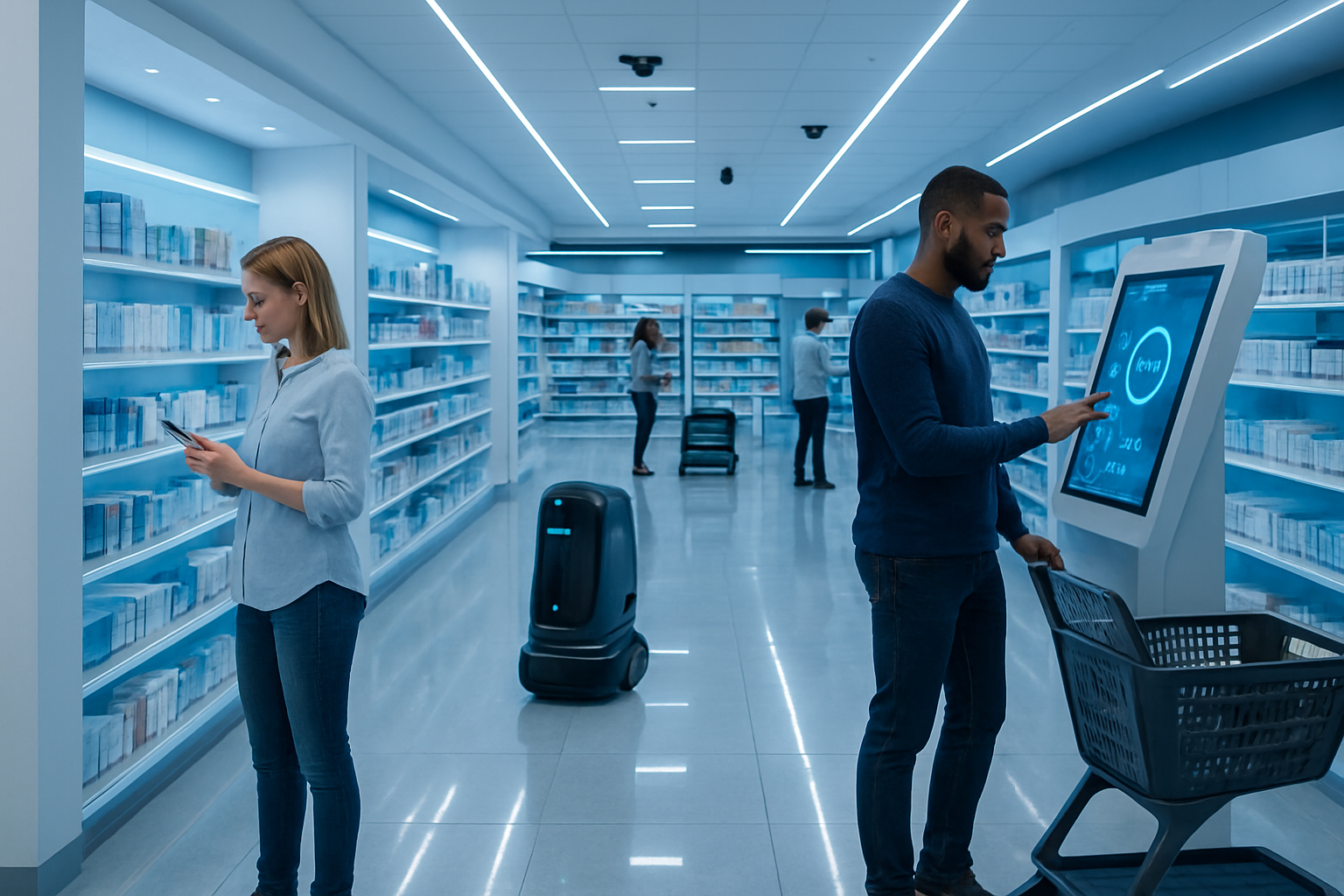
Modern retail has moved far beyond one-size-fits-all marketing. AI retail automation now enables brands to create shopping experiences that feel uniquely crafted for each customer. Machine learning algorithms analyze browsing patterns, purchase history, and even time spent looking at specific products to build comprehensive customer profiles.
These systems track micro-behaviors that humans would never notice. They know if someone always shops for electronics on weekends, prefers reading reviews before buying, or tends to abandon carts at certain price points. This granular understanding powers recommendation engines that suggest products with scary accuracy.
Visual search technology takes personalization even deeper. Customers can snap photos of items they like, and AI instantly finds similar products in the retailer’s inventory. Some platforms even analyze social media posts to understand style preferences and suggest complementary items.
Real-time personalization adjusts website layouts, product placements, and promotional offers based on individual visitor behavior. A returning customer might see their favorite brands featured prominently, while first-time visitors get introductory offers for popular items.
Chatbots powered by natural language processing provide instant, personalized customer service. They remember previous conversations, understand context, and can handle complex queries about product compatibility, sizing, and availability across multiple channels.
Optimizing Inventory Management and Demand Forecasting
Predicting what customers want, when they want it, and in what quantities has always been retail’s biggest challenge. Artificial intelligence transformation has revolutionized this guessing game into precise science.
AI systems process vast datasets including historical sales, seasonal trends, weather patterns, social media sentiment, and even economic indicators. This comprehensive analysis creates demand forecasts that are remarkably accurate compared to traditional methods.
Machine learning models identify subtle patterns humans miss. They spot correlations between seemingly unrelated factors – like how rainy weather affects online furniture sales or how social media buzz around a celebrity outfit drives demand for similar styles.
Smart inventory systems automatically adjust stock levels based on these predictions. They can increase orders for trending items before demand peaks and reduce inventory for products showing declining interest. This prevents both stockouts and overstock situations that hurt profitability.
Regional demand variations become crystal clear through AI analysis. The same product might sell differently across locations due to demographics, local preferences, or regional events. AI helps retailers tailor inventory distribution accordingly.
Supplier relationships benefit too. Predictive analytics help negotiate better terms by providing accurate demand projections months in advance. This visibility allows for bulk purchasing at optimal times and reduces emergency ordering costs.
Implementing Dynamic Pricing Strategies
Static pricing belongs to the past. AI-driven innovation has introduced dynamic pricing that responds to market conditions in real-time. These systems monitor competitor prices, inventory levels, customer demand, and external factors to optimize pricing continuously.
Price optimization algorithms consider multiple variables simultaneously. They factor in production costs, competitor positioning, customer price sensitivity, and profit margin requirements to find the sweet spot that maximizes revenue while maintaining competitiveness.
Demand-based pricing adjusts automatically when products gain popularity. High-demand items can command premium prices, while slow-moving inventory gets strategic discounts to clear space for new products. This approach maximizes revenue from popular items while minimizing losses from dead stock.
Competitive intelligence systems track rival pricing across thousands of products instantly. When competitors adjust prices, AI systems can respond within minutes rather than days or weeks. This agility prevents losing sales to better-priced alternatives.
Personalized pricing takes optimization further by considering individual customer behavior. Loyal customers might receive exclusive discounts, while price-sensitive shoppers see promotions designed to convert them. This approach increases conversion rates while maintaining profit margins.
Market timing becomes precise with AI analysis. Systems identify optimal moments to launch sales, adjust seasonal pricing, or introduce promotional campaigns based on customer behavior patterns and market conditions.
Transportation and Logistics Evolution Through AI
Advancing Autonomous Vehicle Technology Development
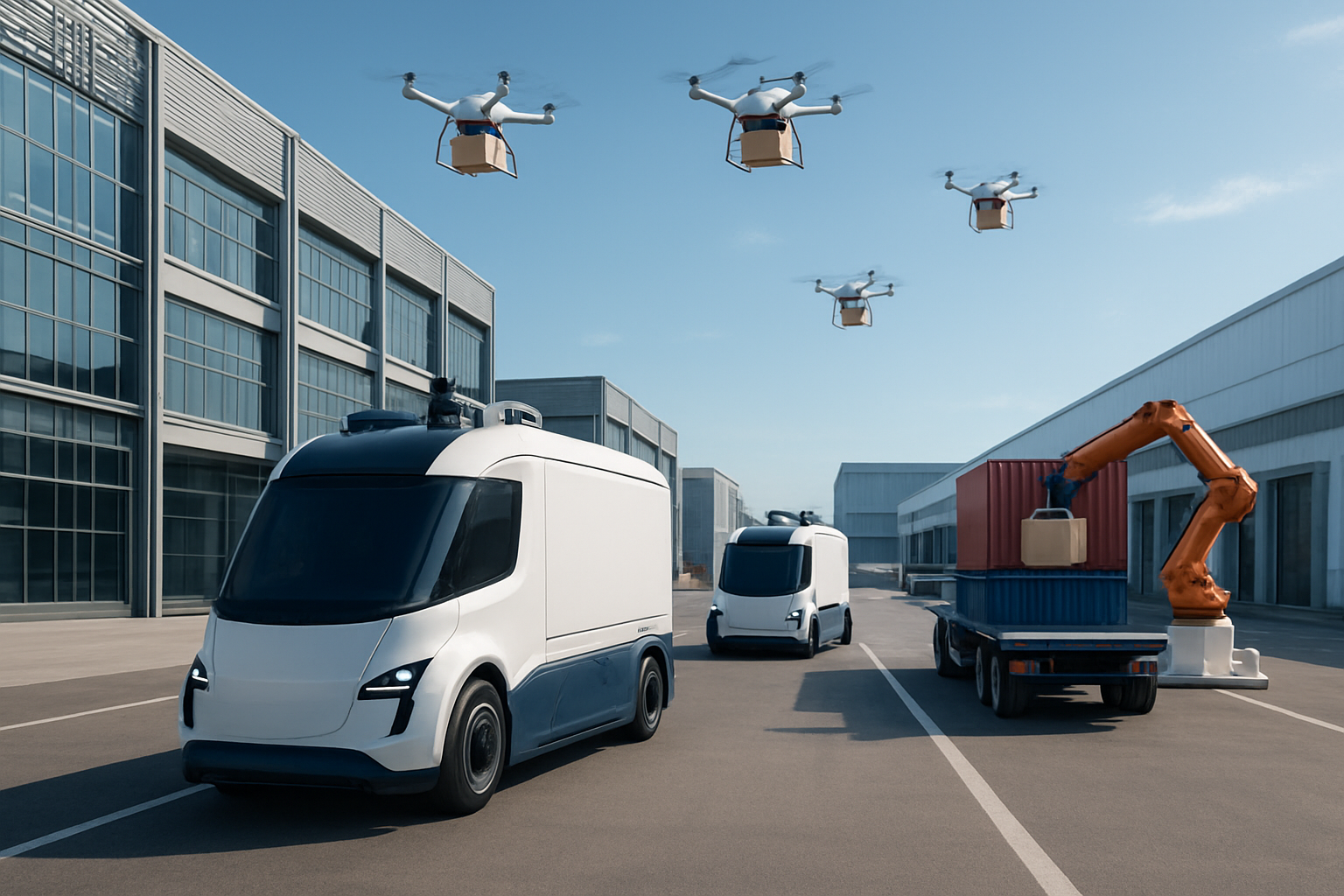
Self-driving cars are no longer science fiction. Major automakers and tech companies are pouring billions into autonomous vehicle development, creating sophisticated systems that can navigate complex traffic scenarios. These vehicles rely on multiple AI technologies working together: computer vision processes camera feeds to identify objects, LiDAR sensors create detailed 3D maps, and machine learning algorithms make split-second driving decisions based on real-time data.
The technology has progressed through five levels of automation, with current commercial applications reaching Level 3 autonomy. Companies like Waymo, Tesla, and General Motors are testing Level 4 vehicles that can handle most driving situations without human intervention. The AI systems learn from millions of miles of driving data, constantly improving their ability to predict pedestrian behavior, recognize unusual road conditions, and respond to emergency vehicles.
Safety remains the primary focus, with AI systems designed to be more predictable and consistent than human drivers. These vehicles don’t get tired, distracted, or make emotional decisions that lead to accidents.
Optimizing Route Planning and Fleet Management
Fleet operators are using artificial intelligence transformation to revolutionize how they manage thousands of vehicles across vast geographic areas. AI algorithms analyze historical traffic patterns, weather conditions, delivery schedules, and vehicle maintenance needs to create optimized routes that save time, fuel, and money.
Companies like UPS have implemented AI-powered systems that process over 1,000 different variables to determine the most efficient delivery routes. Their ORION system has reduced delivery miles by millions annually while increasing the number of packages delivered per route.
Real-time adjustments happen automatically as conditions change throughout the day. If an accident blocks a major highway, AI systems instantly recalculate routes for entire fleets, redirecting drivers before they encounter delays. Vehicle health monitoring through IoT sensors allows predictive maintenance scheduling, preventing breakdowns that could disrupt operations.
Modern fleet management platforms also optimize driver schedules, fuel purchases, and cargo loading to maximize efficiency across every aspect of transportation operations.
Improving Traffic Flow with Smart City Infrastructure
Cities worldwide are implementing AI-driven traffic management systems that turn traditional infrastructure into intelligent networks. Smart traffic lights adjust timing based on real-time vehicle and pedestrian flow, reducing wait times and emissions. These systems can prioritize emergency vehicles, public transit, or high-traffic corridors depending on current needs.
AI cameras monitor intersections and highway segments, detecting incidents before they cause major backups. When accidents occur, the system automatically adjusts signal timing across the entire network to redirect traffic flow. Some cities report traffic flow improvements of 20-30% after implementing these intelligent systems.
Parking management has become smarter too, with AI systems directing drivers to available spots through mobile apps and dynamic signage. This reduces the time vehicles spend circling blocks searching for parking, which can account for up to 30% of urban traffic congestion.
Public transportation benefits from AI optimization as well, with systems that adjust bus schedules based on ridership patterns and coordinate with traffic signals to reduce delays.
Enhancing Last-Mile Delivery Efficiency
The final stretch of package delivery has become a competitive battleground where AI-driven innovation makes the difference between profit and loss. Delivery companies use machine learning algorithms to predict package volumes, optimize delivery sequences, and even determine the best time to attempt deliveries based on customer behavior patterns.
Amazon’s delivery stations use AI to sort packages and plan routes that account for package size, delivery time windows, and driver capabilities. The system can adjust throughout the day as new orders arrive or delivery conditions change.
Drone delivery systems represent the cutting edge of last-mile innovation. Companies like Wing and Amazon Prime Air use AI for flight path planning, obstacle avoidance, and landing site selection. These systems must navigate complex airspace while avoiding birds, buildings, and other aircraft.
Automated delivery lockers and smart drop-off points reduce failed delivery attempts, while AI-powered customer communication systems provide accurate delivery time predictions and allow real-time schedule adjustments based on customer preferences.
Future Opportunities and Strategic Implementation for Businesses

Building AI-Ready Organizational Infrastructure
Successful artificial intelligence transformation requires more than just buying the latest software. Companies need to rethink their entire technology stack, starting with robust data infrastructure that can handle massive volumes of information. This means investing in cloud computing platforms, high-speed networks, and scalable storage solutions that grow with AI demands.
Data governance becomes critical when implementing AI systems. Organizations must establish clear protocols for data collection, storage, and access while ensuring compliance with privacy regulations. Clean, well-organized data feeds directly into AI performance – garbage in, garbage out remains true for machine learning applications.
Leadership commitment drives AI transformation success. C-suite executives need to champion AI initiatives and allocate sufficient budgets for long-term implementation. This includes hiring AI specialists, partnering with technology vendors, and creating dedicated innovation teams that focus on AI-driven solutions.
Security infrastructure requires special attention when deploying AI systems. Companies must protect sensitive data used in training algorithms while preventing unauthorized access to AI models. This involves implementing encryption, access controls, and monitoring systems that detect potential threats to AI assets.
Developing Workforce Skills for AI Collaboration
The artificial intelligence business impact extends beyond technology to human capital development. Workers across all levels need training to collaborate effectively with AI systems rather than fear replacement by them. This starts with basic AI literacy programs that help employees understand how machine learning works and where it adds value.
Reskilling programs should focus on uniquely human capabilities that complement AI strengths. Creative problem-solving, emotional intelligence, and complex decision-making become more valuable as AI handles routine tasks. Companies like Amazon and Google have invested billions in retraining programs that prepare workers for AI-augmented roles.
Technical teams require specialized training in AI development and deployment. Data scientists, machine learning engineers, and AI product managers need continuous education as technologies evolve rapidly. Many organizations partner with universities or online platforms to provide ongoing learning opportunities.
Middle management plays a crucial role in AI adoption success. Supervisors need training to integrate AI recommendations into daily workflows and help their teams adapt to new processes. Change management skills become essential as AI transforms traditional job functions across departments.
Creating Competitive Advantages Through Early AI Adoption
Early adopters of artificial intelligence transformation gain significant market advantages that become harder for competitors to replicate over time. Companies that implement AI solutions first often capture valuable data that improves their algorithms while competitors struggle to catch up.
Customer experience improvements through AI create lasting competitive moats. Personalized recommendations, intelligent chatbots, and predictive service delivery establish higher satisfaction levels that retain customers and attract new ones. Netflix and Spotify built dominant positions partly through superior AI-driven recommendation engines.
Operational efficiency gains from AI implementation reduce costs and improve profit margins. Predictive maintenance, supply chain optimization, and automated quality control deliver measurable returns on investment. Manufacturing companies using AI-driven solutions often achieve 20-30% productivity improvements compared to traditional approaches.
Market timing matters significantly in AI adoption. Industries undergoing digital transformation offer the best opportunities for AI implementation, while mature sectors may require more innovative approaches. Companies that identify AI applications early in their industry lifecycle position themselves as leaders rather than followers in the artificial intelligence revolution.
Strategic partnerships accelerate competitive advantages for AI adopters. Collaborating with technology vendors, research institutions, and other companies creates access to cutting-edge capabilities without massive internal development costs. These partnerships often lead to proprietary solutions that competitors cannot easily replicate.

Artificial intelligence isn’t just changing a few industries here and there—it’s completely reshaping how we work, shop, get medical care, and move around the world. From doctors using AI to spot diseases earlier to manufacturers preventing equipment breakdowns before they happen, these technologies are making businesses faster, smarter, and more efficient. The financial sector is catching fraud in real-time, retailers are personalizing shopping experiences like never before, and transportation companies are optimizing routes that seemed impossible just a few years ago.
The question isn’t whether AI will impact your industry—it’s how quickly you’ll adapt to stay competitive. Smart businesses are already testing AI solutions, training their teams, and building the infrastructure needed for this new reality. Don’t wait for AI to disrupt your market from the outside. Start exploring how these tools can solve your biggest challenges today, and you’ll be ready to lead instead of scramble to catch up tomorrow.