AWS Traffic Inspection Architecture: MFT, GWLB, and GENEVE Explained
If you’re building security into your AWS environment, you’ve probably hit a point where you need to actually see what’s moving across your network — not just log it, but inspect it. That’s where AWS traffic inspection architecture comes in, and it’s more approachable than it sounds.
This guide is for cloud architects, network engineers, and security teams who want a clear picture of how traffic inspection works in AWS without wading through pages of documentation to connect the dots.
Here’s what we’ll walk through:
- How mirrored flow traffic works and why it’s a smarter way to copy and analyze packets without disrupting live traffic
- How Gateway Load Balancer (GWLB) sits at the center of a scalable inspection setup, routing traffic to your security tools transparently
- What the GENEVE protocol actually does and why it matters for keeping traffic context intact as packets move through your inspection pipeline
By the end, you’ll have a solid mental model of how these three pieces fit together into one unified AWS network security architecture — and you’ll know exactly where each component earns its place.
Understanding AWS Traffic Inspection and Why It Matters

The Growing Need for Deep Traffic Visibility in Cloud Environments
As workloads scale across AWS, blind spots in network traffic create serious risks. Without proper AWS traffic inspection architecture, threats move laterally undetected. Teams need real-time visibility into east-west and north-south flows to catch anomalies before damage occurs, making cloud network traffic monitoring non-negotiable for modern security teams.
Breaking Down Mirrored Flow Traffic and Its Role in Inspection
What Mirrored Flow Traffic Captures
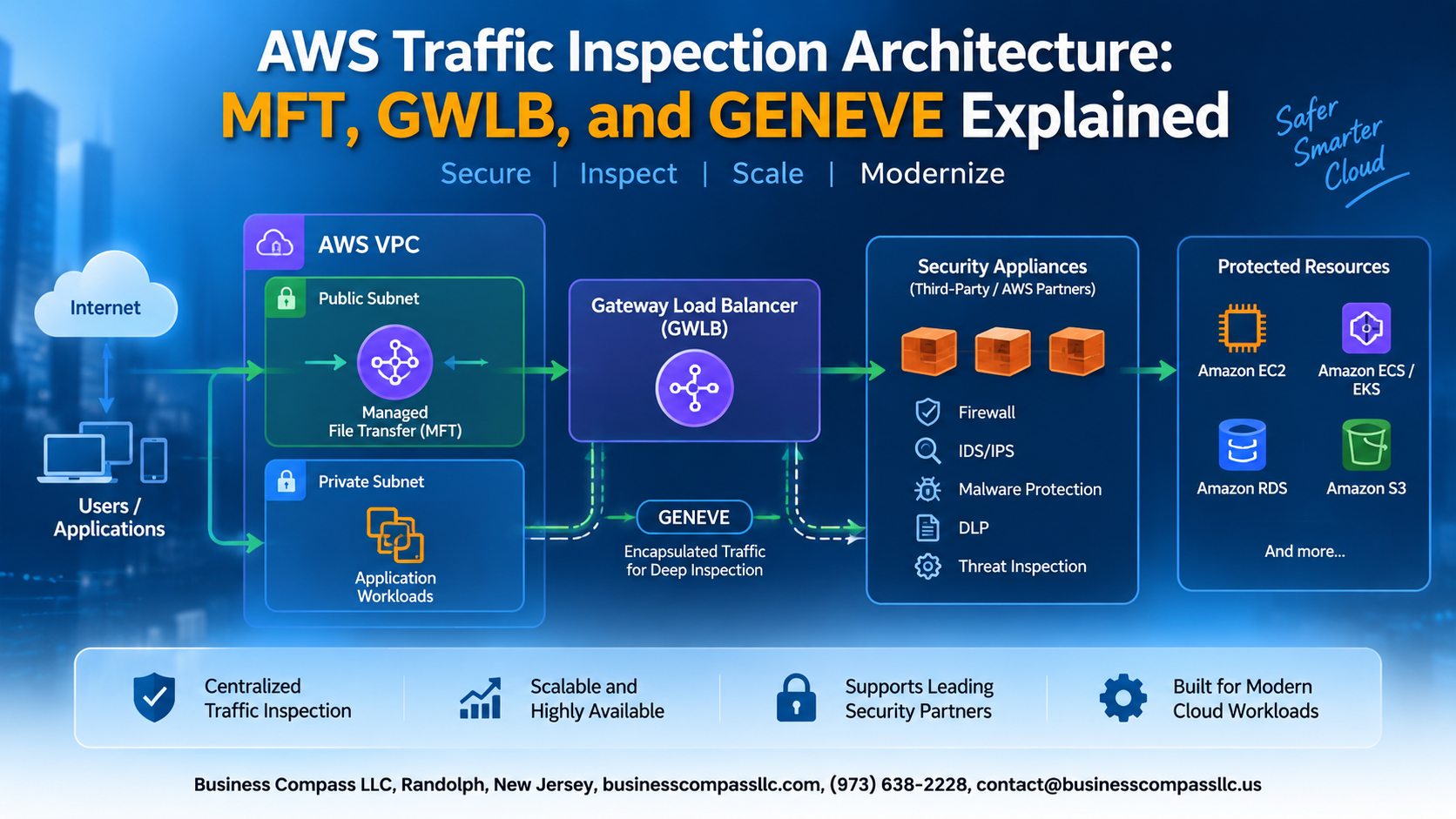
Mirrored flow traffic (MFT) copies real network packets from your AWS workloads to inspection tools without disrupting live traffic. Unlike traditional packet capture, MFT works natively within AWS VPCs, targeting specific ENIs. Best for:
- Threat detection
- Compliance auditing
- Anomaly spotting
Limitation: MFT adds cost at scale.
Gateway Load Balancer as the Core of Your Inspection Architecture
How GWLB Simplifies Routing to Security Appliances
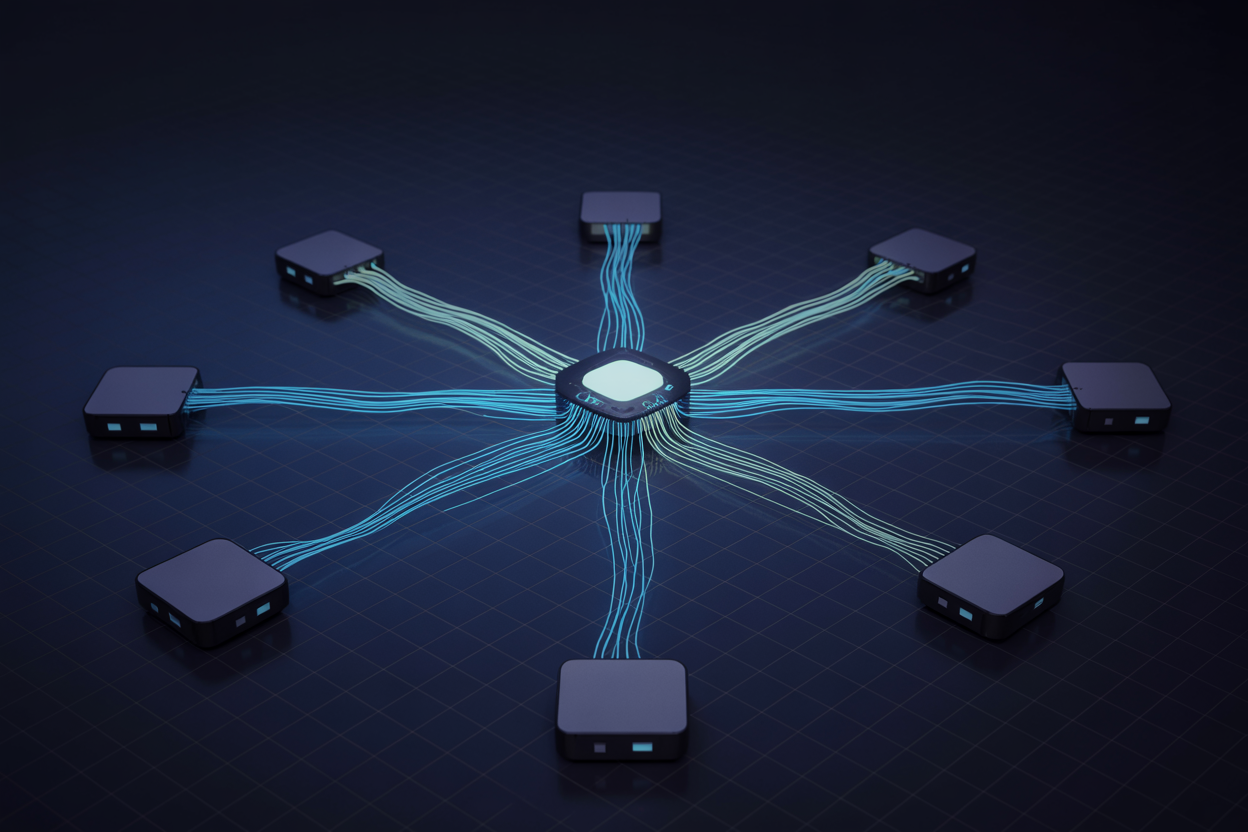
AWS Gateway Load Balancer acts as a transparent bump-in-the-wire, routing traffic to security appliances without changing your existing architecture. It handles load balancing, scaling, and failover automatically, keeping your GWLB traffic inspection seamless across multi-VPC setups while supporting GENEVE encapsulation to preserve original packet context.
GENEVE Protocol and Its Importance in Preserving Traffic Context

What GENEVE Is and How It Differs from Other Encapsulation Protocols
GENEVE wraps original packets inside a flexible tunnel header, carrying rich metadata that older protocols like VXLAN or GRE simply can’t match. This extra context travels with every packet through the GWLB, letting security appliances see the true source, destination, and flow details needed for accurate AWS packet inspection without losing critical information.
Putting It All Together in a Unified Inspection Architecture

How MFT, GWLB, and GENEVE Work Together Seamlessly
Mirrored flow traffic feeds into the Gateway Load Balancer, which uses GENEVE encapsulation to ship packets — with full original context intact — to your inspection appliances. This AWS traffic inspection architecture keeps everything in sync: real source IPs, ports, and metadata survive the entire journey, giving your security tools clean, actionable data.
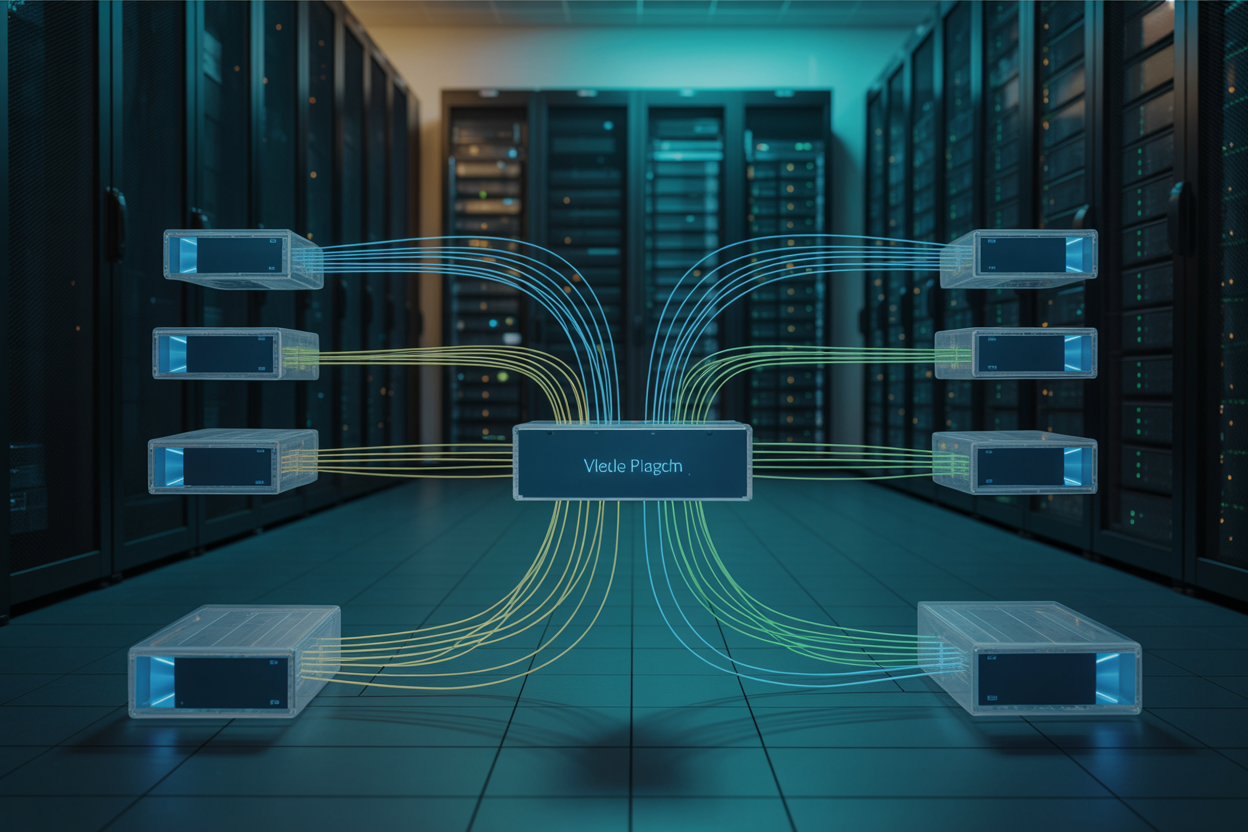
Securing your AWS environment comes down to having the right architecture in place — one where every packet can be inspected without losing the context that makes that inspection meaningful. Mirrored Flow Traffic gives you visibility, the Gateway Load Balancer handles the heavy lifting of distributing traffic to your security tools, and the GENEVE protocol makes sure nothing gets lost in translation along the way. Together, they form a solid foundation for traffic inspection that actually works at scale.
If you’re running workloads in AWS and security is a priority (and it should be), now is a great time to take a closer look at how these three pieces fit together in your own environment. Start by mapping out your current traffic flow, identify the gaps, and explore how GWLB and GENEVE can help you close them. The building blocks are there — it’s just a matter of putting them to work.