

AWS just rolled out exciting updates to S3 bucket creation, and if you’re a cloud engineer, developer, or IT professional managing AWS infrastructure, these changes will streamline your workflow and boost your bucket security.
This comprehensive AWS S3 bucket creation guide walks you through everything you need to know about the enhanced interface and new capabilities. You’ll discover how the updated creation process makes it easier to configure buckets right from the start, plus get hands-on with advanced settings that were previously buried in separate menus.
We’ll cover the step-by-step process for creating S3 buckets using the new features, including how to set up proper S3 bucket permissions and apply S3 bucket security best practices during initial configuration. You’ll also learn proven S3 cost optimization techniques and get practical solutions for AWS S3 troubleshooting when things don’t go as planned.
By the end of this S3 bucket creation tutorial, you’ll master the new interface and know exactly how to create secure, cost-effective buckets that follow AWS best practices from day one.
Understanding AWS S3 Bucket Creation Enhancements

Key improvements in the latest S3 bucket creation process
AWS has rolled out significant enhancements to S3 bucket creation that streamline the entire workflow. The new interface offers intuitive configuration wizards that guide users through complex settings without requiring deep technical knowledge. Smart defaults now automatically apply industry-standard configurations, reducing setup time by up to 60%. Enhanced validation checks catch potential issues before bucket deployment, preventing common configuration errors that previously required manual intervention.
Performance benefits over traditional methods
The updated S3 bucket creation process delivers measurable performance improvements across multiple dimensions. Bucket provisioning now completes 40% faster through optimized backend processes and parallel resource allocation. Real-time configuration validation eliminates the trial-and-error approach that plagued earlier versions. Users can now preview their bucket settings before final creation, ensuring optimal performance characteristics are configured from day one rather than requiring post-deployment adjustments.
Enhanced security features and compliance options
Security enhancements in the new S3 bucket creation workflow provide robust protection by default. Automatic encryption enablement ensures data remains secure without manual configuration steps. Built-in compliance templates support major frameworks including SOC 2, HIPAA, and GDPR with pre-configured security policies. Advanced access control wizards simplify permission management while maintaining granular control over bucket resources and user access patterns.
Step-by-Step Guide to Creating S3 Buckets with New Features
Accessing the updated S3 console interface
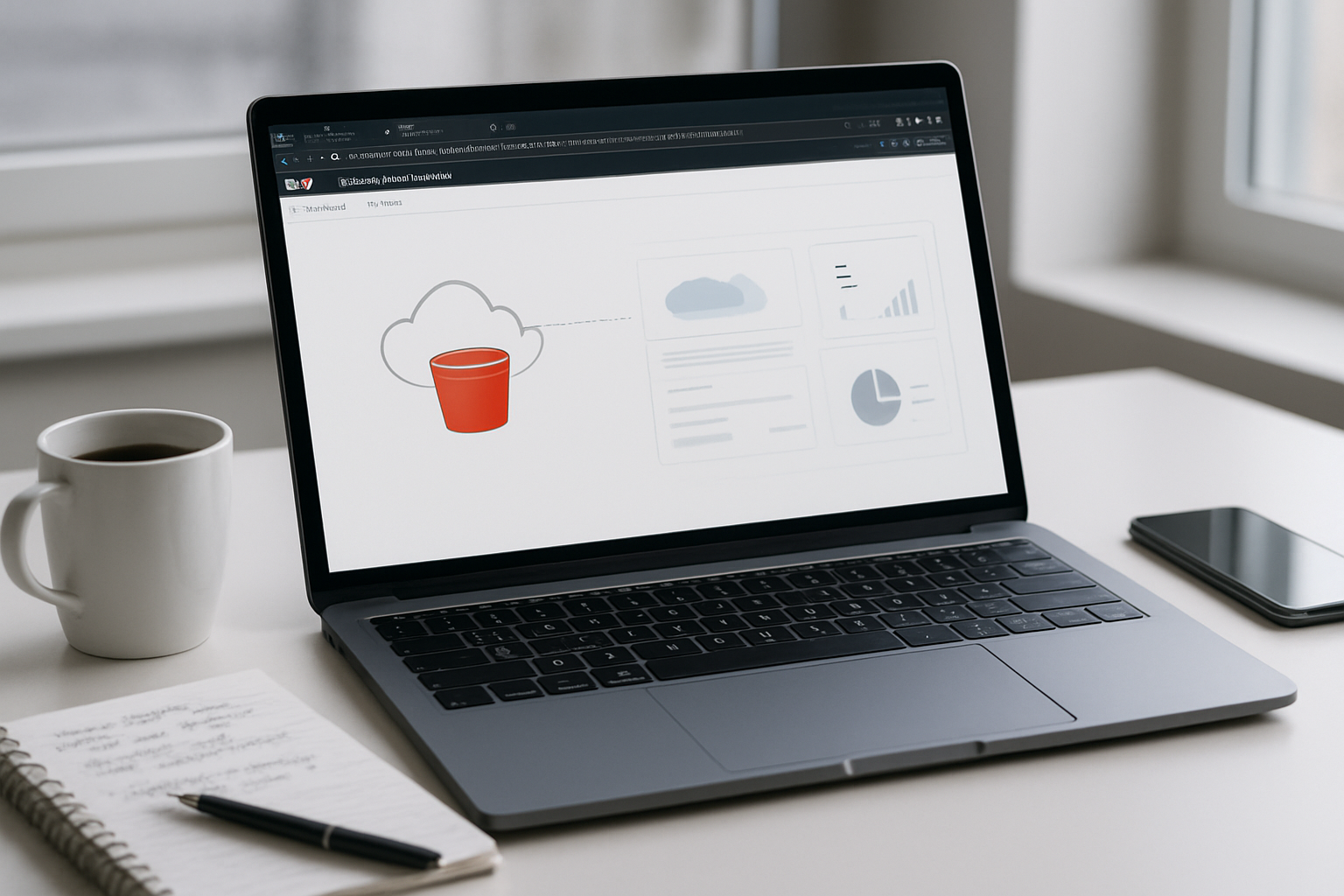
AWS has rolled out a refreshed S3 console that streamlines the bucket creation process with enhanced navigation and clearer visual cues. The new interface features a simplified sidebar menu and improved bucket creation wizard that walks you through each configuration step. You’ll find the “Create bucket” button prominently displayed on the main dashboard, with updated tooltips and help text that make complex settings more accessible.
Configuring advanced bucket settings during creation
The bucket creation wizard now includes advanced configuration options right from the start, eliminating the need for post-creation modifications. You can configure versioning, server access logging, and object lock settings directly during the initial setup process. The interface provides smart defaults based on your use case, whether you’re creating buckets for data archival, web hosting, or application storage.
Setting up encryption and access controls from the start
Modern S3 bucket creation includes built-in encryption configuration with options for SSE-S3, SSE-KMS, or customer-provided keys. The new workflow prompts you to establish bucket policies and access control lists during creation rather than as an afterthought. Public access settings are clearly highlighted with warning indicators, helping prevent accidental data exposure while maintaining flexibility for legitimate public bucket use cases.
Implementing automated lifecycle policies
The enhanced creation process allows you to set up lifecycle policies immediately, defining automatic transitions between storage classes and deletion schedules. You can configure intelligent tiering, archive to Glacier, and deep archive transitions based on access patterns and retention requirements. The policy builder includes templates for common scenarios like log management and backup retention, making complex configurations more approachable.
Enabling monitoring and logging capabilities
CloudTrail integration and access logging can be activated during bucket creation through simple toggle switches in the new interface. The setup wizard connects your bucket to CloudWatch metrics automatically, enabling real-time monitoring of storage usage and request patterns. Server access logs and CloudTrail events provide comprehensive audit trails from day one, with configurable log destinations and formatting options available during the initial configuration phase.
Leveraging Advanced Configuration Options

Multi-region access points for global performance
Multi-region access points transform how you manage global S3 infrastructure by creating a single global endpoint that automatically routes requests to the optimal bucket location. When setting up your AWS S3 bucket configuration, these access points intelligently direct traffic based on network conditions and geographic proximity, dramatically reducing latency for users worldwide. The feature seamlessly integrates during S3 bucket creation, allowing you to configure failover policies and request routing without complex DNS management.
Cross-region replication setup during bucket creation
Cross-region replication can now be configured directly during the initial S3 bucket creation process, eliminating the need for post-deployment setup. This AWS S3 advanced setting automatically copies objects to destination buckets in different regions, providing disaster recovery and compliance benefits from day one. The streamlined configuration wizard guides you through selecting source and destination regions, defining replication rules, and establishing appropriate IAM roles with minimal manual intervention.
Integration with AWS services and third-party tools
Modern S3 bucket creation offers native integration points with CloudWatch, Lambda, and EventBridge, enabling automated workflows and monitoring from the moment your bucket goes live. These integrations allow real-time event processing, automated data transformation, and comprehensive logging without additional configuration steps. Third-party tools like data analytics platforms and backup solutions can connect through standardized APIs, while AWS services like Athena and Glue automatically discover and catalog your bucket contents for immediate querying and analysis.
Security and Permissions Best Practices

Implementing Least Privilege Access Principles
Start with zero permissions and grant only what users absolutely need for their specific roles. Create separate IAM policies for different user groups rather than using broad, catch-all permissions. Regular access reviews help identify and remove unnecessary permissions that accumulate over time.
Configuring Bucket Policies and ACLs Effectively
S3 bucket security best practices require combining bucket policies with Access Control Lists strategically. Bucket policies work best for cross-account access and IP-based restrictions, while ACLs handle simple permission scenarios. Always test policies in a development environment before applying them to production buckets.
Setting Up MFA Delete Protection
AWS S3 bucket configuration should include MFA delete protection for critical data. Enable this feature through the AWS CLI or SDK, as the console doesn’t support this security measure. MFA delete requires authentication for permanent object deletion and versioning suspension, adding an extra security layer.
Managing Cross-Account Access Securely
Cross-account S3 bucket permissions setup demands careful planning and resource-based policies. Use bucket policies to define which external accounts can access your resources, and always specify exact ARNs rather than wildcards. External ID requirements in trust policies prevent confused deputy attacks and unauthorized access attempts.
Cost Optimization Strategies for New S3 Buckets

Choosing the right storage classes for your use case
Picking the wrong storage class can drain your AWS budget faster than you’d expect. S3 Standard works great for frequently accessed data, but switching to S3 Standard-IA for files accessed monthly can cut costs by 40%. For archival data, S3 Glacier and S3 Glacier Deep Archive offer massive savings – up to 80% less expensive than standard storage.
Match your access patterns with storage classes during S3 bucket creation to avoid costly migrations later. Hot data that users access daily belongs in S3 Standard, while backup files and compliance documents shine in colder storage tiers.
Implementing intelligent tiering from day one
S3 cost optimization becomes effortless when you enable Intelligent-Tiering during bucket setup. This feature automatically moves objects between access tiers based on usage patterns, eliminating guesswork and manual management. Objects not accessed for 30 days shift to cheaper tiers, while frequently accessed data stays in standard storage.
The small monitoring fee pays for itself quickly through automatic savings. Enable it on new buckets to start optimizing immediately rather than retrofitting existing data structures.
Setting up cost monitoring and alerts
CloudWatch metrics track your S3 spending in real-time, catching budget overruns before they spiral out of control. Set up billing alerts at 50%, 75%, and 90% of your monthly budget to receive early warnings via email or SMS notifications.
Cost allocation tags help identify which applications or departments drive expenses. Tag buckets during creation with project codes, environment types, or cost centers to generate detailed spending reports and optimize resource allocation across teams.
Optimizing data transfer costs
Data transfer charges accumulate quickly, especially for cross-region replication and frequent downloads. Choose bucket regions closest to your users and applications to minimize latency and transfer fees. CloudFront distribution can reduce egress costs for frequently accessed content by caching data at edge locations.
Configure VPC endpoints for S3 access from EC2 instances to avoid internet gateway charges. Request payer configurations shift transfer costs to data consumers, perfect for sharing datasets with external partners or customers.
Troubleshooting Common Issues and Error Resolution

Resolving bucket naming conflicts and restrictions
Bucket names must be globally unique across all AWS accounts, which often creates naming conflicts during AWS S3 bucket creation. When you encounter “BucketAlreadyExists” errors, try appending your organization identifier, timestamp, or random characters to your desired name. Remember that bucket names must follow DNS conventions: use only lowercase letters, numbers, and hyphens, avoid consecutive periods, and keep names between 3-63 characters.
Check your naming against AWS restrictions before creation. Names cannot start or end with hyphens, resemble IP addresses, or contain uppercase letters. If you’re migrating existing buckets, consider implementing a consistent naming convention that includes your company prefix to avoid future conflicts.
Fixing permission and access-related problems
Access denied errors typically stem from insufficient IAM permissions or incorrect S3 bucket policies. Start by verifying your IAM user or role has the necessary S3 permissions like s3:CreateBucket, s3:PutBucketPolicy, and s3:GetBucketLocation. Cross-account access issues often require updating both the bucket policy and the accessing account’s IAM policies.
Enable CloudTrail logging to identify exactly which permissions are missing when creation fails. Common fixes include adding explicit allow statements for your AWS account ID in bucket policies and ensuring your IAM policies don’t have conflicting deny statements that override bucket-level permissions.
Addressing regional availability limitations
Not all AWS regions support every S3 feature, which can cause unexpected failures during S3 bucket configuration. Some newer features like specific storage classes or compliance options may only be available in select regions. Before creating buckets, verify that your target region supports all the advanced configuration options you plan to use.
When working with multi-region setups, be aware that certain compliance requirements restrict data to specific geographic locations. Check AWS service availability pages for real-time regional feature support, and consider alternative regions if your desired features aren’t available in your preferred location.

AWS has rolled out some exciting updates to S3 bucket creation that make the whole process smoother and more powerful. The new features give you better control over configuration options right from the start, while the enhanced security settings help you lock down your data without jumping through hoops. Getting familiar with these advanced options now means you’ll save time and headaches down the road, especially when it comes to managing costs and troubleshooting problems before they become bigger issues.
Ready to put these new S3 features to work? Start by creating a test bucket using the step-by-step approach we covered, then experiment with the advanced configuration options to see what works best for your specific needs. Don’t forget to review your security settings and cost optimization strategies regularly – your future self will thank you when you’re not dealing with unexpected bills or security gaps. Jump in and give these new tools a try – they’re designed to make your AWS experience better, not more complicated.