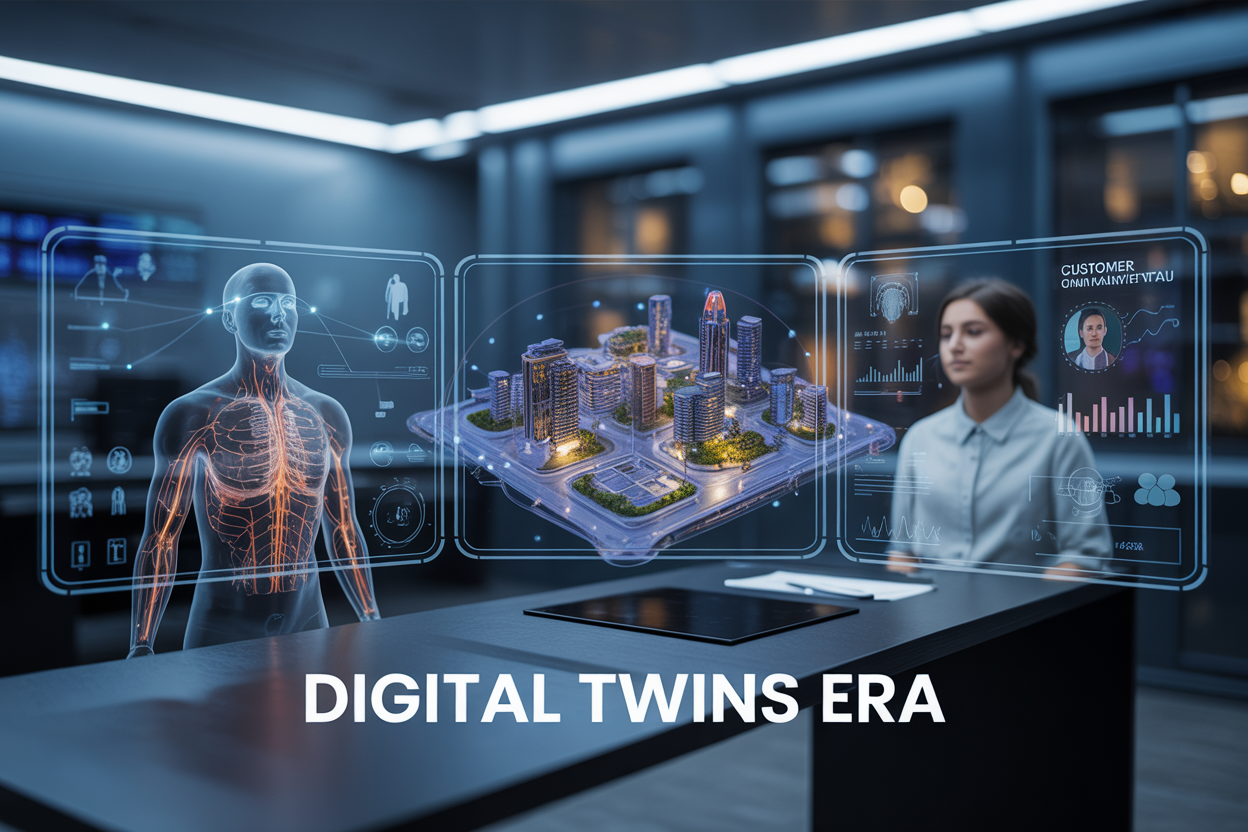
Digital twins technology is changing how businesses understand customers, cities plan for the future, and doctors treat patients. This virtual modeling approach creates real-time copies of everything from shopping behaviors to entire urban systems and human organs.
Who this guide helps: Business leaders exploring customer experience simulation, urban planners working on smart city planning, healthcare professionals interested in biological simulation technology, and IT teams researching digital twin implementation strategies.
We’ll cover how customer experience simulation helps companies predict buying patterns and personalize services before customers even know what they want. You’ll also discover how smart city planning uses urban digital twin solutions to test traffic flows, energy usage, and emergency responses without disrupting real communities. Finally, we’ll explore how healthcare digital twins let researchers run biological simulations to speed up drug development and create personalized treatment plans.
Ready to see how this technology transforms decision-making across industries? Let’s dive into the practical applications that are reshaping how we simulate, predict, and optimize our world.
Understanding Digital Twins Technology and Its Revolutionary Impact

Defining digital twins and their core components
Digital twins technology represents a groundbreaking approach to creating dynamic, virtual representations of physical objects, processes, or systems. Think of it as building a mirror image of something real in the digital world that stays synchronized with its physical counterpart. These aren’t static 3D models you might see in design software – they’re living, breathing digital replicas that update continuously based on real-world data.
At their heart, digital twins consist of three essential components that work together seamlessly. First, there’s the physical entity – whether that’s a manufacturing machine, a human heart, or an entire city block. Second, you have the digital model that captures every relevant detail about that physical thing. Third, and perhaps most crucial, there’s the bidirectional data connection that keeps both versions talking to each other constantly.
The magic happens through an intricate network of sensors, cameras, and monitoring devices attached to the physical object. These data collectors feed information about temperature, movement, performance metrics, and countless other variables into the digital version. Meanwhile, the virtual twin can run simulations, test scenarios, and send insights back to optimize the real-world counterpart.
What makes digital twins truly revolutionary is their ability to incorporate artificial intelligence and machine learning algorithms. These smart systems don’t just mirror what’s happening – they predict what might happen next, identify potential problems before they occur, and suggest improvements based on millions of data points.
How digital twins create real-time virtual replicas
Creating real-time virtual replicas requires a sophisticated orchestration of data flows and processing power. The process starts with comprehensive data ingestion from multiple sources simultaneously. IoT simulation models play a crucial role here, connecting everything from simple temperature sensors to complex imaging systems that capture movement patterns and environmental changes.
The real-time aspect comes from continuous data streaming rather than periodic updates. Modern digital twin systems process thousands of data points every second, creating an almost instantaneous reflection of physical reality. This constant synchronization means that when a machine vibrates differently, a person’s heart rate changes, or traffic patterns shift in a city, the digital version knows about it immediately.
Data fusion algorithms combine information from various sensors to build a complete picture. For example, a healthcare digital twins system might integrate data from wearable devices, medical imaging, genetic information, and environmental factors to create a comprehensive model of human health. The system doesn’t just collect this data – it contextualizes it, finding patterns and relationships that might not be obvious when looking at individual data streams.
Edge computing has become essential for maintaining real-time capabilities. Rather than sending all data to distant cloud servers, processing happens closer to the source, reducing delays and ensuring that critical updates reach the digital twin within milliseconds.
The technological infrastructure powering digital twin systems
The backbone of any effective digital twin implementation relies on a robust technological stack that seamlessly integrates hardware, software, and networking components. Cloud computing platforms provide the massive computational power needed to process complex simulations and store enormous datasets generated by continuous monitoring systems.
Internet of Things (IoT) devices form the sensory nervous system of digital twins, collecting everything from basic environmental readings to sophisticated behavioral analytics. These smart sensors have evolved far beyond simple data collectors – they now include edge processing capabilities that can perform initial analysis and filtering before transmitting information to central systems.
Modern digital twin platforms leverage containerized microservices architecture, allowing different components to scale independently based on demand. When customer experience simulation requires intensive processing during peak shopping periods, the system can allocate additional resources specifically to those functions without affecting other operations.
Data lakes and streaming analytics engines handle the massive influx of information, while machine learning pipelines continuously refine predictive models. Graphics processing units (GPUs) accelerate complex calculations, especially for visual simulations and virtual city modeling applications that require rendering detailed 3D environments in real-time.
Key advantages over traditional modeling approaches
Traditional modeling approaches feel prehistoric compared to what digital twins can accomplish. Static models provide snapshots frozen in time, while digital twins offer dynamic, evolving representations that adapt as conditions change. This fundamental difference transforms how organizations approach planning, maintenance, and optimization.
Predictive capabilities represent perhaps the most significant advantage. Instead of waiting for problems to manifest in the physical world, digital twins can run countless scenarios to identify potential issues weeks or months in advance. A smart city planning digital twin might predict traffic bottlenecks during major events or identify infrastructure stress points before they cause service disruptions.
Cost reduction through predictive analytics in healthcare and other sectors has proven substantial. Organizations can test expensive modifications, policy changes, or operational adjustments in the virtual environment before committing resources to physical implementation. This approach has saved companies millions in prevented equipment failures, optimized maintenance schedules, and improved operational efficiency.
| Traditional Models | Digital Twins |
|---|---|
| Static snapshots | Real-time updates |
| Historical analysis | Predictive insights |
| Isolated systems | Integrated ecosystems |
| Reactive maintenance | Proactive optimization |
| Limited scenarios | Infinite simulations |
The collaborative aspect of digital twins creates unprecedented opportunities for cross-functional teams to work together using the same data foundation. Engineers, marketers, city planners, and healthcare professionals can all interact with different aspects of the same digital twin, ensuring everyone operates from identical information and assumptions.
Transforming Customer Experience Through Digital Twin Simulations
Creating personalized customer journey maps
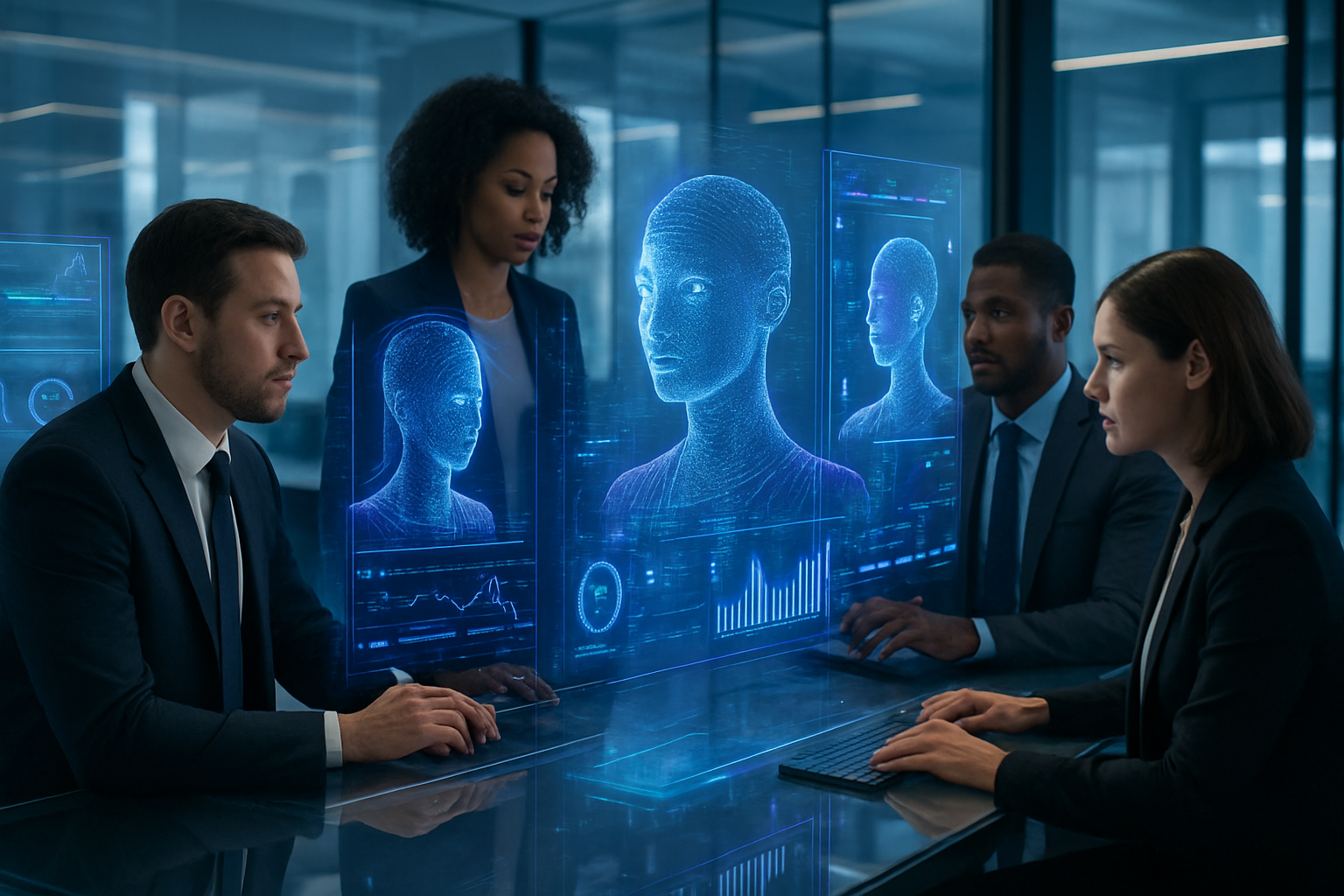
Digital twins technology revolutionizes how businesses understand and map customer journeys by creating virtual replicas of customer interactions across all touchpoints. These sophisticated models capture real-time behavioral data, preferences, and decision-making patterns to build comprehensive journey maps that adapt dynamically to individual customer needs.
Companies can now visualize exactly how each customer moves through their sales funnel, identifying pain points and opportunities with precision. The digital twin aggregates data from multiple sources – website interactions, mobile app usage, social media engagement, purchase history, and customer service interactions – to create a complete picture of the customer experience.
Smart retailers use these personalized journey maps to understand why certain customers abandon their shopping carts at specific stages, while others complete purchases seamlessly. The technology reveals hidden patterns in customer behavior that traditional analytics miss, enabling businesses to design targeted interventions at critical decision points.
Predicting customer behavior with unprecedented accuracy
Customer experience simulation through digital twins technology enables businesses to forecast customer actions with remarkable precision. These virtual models process vast amounts of historical data, real-time interactions, and external factors to predict future behaviors, preferences, and purchasing decisions.
Machine learning algorithms within the digital twin continuously learn from customer interactions, refining predictions as new data becomes available. This predictive capability extends beyond simple purchase forecasting to anticipate when customers might churn, which products they’ll likely want next, and how they’ll respond to specific marketing campaigns.
Financial services companies leverage this technology to predict loan default risks, while subscription-based businesses forecast renewal probabilities. The accuracy of these predictions often exceeds 90%, compared to traditional methods that typically achieve 60-70% accuracy rates.
Optimizing product recommendations and service delivery
Digital twin simulations transform product recommendation engines from generic algorithms to highly sophisticated systems that understand individual customer contexts. These models consider not just past purchases, but also browsing patterns, seasonal preferences, life events, and even external factors like weather or local events.
The technology enables dynamic personalization that adjusts recommendations in real-time based on current customer behavior and changing circumstances. E-commerce platforms using digital twin technology report significant increases in conversion rates and customer satisfaction scores.
Service delivery optimization benefits equally from this approach. Customer service digital twins predict which support channels customers prefer, optimal response times, and the type of assistance they’re likely to need before they even contact support teams.
Reducing customer acquisition costs through targeted strategies
Digital twins technology dramatically reduces customer acquisition costs by identifying the most effective channels and messages for reaching potential customers. These models simulate how different customer segments respond to various marketing approaches, enabling businesses to allocate their marketing budgets more efficiently.
The technology helps companies identify lookalike audiences by analyzing the characteristics and behaviors of their most valuable existing customers. Marketing teams can then target prospects who share similar digital footprints and behavioral patterns, significantly improving conversion rates while reducing wasted advertising spend.
Campaign optimization becomes more precise as digital twins predict which creative elements, messaging, and timing combinations will resonate with specific customer segments. This targeted approach often reduces customer acquisition costs by 30-50% compared to broad-based marketing strategies.
Building Smarter Cities with Digital Twin Urban Planning

Optimizing Traffic Flow and Reducing Congestion
Urban digital twin solutions transform how cities manage traffic by creating comprehensive real-time simulations of entire transportation networks. These virtual city modeling systems process data from thousands of sensors, cameras, and GPS devices to understand traffic patterns with incredible precision. City planners can test different traffic light timing configurations, lane modifications, and routing strategies without disrupting actual traffic flow.
Singapore’s digital twin system reduced traffic congestion by 25% through predictive traffic management. The system analyzes historical patterns, weather conditions, and special events to anticipate bottlenecks before they occur. Traffic lights automatically adjust their timing based on real-time vehicle density, while mobile apps guide drivers to less congested routes.
Digital twins also optimize public transportation integration. Cities can simulate how new bus routes or train schedules affect overall traffic patterns, ensuring public transit complements rather than competes with road traffic. This comprehensive approach helps reduce the number of private vehicles on roads while improving commute times for everyone.
Improving Energy Efficiency Across City Infrastructure
Smart city planning with digital twins revolutionizes energy management by creating detailed virtual models of power grids, building systems, and street lighting networks. These simulations identify energy waste patterns that would be impossible to detect through traditional monitoring methods.
Barcelona’s digital twin tracks energy consumption across 200,000 buildings in real-time. The system automatically adjusts street lighting based on pedestrian traffic, dims lights in empty areas, and brightens them when people approach. This dynamic management reduced the city’s energy consumption by 30% while maintaining safety standards.
Digital twins also optimize renewable energy integration. Cities can simulate how solar panels and wind turbines perform under different weather conditions and adjust energy distribution accordingly. When solar production is high, the system can redirect excess power to charge electric vehicle stations or power energy-intensive city services.
Building climate control systems become incredibly efficient when managed through digital twin technology. The virtual models predict heating and cooling needs based on weather forecasts, occupancy patterns, and building characteristics. This predictive approach reduces energy waste while maintaining comfortable environments for residents and workers.
Enhanced Emergency Response and Disaster Preparedness
Digital twins technology creates virtual command centers that transform emergency response capabilities. These systems simulate various disaster scenarios, from fires and floods to terrorist attacks, helping emergency services prepare comprehensive response plans before incidents occur.
New York City’s digital twin system maps every building’s layout, including stairwell locations, elevator capacities, and potential evacuation routes. When emergencies happen, first responders receive real-time guidance on the fastest routes to reach affected areas and the safest paths for evacuating civilians.
The technology shines during natural disasters. Cities can simulate flood patterns based on rainfall forecasts and soil conditions, identifying which neighborhoods need evacuation orders hours before flooding begins. Hurricane simulations help emergency services position resources strategically, ensuring ambulances, fire trucks, and rescue equipment are where they’ll be needed most.
Digital twins also coordinate multi-agency responses more effectively. Police, fire departments, medical services, and utility companies can all access the same real-time information, eliminating communication gaps that often slow down emergency response. The system tracks resource availability across all agencies, automatically dispatching the closest available units to each incident.
Streamlining Urban Development and Zoning Decisions
Urban planning becomes dramatically more precise when cities use digital twin simulations to evaluate development proposals. These virtual models show exactly how new buildings, roads, or commercial districts will impact existing infrastructure before any construction begins.
Developers can test different building designs within the digital twin environment, understanding how their projects affect traffic patterns, utility demands, and environmental conditions. This simulation-based approach prevents costly mistakes and ensures new developments integrate smoothly with existing neighborhoods.
Zoning decisions benefit enormously from predictive analytics in digital twin systems. City planners can simulate how different zoning changes affect property values, traffic congestion, and community resources. Mixed-use development proposals can be tested virtually to determine optimal combinations of residential, commercial, and recreational spaces.
The technology also helps cities plan infrastructure expansion more strategically. Digital twins show where population growth will strain existing water systems, power grids, or transportation networks. Cities can invest in infrastructure improvements before problems emerge, rather than reacting to failures after they occur.
Creating Sustainable Environmental Management Systems
Digital twins enable unprecedented environmental monitoring and management across urban areas. These systems track air quality, water usage, waste management, and green space health in real-time, creating comprehensive pictures of environmental conditions throughout the city.
Amsterdam’s environmental digital twin monitors air pollution from thousands of sensors throughout the city. The system identifies pollution hotspots and automatically adjusts traffic routing to reduce emissions in affected areas. When air quality drops below safe levels, the city can implement emergency measures like temporarily closing high-traffic streets or encouraging public transportation use.
Water management becomes incredibly sophisticated with digital twin technology. Cities can simulate how different rainfall patterns affect storm drain systems, identifying areas prone to flooding and optimizing water flow throughout the urban drainage network. These simulations help prevent water contamination by predicting how pollutants move through water systems.
Urban forests and green spaces receive better care through digital twin monitoring. The systems track tree health, soil moisture levels, and biodiversity indicators, alerting city maintenance crews when plants need attention. This proactive approach keeps urban green spaces healthy while maximizing their environmental benefits like air purification and temperature regulation.
Waste management systems optimize collection routes and processing schedules based on real-time data about waste generation patterns across different neighborhoods. Smart bins communicate their fill levels to the digital twin, which automatically schedules pickups when needed rather than following fixed schedules. This efficiency reduces fuel consumption and keeps streets cleaner.
Revolutionizing Healthcare Through Human Biology Digital Twins
Accelerating drug discovery and clinical trials
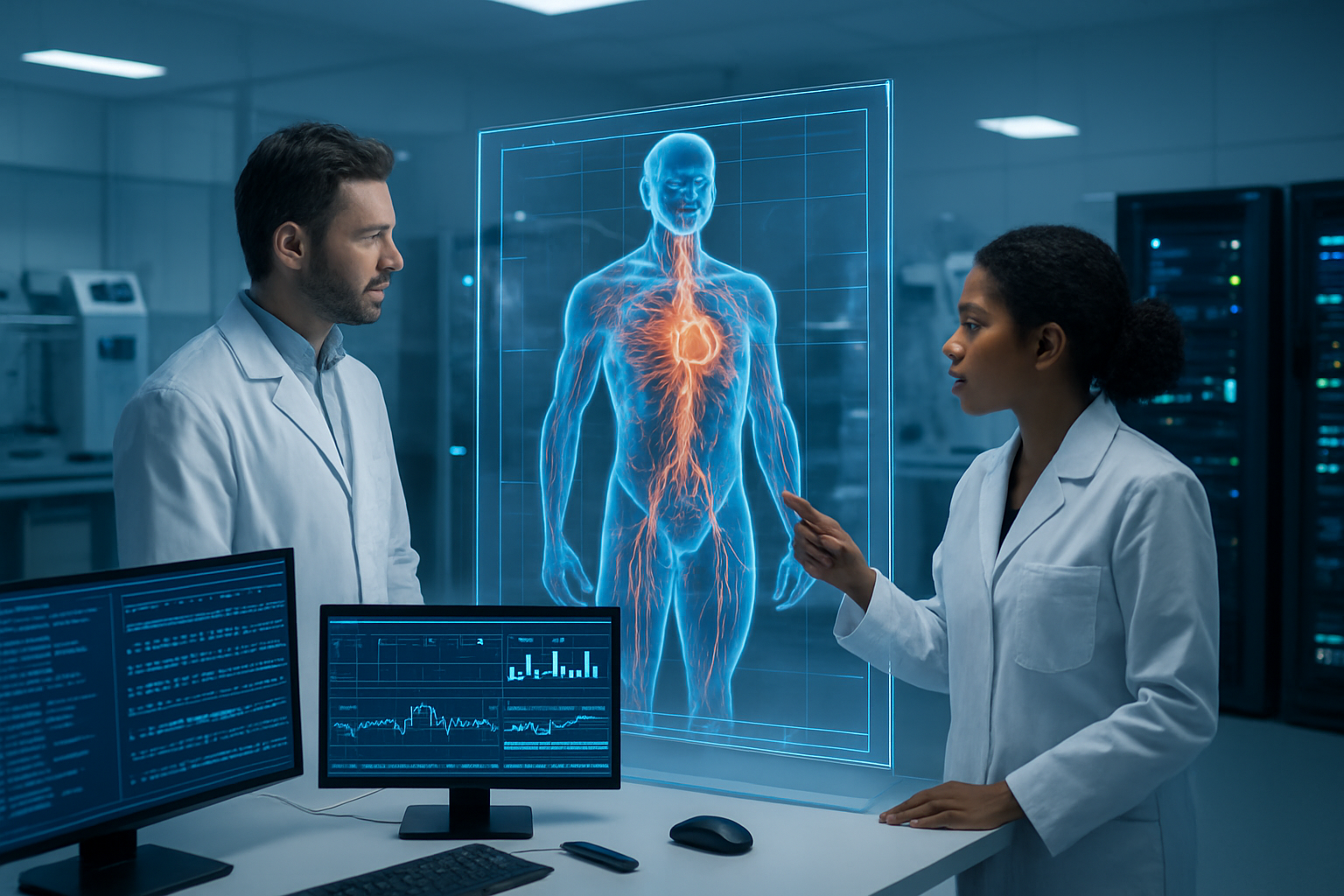
Healthcare digital twins are transforming how pharmaceutical companies develop new medications by creating detailed virtual models of human organs, tissues, and entire biological systems. These biological simulation technology platforms allow researchers to test thousands of drug compounds virtually before moving to expensive laboratory trials, cutting development timelines from decades to years.
Traditional drug discovery involves testing compounds on cell cultures, animal models, and eventually human subjects—a process that costs billions and often fails in late-stage trials. Digital twin models of liver function, heart rhythm, or cancer cell behavior provide researchers with precise simulations that predict how different molecules will interact with human biology. Companies like Dassault Systèmes have created virtual hearts that beat with mathematically perfect precision, showing exactly how cardiac medications affect rhythm and blood flow.
Clinical trial design becomes dramatically more efficient when researchers can run virtual trials first. Digital twin technology helps identify the most promising patient populations, optimal dosing schedules, and potential side effects before recruiting actual participants. This approach reduces trial sizes, shortens timelines, and improves success rates. AstraZeneca used digital twin simulations to optimize their COVID-19 vaccine trials, identifying key biomarkers and patient selection criteria that accelerated regulatory approval.
The technology also enables adaptive trial designs where protocols adjust in real-time based on virtual patient responses. Machine learning algorithms analyze vast datasets from previous trials, genetic databases, and real-world evidence to create increasingly accurate biological models that predict treatment outcomes with remarkable precision.
Enabling personalized treatment plans for patients
Individual patient digital twins represent the next frontier in precision medicine, where treatment plans are tailored to each person’s unique biological makeup, lifestyle, and medical history. These virtual replicas combine genetic information, medical imaging, laboratory results, and continuous health monitoring data to create comprehensive models of individual patients.
Oncology leads this personalization revolution, with digital twins of specific tumors helping oncologists select optimal treatment combinations. These models simulate how different chemotherapy drugs, immunotherapies, and radiation protocols will affect both cancer cells and healthy tissues in each patient. Memorial Sloan Kettering Cancer Center uses digital twin technology to model tumor growth patterns and treatment responses, achieving significantly higher success rates than standard protocols.
Cardiac patients benefit from digital twins that simulate heart function under different medication regimens, lifestyle changes, and surgical interventions. Cardiologists can test virtual pacemaker settings, evaluate bypass surgery outcomes, or predict how blood pressure medications will affect each patient’s specific cardiovascular profile. These simulations prevent adverse reactions and optimize therapeutic effectiveness.
Diabetes management becomes more precise when digital twins incorporate continuous glucose monitoring data, dietary patterns, exercise habits, and stress levels. The virtual model predicts blood sugar fluctuations throughout the day and recommends insulin timing, meal composition, and activity modifications. Patients see improved glucose control with fewer hypoglycemic episodes.
Mental health applications use digital twins to model neurotransmitter activity, brain connectivity patterns, and medication metabolism. Psychiatrists can simulate how different antidepressants or mood stabilizers will affect individual brain chemistry, reducing the trial-and-error approach that often prolongs patient suffering.
Predicting disease progression and prevention strategies
Predictive analytics in healthcare reaches new heights when digital twin technology models disease progression over months, years, or decades. These forward-looking simulations identify health risks before symptoms appear, enabling proactive interventions that prevent serious conditions from developing.
Alzheimer’s disease prediction represents one of the most promising applications, where brain digital twins analyze cognitive testing results, neuroimaging data, and genetic markers to forecast memory decline trajectories. These models identify patients who will benefit most from early intervention therapies and lifestyle modifications. The Alzheimer’s Disease Neuroimaging Initiative uses digital twin simulations to predict which patients with mild cognitive impairment will progress to dementia, achieving 85% accuracy up to three years in advance.
Cardiovascular risk assessment becomes dramatically more accurate when digital twins simulate artery plaque buildup, blood pressure changes, and heart muscle function over time. These models incorporate family history, cholesterol levels, smoking habits, and exercise patterns to predict heart attack or stroke risk with unprecedented precision. Preventive cardiologists use these insights to recommend specific lifestyle changes, medications, or procedures that will have the greatest impact on each patient’s long-term cardiovascular health.
Chronic kidney disease progression modeling helps nephrologists identify patients who need early intervention to preserve kidney function. Digital twins simulate how different blood pressure medications, dietary restrictions, and diabetes management strategies will affect kidney filtration rates over years. This foresight allows doctors to implement protective measures before irreversible damage occurs.
Population health management benefits when digital twins aggregate individual patient models to predict disease outbreaks, healthcare resource needs, and public health intervention effectiveness. These large-scale simulations help health systems prepare for seasonal flu patterns, chronic disease epidemics, and aging population care requirements.
Implementation Strategies for Digital Twin Technology
Assessing organizational readiness and infrastructure requirements
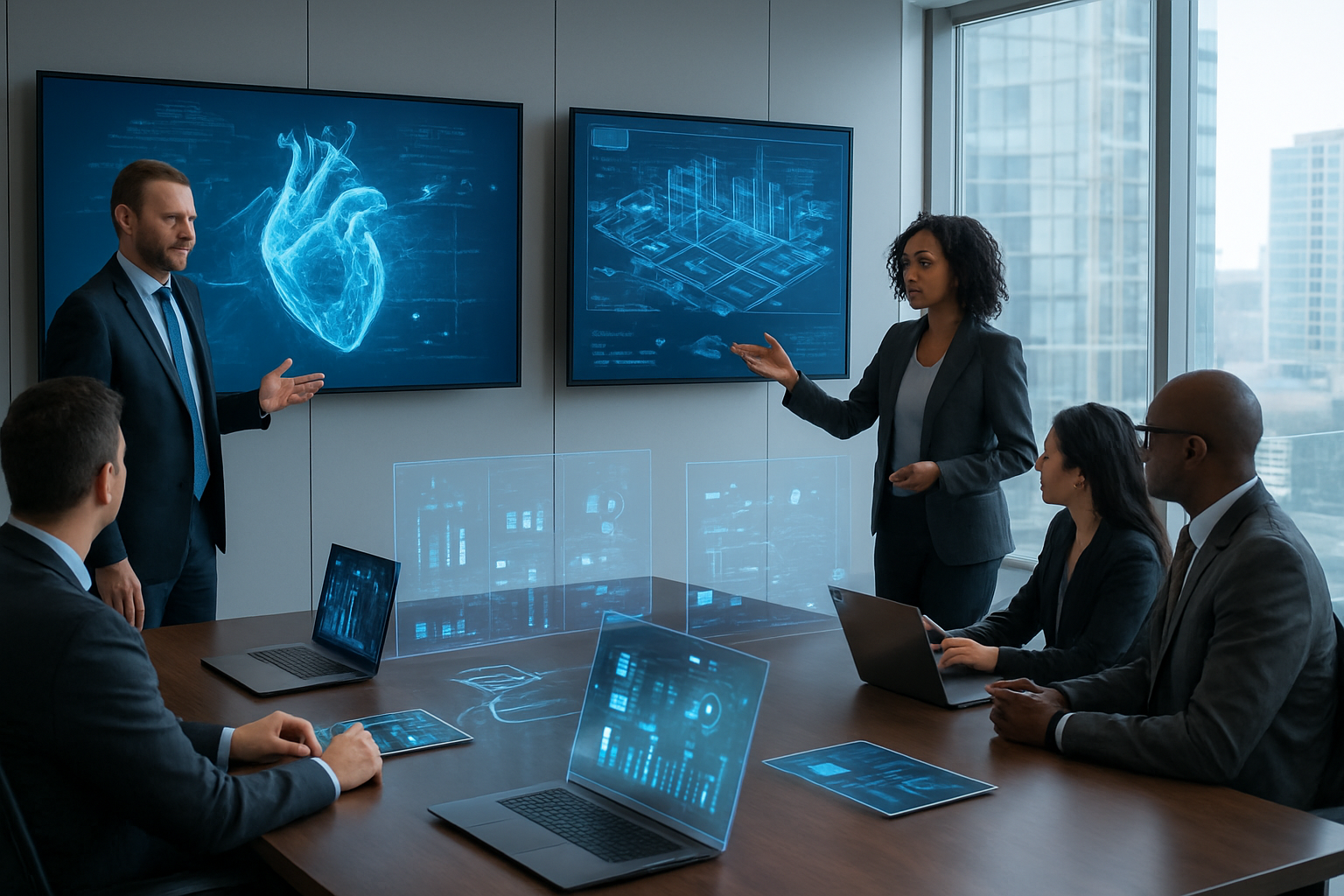
Before diving headfirst into digital twins technology, organizations need to take an honest look at where they stand. Think of it like renovating a house – you wouldn’t start tearing down walls without checking the foundation first.
Your current IT infrastructure plays a massive role in determining how smoothly your digital twin implementation will go. Legacy systems might need serious upgrades to handle the data-heavy demands of real-time simulation models. Cloud computing capabilities become essential since digital twins gobble up storage and processing power like there’s no tomorrow.
Data quality and availability represent another critical checkpoint. Digital twins are only as good as the information feeding them. If your organization struggles with scattered data sources, inconsistent formats, or poor data governance, these issues will multiply once you introduce complex simulation technology.
Consider your team’s technical expertise too. Digital twin implementation strategies require a unique blend of domain knowledge, data science skills, and systems integration experience. Gap analysis here helps identify whether you need to upskill existing staff or bring in specialized talent.
Budget allocation extends beyond just software licensing. Factor in hardware upgrades, training programs, change management initiatives, and ongoing maintenance costs. Many organizations underestimate the total investment required and find themselves scrambling for additional resources mid-project.
Selecting the right digital twin platform for your industry
Platform selection can make or break your digital twin initiative. Different industries have vastly different requirements, and what works brilliantly for manufacturing might fall flat in healthcare or urban planning scenarios.
Start by mapping your specific use cases. Customer experience simulation demands different capabilities than biological simulation technology. Retail organizations might prioritize customer behavior modeling and predictive analytics, while smart city planning projects need robust IoT integration and real-time data processing from thousands of sensors.
| Industry Focus | Key Platform Features | Integration Requirements |
|---|---|---|
| Healthcare | HIPAA compliance, biological modeling | EHR systems, medical devices |
| Manufacturing | IoT connectivity, process simulation | ERP, MES, sensor networks |
| Smart Cities | Geospatial capabilities, traffic modeling | Municipal databases, public APIs |
| Retail | Customer journey mapping, behavior analysis | CRM, e-commerce platforms |
Evaluate vendor ecosystems carefully. Some platforms excel at specific applications but struggle with cross-industry flexibility. Cloud-native solutions often provide better scalability, while on-premises options might suit organizations with strict data sovereignty requirements.
Performance benchmarks matter more than fancy marketing claims. Request proof-of-concept demonstrations using your actual data whenever possible. Pay attention to how platforms handle data latency, model complexity, and concurrent users.
Building cross-functional teams for successful deployment
Digital twin projects fail when they become isolated IT initiatives. Success requires bringing together diverse perspectives and expertise from across your organization.
Technical teams form the backbone, but they can’t work in isolation. Data scientists build the algorithms, software engineers handle integration work, and systems administrators keep everything running smoothly. But without input from business stakeholders who understand real-world processes, even the most sophisticated models miss the mark.
Domain experts bring irreplaceable insights that pure technical skills can’t replicate. In healthcare digital twins, clinicians understand patient care workflows that engineers might overlook. Urban planners know city dynamics that software developers wouldn’t consider. These subject matter experts help translate business requirements into technical specifications.
Change management specialists often get overlooked but prove crucial for adoption success. They help navigate organizational resistance, design training programs, and establish governance frameworks. Without proper change management, even technically perfect implementations struggle with user adoption.
Project governance structures need clear accountability and decision-making authority. Establish steering committees with representatives from all major stakeholder groups. Regular communication channels keep everyone aligned on progress, challenges, and evolving requirements.
Measuring ROI and performance metrics
Tracking return on investment for digital twins requires moving beyond traditional IT metrics. The real value often emerges through improved decision-making, risk reduction, and operational efficiency gains that can be tricky to quantify.
Establish baseline measurements before implementation begins. Whether you’re focusing on customer experience simulation or predictive analytics in healthcare, you need clear before-and-after comparisons. Document current performance levels, decision-making timeframes, and error rates that your digital twin aims to improve.
Financial metrics should balance hard cost savings with softer strategic benefits. Direct cost reductions might come from reduced physical testing, optimized resource allocation, or prevented equipment failures. Strategic value might include faster time-to-market, improved customer satisfaction, or enhanced competitive positioning.
Performance indicators need alignment with business objectives. Manufacturing digital twins might track equipment uptime and production efficiency. Smart city implementations could measure traffic flow optimization and energy consumption reductions. Healthcare applications might focus on treatment outcome improvements and diagnostic accuracy gains.
Regular assessment cycles help identify course corrections early. Monthly performance reviews catch issues before they become major problems. Quarterly business impact assessments ensure the digital twin continues delivering expected value. Annual strategic reviews evaluate whether the technology roadmap still aligns with organizational goals.
Overcoming Common Challenges in Digital Twin Adoption
Addressing Data Privacy and Security Concerns
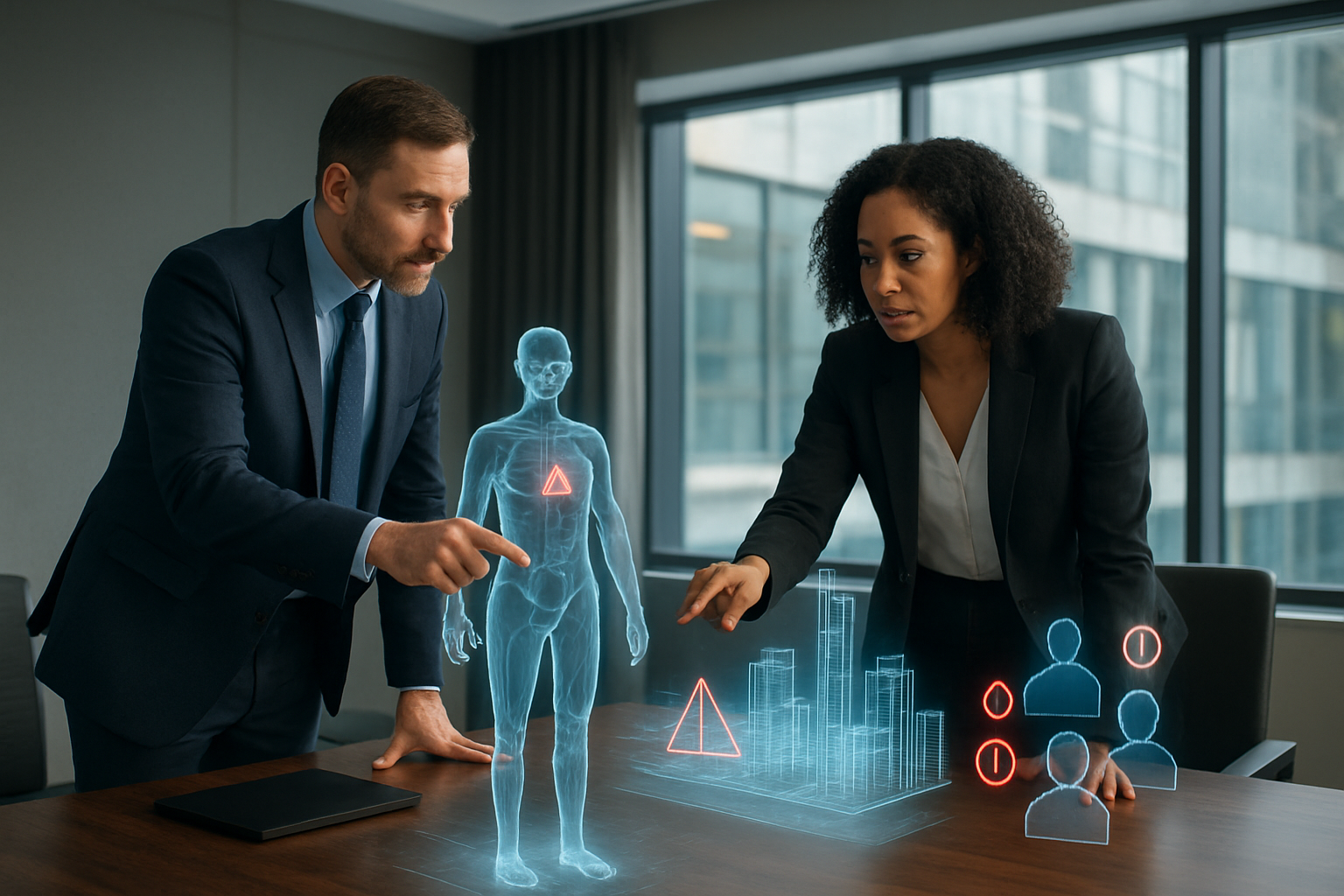
Digital twin implementation creates vast repositories of sensitive information that demand robust protection strategies. Organizations must establish comprehensive data governance frameworks that define access controls, encryption standards, and audit trails for all digital twin data flows. Multi-layered security architectures become essential, incorporating zero-trust principles where every data transaction requires verification regardless of source location.
Personal data protection regulations like GDPR and CCPA add complexity to digital twin deployments, especially when simulating customer behavior or biological processes. Companies need clear data anonymization protocols and consent management systems that allow individuals to control how their information appears in digital twin models. Regular privacy impact assessments help identify potential vulnerabilities before they become compliance issues.
Cloud-based digital twin platforms require special attention to data residency requirements and cross-border data transfer restrictions. Organizations often implement hybrid architectures that keep sensitive data on-premises while leveraging cloud resources for computational power. This approach balances security requirements with the scalability needs of complex digital twin technology implementations.
Managing Integration Complexity with Existing Systems
Legacy system integration represents one of the most significant hurdles in digital twin adoption. Most organizations operate diverse technology stacks that weren’t designed to communicate with modern IoT simulation models and predictive analytics platforms. API management becomes crucial for creating seamless data flows between existing enterprise systems and new digital twin infrastructure.
Middleware solutions help bridge compatibility gaps between older databases and real-time digital twin platforms. These integration layers translate data formats, handle protocol differences, and manage connection reliability issues that commonly arise when connecting disparate systems. Organizations often benefit from phased integration approaches that gradually connect systems rather than attempting complete overhauls.
| Integration Challenge | Solution Approach | Timeline |
|---|---|---|
| Database compatibility | API-first architecture | 3-6 months |
| Protocol mismatches | Middleware implementation | 2-4 months |
| Performance bottlenecks | Edge computing deployment | 4-8 months |
| Scalability limitations | Microservices architecture | 6-12 months |
Change management becomes equally important as technical integration. Staff training programs ensure teams can effectively operate new digital twin interfaces while maintaining existing system responsibilities. Clear documentation and support structures prevent operational disruptions during transition periods.
Ensuring Data Quality and Real-Time Synchronization
Data accuracy forms the foundation of effective digital twin performance. Poor quality inputs create cascading errors that compromise simulation reliability and decision-making capabilities. Organizations must implement automated data validation processes that continuously monitor input streams for anomalies, missing values, and inconsistencies across different data sources.
Real-time synchronization challenges multiply when digital twins span multiple geographic locations or integrate with mobile IoT devices. Network latency, bandwidth limitations, and intermittent connectivity issues can create data lag that undermines simulation accuracy. Edge computing architectures help minimize these delays by processing data closer to its source before sending refined information to central digital twin platforms.
Data lineage tracking becomes essential for maintaining trust in digital twin outputs. Organizations need comprehensive audit trails that document data source origins, transformation processes, and quality metrics throughout the entire data pipeline. This transparency helps identify root causes when simulation results don’t match expected outcomes.
Automated reconciliation processes compare digital twin states with real-world conditions to detect synchronization drift. These systems trigger alerts when discrepancies exceed acceptable thresholds and can initiate corrective actions like data refresh cycles or sensor recalibration procedures. Regular validation against physical counterparts ensures digital twins maintain their predictive value over time.
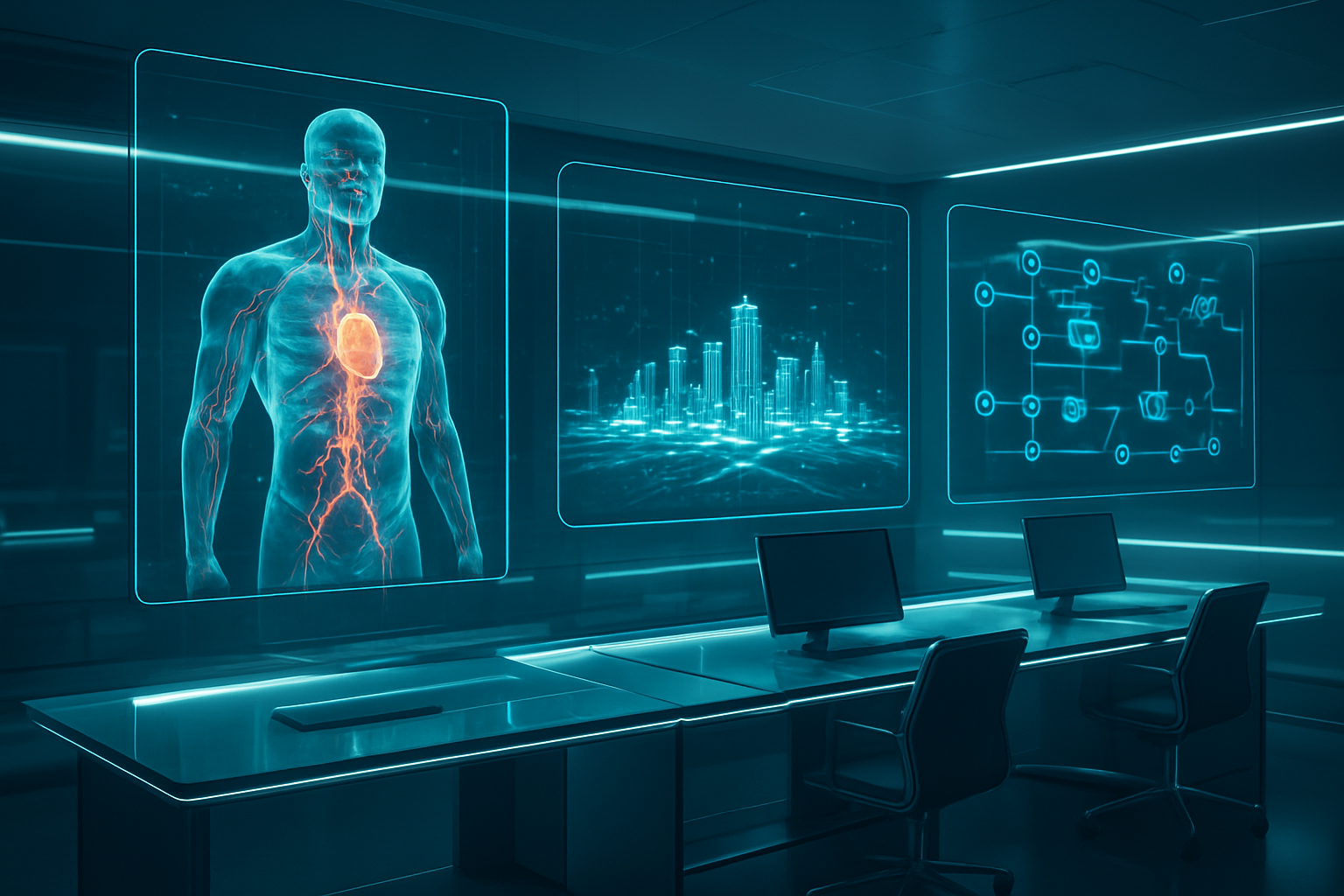
Digital twins are changing how we understand and interact with everything around us, from the customers we serve to the cities we live in and even our own bodies. This technology gives businesses the power to predict customer behavior with incredible accuracy, helps urban planners create more efficient and sustainable cities, and allows doctors to test treatments on virtual patients before real procedures. The applications seem endless, and we’re just scratching the surface of what’s possible.
Getting started with digital twins doesn’t have to be overwhelming. Begin by identifying one specific area where simulation could make the biggest impact in your organization, whether that’s improving customer satisfaction, optimizing operations, or enhancing product development. Yes, there will be challenges with data integration and technical complexity, but the companies that start experimenting with digital twins now will have a massive advantage over those who wait. The future belongs to organizations that can create accurate digital representations of their world – and that future is happening right now.