Modern financial markets never sleep, and your trading systems can’t afford to either. For trading firms, fintech engineers, and system architects building high-frequency trading platforms, every microsecond matters when millions of dollars flow through your infrastructure.
TradePulse represents a new approach to real-time trading systems design—one that puts performance and reliability first instead of retrofitting speed into legacy platforms. This system handles the demanding nature of modern trading workloads while maintaining the low-latency trading solutions that algorithmic trading systems require.
We’ll explore how TradePulse architecture addresses the core challenge of building trading system performance at scale. You’ll discover the technology stack decisions that enable microsecond-level response times and learn how the real-time data pipeline handles massive market data streams without breaking a sweat. We’ll also dive into the monitoring strategies that keep these financial technology architecture systems running smoothly when the stakes are highest.
Understanding Real-Time Requirements in Modern Trading

Millisecond-level latency demands in high-frequency trading
High-frequency trading platforms like TradePulse must execute thousands of transactions within microseconds to capitalize on market inefficiencies. Modern trading infrastructure requires sub-millisecond response times, where even a 10-millisecond delay can result in millions in lost opportunities. Low-latency trading solutions demand specialized hardware, optimized network pathways, and custom algorithms that process market data faster than competitors.
Data consistency challenges across distributed systems
Trading workload optimization faces significant hurdles when maintaining data integrity across multiple servers and geographic locations. Real-time trading systems must ensure that price feeds, order books, and execution confirmations remain synchronized without creating bottlenecks that slow transaction processing.
Scalability requirements for peak trading volumes
Peak trading hours generate massive data volumes that can overwhelm traditional systems. TradePulse architecture must handle sudden spikes from normal trading volumes to extreme loads during market volatility or major economic announcements, requiring elastic infrastructure that scales automatically.
Risk management through instantaneous decision-making
Algorithmic trading systems need real-time risk assessment capabilities that evaluate portfolio exposure, market conditions, and regulatory compliance within microseconds. Financial technology architecture must incorporate circuit breakers, position limits, and automated safeguards that protect against catastrophic losses while maintaining trading velocity.
Core Architecture Principles Behind TradePulse
Event-driven microservices design for maximum responsiveness
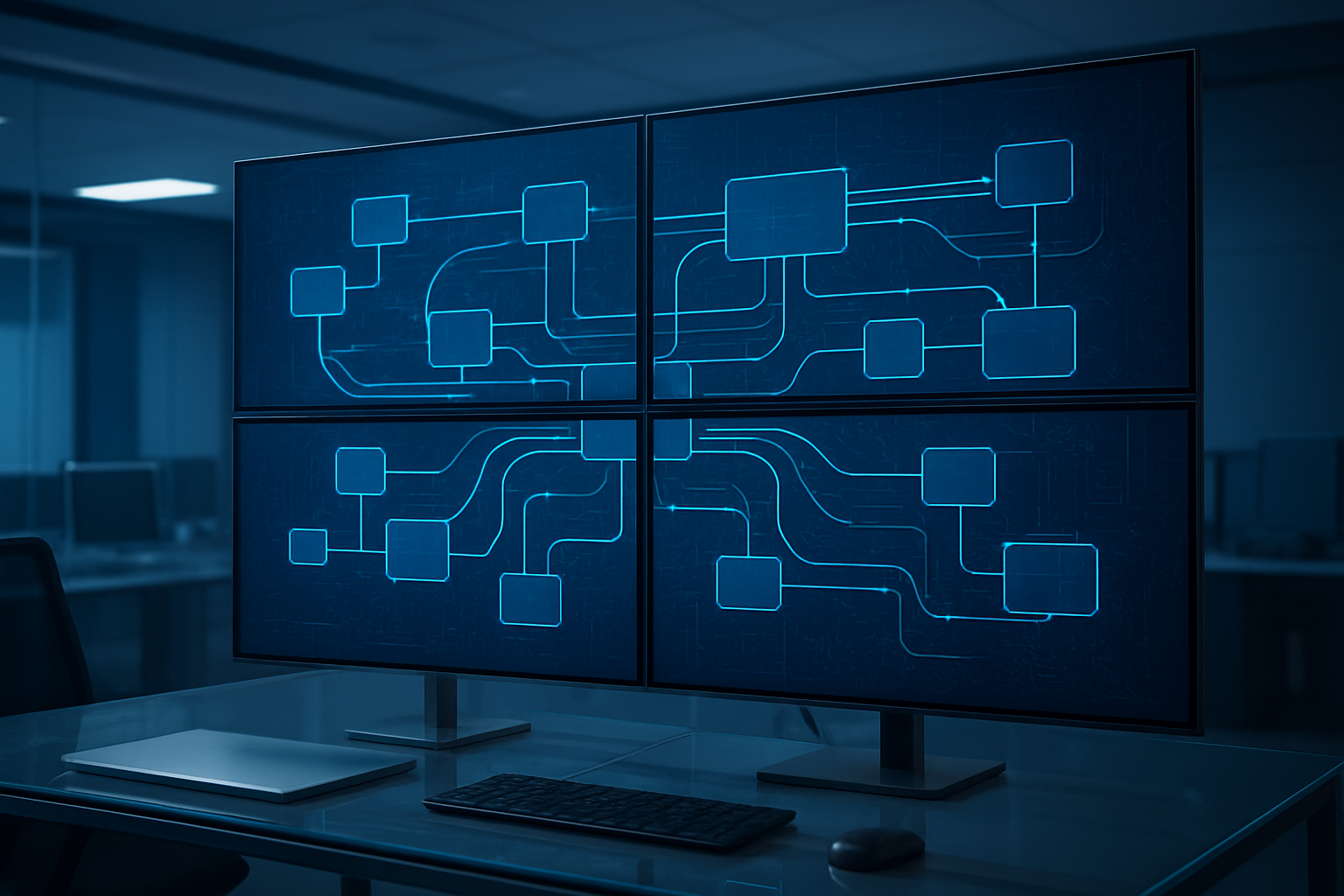
TradePulse’s real-time trading systems rely on event-driven microservices that react instantly to market changes. Each service operates independently, processing trading signals and executing orders without waiting for batch operations. This architectural approach ensures that algorithmic trading systems can respond to price movements within microseconds, giving traders the competitive edge they need in high-frequency trading environments.
In-memory data processing for ultra-low latency
Critical trading data lives entirely in memory, eliminating disk I/O bottlenecks that plague traditional systems. Market feeds, order books, and position data get cached in RAM across multiple nodes, enabling sub-millisecond access times. This TradePulse architecture design choice transforms how modern trading infrastructure handles price calculations and risk assessments, making real-time decision-making possible at institutional scale.
Horizontal scaling capabilities for growing trading volumes
The platform automatically spawns new service instances as trading activity increases, distributing workloads across available compute resources. Load balancers route incoming orders to the least busy nodes while maintaining session affinity for active positions. This elastic scaling ensures that trading workload optimization happens seamlessly during market volatility, preventing system slowdowns when volume spikes during earnings announcements or major economic events.
Technology Stack Optimizations for High-Performance Trading
Message queue selection for reliable order processing
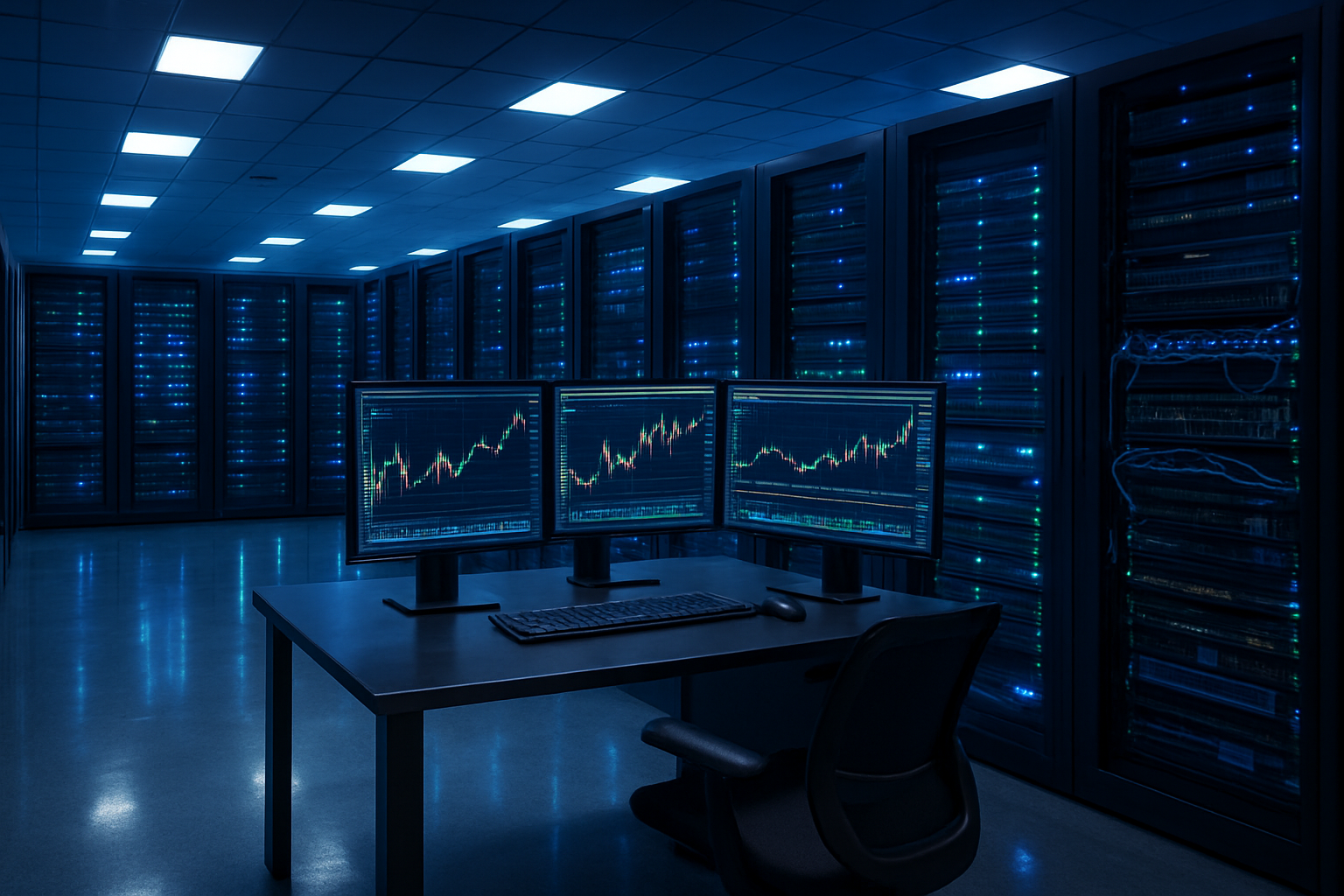
Selecting the right message queue for a real-time trading system like TradePulse demands careful evaluation of latency, throughput, and fault tolerance. Apache Kafka emerges as the preferred choice for high-frequency trading platform operations due to its ability to handle millions of messages per second with sub-millisecond processing times. Redis Streams offers another compelling option for low-latency trading solutions, providing in-memory performance with built-in persistence and clustering capabilities that ensure order data never gets lost during system failures.
The message queue architecture must support exactly-once delivery semantics to prevent duplicate trades and maintain accurate position tracking. Trading system performance depends heavily on the queue’s ability to handle backpressure during market volatility spikes without dropping critical order messages.
Database choices that prioritize speed over storage costs
Modern trading infrastructure requires databases that can execute thousands of queries per second while maintaining ACID compliance for financial transactions. In-memory databases like Redis and Hazelcast serve as primary data stores for active positions and real-time market data, while traditional disk-based systems handle historical data archival. The cost of premium memory becomes negligible compared to the revenue generated from faster trade execution and reduced slippage.
Time-series databases such as InfluxDB handle market tick data efficiently, compressing millions of price points while enabling rapid range queries for technical analysis. Trading workload optimization often involves partitioning hot data across multiple database instances to distribute read/write operations evenly.
Network infrastructure designed for minimal packet loss
Network topology design directly impacts real-time trading systems performance, requiring dedicated fiber connections between trading venues and colocation facilities. Kernel bypass technologies like DPDK eliminate operating system overhead, allowing applications to process network packets directly from hardware queues. Multiple network paths with automatic failover prevent single points of failure that could cost millions in missed trading opportunities.
TradePulse architecture implements custom UDP protocols for market data feeds, trading TCP reliability for speed in non-critical data streams. Network interface card tuning, including interrupt coalescing and CPU affinity settings, reduces jitter and improves consistent packet processing times across all market sessions.
Caching strategies that eliminate database bottlenecks
Multi-layered caching architecture prevents database queries from becoming bottlenecks in algorithmic trading systems. L1 caches store frequently accessed reference data like instrument symbols and trading rules in CPU cache lines, while L2 caches maintain position summaries and risk limits in shared memory segments. Real-time data pipeline components leverage write-through caching to update multiple cache layers simultaneously, ensuring data consistency across all trading modules.
Cache invalidation strategies must account for regulatory changes and corporate actions that affect instrument pricing and trading eligibility. Financial technology architecture benefits from predictive caching algorithms that preload data based on trading patterns and market opening schedules.
Real-Time Data Pipeline Implementation

Stream Processing Frameworks for Continuous Market Data Ingestion
TradePulse leverages Apache Kafka and Apache Pulsar for handling massive volumes of real-time market data streams. These frameworks enable continuous ingestion from multiple exchanges simultaneously, processing millions of price updates per second without data loss. The system implements custom serialization protocols optimized for trading data structures, reducing latency to microseconds while maintaining message ordering guarantees essential for accurate price discovery.
Data Normalization Techniques for Multi-Exchange Compatibility
Different exchanges use varying data formats, timestamp precisions, and field structures that require seamless integration within TradePulse’s unified pipeline. The platform employs schema registry patterns and transformation engines that standardize incoming feeds into common data models. Smart mapping algorithms handle currency conversions, timezone synchronization, and symbol normalization across global trading venues, ensuring consistent data representation for downstream algorithmic trading systems.
Fault-Tolerant Mechanisms That Prevent Trading Interruptions
TradePulse implements circuit breaker patterns and automatic failover mechanisms that detect connection failures within milliseconds. The system maintains redundant data paths through geographically distributed ingestion points, automatically switching between primary and backup feeds when issues arise. Memory-mapped ring buffers preserve critical market data during brief outages, while heartbeat monitoring ensures continuous health checks across all pipeline components to prevent costly trading interruptions.
Performance Monitoring and System Reliability
Latency tracking across every system component
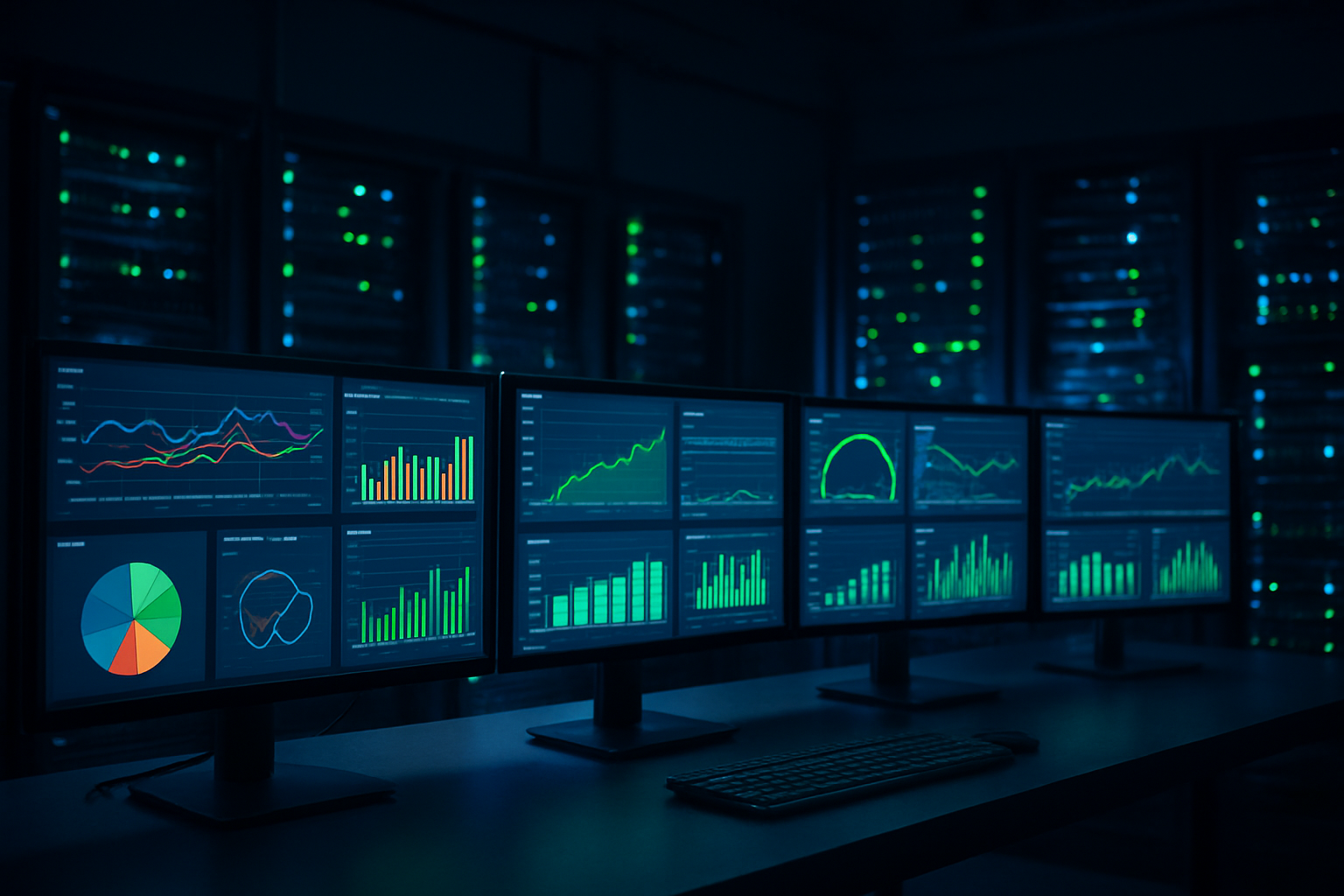
Microsecond-level precision defines successful high-frequency trading platform performance. TradePulse implements comprehensive latency monitoring across network interfaces, message queues, database operations, and trading algorithm execution paths. Real-time dashboards track order-to-execution timeframes, enabling traders to identify bottlenecks before they impact profitability.
Custom telemetry agents capture timing data at every architectural layer, from market data ingestion to order placement. This granular visibility allows engineering teams to optimize individual components while maintaining overall system performance standards that modern trading infrastructure demands.
Automated failover systems for uninterrupted trading
- Active-passive cluster configuration ensures seamless trading continuity during primary system failures
- Health check protocols monitor critical services every 50 milliseconds for instant detection
- Geographic redundancy maintains trading operations across multiple data centers
- Database synchronization keeps backup systems current with real-time transaction logs
Load testing methodologies for peak market conditions
Market volatility creates extreme computational demands that standard testing cannot simulate. TradePulse employs chaos engineering principles, deliberately injecting failures during synthetic high-volume scenarios. Load generators replay historical peak trading days while introducing random system stresses, validating algorithmic trading systems performance under realistic pressure.
Automated testing pipelines execute daily stress tests against production-mirror environments, measuring throughput degradation patterns and identifying capacity thresholds before live trading sessions begin.
Real-time alerting for system anomalies
Smart alerting systems distinguish between normal market fluctuations and genuine technical issues through machine learning algorithms that understand trading patterns. Alert routing sends critical notifications directly to on-call engineers while filtering false positives that could distract from real problems.
Integration with incident management platforms automatically creates tickets, escalates based on severity levels, and maintains audit trails for post-incident analysis and system improvement initiatives.
Capacity planning for sudden volume spikes
- Predictive scaling models analyze historical trading volumes and market events
- Auto-scaling infrastructure provisions additional resources within seconds
- Memory pool optimization pre-allocates resources for anticipated demand surges
- Connection pooling strategies handle thousands of concurrent trading sessions efficiently
Resource allocation algorithms anticipate capacity needs based on market calendar events, earnings announcements, and regulatory changes that typically drive trading volume increases across financial markets.
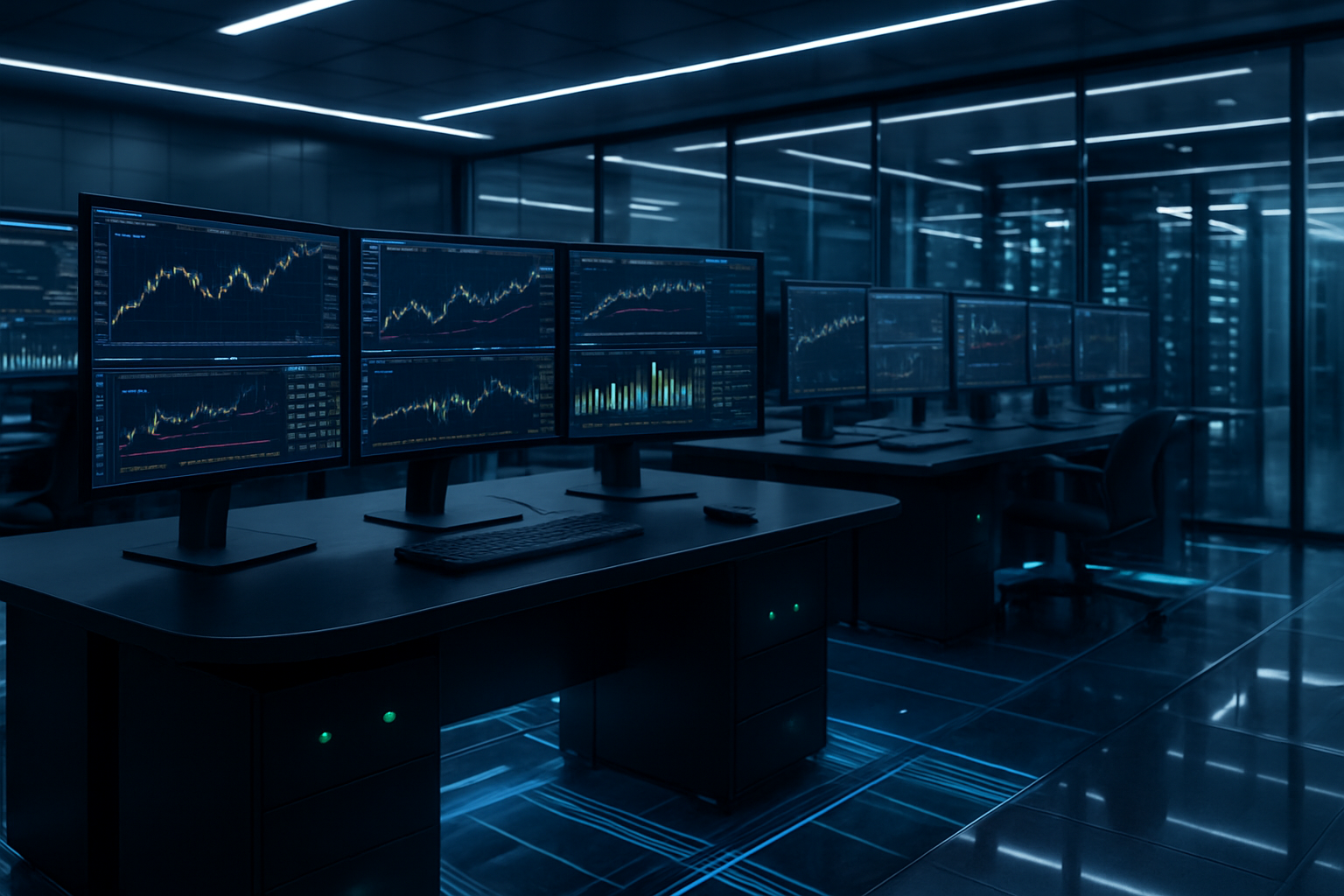
TradePulse represents a new standard for real-time trading systems, built from the ground up to handle the demanding requirements of modern financial markets. By focusing on core architectural principles, optimized technology stacks, and robust data pipelines, the platform delivers the speed and reliability that traders need to stay competitive. The careful attention to performance monitoring ensures that system reliability remains consistent even under the most challenging market conditions.
Building a successful real-time trading platform isn’t just about having the fastest hardware or the latest technology—it’s about creating a cohesive system where every component works together seamlessly. If you’re developing trading infrastructure or evaluating existing solutions, remember that true performance comes from thoughtful design decisions made at every level of the stack. Start with your real-time requirements, choose your architecture wisely, and never compromise on monitoring capabilities that keep your system running smoothly when it matters most.