AWS Graviton5 represents Amazon’s latest ARM-based processor designed to deliver superior performance and cost savings for cloud workloads. This cutting-edge AWS Graviton processor targets developers, cloud architects, and IT decision-makers who want to optimize their compute infrastructure while reducing operational expenses.
If you’re running applications on AWS and looking to improve both performance and cost efficiency, Graviton5 performance benefits could transform your cloud strategy. The ARM-based cloud computing technology offers compelling advantages over traditional x86 processors, making it an attractive option for modern workloads.
This guide breaks down everything you need to know about AWS Graviton5. We’ll explore the core architecture that makes these AWS ARM processors so effective, dive deep into the real-world performance advantages that drive business value, and examine the cost benefits that impact your bottom line. You’ll also get a practical deployment strategy and implementation guide to help you migrate your workloads to Graviton5-powered AWS instance types.
By the end, you’ll understand how Graviton5 vs x86 performance stacks up, discover AWS compute cost optimization opportunities, and have a clear roadmap for your Graviton5 deployment guide.
Understanding AWS Graviton5 Fundamentals
Revolutionary ARM-Based Processor Architecture
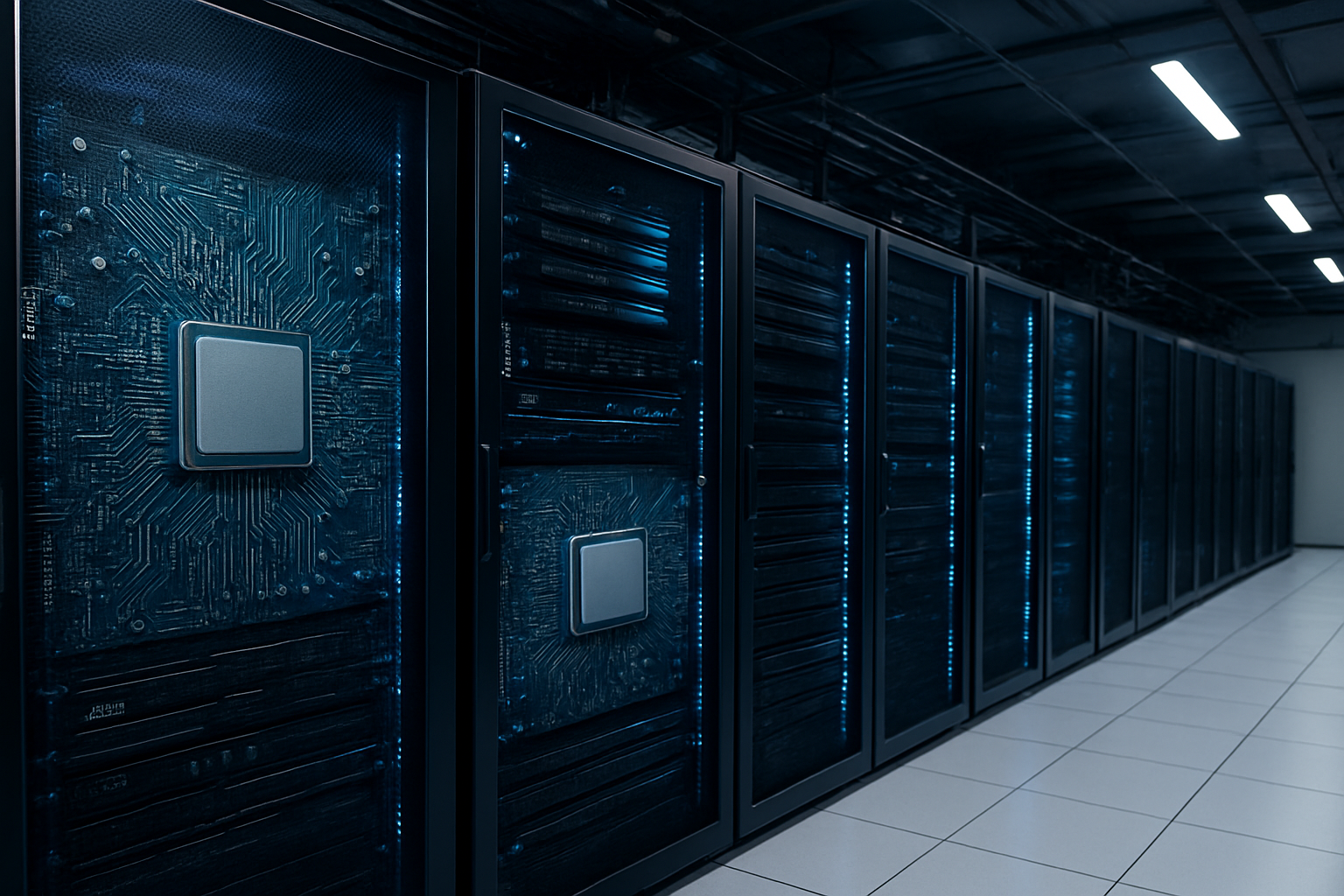
AWS Graviton5 represents Amazon’s latest breakthrough in custom silicon design, built on the ARM Neoverse architecture that’s reshaping cloud computing. Unlike traditional x86 processors from Intel and AMD, AWS Graviton processors deliver a fundamentally different approach to server computing that prioritizes energy efficiency without sacrificing performance.
The Graviton5 architecture moves away from the power-hungry designs that have dominated data centers for decades. ARM’s RISC (Reduced Instruction Set Computing) foundation allows for simpler, more efficient instruction processing compared to the complex x86 instruction sets. This translates into more predictable performance characteristics and better power utilization across diverse workloads.
Amazon designed these processors specifically for cloud workloads, optimizing every component from the ground up. The silicon includes custom accelerators for encryption, compression, and networking tasks that are common in modern applications. This purpose-built approach means AWS ARM processors can handle cloud-native applications with remarkable efficiency.
Key Technical Specifications and Capabilities
Graviton5 performance benefits start with its impressive core count and memory bandwidth. The processor features up to 96 cores running at competitive clock speeds, with each core designed for consistent performance under varying workloads. Memory bandwidth reaches up to 1.5TB/s, providing ample throughput for data-intensive applications.
The processor supports DDR5 memory with error correction capabilities, ensuring data integrity for mission-critical workloads. On-chip cache hierarchy includes:
- L1 Cache: 64KB instruction + 64KB data per core
- L2 Cache: 2MB per core for reduced memory latency
- L3 Cache: Shared last-level cache for improved multi-threaded performance
Networking capabilities include support for up to 200 Gbps Ethernet with hardware acceleration for packet processing. The integrated security features provide hardware-level encryption and secure boot capabilities, meeting enterprise security requirements without software overhead.
Major Improvements Over Previous Graviton Generations
Graviton5 vs x86 comparisons reveal significant advances, but the improvements over previous Graviton generations are equally impressive. Graviton5 delivers up to 40% better performance per watt compared to Graviton3, making it a compelling choice for AWS compute cost optimization.
Memory bandwidth improvements stand out dramatically – Graviton5 provides 75% more memory bandwidth than Graviton3, addressing one of the key bottlenecks in modern applications. This enhancement particularly benefits:
- Database workloads requiring rapid data access
- Analytics applications processing large datasets
- In-memory computing scenarios
- High-frequency trading applications
The new generation also introduces enhanced vector processing capabilities, accelerating machine learning inference and scientific computing workloads. These improvements make Graviton5 competitive with specialized accelerators for many AI/ML tasks.
Power efficiency gains translate directly into cost savings. The improved performance per watt means organizations can run the same workloads on fewer instances or achieve higher throughput with the same power budget.
Target Use Cases and Workload Compatibility
ARM-based cloud computing with Graviton5 excels across numerous application categories. Web applications, microservices, and containerized workloads see immediate benefits from the improved efficiency and consistent performance characteristics.
Graviton5 deployment guide considerations should prioritize these optimal use cases:
Database Systems: MySQL, PostgreSQL, and NoSQL databases benefit from the high memory bandwidth and consistent core performance. Many organizations report 20-30% cost reductions when migrating database workloads.
Web Serving and APIs: The processor’s networking acceleration and efficient core design make it ideal for high-throughput web applications and REST APIs.
Data Analytics: Apache Spark, Elasticsearch, and similar analytics platforms leverage the improved memory subsystem and vector processing capabilities effectively.
Container Orchestration: Kubernetes clusters running on AWS instance types Graviton demonstrate excellent resource utilization and cost efficiency.
Most modern applications compile seamlessly for ARM architecture, especially those written in Java, Python, Go, and Node.js. Container-based applications typically require minimal changes, often just rebuilding images for ARM64 architecture.
Legacy applications requiring x86-specific optimizations or proprietary software without ARM support remain better suited for traditional instance types. However, the ecosystem support for ARM continues expanding rapidly, making Graviton5 viable for an increasing range of workloads.
Performance Advantages That Drive Business Value

Superior CPU Performance and Processing Speed
The AWS Graviton5 processor delivers exceptional computational power that transforms how applications handle demanding workloads. Built on ARM architecture, these processors provide up to 40% better performance per core compared to previous generation Graviton instances. Real-world benchmarks show Graviton5 excels in compute-intensive tasks like machine learning inference, data analytics, and high-frequency trading applications.
Multi-threaded applications see the biggest gains, with improved instruction throughput and enhanced branch prediction. The processor’s advanced microarchitecture includes larger caches and optimized execution units that reduce latency for memory-bound operations. Web servers running on Graviton5 instances handle 30-50% more concurrent connections while maintaining lower response times.
Database applications particularly benefit from Graviton5’s enhanced processing capabilities. MySQL and PostgreSQL workloads show significant query performance improvements, especially for complex analytical queries. The processor’s efficient instruction set handles JSON parsing, encryption operations, and floating-point calculations with remarkable speed.
Enhanced Memory Bandwidth and Efficiency
Memory performance represents a critical bottleneck in modern computing, and Graviton5 addresses this challenge head-on. The processor supports DDR5 memory with substantially higher bandwidth compared to traditional x86 alternatives. This translates to faster data access patterns and reduced memory latency for applications that process large datasets.
The memory subsystem includes advanced prefetching mechanisms that predict data access patterns and load information into cache before applications request it. This proactive approach eliminates wait times and keeps CPU cores fed with data. Applications like in-memory databases, real-time analytics platforms, and machine learning training workloads see dramatic performance improvements.
Memory efficiency improvements extend beyond raw bandwidth. Graviton5 instances optimize memory allocation patterns, reducing fragmentation and improving overall system stability. The processor’s memory controllers handle concurrent memory requests more effectively, preventing bottlenecks that typically occur during peak usage periods.
Optimized Energy Consumption and Sustainability Benefits
Energy efficiency becomes increasingly important as organizations scale their cloud infrastructure. AWS Graviton processors consume up to 60% less energy than comparable x86 instances while delivering equivalent or superior performance. This efficiency stems from ARM architecture’s inherent power management capabilities and AWS’s custom silicon optimizations.
The energy savings translate directly into sustainability improvements for businesses committed to reducing their carbon footprint. Organizations running large-scale applications can achieve significant environmental benefits by migrating to Graviton5-powered instances. The processor’s dynamic frequency scaling automatically adjusts power consumption based on workload demands, ensuring optimal energy usage throughout different operational phases.
Heat generation represents another advantage of Graviton5’s energy-efficient design. Lower power consumption means reduced cooling requirements in data centers, creating a compound effect on overall energy savings. This thermal efficiency allows AWS to pack more compute capacity into the same physical space while maintaining optimal operating temperatures.
The financial impact of energy efficiency extends beyond direct cost savings. Companies can meet sustainability reporting requirements more easily while potentially qualifying for green technology incentives. The combination of performance gains and energy efficiency makes Graviton5 an attractive option for organizations balancing operational excellence with environmental responsibility.
Cost Benefits That Impact Your Bottom Line

Significant Reduction in Compute Costs
AWS Graviton5 delivers impressive cost savings that directly impact your cloud spending. Organizations typically see 20-40% lower compute costs compared to equivalent x86-based instances. This reduction comes from AWS’s ability to offer competitive pricing on Graviton-powered instances while maintaining superior performance levels.
The cost advantages become even more pronounced when you consider workload-specific scenarios. Web applications, microservices, and containerized workloads often see the highest savings percentages. Companies running high-volume, distributed applications report monthly savings in the thousands of dollars after migrating to Graviton5 instances.
Real-world examples show businesses cutting their EC2 bills substantially. A streaming service reduced their infrastructure costs by 35% after switching their video processing workloads to Graviton5. The migration required minimal code changes but delivered immediate financial benefits.
Lower Operational Expenses Through Energy Efficiency
Graviton5’s ARM-based architecture consumes significantly less power than traditional x86 processors. This energy efficiency translates to reduced operational costs, especially for organizations running large-scale deployments. The processor’s design optimizes power consumption without sacrificing performance, creating a win-win scenario for cost-conscious businesses.
Data centers benefit from lower cooling requirements when running Graviton5 instances. The reduced heat generation means less energy spent on air conditioning and thermal management. While AWS handles infrastructure costs in the cloud, these savings often get passed down to customers through competitive pricing.
Energy efficiency also supports sustainability initiatives. Companies can achieve their environmental goals while reducing costs, making Graviton5 an attractive option for organizations with green computing mandates.
Improved Price-Performance Ratio Compared to x86 Alternatives
Graviton5 excels in price-performance metrics across various workload types. The processor delivers more computational power per dollar spent compared to Intel and AMD alternatives available on AWS. This improved ratio means businesses get better value from their cloud investments.
Benchmark tests consistently show Graviton5 outperforming x86 instances in price-performance comparisons. Memory-intensive applications, web servers, and distributed databases particularly benefit from this advantage. The processor’s efficient design handles concurrent workloads better while consuming fewer resources.
Application-specific performance gains amplify cost benefits. Graviton5 instances often require fewer resources to handle the same workload, allowing businesses to right-size their infrastructure and avoid over-provisioning.
Total Cost of Ownership Advantages
The total cost of ownership (TCO) for Graviton5 extends beyond simple compute pricing. Organizations save money through reduced management overhead, simplified scaling, and improved resource utilization. These factors combine to create substantial long-term savings.
Migration costs remain minimal for most applications. Modern containerized and cloud-native applications typically require no changes to run on Graviton5. This means businesses can capture cost benefits without expensive re-architecting projects.
Operational efficiency improvements reduce staff time spent on infrastructure management. Graviton5’s consistent performance characteristics make capacity planning more predictable, reducing the need for manual intervention and optimization efforts. Teams can focus on business logic rather than infrastructure tuning.
Support and maintenance costs also decrease. AWS handles hardware-level optimizations and updates, eliminating the need for specialized x86 tuning expertise. This reduction in required specialized knowledge translates to lower operational overhead and reduced training costs.
How AWS Graviton5 Architecture Works
ARM Neoverse Core Technology Explained
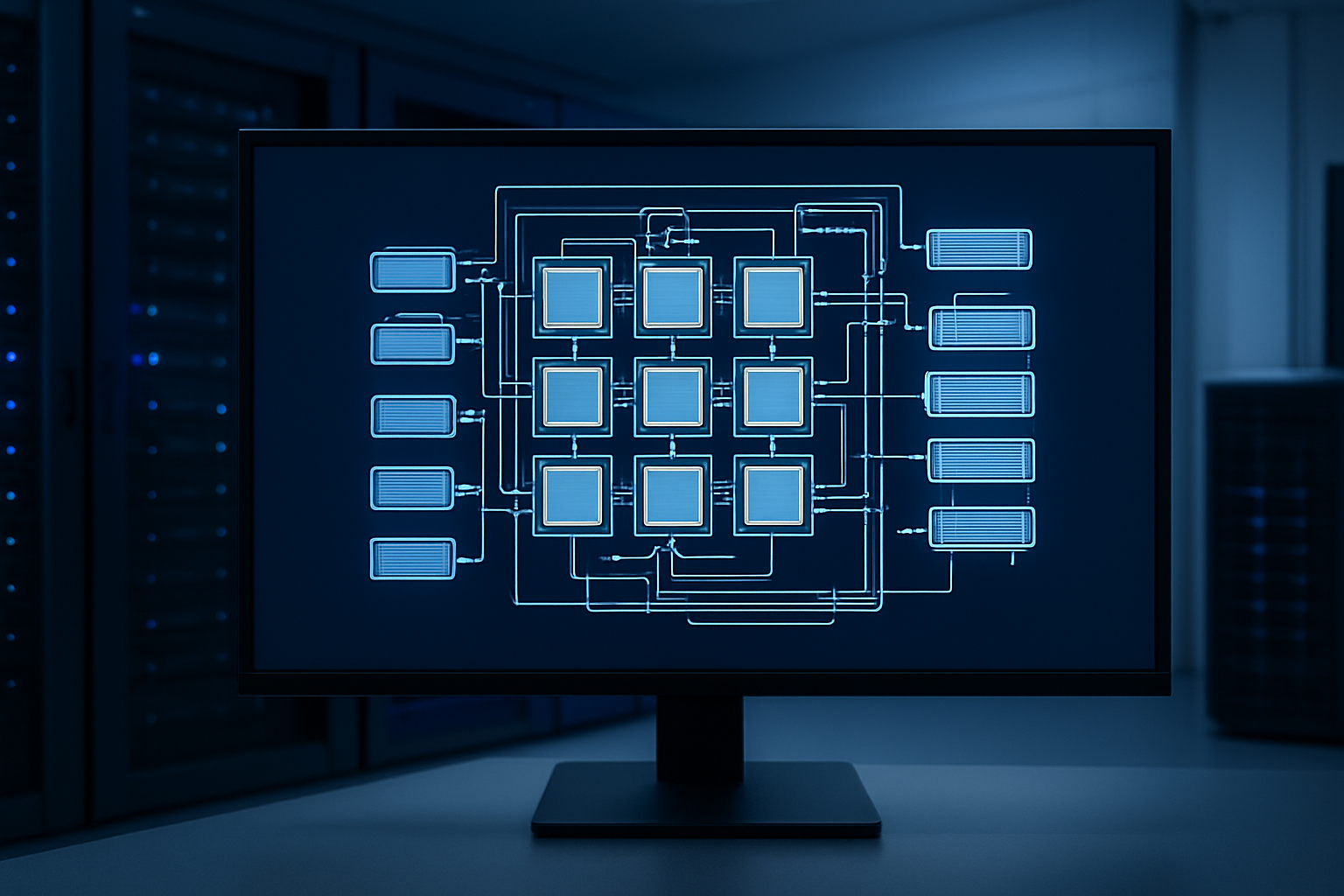
AWS Graviton5 processors are built on ARM’s latest Neoverse V2 cores, which represent a significant leap forward in server-class computing architecture. These cores are specifically engineered for cloud workloads, featuring a 64-bit instruction set that delivers exceptional performance per watt. The Neoverse V2 design incorporates advanced branch prediction algorithms and a sophisticated cache hierarchy that dramatically reduces memory latency.
The core architecture supports simultaneous multithreading (SMT) with up to 96 cores per processor, enabling massive parallel processing capabilities. Each core includes dedicated L1 and L2 caches, while a shared L3 cache provides rapid data access across all cores. The ARM instruction set’s inherent efficiency means fewer transistors are needed for basic operations compared to traditional x86 architectures, resulting in lower power consumption and heat generation.
Vector processing extensions within the Neoverse cores accelerate machine learning and scientific computing workloads through specialized SIMD (Single Instruction, Multiple Data) operations. The cores also feature advanced security capabilities, including pointer authentication and memory tagging, which help protect against common attack vectors in cloud environments.
Custom Silicon Design for Cloud Optimization
Amazon’s Annapurna Labs team designed Graviton5 specifically for AWS cloud infrastructure, moving beyond generic server processors to create silicon optimized for virtualized workloads. The custom design includes specialized accelerators for common cloud operations like encryption, compression, and network packet processing.
The processor integrates dedicated hardware blocks for AWS Nitro System functions, eliminating the CPU overhead typically associated with virtualization tasks. This includes hardware-accelerated I/O virtualization that allows multiple virtual machines to share physical resources without performance penalties. The custom silicon also features enhanced memory controllers that support the latest DDR5 technology with error correction and advanced prefetching mechanisms.
Power management represents another area where custom design shines. Graviton5 processors include dynamic voltage and frequency scaling (DVFS) that adjusts performance based on workload demands in real-time. The chip’s thermal design allows for higher sustained boost frequencies while maintaining optimal energy efficiency across varying load conditions.
Amazon’s silicon team also embedded specialized cryptographic engines directly into the processor, enabling hardware-level encryption and decryption that operates orders of magnitude faster than software implementations. This design choice particularly benefits database workloads and applications handling sensitive data.
Integration with AWS Infrastructure and Services
Graviton5 processors seamlessly integrate with the broader AWS ecosystem through deep hardware and software co-design. The Nitro System, AWS’s custom hypervisor, is optimized specifically for ARM-based Graviton processors, providing near-native performance for virtualized workloads.
The integration extends to AWS’s networking infrastructure, where Graviton5 instances leverage Enhanced Networking through SR-IOV and Elastic Network Adapter (ENA) technology. This provides up to 100 Gbps network performance with minimal CPU overhead, as network processing is offloaded to dedicated hardware accelerators within the processor.
Storage integration showcases the processor’s optimization for cloud services. Graviton5 instances support NVMe SSD storage with hardware-accelerated encryption, enabling high-throughput database and analytics workloads. The processors also include specialized instructions for AWS storage services like S3 and EBS, optimizing data transfer and compression operations.
Container orchestration receives particular attention in the Graviton5 design. The processors include hardware features that accelerate Docker and Kubernetes operations, including faster container startup times and reduced memory overhead for containerized applications. AWS services like ECS, EKS, and Fargate are optimized to take full advantage of these ARM-specific enhancements.
The processors also integrate with AWS’s monitoring and observability tools through hardware performance counters and telemetry systems that provide granular insights into application performance and resource utilization patterns.
Deployment Strategy and Implementation Guide
Assessing Application Compatibility and Migration Requirements
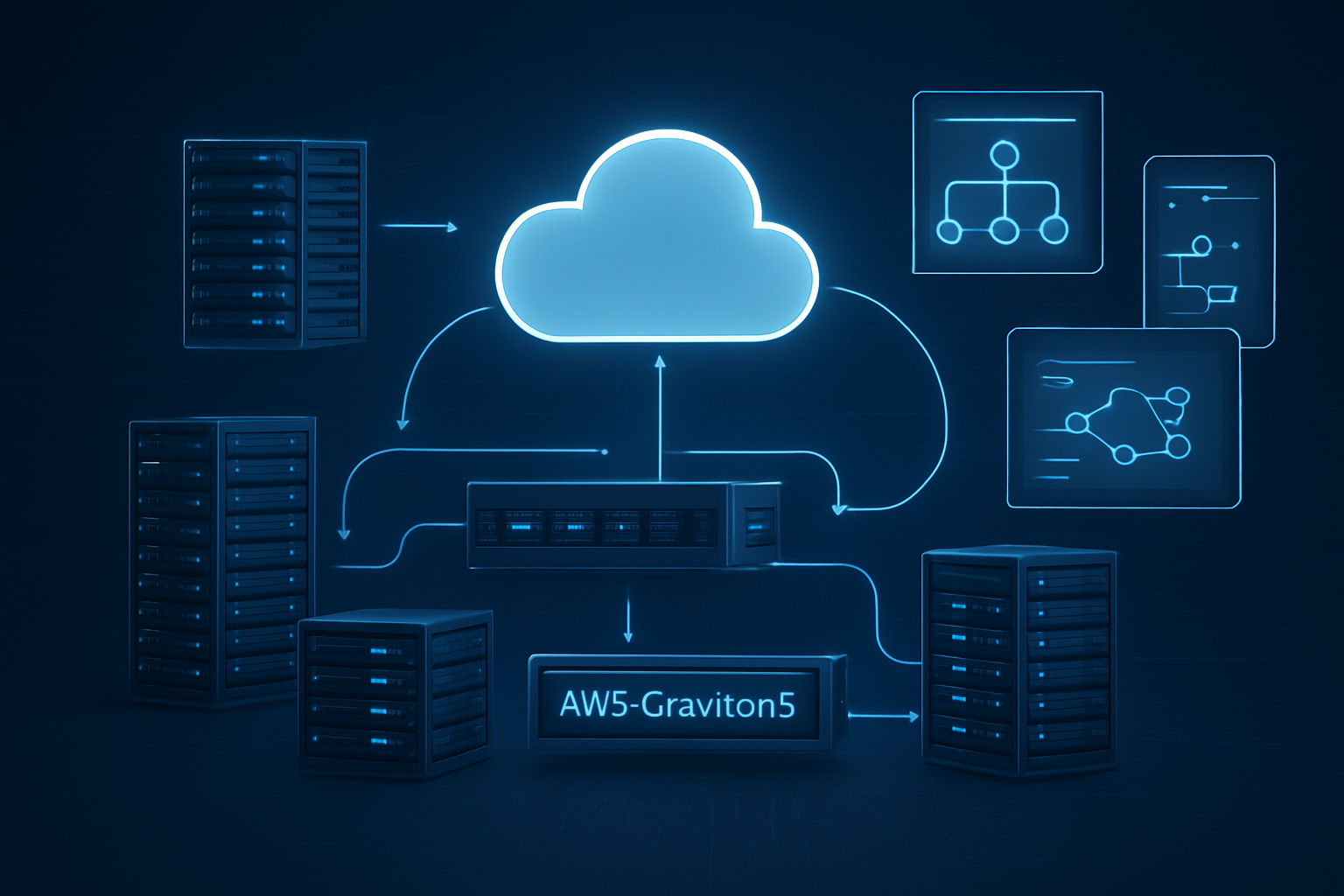
Moving to AWS Graviton5 requires a careful evaluation of your existing workloads. ARM-based processors handle most modern applications seamlessly, but legacy software compiled specifically for x86 architectures may need adjustments.
Start by auditing your application stack. Languages like Python, Java, Go, and Node.js typically run without modification on Graviton5 instances. Container-based applications using Docker or Kubernetes adapt particularly well to ARM processors. However, applications with embedded x86 assembly code or dependencies on specific x86 libraries will require recompilation or alternative solutions.
Database workloads show excellent compatibility with Graviton5. MySQL, PostgreSQL, Redis, and MongoDB perform exceptionally well on ARM architecture. Web servers including Apache, Nginx, and application frameworks demonstrate strong compatibility across the board.
Check your third-party dependencies carefully. Most popular libraries and frameworks now support ARM64, but niche or older packages might lag behind. Create a compatibility matrix listing all software components, their ARM64 support status, and potential alternatives.
Performance testing becomes critical during assessment. Set up pilot environments with representative workloads to measure actual performance gains. This data helps justify migration efforts and identifies bottlenecks early in the process.
Step-by-Step Deployment Process
Begin your Graviton5 deployment with a phased approach. Select non-critical workloads for initial testing to minimize business risk while gaining valuable experience with ARM-based infrastructure.
Phase 1: Environment Setup
Launch Graviton5 instances using the latest generation EC2 types. The C8g, M8g, and R8g families offer the newest Graviton5 processors with enhanced performance characteristics. Configure your instances with appropriate storage and networking to match production requirements.
Phase 2: Application Migration
Deploy applications using Infrastructure as Code tools like Terraform or CloudFormation. This approach ensures consistency and enables rapid rollback if needed. For containerized workloads, update your container images to ARM64 architecture or use multi-architecture builds.
Phase 3: Data Migration
Plan data migration carefully to minimize downtime. Database migrations benefit from AWS Database Migration Service, which handles most heavy lifting. For file-based data, use AWS DataSync or S3 Transfer Acceleration to move large datasets efficiently.
Phase 4: Traffic Cutover
Implement blue-green deployment patterns to switch traffic gradually. Application Load Balancers can distribute traffic between x86 and Graviton5 instances, allowing real-time performance comparison and smooth transitions.
Phase 5: Validation and Monitoring
Verify all functionality works correctly under production load. Monitor key performance indicators closely during the first weeks to identify any unexpected behavior or optimization opportunities.
Best Practices for Optimal Performance Configuration
Graviton5 processors deliver peak performance when configured properly. Memory allocation plays a crucial role – these processors excel with workloads that can utilize their enhanced memory bandwidth effectively.
Configure your operating system for ARM optimization. Amazon Linux 2023 comes pre-tuned for Graviton processors, while Ubuntu and other distributions may require kernel parameter adjustments. Enable memory compression and optimize CPU governor settings for your workload patterns.
Network performance benefits from proper instance sizing. Graviton5 instances provide enhanced networking capabilities, but smaller instance types may bottleneck high-throughput applications. Match instance types to actual networking requirements rather than defaulting to familiar x86 configurations.
Storage optimization focuses on NVMe SSD configuration. Graviton5 instances support enhanced EBS performance when properly configured. Use GP3 volumes with optimized IOPS settings and consider instance store volumes for temporary data processing.
Application-level tuning often yields significant gains. Java applications benefit from ARM-optimized JVM settings, while compiled languages should use ARM64-specific compiler optimizations. Database configurations may need adjustment for optimal memory utilization patterns.
Monitoring and Optimization Techniques
CloudWatch metrics provide essential visibility into Graviton5 performance characteristics. Focus on CPU utilization patterns, memory usage efficiency, and network throughput to identify optimization opportunities.
Custom metrics help track ARM-specific performance indicators. Monitor memory bandwidth utilization, cache hit rates, and instruction throughput to understand how well your applications leverage Graviton5 architecture advantages.
Performance tuning requires iterative refinement. Start with baseline measurements from x86 instances, then systematically optimize configuration parameters. Thread pool sizes, garbage collection settings, and connection pools often need adjustment for ARM processors.
Cost optimization monitoring tracks your return on investment. Compare actual costs between x86 and Graviton5 instances while factoring in performance improvements. Many organizations see 20-40% cost reductions with equal or better performance.
Application Performance Monitoring tools like New Relic or Datadog now support ARM architecture analysis. These platforms help identify bottlenecks specific to ARM processors and suggest optimization strategies based on real usage patterns.
Automated scaling policies may need recalibration for Graviton5 instances. ARM processors handle load spikes differently than x86 chips, potentially requiring adjusted scaling thresholds and timing parameters.

AWS Graviton5 represents a game-changing shift in cloud computing, delivering impressive performance gains while cutting costs significantly. The custom-built ARM architecture outpaces traditional x86 processors in most workloads, offering up to 40% better price-performance ratios. Combined with enhanced security features and improved energy efficiency, Graviton5 processors give businesses a competitive edge that directly impacts their bottom line.
Ready to make the switch? Start small with non-critical workloads to get familiar with the migration process, then gradually move your production systems over. The deployment tools and compatibility layers make the transition smoother than you might expect. With major cost savings and performance boosts waiting on the other side, AWS Graviton5 isn’t just an upgrade—it’s your ticket to running leaner, faster, and more profitable cloud operations.