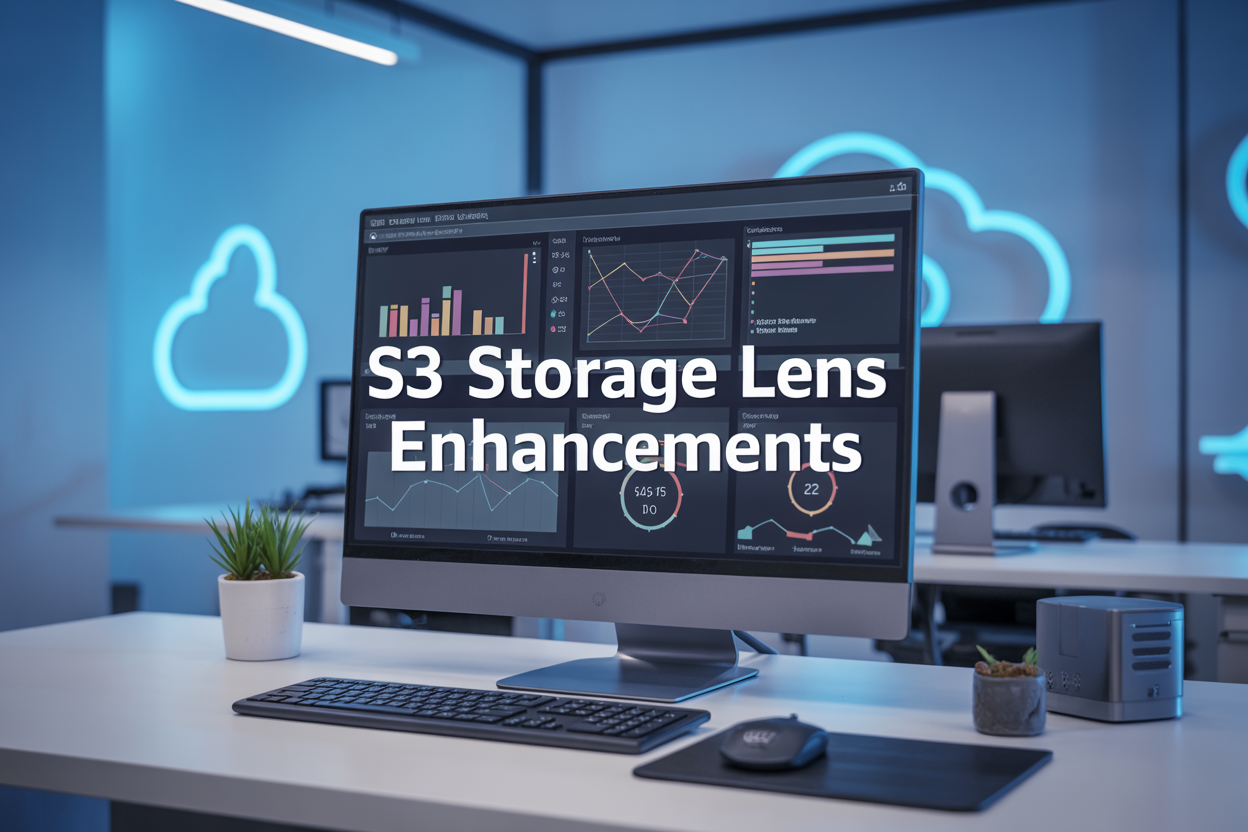
Amazon S3 Storage Lens has become a game-changer for AWS storage management, and recent enhancements make it even more powerful for tracking your cloud storage costs and usage patterns. This comprehensive guide breaks down the latest S3 Storage Lens enhancements and shows you exactly how they can transform your storage visibility.
Who this guide is for: Cloud engineers, DevOps teams, and AWS administrators who want to get better control over their S3 storage costs and optimize their storage infrastructure with improved monitoring tools.
We’ll walk through the key visibility benefits that make S3 storage analytics so valuable for modern cloud operations. You’ll discover the advanced metrics and reporting capabilities that give you deeper insights into your storage patterns. Finally, we’ll cover the step-by-step S3 Storage Lens deployment process, including prerequisites and implementation best practices that ensure you get maximum value from these AWS S3 optimization features.
By the end, you’ll have a clear roadmap for leveraging Amazon S3 metrics reporting to make smarter storage decisions and reduce unnecessary costs across your AWS environment.
Understanding Amazon S3 Storage Lens Enhancements
Core functionality improvements over standard S3 monitoring
Amazon S3 Storage Lens enhancements take storage monitoring to the next level by providing comprehensive insights that standard S3 monitoring simply can’t match. Traditional CloudWatch metrics give you basic information about bucket operations and requests, but Storage Lens delivers a unified view across your entire S3 ecosystem with organization-wide visibility.
The enhanced version provides over 30 detailed metrics compared to the handful available in basic monitoring. You get granular breakdowns by storage class, object age, encryption status, and access patterns. This level of detail helps you spot trends and anomalies that would otherwise fly under the radar.
Multi-account aggregation stands out as a game-changer for enterprise environments. Instead of jumping between different accounts to understand storage patterns, Storage Lens consolidates data across your entire AWS organization. You can drill down from organization-level views to specific accounts, regions, or even individual buckets.
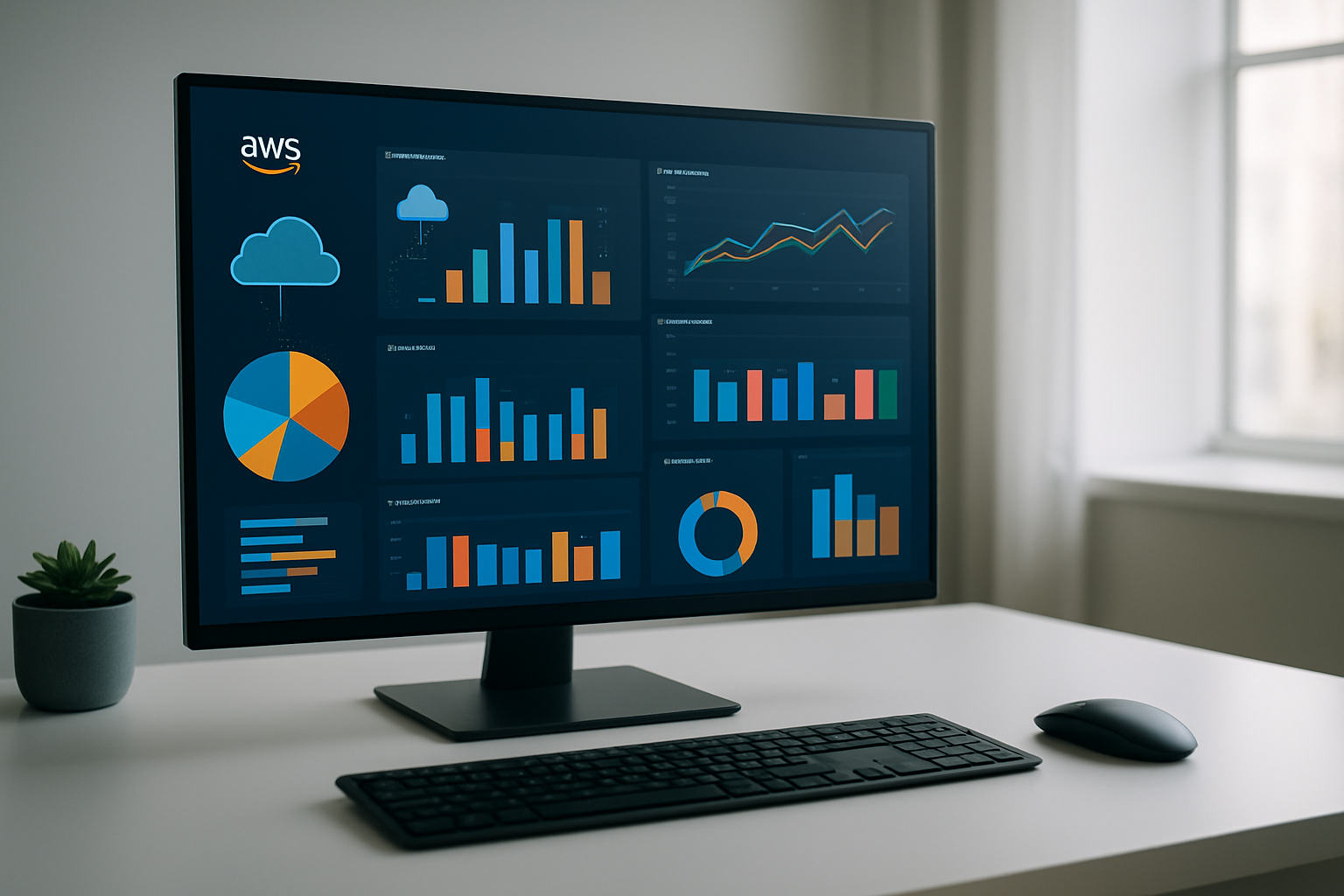
The interactive dashboard replaces the need to manually compile reports from various sources. Real-time data updates ensure you’re always working with current information, while historical trending shows how your storage footprint evolves over time.
Advanced analytics capabilities for storage optimization
S3 Storage Lens enhancements bring sophisticated analytics that transform raw storage data into actionable optimization opportunities. The system automatically identifies inefficient storage patterns and suggests specific remediation steps.
Object lifecycle recommendations analyze your data access patterns to suggest optimal storage class transitions. If objects haven’t been accessed in 30 days, the system might recommend moving them to Infrequent Access storage. For data accessed less than once per year, Glacier or Deep Archive recommendations appear.
Duplicate object detection scans across buckets to identify redundant files consuming unnecessary space. This feature proves especially valuable for organizations with multiple teams uploading similar datasets or backup files.
The enhanced analytics engine also tracks incomplete multipart uploads, which often accumulate unnoticed and generate ongoing storage costs. Automated alerts notify you when these abandoned uploads exceed defined thresholds.
Access pattern analysis reveals which objects generate the most retrieval costs and how changing access methods could reduce expenses. Heat maps visualize data usage across different time periods, making it easier to spot seasonal patterns or unexpected spikes.
Enhanced cost management features
Cost optimization receives major improvements through enhanced S3 Storage Lens capabilities. The system provides detailed cost breakdowns by storage class, region, and account, making it easy to identify the biggest cost drivers in your environment.
Predictive cost modeling estimates future expenses based on current growth trends. If your Standard storage is growing at 15% monthly, the tool projects costs for the next 6-12 months, helping with budget planning and optimization timing.
The cost optimization recommendations go beyond simple storage class suggestions. The system calculates potential savings from implementing lifecycle policies, deleting unnecessary objects, or consolidating fragmented data. Each recommendation includes estimated monthly savings, making it easy to prioritize optimization efforts.
Budget alert integration connects Storage Lens insights directly to AWS Budgets. When storage costs approach defined thresholds, you receive detailed reports showing which buckets or storage classes are driving the overage.
Cross-region cost analysis helps optimize data placement strategies. The tool compares storage and transfer costs across different regions, suggesting optimal locations for your data based on access patterns and compliance requirements.
Integration with AWS ecosystem services
S3 Storage Lens enhancements seamlessly connect with other AWS services to create a comprehensive storage management ecosystem. CloudWatch integration enables custom alerting based on Storage Lens metrics, allowing you to trigger automated responses when specific conditions are met.
AWS Config integration tracks storage configuration changes over time. When someone modifies bucket policies or lifecycle rules, Storage Lens correlates these changes with performance and cost impacts, providing valuable insight into configuration effectiveness.
The enhanced service works with AWS Organizations to provide hierarchical views that match your organizational structure. Account groupings, organizational units, and service control policies all influence how data appears in Storage Lens dashboards.
Lambda integration opens up automation possibilities. You can trigger functions based on Storage Lens findings, automatically implementing lifecycle policies or moving objects to more cost-effective storage classes when certain conditions are met.
QuickSight integration transforms Storage Lens data into custom business intelligence dashboards. Finance teams can create executive reports while operations teams build technical dashboards focused on performance metrics.
The API access allows integration with third-party tools and custom applications. Whether you’re building internal dashboards or feeding data into existing monitoring platforms, the comprehensive API ensures Storage Lens insights can flow wherever they’re needed most.
Key Visibility Benefits for Storage Management

Comprehensive storage usage analytics across accounts
S3 Storage Lens enhancements deliver unprecedented visibility into your storage patterns across multiple AWS accounts and regions. The enhanced dashboard aggregates data from all your buckets, giving you a bird’s-eye view of storage consumption trends, access patterns, and growth trajectories. You can drill down from organization-level metrics to individual bucket analytics, making it easy to spot outliers and understand which teams or applications are driving storage costs.
The multi-account analytics capability proves particularly valuable for enterprise organizations managing hundreds or thousands of buckets. Instead of logging into separate accounts to check storage metrics, you get a unified view that shows exactly where your data lives and how it’s being accessed. The enhanced filtering options let you segment data by account, region, storage class, or custom tags, making it simple to track department-specific usage or project-based storage allocation.
Cost optimization insights and recommendations
Amazon S3 Storage Lens enhancements transform raw storage data into actionable cost-saving opportunities. The enhanced recommendations engine analyzes your storage patterns and suggests specific actions like transitioning infrequently accessed data to cheaper storage classes or identifying buckets with high retrieval costs that might benefit from different configurations.
The cost optimization features include:
- Intelligent tiering recommendations based on actual access patterns
- Lifecycle policy suggestions for automated data transitions
- Duplicate data detection across buckets and accounts
- Unused bucket identification to eliminate unnecessary storage costs
- Storage class optimization alerts when data doesn’t match its current tier
These insights help teams make data-driven decisions about storage architecture. The enhanced metrics show exactly how much money you could save by implementing each recommendation, along with the potential impact on data retrieval performance. Real-time cost tracking capabilities let you monitor the financial impact of storage decisions as they happen.
Security and compliance monitoring improvements
The enhanced S3 Storage Lens provides robust security oversight across your entire storage infrastructure. Advanced encryption monitoring ensures all your buckets meet corporate security standards, while access pattern analysis helps identify unusual data access that might indicate security breaches or policy violations.
Key security enhancements include:
- Encryption status monitoring across all buckets and objects
- Public access configuration alerts for buckets with overly permissive settings
- Access pattern anomaly detection to spot potential security incidents
- Compliance reporting for regulatory requirements like GDPR or HIPAA
- Data residency tracking to ensure data stays in approved regions
The compliance monitoring features automatically generate reports showing which buckets meet specific regulatory requirements and flag any configurations that could create compliance risks. This proactive approach helps security teams stay ahead of potential issues rather than discovering them during audits.
Advanced Metrics and Reporting Capabilities
Organization-wide Storage Trend Analysis
Amazon S3 Storage Lens enhancements deliver comprehensive visibility across your entire AWS organization, tracking storage usage patterns that span multiple accounts, regions, and business units. The enhanced analytics engine processes massive datasets to reveal storage consumption trends over weeks, months, and years, helping you spot gradual increases in storage costs before they impact budgets.
The trend analysis functionality breaks down storage metrics by object age, storage class distribution, and access frequency patterns. You can identify which departments consistently accumulate stale data or fail to implement lifecycle policies effectively. This bird’s-eye view becomes especially valuable for enterprise customers managing hundreds of AWS accounts, where traditional monitoring approaches fall short.
Storage growth rate calculations help predict future capacity requirements and budget allocations. The system automatically flags accounts experiencing rapid storage expansion, enabling proactive conversations with teams about optimization strategies before costs spiral out of control.
Custom Dashboard Creation for Stakeholder Reporting
Building tailored dashboards for different stakeholder groups transforms raw S3 Storage Lens metrics into actionable business intelligence. Financial teams receive cost-focused views highlighting storage expenditure trends, while engineering teams access technical metrics around request patterns and performance characteristics.
The enhanced dashboard builder supports drag-and-drop customization with pre-built widgets for common reporting scenarios. Finance executives can track monthly storage cost variations across business units, while DevOps teams monitor application-specific storage efficiency metrics. Each dashboard updates automatically with fresh data, eliminating manual report compilation.
Executive-level dashboards emphasize high-level cost optimization opportunities and compliance status indicators. Technical dashboards drill deeper into storage class utilization rates, multipart upload completion percentages, and retrieval request patterns that directly impact application performance and user experience.
Automated Anomaly Detection and Alerting
Smart anomaly detection algorithms continuously monitor your S3 storage patterns and automatically flag unusual activity that might indicate security issues, application bugs, or operational problems. The system learns normal baseline behavior for each account and storage bucket, then alerts you when deviations exceed configurable thresholds.
Common anomalies include sudden spikes in storage consumption, unusual access patterns from specific IP ranges, or dramatic changes in object deletion rates. The enhanced alerting system sends notifications through multiple channels including email, SNS topics, and Slack integrations, ensuring critical issues reach the right teams immediately.
Machine learning models analyze historical patterns to reduce false positives while maintaining sensitivity to genuine threats. For example, the system distinguishes between expected seasonal traffic increases and potentially malicious data exfiltration attempts based on request volume, timing patterns, and geographic distribution.
Historical Data Retention for Long-term Planning
S3 Storage Lens enhancements extend data retention capabilities to support multi-year strategic planning initiatives. Historical metrics dating back 15 months enable detailed trend analysis for capacity planning, budget forecasting, and compliance reporting requirements.
Long-term data retention proves invaluable for organizations with cyclical business patterns or seasonal storage demands. Retail companies can analyze Black Friday storage spikes from previous years to prepare infrastructure scaling strategies, while media companies can track content archive growth patterns to optimize long-term storage class strategies.
The enhanced retention system preserves granular metrics at daily resolution for recent periods while automatically aggregating older data into weekly and monthly summaries. This approach balances detailed analysis capabilities with storage efficiency, ensuring historical insights remain accessible without overwhelming storage costs.
Cross-region Storage Performance Insights
Enhanced cross-region analysis capabilities provide detailed visibility into how storage patterns and costs vary across different AWS regions. This functionality helps optimize global data distribution strategies and identify opportunities for significant cost savings through strategic data placement.
Performance metrics reveal regional differences in request latency, data transfer costs, and storage class effectiveness. Organizations with global user bases can identify optimal regions for content distribution, while multinational companies can ensure compliance with data residency requirements without sacrificing performance.
The cross-region comparison tools highlight cost arbitrage opportunities where moving data between regions could reduce overall storage expenses. Automated recommendations suggest specific buckets and object prefixes that would benefit from regional migration, complete with projected cost savings calculations and implementation complexity assessments.
Regional performance dashboards track request success rates, average response times, and bandwidth utilization patterns across your global S3 infrastructure. This visibility enables data-driven decisions about content delivery network configurations and regional backup strategies.
Deployment Strategy and Prerequisites

Required IAM permissions and policy configurations
Getting your S3 Storage Lens deployment right starts with proper IAM permissions. You’ll need specific roles and policies that allow the service to collect data across your AWS environment and generate the insights you’re looking for.
The foundation begins with the S3StorageLensServiceLinkedRole, which AWS automatically creates when you first enable Storage Lens. This service-linked role gives Storage Lens the permissions it needs to access S3 metadata and generate reports. You can’t modify this role directly, but understanding what it does helps you troubleshoot access issues down the line.
For administrators setting up Storage Lens configurations, you’ll want to attach the AmazonS3FullAccess policy or create a custom policy with these essential permissions:
s3:GetStorageLensConfigurations3:PutStorageLensConfigurations3:DeleteStorageLensConfigurations3:ListStorageLensConfigurationss3:GetStorageLensConfigurationTaggings3:PutStorageLensConfigurationTagging
When working with advanced metrics and custom dashboards, you’ll also need CloudWatch permissions for publishing metrics and accessing detailed analytics. Add these permissions to your policy:
cloudwatch:PutMetricDatacloudwatch:GetMetricStatisticscloudwatch:ListMetrics
Cross-account scenarios require additional consideration. If you’re planning to aggregate data from multiple AWS accounts, the management account needs permissions to assume roles in member accounts. Create a trust policy that allows your Storage Lens service to access resources across your organization structure.
Multi-account setup considerations
Managing S3 Storage Lens across multiple AWS accounts requires careful planning and coordination. AWS Organizations provides the most streamlined approach for multi-account S3 Storage Lens deployment, but you can also set up individual account configurations if needed.
When using AWS Organizations, designate your management account as the central point for Storage Lens data aggregation. This account will collect and consolidate storage metrics from all member accounts in your organization. The management account automatically gets permissions to view data from member accounts, but you need to ensure that member accounts have the proper service-linked roles in place.
Member accounts need their own S3StorageLensServiceLinkedRole to participate in organization-wide reporting. AWS typically creates these automatically, but if you’re working with older accounts or have specific security requirements, you might need to verify these roles exist and have the correct trust relationships.
Data residency becomes important when you’re operating across different regions or have compliance requirements. Storage Lens processes data in the region where your configuration exists, so plan your setup accordingly. If you have sensitive data in specific regions, create separate configurations to keep that data processing local.
Consider your billing structure when planning multi-account deployments. Advanced metrics and recommendations come with additional costs, and these charges appear in the account where you enable the features. For organizations using consolidated billing, plan how you’ll track and allocate these costs across different teams or business units.
Regional deployment planning
Amazon S3 Storage Lens operates on a regional basis, which means your deployment strategy needs to account for where your data lives and where you want to process insights. Each Storage Lens configuration exists in a specific region and can analyze buckets across multiple regions, but understanding the data flow helps optimize performance and costs.
Choose your primary deployment region based on where most of your S3 data resides or where your operations team works. This region will host your Storage Lens dashboard and process the metrics data. While Storage Lens can analyze buckets in any region, processing data closer to its source often provides better performance.
Regional considerations become especially important for compliance and data governance. Some organizations require that metadata processing happens within specific geographic boundaries. Storage Lens respects these requirements by processing data in the region where you create your configuration.
Plan for multiple configurations if you have distinct operational needs across regions. You might want separate dashboards for different geographic teams or business units. Each configuration can focus on specific buckets or accounts, giving you granular control over what data gets analyzed where.
Network connectivity and AWS service availability also factor into your regional planning. Verify that all the AWS services Storage Lens depends on are available in your chosen regions. Some advanced features might have different availability across regions, so check the latest AWS service documentation for your specific deployment areas.
Cost optimization benefits from smart regional planning too. Advanced metrics pricing varies by region, and choosing the right deployment region can impact your monthly Storage Lens costs. Review the pricing for your target regions and factor this into your deployment strategy.
Step-by-Step Implementation Guide

Initial configuration through AWS Console
Setting up Amazon S3 Storage Lens enhancements starts with navigating to the S3 console and selecting “Storage Lens” from the left navigation panel. Click “Create dashboard” to begin your S3 Storage Lens implementation guide. You’ll see options for organization-level or account-level configurations – choose based on your management scope.
The basic configuration wizard walks you through essential settings:
- Dashboard name and description: Use descriptive names that align with your AWS storage management structure
- Home Region selection: Choose the region where you want to store dashboard data
- Scope configuration: Define which accounts, regions, and storage classes to include
- Metrics selection: Start with free tier metrics before adding premium options
Advanced settings allow you to exclude specific buckets or prefixes that don’t need monitoring. This helps focus your S3 storage analytics on critical data while reducing noise from temporary or test buckets.
Custom metrics configuration for specific needs
Amazon S3 Storage Lens enhancements shine when configured with custom metrics tailored to your organization’s requirements. The premium tier unlocks advanced metrics beyond basic cost and usage data.
Configure activity metrics to track:
- Request metrics: GET, PUT, DELETE operations per bucket
- Data retrieval patterns: Download frequency and access timing
- Cost optimization metrics: Lifecycle transition effectiveness
- Security metrics: Encryption status and public access indicators
Set up custom dimensions by:
- Defining specific prefixes or tags for granular reporting
- Creating cost allocation tags for departmental tracking
- Configuring bucket groupings by application or team
- Setting up retention policy monitoring
Data export configurations let you send metrics to Amazon QuickSight or third-party tools. Enable CSV exports for offline analysis or API access for automated reporting workflows.
Integration with existing monitoring systems
Your S3 Storage Lens deployment should connect seamlessly with current AWS S3 monitoring tools and third-party platforms. CloudWatch integration provides real-time alerting when storage patterns change unexpectedly.
Create CloudWatch alarms for:
- Storage growth exceeding thresholds
- Cost anomalies in specific buckets
- Unusual access patterns indicating security issues
- Incomplete multipart uploads accumulating
API integration enables custom dashboards using tools like Grafana or Datadog. The Storage Lens API provides programmatic access to all metrics, supporting automated reporting and analysis workflows. Configure IAM roles with appropriate permissions for service-to-service communication.
For enterprise environments, integrate with:
- ITSM platforms: ServiceNow, Jira for automated ticket creation
- FinOps tools: CloudHealth, Cloudability for cost management
- Security platforms: Splunk, ElasticSearch for compliance reporting
Testing and validation procedures
Validate your S3 Storage Lens enhancements configuration through systematic testing before relying on the data for business decisions. Start with a small scope and gradually expand coverage.
Create test scenarios:
- Upload sample data to monitored buckets
- Trigger lifecycle transitions to verify tracking
- Generate access patterns to test activity metrics
- Simulate cost scenarios with different storage classes
Verification checklist:
- Dashboard updates reflect recent changes within expected timeframes
- Metric calculations align with manual counts
- Export functions deliver complete data sets
- API responses match console displays
- Alert thresholds trigger appropriately
Monitor data freshness indicators to understand reporting delays. S3 Storage Lens typically updates daily, but understanding exact timing helps set realistic expectations for stakeholders relying on Amazon S3 metrics reporting for operational decisions.
Amazon S3 Storage Lens enhancements give you a clear window into your storage landscape like never before. These tools transform how you monitor costs, track usage patterns, and optimize your S3 buckets across multiple accounts and regions. The advanced metrics and reporting features help you spot inefficiencies quickly and make data-driven decisions that can save your organization significant money over time.
Getting these enhancements up and running doesn’t have to be complicated. Start with the basic deployment steps, set up your dashboards to focus on the metrics that matter most to your team, and gradually expand your monitoring scope as you get comfortable with the platform. Your future self will thank you for taking control of your S3 storage management today – cleaner data organization, better cost control, and smarter storage decisions are just a few clicks away.