Cloud bills spiraling out of control? You’re not alone. Many engineering teams and cloud architects watch their monthly AWS, Azure, and GCP costs climb without clear visibility into what’s driving the spend or how to rein it in effectively.
This guide targets DevOps engineers, cloud architects, and IT managers who need practical cloud cost optimization strategies that work across all three major platforms. We’ll cut through the complexity to show you exactly how to reduce cloud costs without sacrificing performance or reliability.
You’ll learn proven AWS cost reduction strategies like rightsizing instances and maximizing reserved instances savings, plus Azure cost management techniques that deliver immediate results. We’ll also cover GCP cost control methods and multi-cloud cost monitoring approaches that give you complete visibility across your entire cloud infrastructure. Finally, we’ll explore cloud cost automation tools that keep your spending optimized long-term without constant manual intervention.
Understanding Cloud Cost Drivers Across Major Platforms

Compute Resource Pricing Models and Hidden Costs
Cloud compute costs operate on complex pricing models that catch many organizations off guard. Each platform uses different structures – AWS charges per second for EC2 instances, Azure bills by the minute, and GCP offers per-second billing with a one-minute minimum. These differences might seem minor but add up significantly across thousands of instances.
The real surprises come from the hidden costs most teams overlook. Data transfer between availability zones can cost $0.01 per GB on AWS, while cross-region transfers jump to $0.02 per GB. Load balancer charges, EBS-optimized instance fees, and dedicated tenancy premiums often double your expected compute bills.
Reserved instance commitments offer substantial savings – up to 75% off on-demand pricing – but require careful capacity planning. Spot instances provide even deeper discounts but come with termination risks that demand robust auto-scaling strategies. Many organizations miss out on these cloud cost optimization opportunities because they stick with default on-demand pricing.
Storage Tier Optimization Opportunities
Storage represents one of the biggest opportunities for immediate cost reduction across all cloud platforms. AWS offers multiple storage classes from Standard ($0.023/GB) to Glacier Deep Archive ($0.00099/GB). Most companies store everything in Standard tier, missing massive savings on infrequently accessed data.
Azure’s storage tiers follow similar patterns – Hot, Cool, and Archive tiers can reduce costs by up to 80% for data accessed less than once per month. The key lies in understanding your data access patterns and implementing lifecycle policies that automatically move data between tiers based on age and usage frequency.
GCP’s Nearline and Coldline storage options provide excellent alternatives for backup and archival data. Setting up automated transitions using Cloud Storage lifecycle management can cut storage costs dramatically without impacting application performance.
Network Transfer Fees and Data Egress Charges
Data egress costs represent one of the most unpredictable elements of cloud spending. AWS charges nothing for data transfer into their services but bills $0.09 per GB for the first 10TB leaving their network each month. These charges apply to data moving to the internet, other cloud providers, or even between AWS regions.
Azure follows a similar model with free ingress but expensive egress, particularly for data leaving Azure entirely. GCP offers 1TB of free egress per month globally, then charges varying rates based on destination.
The real pain points emerge with content delivery networks, database replication, and backup strategies. A single large data migration or poorly configured backup solution can generate thousands in unexpected network charges. Smart architectures minimize cross-region traffic and leverage CDN services to reduce direct egress from primary regions.
Service-Specific Cost Multipliers You Need to Know
Database services carry significant cost multipliers that catch teams unprepared. RDS instances cost roughly 30% more than equivalent EC2 instances due to managed service overhead. Azure SQL Database charges based on DTU or vCore models that scale pricing exponentially with performance requirements.
Serverless functions like Lambda, Azure Functions, and Cloud Functions seem cheap at first glance but can become expensive with high-frequency workloads. Lambda charges $0.20 per million requests plus execution time, but costs escalate quickly for memory-intensive or long-running functions.
Machine learning services represent another cost multiplier category. AWS SageMaker, Azure Machine Learning, and Google AI Platform charge premium rates for specialized compute instances optimized for ML workloads. Training jobs that run for hours can generate substantial bills if not monitored carefully.
Managed Kubernetes services add 20-30% overhead compared to self-managed clusters, but the operational savings often justify the premium. Container registry storage and data transfer costs also accumulate quickly in containerized environments with frequent image pulls and updates.
AWS Cost Optimization Strategies That Deliver Results

Right-sizing EC2 instances for maximum efficiency
Getting your EC2 instance sizes just right is probably the fastest way to cut AWS costs without sacrificing performance. Most organizations overprovision their instances by 20-40%, throwing money away on unused CPU and memory.
Start by analyzing your actual usage patterns with AWS CloudWatch. Look for instances consistently running below 40% CPU utilization over several weeks – these are prime candidates for downsizing. The key is monitoring during peak business hours, not just overall averages.
Instance rightsizing checklist:
- Monitor CPU, memory, and network utilization for at least 2 weeks
- Check for consistent underutilization patterns
- Test smaller instance types in staging environments first
- Consider burstable instances (t3, t4g) for variable workloads
- Use AWS Compute Optimizer recommendations as a starting point
Memory-optimized instances often get misused for standard workloads. If you’re running general applications on r5 or r6i instances without heavy memory requirements, switching to m5 or m6i can cut costs by 15-25%.
For predictable workloads, consider graviton-based instances (t4g, m6g, c6g) which offer 20% better price-performance compared to x86 alternatives. The ARM architecture handles most modern applications without modification.
Reserved instances and savings plans selection guide
Reserved instances and savings plans can slash your AWS costs by up to 72%, but choosing the wrong option costs more than it saves. The decision comes down to your commitment level and usage patterns.
Reserved Instances work best when:
- You have steady-state workloads running 24/7
- Instance types and regions remain consistent
- You can commit to 1-3 year terms confidently
- You need the highest possible discount rates
Savings Plans offer more flexibility for:
- Dynamic workloads that scale up and down
- Mixed instance families and regions
- Organizations migrating between instance types
- Compute usage across EC2, Lambda, and Fargate
Start with a 70/30 split – cover 70% of your baseline usage with reserved capacity and leave 30% for on-demand flexibility. Analyze your past 12 months of usage to identify the minimum consistent compute hours.
Smart purchasing strategy:
- Begin with no upfront, 1-year terms for lower risk
- Gradually move to partial upfront as confidence grows
- Use convertible reserved instances if architecture changes are likely
- Stack multiple shorter-term reservations instead of single long-term commitments
Monitor your reservation utilization monthly. Unused reserved capacity is wasted money – consider selling unused reservations on the Reserved Instance Marketplace.
S3 storage class automation for reduced expenses
S3 storage costs creep up silently as data accumulates. Without proper lifecycle management, you’re paying premium Standard storage prices for data that rarely gets accessed.
Intelligent Tiering automates cost optimization:
- Moves objects between access tiers automatically
- No retrieval fees for frequent access changes
- Small monthly monitoring fee (typically worth it for buckets over 128KB per object)
- Perfect for unpredictable access patterns
Manual lifecycle rules provide maximum control:
- Transition to Standard-IA after 30 days
- Move to Glacier Flexible Retrieval after 90 days
- Archive to Glacier Deep Archive after 365 days
- Delete incomplete multipart uploads after 7 days
Set up lifecycle policies on new buckets from day one. Retrofitting existing buckets requires careful analysis to avoid unexpected retrieval charges.
Quick wins for immediate savings:
- Enable S3 Analytics to understand access patterns
- Delete old CloudTrail logs and VPC Flow Logs regularly
- Compress log files before storing
- Use S3 Storage Lens for organization-wide visibility
- Implement cross-region replication only where necessary
Consider S3 Express One Zone for frequently accessed data that doesn’t require multi-AZ durability – it offers single-digit millisecond latency at reduced costs.
Lambda function optimization techniques
Lambda’s pay-per-execution model seems cost-effective, but poorly optimized functions can generate surprising bills. The key is balancing memory allocation, execution time, and invocation frequency.
Memory optimization directly impacts costs:
- Start with 128MB and increase gradually based on performance testing
- More memory often means faster execution, potentially reducing total cost
- Use AWS Lambda Power Tuning tool to find the sweet spot
- Monitor duration and memory usage in CloudWatch
Reduce cold starts and improve performance:
- Keep deployment packages under 50MB for faster cold starts
- Use provisioned concurrency for latency-sensitive applications
- Implement connection pooling for database connections
- Cache frequently accessed data in global variables
Code-level optimizations:
- Minimize external dependencies and libraries
- Use ARM-based Graviton2 processors for 20% better price-performance
- Implement efficient error handling to avoid retry storms
- Process multiple records per invocation when possible
Smart invocation patterns:
- Use EventBridge for scheduled tasks instead of continuous polling
- Batch S3 events to reduce invocation count
- Implement circuit breakers for downstream service failures
- Consider Step Functions for complex workflows instead of Lambda chains
Monitor Lambda costs using Cost and Usage Reports filtered by service. Functions with unusually high duration or invocation counts often reveal optimization opportunities that can cut costs by 30-50%.
Azure Cost Management Best Practices

Virtual Machine Scaling and Deallocating Strategies
Right-sizing your Azure virtual machines can slash your monthly bills by 30-50%. Start by analyzing your VM usage patterns using Azure Monitor’s CPU, memory, and disk metrics over at least 30 days. Most organizations discover they’re running oversized VMs that rarely use their full capacity.
Auto-scaling groups are your best friend for handling variable workloads. Configure scale sets to automatically add instances during peak hours and remove them when demand drops. Set CPU thresholds around 70-80% for scaling up and 30-40% for scaling down, with cooldown periods of 10-15 minutes to prevent thrashing.
Deallocate VMs instead of just stopping them. A stopped VM still incurs compute charges, while a deallocated VM only charges for storage. Use Azure Automation runbooks to schedule deallocations for development and testing environments outside business hours. This simple change can reduce non-production costs by 65-75%.
Consider Azure’s B-series burstable VMs for workloads with variable CPU requirements. These machines cost significantly less than standard VMs and accumulate CPU credits during low usage periods that can be consumed during bursts.
Azure Advisor Recommendations Implementation
Azure Advisor acts as your personal cost optimization consultant, scanning your subscription for inefficiencies. Check the Cost recommendations tab weekly and prioritize high-impact suggestions first.
The most common advisor recommendations include:
- Unused resources: Delete orphaned disks, unattached NICs, and idle load balancers
- Underutilized VMs: Resize or shutdown machines with consistently low CPU usage
- Reserved Instance opportunities: Purchase reservations for stable workloads running 24/7
- Storage optimization: Move infrequently accessed data to cooler storage tiers
Set up Azure Advisor alerts to notify your team when new cost optimization opportunities arise. Configure weekly email summaries for your finance and operations teams to maintain visibility into potential savings.
Don’t ignore the security and performance recommendations either. Poor security configurations can lead to costly breaches, while performance issues often result in overprovisioning resources to compensate for inefficiencies.
Resource Group Tagging for Accurate Cost Allocation
Implementing a consistent tagging strategy transforms Azure cost management from guesswork into precise accounting. Create mandatory tags for environment (production, staging, development), cost center, project, and owner before deploying any resources.
Use Azure Policy to enforce tagging requirements automatically. Configure policies that prevent resource creation without required tags, ensuring consistent cost allocation from day one. Popular tagging schemas include:
- Environment: prod, staging, dev, test
- CostCenter: finance, marketing, engineering
- Project: project-alpha, project-beta
- Owner: team name or individual responsible
- Application: web-app, database, analytics
Azure Cost Management’s cost analysis becomes incredibly powerful with proper tagging. Filter costs by any tag combination to understand spending patterns per department, project, or environment. Generate showback reports that allocate cloud costs to business units based on actual resource usage.
Tag governance requires ongoing attention. Audit untagged resources monthly and implement automated remediation where possible. Many organizations save 20-30% on cloud costs simply by eliminating forgotten test resources discovered through proper tagging.
Blob Storage Lifecycle Management Setup
Azure Blob storage lifecycle policies automatically move data through storage tiers based on age and access patterns, reducing costs without manual intervention. Hot storage costs $0.18 per GB monthly, while archive storage costs just $0.00099 per GB.
Configure lifecycle rules to move data through these tiers:
- Hot to Cool: After 30 days of no access
- Cool to Archive: After 90 days of no access
- Delete: After retention period expires (1-7 years typical)
Create policies based on blob prefixes to handle different data types appropriately. Log files might move to cool storage after 30 days and archive after 180 days, while backup data could go directly to cool storage and archive after one year.
Monitor your access patterns using storage analytics before implementing aggressive lifecycle policies. Retrieving data from archive storage incurs both retrieval costs and rehydration time (up to 15 hours for standard retrieval).
Set up separate storage accounts for different data types when lifecycle requirements vary significantly. This prevents overly complex policies and ensures optimal cost management for each data category.
Use blob inventory reports to identify large objects consuming expensive hot storage unnecessarily. Many organizations discover multi-gigabyte files sitting in hot storage for months, representing immediate optimization opportunities worth thousands in monthly savings.
GCP Cost Control Methods for Immediate Impact

Committed Use Discounts and Sustained Use Benefits
GCP cost control starts with understanding Google’s unique discount models that can immediately slash your cloud spending. Committed use discounts (CUDs) offer savings of up to 70% when you commit to using specific resources for one or three years. Unlike other cloud providers, GCP automatically applies sustained use discounts when you run instances for more than 25% of the month, providing progressive savings without upfront commitments.
The key to maximizing CUDs lies in analyzing your baseline workloads. Focus on steady-state applications like databases, web servers, and always-on services. Purchase CUDs for your minimum guaranteed usage, not peak capacity. This approach protects you from over-committing while securing substantial savings on predictable workloads.
Sustained use discounts kick in automatically, but you can optimize them by consolidating workloads. Instead of running multiple small instances intermittently, batch similar workloads on fewer, larger instances that cross the 25% threshold. This strategy triggers automatic discounts without requiring any procurement process.
Preemptible Instances Deployment Strategies
Preemptible instances deliver up to 80% savings compared to regular instances, making them perfect for fault-tolerant workloads. These instances can be terminated with 30 seconds notice, but smart deployment strategies minimize disruption while maximizing savings.
Design your applications with preemptible instances in mind from the start. Implement automatic restart mechanisms, use managed instance groups for automatic replacement, and leverage multiple zones to reduce the likelihood of simultaneous terminations. Batch processing jobs, CI/CD pipelines, and development environments are ideal candidates for preemptible instances.
Create hybrid architectures that combine preemptible and regular instances. Use preemptible instances for worker nodes while keeping critical components like databases on regular instances. This approach balances cost savings with reliability requirements.
For data processing workloads, implement checkpointing mechanisms that save progress regularly. When preemptible instances get terminated, your jobs can resume from the last checkpoint instead of starting over, preserving both time and money.
Cloud Storage Class Transitions Automation
Google Cloud Storage offers multiple storage classes with different pricing tiers, and automating transitions between them can reduce storage costs by up to 90%. Set up lifecycle policies that automatically move data based on access patterns and age.
Create policies that transition infrequently accessed data from Standard to Nearline storage after 30 days, then to Coldline after 90 days, and finally to Archive storage after one year. These automated transitions require no manual intervention once configured and immediately impact your monthly storage bills.
Monitor access patterns using Cloud Storage Analytics to fine-tune your lifecycle policies. Data that hasn’t been accessed in months should transition to cheaper storage classes, while frequently accessed data should remain in Standard storage to avoid retrieval fees.
Implement intelligent tiering by combining lifecycle policies with Cloud Functions. Create custom logic that analyzes file access patterns and automatically adjusts storage classes based on your specific business requirements rather than relying solely on time-based rules.
BigQuery Cost Optimization Through Query Efficiency
BigQuery charges based on data processed, making query optimization a direct path to cost reduction. Simple query improvements can cut costs by 50-90% while improving performance.
Start with the basics: always use SELECT statements with specific column names instead of SELECT *. This single change can dramatically reduce the amount of data processed. Implement partitioning and clustering on your tables to limit the data scanned during queries. Date-based partitioning is particularly effective for time-series data.
Use BigQuery’s query validator and cost estimator before running expensive queries. The validator shows exactly how much data will be processed, allowing you to optimize before incurring charges. Set up custom query cost controls that prevent accidentally expensive queries from running.
Leverage materialized views for frequently accessed aggregated data. Instead of running complex aggregation queries repeatedly, create materialized views that pre-compute results and refresh incrementally. This approach reduces both processing costs and query latency.
Implement query caching strategies and use approximate aggregation functions when exact precision isn’t required. Functions like APPROX_COUNT_DISTINCT can provide results with minimal data processing, perfect for dashboards and monitoring use cases where slight approximations are acceptable.
Multi-Cloud Cost Monitoring and Governance

Cross-platform cost comparison frameworks
Building an effective multi-cloud cost monitoring system starts with establishing frameworks that normalize spending data across AWS, Azure, and GCP. Each cloud provider uses different pricing models, billing cycles, and cost allocation methods, making direct comparisons challenging without proper standardization.
Create unified cost dashboards that convert platform-specific metrics into common denominators. Tag resources consistently across all platforms using standardized naming conventions like environment, project, team, and cost center. This approach enables accurate cost comparison and eliminates the confusion that arises from vendor-specific terminology.
Key framework components include:
- Standardized resource categorization schemas
- Normalized pricing units (per hour, per GB, per operation)
- Common cost allocation tags across all platforms
- Regular reconciliation processes to ensure data accuracy
Popular tools like CloudHealth, Flexera, or custom solutions using APIs can aggregate billing data from multiple providers. These platforms typically offer pre-built connectors for major cloud providers and can automatically categorize costs according to your business structure.
Budget alerts and spending threshold configuration
Setting up intelligent budget alerts across multiple cloud platforms requires a strategic approach that goes beyond simple spending limits. Configure tiered alerting systems that trigger at different threshold levels – typically at 50%, 75%, 90%, and 100% of your allocated budget.
Effective alert strategies include:
- Real-time notifications for anomalous spending patterns
- Department-specific budget controls with automated escalation
- Service-level thresholds that prevent runaway costs
- Predictive alerts based on trending spend patterns
Each cloud platform offers native budget management tools. AWS provides Cost Budgets with custom actions, Azure offers Cost Management alerts with Logic Apps integration, and GCP includes budget notifications with Pub/Sub messaging. Configure these tools to send alerts to relevant stakeholders through Slack, email, or ticketing systems.
Consider implementing automated cost controls that pause non-critical resources when budgets exceed predetermined thresholds. This prevents minor oversights from becoming major financial issues.
Resource lifecycle management policies
Proper resource lifecycle management policies are essential for maintaining cost discipline across multi-cloud environments. These policies define when resources should be provisioned, modified, or decommissioned based on usage patterns and business requirements.
Core lifecycle policies include:
- Automatic shutdown of development and testing environments during off-hours
- Scheduled termination of temporary resources after specified durations
- Regular rightsizing reviews based on actual utilization metrics
- Automated cleanup of orphaned resources like unused volumes and snapshots
Implement policy-as-code approaches using tools like Open Policy Agent (OPA) or cloud-native solutions like AWS Config Rules, Azure Policy, and GCP Organization Policy. These tools can automatically enforce governance rules and prevent costly configuration drift.
Track resource age and utilization patterns to identify optimization opportunities. Resources running continuously with low utilization often indicate oversized instances or unnecessary redundancy that can be addressed through rightsizing or consolidation.
Cost allocation and chargeback systems
Effective cost allocation and chargeback systems ensure accountability and drive behavioral changes that reduce overall cloud spending. Design allocation models that fairly distribute costs based on actual resource consumption while providing clear visibility into spending patterns.
Successful allocation strategies involve:
- Activity-based costing that tracks actual resource usage
- Shared service cost distribution using appropriate allocation keys
- Department and project-level cost transparency
- Regular chargeback reports with actionable insights
Implement automated chargeback processes that generate monthly cost reports for each business unit. Include detailed breakdowns by service type, usage patterns, and optimization recommendations. This transparency helps teams understand their cloud financial impact and encourages responsible resource management.
Use cloud provider APIs to extract detailed billing information and transform it into meaningful business metrics. Many organizations find success with tools like Kubernetes Resource Recommender for containerized workloads or custom scripts that correlate resource costs with business outcomes. Regular cost reviews with stakeholders ensure the allocation model remains fair and continues driving positive cost management behaviors.
Automation Tools and Scripts for Ongoing Savings

Infrastructure as Code cost optimization templates
Creating cost-optimized Infrastructure as Code (IaC) templates serves as your first line of defense against unnecessary cloud spending. These templates embed cost-conscious decisions directly into your deployment process, making savings automatic rather than an afterthought.
Terraform Cost Optimization Templates:
- Right-sizing modules: Build modules that automatically select optimal instance sizes based on workload requirements. Include variables for environment types (dev/staging/prod) that scale resources appropriately
- Reserved instance integration: Create templates that prioritize reserved instances when available, falling back to on-demand pricing only when necessary
- Auto-scaling configurations: Embed intelligent scaling policies that respond to actual usage patterns rather than peak capacity assumptions
CloudFormation and ARM Templates:
- Conditional resource provisioning: Use parameters to deploy different resource configurations based on environment needs
- Tagging strategies: Implement comprehensive tagging schemas that enable granular cost tracking and automated governance
- Resource lifecycle management: Include automatic deletion policies for temporary resources and scheduled shutdown for non-production environments
GCP Deployment Manager Templates:
- Preemptible instance defaults: Configure templates to use preemptible instances for fault-tolerant workloads by default
- Regional optimization: Include logic to deploy resources in cost-effective regions while maintaining performance requirements
Scheduled resource management automation
Implementing scheduled automation for resource management can reduce your cloud costs by 30-60% for non-production environments. The key lies in understanding usage patterns and building intelligent scheduling around them.
AWS Lambda-based scheduling:
# Example: Auto-stop EC2 instances after hours
import boto3
import json

def lambda_handler(event, context):
    ec2 = boto3.client('ec2')

    # Stop instances tagged with 'AutoStop=true' after 6 PM
    instances = ec2.describe_instances(
        Filters=[
            {'Name': 'tag:AutoStop', 'Values': ['true']},
            {'Name': 'instance-state-name', 'Values': ['running']}
        ]
    )

    for reservation in instances['Reservations']:
        for instance in reservation['Instances']:
            ec2.stop_instances(InstanceIds=[instance['InstanceId']])
Azure Automation runbooks:
- VM scheduling: Create runbooks that automatically start VMs before business hours and stop them afterward
- Resource group management: Implement scripts that can pause entire environments during weekends or holidays
- Database tier adjustments: Schedule automatic scaling down of database tiers during low-usage periods
GCP Cloud Scheduler integration:
- Compute Engine automation: Schedule instance start/stop operations based on business hours
- Cloud SQL optimization: Automatically adjust machine types and storage based on usage patterns
- BigQuery slot management: Implement dynamic slot allocation that scales with query demand
Cost anomaly detection and alerting systems
Building robust cost anomaly detection systems helps you catch unexpected spending before it becomes a budget crisis. These systems should be proactive, not reactive.
Multi-cloud monitoring approaches:
- Percentage-based alerts: Set up notifications when spending increases by more than 20% week-over-week for any service category
- Service-specific thresholds: Configure different alert thresholds for different services based on their typical usage patterns
- Resource-level granularity: Monitor individual resources that account for significant portions of your bill
Machine learning-enhanced detection:
Modern cloud platforms offer AI-powered anomaly detection that learns your spending patterns and identifies unusual activity:
- AWS Cost Anomaly Detection: Leverages machine learning to identify spending patterns and automatically sends alerts when anomalies occur
- Azure Cost Management alerts: Provides both budget-based and anomaly-based alerting with customizable sensitivity levels
- GCP Budget alerts: Offers programmable notifications that can trigger automated responses to cost overruns
Custom alerting workflows:
Build comprehensive alerting systems that go beyond simple email notifications:
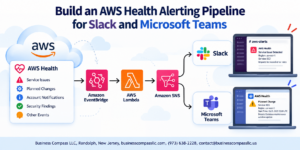
- Slack/Teams integration: Send real-time alerts to dedicated channels where teams can quickly respond
- Automated remediation: Trigger Lambda functions or runbooks that can automatically scale down resources when thresholds are exceeded
- Executive dashboards: Create visual alerts for leadership that highlight cost trends and potential issues
Integration with existing tools:
Connect cost monitoring with your existing observability stack:
- Prometheus/Grafana: Export cloud cost metrics for unified monitoring dashboards
- Datadog/New Relic: Correlate cost data with performance metrics to optimize both spending and application performance
- PagerDuty: Integrate cost alerts with incident management workflows for faster response times
Cloud cost optimization doesn’t have to feel overwhelming when you break it down into manageable strategies across AWS, Azure, and GCP. The biggest wins come from understanding what drives your costs, right-sizing your resources, and setting up proper monitoring from day one. Whether you’re dealing with compute instances that run 24/7 when they only need to work during business hours, or storage that’s accumulating without anyone noticing, small changes add up to significant savings over time.
Start with the low-hanging fruit like Reserved Instances and Savings Plans, then work your way up to automation scripts that can handle the heavy lifting for you. The key is consistency – set up cost alerts, review your spending monthly, and don’t let resources sit idle just because they’re “out of sight, out of mind.” Your finance team will thank you, and you’ll have more budget to spend on the projects that actually move the needle for your business.