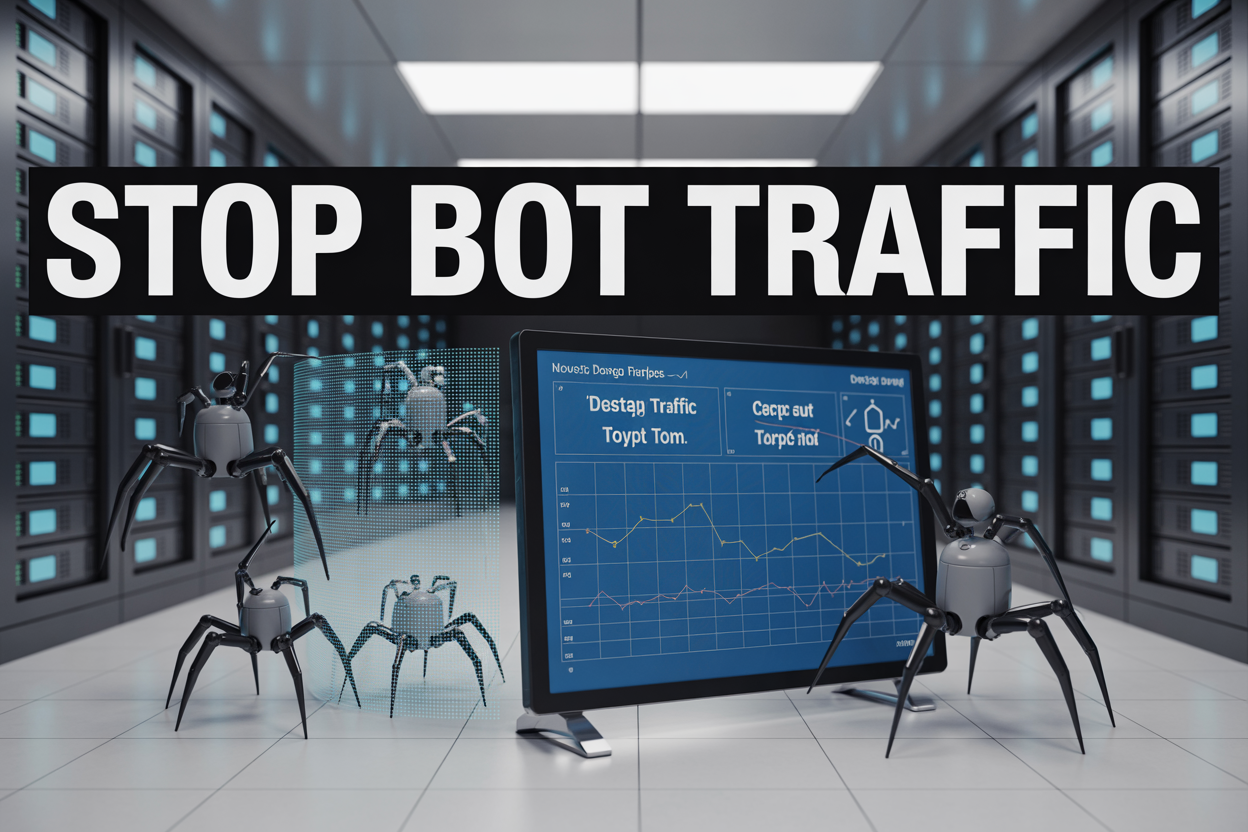
Bot traffic can secretly drain your cloud budget by consuming server resources and driving up infrastructure costs. If you’re a DevOps engineer, cloud architect, or IT manager struggling with unexplained resource spikes and escalating bills, you’re dealing with a problem that affects 40% of all web traffic.
Malicious bots and automated scripts don’t just slow down your applications—they eat through your compute, bandwidth, and storage allocations. Every fake visitor triggers the same resource-intensive processes as legitimate users, but without generating any business value.
This guide covers practical bot mitigation strategies that can cut your cloud infrastructure costs by 20-40%. We’ll walk through proven bot traffic detection methods that help you identify unwanted automated traffic before it hits your servers. You’ll also discover cloud-native solutions for bot management that integrate seamlessly with your existing infrastructure while providing real-time automated traffic filtering.
Ready to stop paying for traffic that doesn’t convert? Let’s dive into the techniques that will protect your applications and your budget.
Understanding Bot Traffic Impact on Cloud Infrastructure

Identifying Legitimate vs Malicious Bot Activity Patterns
Bot traffic detection starts with understanding the behavioral signatures that separate good bots from bad ones. Search engine crawlers like Googlebot typically follow predictable patterns – they respect robots.txt files, crawl at reasonable rates, and identify themselves with proper user agents. Social media scrapers and monitoring tools also announce their presence clearly.
Malicious bots operate differently. They often rotate user agents frequently, make requests at unnaturally high speeds, and target specific endpoints repeatedly. Watch for patterns like:
- Rapid-fire requests from single IP addresses exceeding normal human browsing speeds
- Unusual request sequences that skip typical user flows (going directly to checkout pages without viewing products)
- High-volume targeting of resource-intensive endpoints like search or API calls
- Geographically impossible patterns where the same session appears across multiple distant locations simultaneously
Content scrapers reveal themselves through systematic page crawling, while credential stuffing attacks show up as repeated login attempts with varying username/password combinations.
Measuring Actual Resource Consumption from Automated Requests
Tracking bot-driven resource consumption requires granular monitoring across your cloud infrastructure. Start by analyzing CPU, memory, and database query patterns during peak bot activity periods.
Automated requests often consume disproportionate resources because they bypass browser caching and make direct server calls. A single scraping bot can generate hundreds of database queries per minute, each requiring server processing time and memory allocation.
Key metrics to monitor include:
| Resource Type | Bot Impact | Measurement Method |
|---|---|---|
| CPU Usage | 40-60% increase during bot attacks | CloudWatch CPU utilization |
| Database Connections | Rapid connection pool exhaustion | Connection pool monitoring |
| Memory Allocation | Higher baseline usage | Memory utilization graphs |
| Network I/O | Bandwidth spikes without user growth | Traffic analysis tools |
Monitor API endpoint response times specifically, as bots often target these heavily. Database-intensive operations like search functionality can see 300-500% increased load during automated scraping sessions.
Calculating Hidden Costs of Bot-Driven Bandwidth Usage
Bot traffic creates substantial hidden costs that don’t appear in traditional analytics. While human visitors might load a page and browse for several minutes, bots request dozens of pages per second, generating massive data transfer costs.
Calculate your bot-related expenses by tracking:
Data Transfer Costs: Outbound bandwidth charges can increase 200-400% during bot attacks. If your cloud provider charges $0.09 per GB for data transfer, a persistent scraping bot downloading 100GB monthly adds $540 annually just in bandwidth costs.
Auto-scaling Triggers: Bots frequently trigger auto-scaling events, spinning up additional server instances to handle artificial load spikes. Each unnecessary scaling event costs money and creates cascading effects.
CDN Overage Charges: Content delivery networks bill for requests and bandwidth. Bots bypass typical caching benefits, creating fresh requests that bypass edge locations and hit origin servers directly.
Real-world example: An e-commerce site experienced a 45% increase in monthly AWS costs solely from scraping bots. After implementing bot mitigation strategies, they reduced infrastructure costs by $3,200 monthly while improving legitimate user experience.
Analyzing Performance Degradation from Unwanted Traffic
Bot traffic doesn’t just cost money – it actively degrades performance for real users. Automated requests compete for the same server resources, database connections, and network bandwidth that legitimate visitors need.
Performance impacts manifest in several ways:
Response Time Increases: Legitimate user requests slow down as servers process bot queries. Page load times can increase by 40-60% during heavy bot activity periods.
Database Bottlenecks: Bots often target search functionality and dynamic content, creating database query backlogs. This forces real users to wait longer for search results and product pages to load.
Memory Exhaustion: Sustained bot traffic keeps server memory occupied with processing automated requests, leaving fewer resources for actual customers.
Connection Pool Depletion: Database connection limits get reached faster when bots maintain persistent connections, causing legitimate requests to queue or fail entirely.
The ripple effects extend beyond immediate performance. Search engines penalize slow-loading sites, and frustrated users abandon pages that don’t load quickly. Studies show that each additional second of page load time reduces conversions by 7-20%, making bot-induced slowdowns directly impact revenue.
Smart monitoring reveals these patterns early. Set up alerts when response times exceed normal thresholds, and correlate performance dips with traffic pattern anomalies to identify bot-driven issues before they impact business metrics.
Essential Bot Detection and Prevention Strategies

Implementing Rate Limiting and IP-Based Filtering Systems
Rate limiting serves as your first line of defense against bot traffic detection by controlling how frequently requests come from individual sources. Set up threshold limits that block IP addresses making excessive requests within specific timeframes – typically 100-1000 requests per minute depending on your application needs. Popular tools like Nginx’s rate limiting module, AWS API Gateway throttling, or Cloudflare’s rate limiting can automatically reject suspicious traffic patterns before they consume your cloud infrastructure costs.
IP-based filtering systems work by maintaining blacklists and whitelists of known malicious addresses. Geographic filtering blocks entire regions that don’t match your user base, while reputation-based filtering uses threat intelligence feeds to identify compromised IP ranges. Configure your load balancers and CDN services to drop packets from these sources immediately, preventing them from reaching your application servers and reducing server resources consumption.
Combining both approaches creates layered protection. Start with permissive rate limits and tighten them based on traffic analysis. Monitor legitimate user patterns to avoid blocking real customers while maintaining aggressive bot mitigation strategies.
Deploying CAPTCHA and Behavioral Analysis Tools
CAPTCHA systems challenge suspicious users to prove they’re human, particularly effective during registration, login, or checkout processes. Modern invisible CAPTCHA solutions like Google’s reCAPTCHA v3 analyze user interactions without interrupting the experience. Deploy these selectively based on risk scores rather than showing them to every visitor.
Behavioral analysis tools examine mouse movements, typing patterns, scroll behavior, and page interaction sequences to identify automated traffic filtering opportunities. Machine learning algorithms detect unnatural patterns like perfect mouse trajectories, inhuman click speeds, or identical session sequences across multiple IP addresses.
JavaScript challenges test browser capabilities by requiring complex computations or DOM manipulations that headless browsers struggle with. These lightweight challenges consume minimal resources while effectively blocking simple scrapers and automated bots.
Setting up Real-Time Traffic Monitoring Dashboards
Real-time dashboards provide immediate visibility into traffic patterns, enabling quick responses to bot attacks. Configure monitoring systems that track request volumes, response times, error rates, and geographic distribution across your infrastructure. Tools like Grafana, Datadog, or CloudWatch can visualize these metrics and trigger alerts when anomalies occur.
Create custom metrics tracking bot-specific indicators: unusual user agent strings, rapid-fire requests, consistent timing intervals, and high bounce rates. Set up automated alerts that notify your team when these thresholds are exceeded, allowing for immediate cloud bot management responses.
Dashboard design should prioritize actionable insights. Display current vs. historical traffic patterns, top attacking IP addresses, most targeted endpoints, and resource consumption trends. This cloud resource monitoring approach helps teams quickly identify and respond to threats while measuring the effectiveness of their malicious bot blocking efforts.
Cloud-Native Solutions for Bot Management
Leveraging AWS CloudFront and Shield protection services
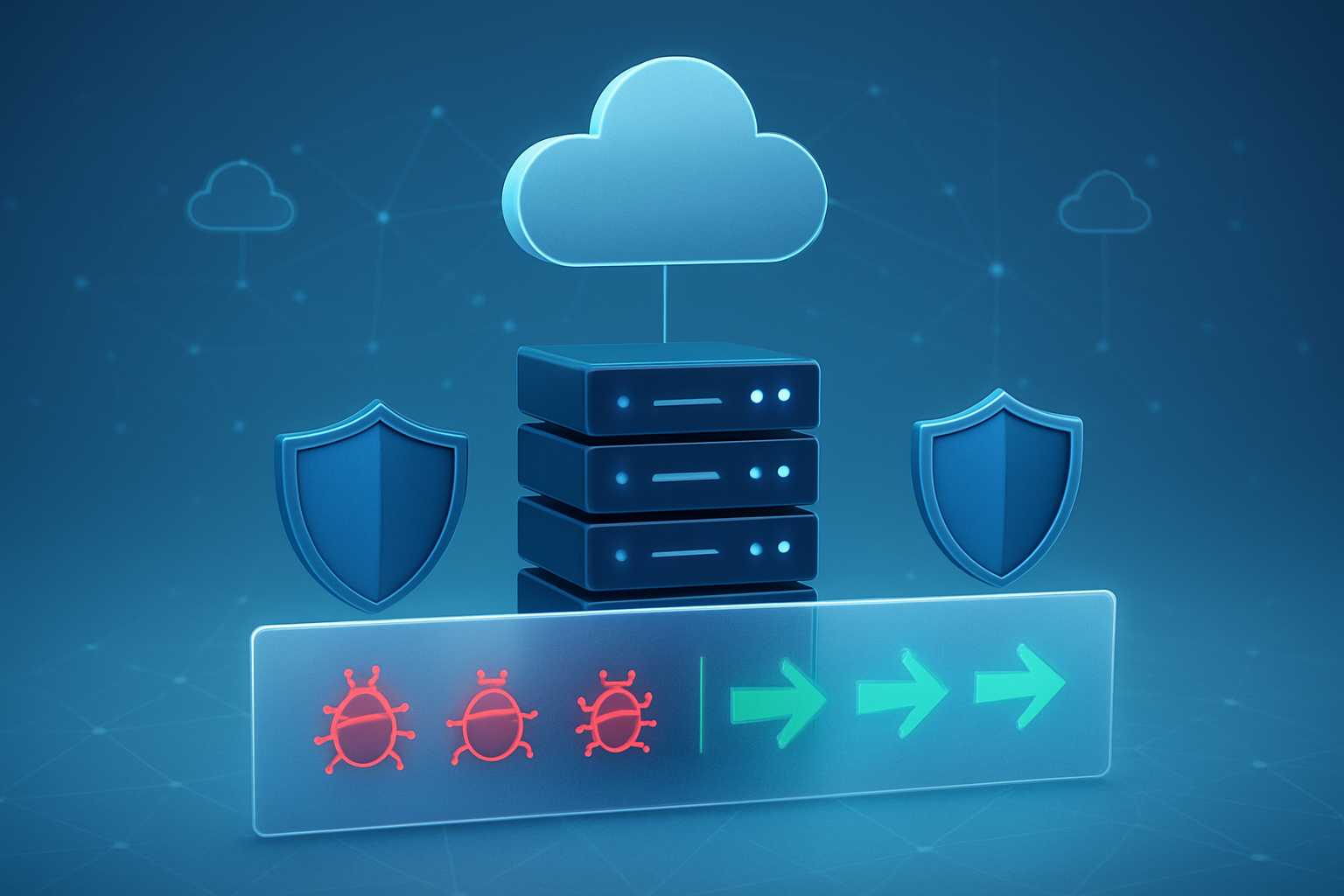
AWS CloudFront serves as your first line of defense against bot traffic detection and malicious requests before they reach your origin servers. By deploying CloudFront’s edge locations globally, you can filter out unwanted traffic at the network edge, dramatically reducing the load on your backend infrastructure and cutting cloud infrastructure costs.
AWS Shield Standard comes free with CloudFront and automatically protects against common DDoS attacks. For enhanced protection, Shield Advanced offers real-time attack visibility and 24/7 access to AWS’s DDoS Response Team. The service includes intelligent attack detection that can distinguish between legitimate traffic spikes and malicious bot attacks, preventing unnecessary scaling of your resources.
CloudFront’s Web Application Firewall (WAF) integration allows you to create custom rules for bot mitigation strategies. You can block traffic based on IP reputation, rate limiting, and behavioral patterns. The service maintains comprehensive logs that help you identify bot traffic patterns and adjust your filtering rules accordingly.
The geographic blocking feature proves invaluable when dealing with botnets originating from specific regions. By restricting access at the CDN level, you prevent malicious requests from consuming bandwidth and processing power at your origin servers.
Utilizing Google Cloud Armor for traffic filtering
Google Cloud Armor provides enterprise-grade protection against volumetric attacks and automated traffic filtering. The platform uses machine learning algorithms to analyze request patterns and identify suspicious behavior in real-time, making it particularly effective at catching sophisticated bot attacks that might bypass traditional rule-based systems.
The adaptive protection feature automatically learns your application’s traffic patterns and creates dynamic rules to block anomalous requests. This reduces the manual effort required to maintain bot prevention techniques while ensuring legitimate users aren’t affected by overly aggressive filtering.
Cloud Armor’s rate limiting capabilities allow you to set thresholds for requests per minute, hour, or day from individual IP addresses or entire subnets. When combined with Google’s global load balancing, you can distribute legitimate traffic efficiently while dropping malicious requests at the edge.
The preview mode feature lets you test new security rules without impacting live traffic, giving you confidence in your bot management configuration before full deployment. This approach minimizes the risk of accidentally blocking legitimate users while fine-tuning your defense mechanisms.
Implementing Azure Front Door security features
Azure Front Door combines CDN capabilities with robust security features designed for cloud bot management. The service’s Web Application Firewall rules can identify and block common bot signatures, SQL injection attempts, and cross-site scripting attacks before they reach your application servers.
The intelligent routing feature analyzes incoming requests and directs traffic to the healthiest backend pools. When bot attacks target specific regions or endpoints, Front Door can automatically redirect legitimate traffic to unaffected resources, maintaining service availability while reducing server resources consumption.
Azure’s DDoS Protection integration provides automatic traffic baseline learning and anomaly detection. The system establishes normal traffic patterns for your application and triggers mitigation when it detects deviations that suggest bot attacks or DDoS attempts.
Rate limiting rules can be configured per client IP, geographic region, or custom criteria. The service maintains detailed analytics showing blocked requests, top attacking IPs, and attack vectors, enabling you to refine your malicious bot blocking strategies based on actual threat data.
Configuring auto-scaling policies to handle traffic spikes
Smart auto-scaling policies prevent bot traffic from driving up your infrastructure cost optimization unnecessarily. Instead of simply scaling based on CPU or memory metrics, implement scaling rules that consider the legitimacy of incoming traffic.
Configure separate scaling groups for different traffic types, with more conservative scaling policies for endpoints commonly targeted by bots. This approach prevents malicious traffic from triggering expensive scale-up events that provide no business value.
Use predictive scaling based on historical traffic patterns rather than reactive scaling. Many bot attacks follow predictable patterns, and proactive scaling can help you maintain performance for legitimate users while avoiding the costs associated with emergency scaling during attacks.
Implement circuit breaker patterns in your scaling policies. When bot detection systems identify an ongoing attack, temporarily reduce auto-scaling sensitivity to prevent the attack from consuming additional resources. This approach maintains availability for existing legitimate sessions while limiting the financial impact of the attack.
Monitor cloud resource monitoring metrics specifically related to bot traffic, such as the ratio of successful requests to total requests, average session duration, and conversion rates. These business-level metrics provide better insights into whether scaling events are serving legitimate users or simply amplifying the impact of bot attacks.
Advanced Filtering Techniques to Reduce Resource Waste

Creating intelligent firewall rules based on traffic patterns
Smart firewall rules work like digital bouncers, analyzing incoming traffic patterns to identify and block suspicious requests before they reach your cloud resources. Traditional static rules fall short against sophisticated bots that constantly evolve their attack methods. Dynamic pattern-based filtering adapts to emerging threats by examining request frequency, payload characteristics, and behavioral anomalies.
Start by implementing rate-limiting rules that track requests per IP address across different time windows. A legitimate user might make 50 requests per hour, while bot traffic detection systems can identify automated scripts generating thousands of requests in minutes. Configure progressive throttling that temporarily blocks IPs exceeding thresholds rather than permanent bans, which could affect legitimate users behind shared networks.
Behavioral pattern analysis goes deeper than simple rate limiting. Monitor for suspicious sequences like rapid-fire login attempts, systematic directory scanning, or identical request patterns across multiple IP addresses. Modern firewalls can recognize when bots attempt to mimic human behavior with randomized delays but still maintain telltale automation signatures.
| Pattern Type | Detection Method | Action |
|---|---|---|
| Request Volume | Requests/minute tracking | Progressive throttling |
| Payload Analysis | Content fingerprinting | Block malicious payloads |
| Session Behavior | User journey mapping | Challenge suspicious sessions |
| Time-based Patterns | Access timing analysis | Temporary blocks |
Implementing geolocation-based access controls
Geographic filtering provides powerful cloud bot management capabilities by restricting access based on visitor locations. Many bot attacks originate from specific regions where hosting costs are low but legitimate traffic to your service is minimal. This approach reduces server resources by filtering traffic at the network edge before it consumes application-level processing power.
Configure geolocation rules based on your actual user base analytics. If 95% of legitimate traffic comes from North America and Europe, consider implementing stricter validation for requests from other regions rather than complete blocks. This balanced approach maintains accessibility while reducing malicious bot blocking effectiveness.
Cloud providers offer native geolocation services that integrate seamlessly with existing infrastructure. AWS CloudFront, Azure Front Door, and Google Cloud CDN can apply geographic restrictions at the edge, preventing unwanted traffic from ever reaching your origin servers. This early filtering dramatically reduces cloud infrastructure costs associated with processing and responding to bot requests.
Advanced geolocation strategies include time-zone correlation analysis. Legitimate users typically access services during reasonable hours in their local time zones, while bots often operate around the clock. Combine location data with access timing to create more sophisticated automated traffic filtering rules.
Setting up user-agent and referrer validation systems
User-agent strings and HTTP referrers provide valuable fingerprints for identifying bot traffic. Legitimate browsers send consistent, well-formed user-agent headers that match their actual capabilities and versions. Bots often use outdated, malformed, or obviously fake user-agent strings that automated traffic filtering systems can easily detect.
Build validation rules that check for common bot signatures like missing user-agent headers, generic strings like “Mozilla/5.0”, or outdated browser versions claiming modern capabilities. Cross-reference user-agent claims with actual browser behavior – a request claiming to be Chrome 120 but lacking JavaScript execution capabilities clearly indicates automated traffic.
Referrer validation adds another layer of bot prevention techniques. Legitimate traffic typically arrives from search engines, social media, or direct navigation. Suspicious referrer patterns include:
- Empty or missing referrer headers from non-direct traffic
- Referrers from known bot hosting domains
- Malformed referrer URLs
- High-volume traffic from unrelated websites
Create whitelists of legitimate referrer domains and implement graduated responses for violations. First-time offenders might receive additional challenges, while repeat violations trigger temporary blocks. This approach balances security with user experience for genuine visitors.
Deploying machine learning models for anomaly detection
Machine learning transforms bot mitigation strategies from reactive to predictive by identifying subtle patterns human administrators might miss. These models analyze massive datasets of traffic characteristics to establish baseline behaviors and flag deviations that indicate bot activity.
Supervised learning models train on labeled datasets of known bot and human traffic, learning to distinguish between legitimate users and various bot types. Features include request timing patterns, mouse movement data (when available), scroll behaviors, and interaction sequences. Cloud-native ML services like AWS SageMaker, Azure Machine Learning, and Google AI Platform provide pre-built algorithms optimized for traffic analysis.
Unsupervised learning excels at detecting new bot variants by identifying statistical outliers in traffic patterns. These models don’t rely on pre-labeled data, making them effective against zero-day bot attacks that haven’t been previously categorized. Clustering algorithms group similar traffic patterns, highlighting unusual behaviors that warrant further investigation.
Real-time inference capabilities enable immediate bot traffic detection and response. Deploy lightweight models at edge locations for sub-millisecond decision making, while more complex models run in your cloud infrastructure for detailed analysis. This tiered approach balances response speed with detection accuracy.
| ML Technique | Use Case | Response Time | Accuracy |
|---|---|---|---|
| Supervised Learning | Known bot types | 1-5ms | 95-98% |
| Unsupervised Learning | Novel attacks | 10-50ms | 85-92% |
| Ensemble Models | Comprehensive detection | 5-15ms | 97-99% |
| Deep Learning | Complex patterns | 20-100ms | 98-99% |
Regular model retraining keeps detection systems current with evolving bot tactics. Implement automated pipelines that incorporate new traffic data and adjust model parameters based on performance metrics. This continuous improvement approach maintains high detection rates as bots become more sophisticated.
Measuring Success and Cost Savings from Bot Mitigation

Tracking Bandwidth Reduction and Server Load Improvements
Monitoring bandwidth usage before and after implementing bot traffic detection systems reveals the true impact of malicious bot blocking on your cloud infrastructure costs. Set up comprehensive tracking dashboards that capture baseline metrics including daily bandwidth consumption, peak traffic patterns, and server response times. Most cloud providers offer native monitoring tools that can segment legitimate user traffic from automated requests.
Track these key performance indicators:
- Bandwidth utilization: Compare monthly data transfer costs before and after bot mitigation
- CPU usage patterns: Monitor server load distribution across different time periods
- Memory consumption: Track RAM usage spikes that often correlate with bot attacks
- Network I/O metrics: Measure inbound and outbound data transfer rates
Create automated alerts when bandwidth usage exceeds normal thresholds, helping you identify new bot attack patterns quickly. This proactive approach prevents unexpected cost spikes and maintains optimal resource allocation.
Calculating ROI from Reduced Infrastructure Scaling Needs
Quantifying the financial benefits of bot prevention techniques requires analyzing how automated traffic filtering affects your scaling requirements. Start by documenting your pre-mitigation infrastructure costs, including auto-scaling events triggered by bot traffic surges.
Calculate potential savings using this framework:
| Metric | Before Bot Mitigation | After Implementation | Savings |
|---|---|---|---|
| Monthly compute hours | 2,400 hours | 1,800 hours | 25% reduction |
| Data transfer costs | $800 | $600 | $200 monthly |
| Load balancer usage | $150 | $120 | $30 monthly |
Factor in the cost of your bot management solution against these savings. Most organizations see ROI within 3-6 months, with enterprise-level implementations often achieving 40-60% reductions in unnecessary scaling events. Document how bot mitigation strategies prevent over-provisioning during traffic spikes that turn out to be automated attacks rather than genuine user demand.
Monitoring Application Performance Improvements
Bot traffic creates cascading performance issues beyond simple resource consumption. Track application-level metrics to understand how reducing server resources dedicated to bot handling improves genuine user experience.
Monitor these critical performance indicators:
- Page load times: Measure response speed improvements for real users
- Database query performance: Track how reduced bot requests improve query execution
- Cache hit rates: Monitor improved caching efficiency when bots aren’t overwhelming systems
- Error rates: Document decreased 5xx errors after implementing cloud bot management
Application performance monitoring tools can segment user experience metrics by traffic source, making it easier to isolate improvements directly attributable to bot reduction. Real users typically experience 15-30% faster load times once bot traffic is properly filtered, leading to improved conversion rates and user satisfaction scores.
Set up automated reporting that correlates infrastructure cost optimization with performance gains, creating a comprehensive view of your bot mitigation success across technical and business metrics.

Bot traffic can seriously drain your cloud budget and slow down your infrastructure. By putting the right detection tools in place and using smart filtering techniques, you can cut unnecessary costs while keeping your real users happy. The key is setting up automated systems that catch malicious bots before they eat up your resources.
Start monitoring your traffic patterns today and implement bot management solutions that work with your existing cloud setup. Track your savings over time – you’ll be surprised how much money you can save just by blocking the bad guys. Your infrastructure will run smoother, your costs will drop, and your actual customers will get the fast, reliable experience they deserve.