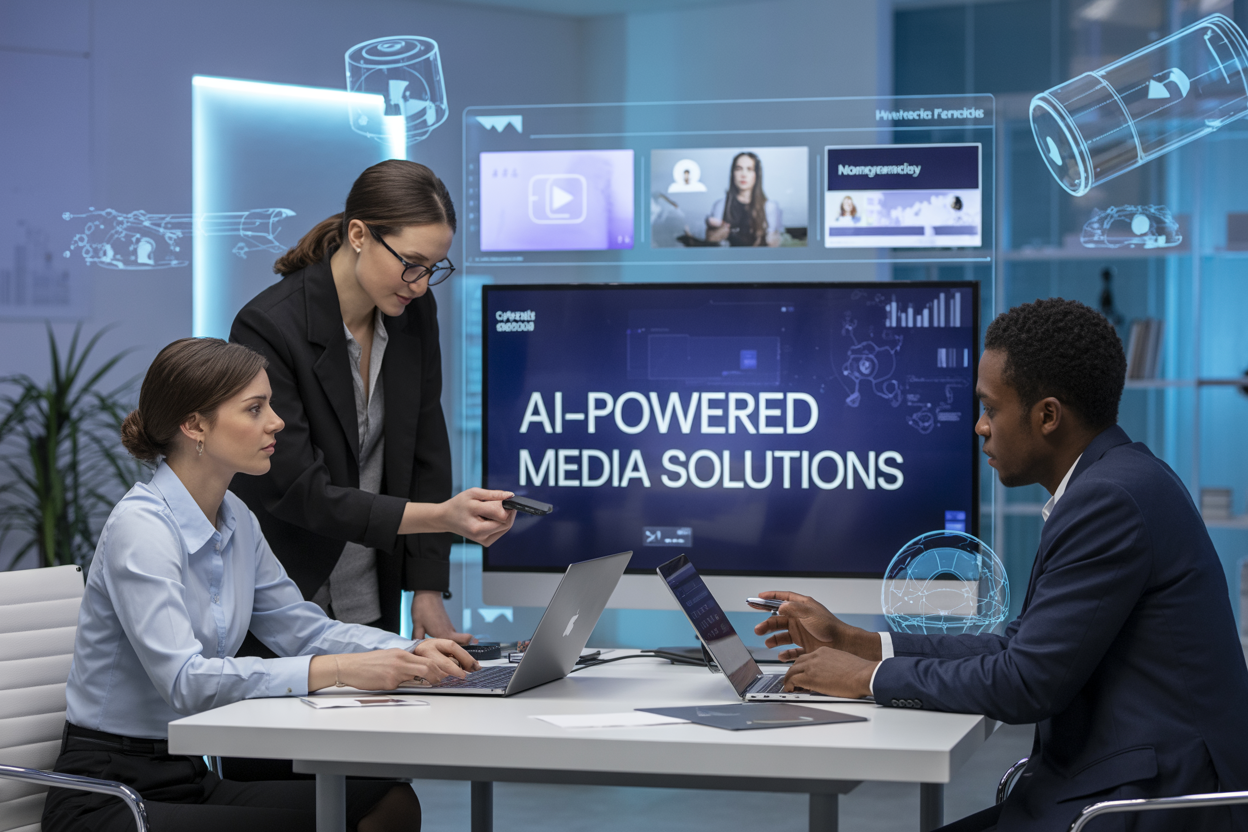
AI in media is transforming how content creators, media companies, and marketing teams produce, distribute, and profit from their work. Generative AI applications and media automation technology are no longer futuristic concepts—they’re practical tools reshaping the industry right now.
This guide is designed for content creators, media professionals, marketing managers, and business owners who want to harness artificial intelligence content generation and AI-powered media tools to stay competitive. You’ll discover actionable strategies to streamline your workflow, connect with audiences on a deeper level, and boost your bottom line.
We’ll explore how GenAI for content creation can speed up production while maintaining quality, from automated video editing to AI-generated scripts and social media posts. You’ll also learn proven AI monetization strategies that help media companies increase revenue through smarter ad targeting, subscription optimization, and audience segmentation. Finally, we’ll cover how media personalization AI creates tailored experiences that keep viewers engaged and coming back for more.
Understanding AI and GenAI Technologies for Media Applications

Key differences between traditional AI and Generative AI
Traditional AI systems excel at analyzing patterns and making predictions based on existing data. Think of recommendation engines that suggest movies based on viewing history or algorithms that categorize content by genre. These systems work with structured rules and produce consistent, predictable outputs.
Generative AI takes a completely different approach. Instead of just analyzing content, it creates entirely new material from scratch. GenAI for content creation transforms simple text prompts into articles, scripts, images, videos, and audio content that didn’t exist before. The technology learns from massive datasets to understand context, style, and creative patterns, then generates original content that matches specific requirements.
| Traditional AI | Generative AI |
|---|---|
| Analyzes existing data | Creates new content |
| Follows predefined rules | Learns creative patterns |
| Predictable outputs | Dynamic, varied results |
| Classification focus | Creation focus |
| Limited creativity | High creative potential |
Core capabilities that transform media workflows
AI in media revolutionizes how content gets produced, distributed, and consumed. Automated video editing cuts production time from days to hours by intelligently selecting the best clips, adding transitions, and syncing audio. Smart transcription services convert hours of interviews into searchable text within minutes, complete with speaker identification and timestamp markers.
Real-time language translation breaks down geographical barriers, allowing media companies to instantly adapt content for global audiences. AI content optimization analyzes viewer engagement patterns to suggest the most effective headlines, thumbnail images, and posting schedules.
Voice synthesis technology creates professional-quality narration without human voice actors, while image generation produces custom graphics, illustrations, and promotional materials on demand. These capabilities don’t just speed up existing processes – they open up entirely new creative possibilities that were previously impossible or prohibitively expensive.
Essential tools and platforms for media professionals
AI-powered media tools span every aspect of content creation and distribution. Adobe’s Creative Cloud integrates AI features like auto-reframing for social media, intelligent background removal, and content-aware fill. OpenAI’s ChatGPT and GPT-4 handle script writing, article generation, and creative brainstorming sessions.
Runway ML specializes in video generation and editing, creating professional-quality clips from text descriptions. Murf AI produces human-like voiceovers in multiple languages and accents. Canva’s Magic Design generates complete visual campaigns from brief descriptions.
For workflow automation, platforms like Zapier connect different AI tools, creating seamless content pipelines. Google’s Vertex AI provides enterprise-level machine learning capabilities for custom media applications. Each tool serves specific needs, but the real power comes from combining multiple platforms into integrated workflows.
Investment considerations and implementation roadmaps
Starting with artificial intelligence content generation requires strategic planning rather than massive upfront investment. Begin with pilot projects using existing SaaS platforms before committing to custom development. Most media companies see positive ROI within 3-6 months when focusing on high-impact, low-complexity applications first.
Budget allocation should prioritize staff training alongside technology costs. Teams need time to learn new workflows and creative processes. Start with 2-3 key use cases, master those completely, then gradually expand to additional applications.
Consider subscription costs, API usage fees, and potential scaling expenses. Cloud-based solutions offer flexibility but can become expensive at scale. Evaluate whether certain tasks justify building internal capabilities versus using external services. The key is matching investment levels to realistic adoption timelines while maintaining creative quality standards.
Revolutionizing Content Creation with AI-Powered Tools
Automated Writing and Script Generation for Faster Production
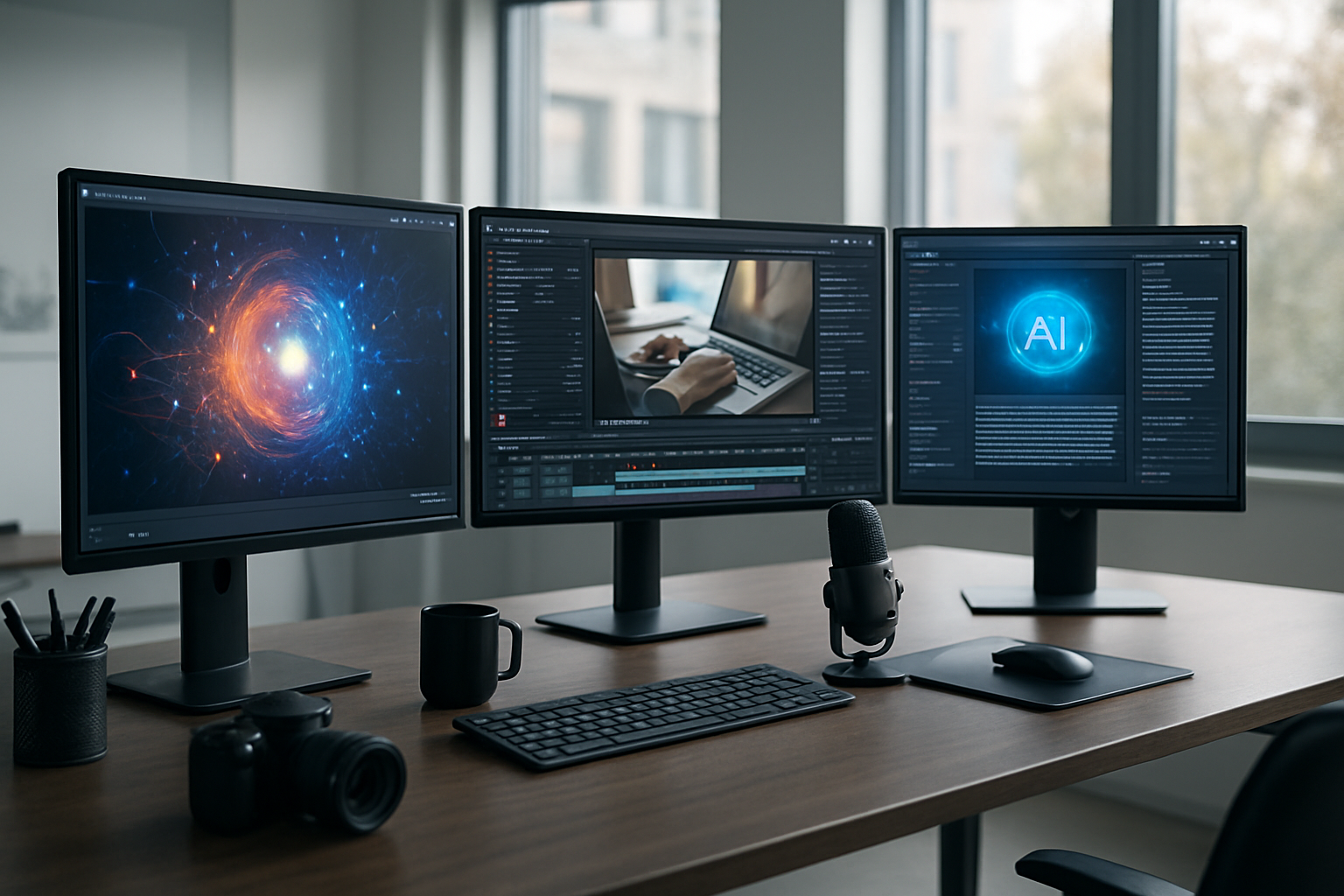
AI-powered writing tools have transformed how media companies approach content creation. GenAI for content creation platforms like GPT-4, Claude, and specialized tools such as Jasper and Copy.ai can generate scripts, articles, and marketing copy in minutes rather than hours. News organizations use these tools to create first drafts of breaking news stories, allowing journalists to focus on fact-checking and analysis rather than basic reporting structure.
Script generation has become particularly valuable for video production companies. AI can analyze successful scripts in specific genres and generate storylines, dialogue, and scene descriptions that follow proven formulas. YouTube creators and content marketers leverage these tools to produce consistent, engaging scripts for their channels while maintaining their unique voice and style.
The real advantage lies in speed and iteration. Writers can generate multiple script variations, test different angles, and refine content based on AI suggestions. This approach reduces production bottlenecks and allows creative teams to experiment with more ideas than traditional workflows would permit.
AI-Driven Video Editing and Post-Production Optimization
Video editing has experienced a massive shift with AI-powered media tools that automate time-consuming tasks. Adobe Premiere Pro’s AI features can automatically sync audio, color-correct footage, and suggest optimal cuts based on pacing algorithms. These tools analyze thousands of successful videos to recommend editing techniques that maximize viewer engagement.
Automated rough cuts save editors hours of initial assembly work. AI can identify the best moments in raw footage, remove filler words from interviews, and even suggest music that matches the video’s emotional tone. Tools like Runway ML and Pictory can transform long-form content into social media clips, automatically selecting highlights and adding captions.
Post-production optimization extends beyond basic editing. AI can upscale video resolution, remove background noise, and stabilize shaky footage without manual intervention. Color grading algorithms analyze lighting conditions and apply professional-grade corrections that would typically require specialized expertise.
Voice Synthesis and Audio Content Enhancement
Voice synthesis technology has reached near-human quality, enabling media companies to create audio content at unprecedented scale. ElevenLabs, Murf, and similar platforms can generate realistic voiceovers in multiple languages and accents, perfect for global content distribution without hiring multiple voice actors.
Podcast production benefits enormously from AI audio enhancement. Tools can remove background noise, adjust speaking pace, and even clone a host’s voice to fix pronunciation errors or add missing segments. This technology proves especially valuable for audiobook production, where consistency across long recordings becomes critical.
Artificial intelligence content generation in audio extends to music creation and sound effects. AI composers like AIVA and Amper Music can generate original soundtracks tailored to specific moods or video segments. These tools analyze the emotional arc of content and create complementary audio that enhances the viewing experience.
Visual Content Generation and Image Manipulation Techniques
Image generation has revolutionized visual content creation through tools like Midjourney, DALL-E, and Stable Diffusion. Media companies can create original artwork, promotional materials, and social media graphics without expensive photo shoots or graphic design teams. These generative AI applications produce high-quality visuals from simple text descriptions.
Photo editing and manipulation have become more accessible through AI-powered features. Background removal, object replacement, and style transfer can be accomplished with single clicks. Tools like Canva’s Magic Eraser and Photoshop’s Neural Filters democratize advanced editing techniques previously available only to skilled designers.
Real-time visual enhancement during live streaming represents another frontier. AI can apply filters, adjust lighting, and even replace backgrounds without green screens. This technology enables content creators to maintain professional visual quality regardless of their physical setup or budget constraints.
The combination of these AI-driven visual tools allows media companies to maintain consistent brand aesthetics across all content while dramatically reducing production costs and timelines.
Delivering Personalized Media Experiences at Scale

Audience Segmentation Using AI Analytics and Behavioral Data
AI transforms how media companies understand their audiences by processing massive amounts of user data to create precise segments. Machine learning algorithms analyze viewing patterns, click-through rates, time spent on content, device preferences, and social media interactions to build detailed user profiles. These systems can identify micro-segments that human analysts might miss, such as users who prefer documentary content on weekends but consume light entertainment during weeknights.
Advanced AI in media platforms track behavioral signals in real-time, adapting segments as user preferences evolve. Netflix’s recommendation system exemplifies this approach, continuously learning from user interactions to refine audience categories. The technology goes beyond demographics, focusing on psychographic and behavioral indicators that predict content consumption patterns.
Modern segmentation tools use natural language processing to analyze social media sentiment and comments, adding emotional context to user profiles. This creates opportunities for media companies to target content based on mood and current events. AI analytics can also predict churn risk by identifying users whose engagement patterns suggest they might cancel subscriptions, enabling proactive retention campaigns.
Dynamic Content Recommendation Engines for Increased Engagement
Personalized media experiences rely heavily on sophisticated recommendation engines that serve relevant content to each user. These systems use collaborative filtering, content-based filtering, and hybrid approaches to suggest videos, articles, or podcasts that match individual preferences. Deep learning models analyze content features like genre, duration, cast, and themes alongside user behavior to make accurate predictions.
Real-time recommendation engines adjust suggestions based on immediate context. If someone starts watching action movies on a Friday evening, the system recognizes this pattern and prioritizes similar content. Spotify’s Discover Weekly playlist demonstrates how AI can create entirely new content experiences by combining multiple recommendation techniques.
Advanced engines also consider external factors like trending topics, seasonal preferences, and social influences. They can boost discovery of new content while maintaining user satisfaction with familiar genres. A/B testing capabilities allow media platforms to experiment with different recommendation strategies and optimize engagement metrics continuously.
Personalized Advertising and Targeted Content Delivery
AI monetization strategies in media heavily depend on precise ad targeting and personalized content delivery. AI systems analyze user data to match advertisements with the most receptive audiences, increasing click-through rates and advertiser satisfaction. These platforms can predict which users are most likely to engage with specific product categories or brands based on their content consumption history.
Dynamic ad insertion technology uses AI to place relevant commercials within streaming content in real-time. This approach replaces traditional broadcast advertising with targeted messages that feel more natural to viewers. Programmatic advertising platforms bid on ad spaces milliseconds before content loads, ensuring each user sees the most relevant advertisements.
Media personalization AI also enables content paywalls and subscription offers tailored to individual users. Systems can identify users likely to convert to premium subscriptions and present compelling offers at optimal moments. This includes personalizing free trial lengths, pricing tiers, and feature access based on predicted lifetime value and price sensitivity.
Cross-platform integration allows media companies to create cohesive advertising experiences across mobile apps, websites, and connected TV platforms, maximizing revenue opportunities while maintaining user experience quality.
Monetization Strategies Through AI-Enhanced Media Operations

Revenue optimization using predictive analytics and pricing models
Media companies can now harness the power of AI monetization strategies to transform their pricing approaches. Advanced algorithms analyze viewer behavior patterns, competitor pricing, and market demand to recommend optimal subscription tiers and content pricing. Netflix and Disney+ already use these systems to adjust their pricing strategies across different markets, considering factors like local purchasing power and content consumption habits.
Dynamic pricing models powered by machine learning can automatically adjust rates based on real-time demand, seasonal trends, and user engagement metrics. For example, sports streaming platforms might increase prices during major tournaments while offering discounts during off-seasons. This approach typically results in 15-25% revenue increases compared to static pricing models.
Predictive analytics also help identify the perfect timing for price changes and promotional offers. AI-powered media tools can predict which subscribers are most likely to accept price increases and which ones need targeted retention offers to prevent churn.
Subscription and retention improvements through personalized experiences
Media personalization AI has become a game-changer for subscriber retention. Personalized recommendation engines increase viewing time by up to 80%, directly correlating with reduced churn rates. When users consistently find content they love, they’re far less likely to cancel their subscriptions.
Smart algorithms analyze viewing history, search patterns, and even pause/rewind behaviors to create highly targeted content suggestions. Spotify’s Discover Weekly playlist exemplifies this approach, with 40% of users listening to the entire playlist each week.
Retention strategies now include:
- Personalized pricing: Offering custom discount rates based on usage patterns
- Content alerts: Notifying users when new episodes or similar content becomes available
- Viewing reminders: AI-generated notifications for partially watched content
- Custom interfaces: Adapting app layouts based on individual user preferences
These personalized experiences typically reduce churn rates by 20-30% compared to generic approaches.
New revenue streams from AI-generated content licensing
GenAI for content creation opens entirely new monetization opportunities. Media companies can now license AI-generated music, artwork, and video content to other businesses at scale. Getty Images has pioneered this approach by creating AI-generated stock photos and licensing them to marketing agencies and small businesses.
Generative AI enables the creation of:
- Custom background music for corporate videos and presentations
- Personalized avatars and digital spokespersons for brands
- Automated voiceovers in multiple languages and accents
- Stock footage variations for different market segments
The licensing model works particularly well because AI can generate hundreds of variations from a single prompt, creating diverse content libraries that appeal to different customer segments. Some media companies report that AI-generated content licensing now accounts for 10-15% of their total revenue.
Cost reduction strategies through automated production workflows
AI content optimization dramatically reduces production costs across the media pipeline. Automated editing tools can cut video production time by 60-70%, while AI-powered audio enhancement eliminates the need for expensive studio equipment in many scenarios.
Key cost-saving applications include:
| Process | Traditional Cost | AI-Automated Cost | Savings |
|---|---|---|---|
| Video editing | $500-2000/hour | $50-200/hour | 75-90% |
| Subtitles/captions | $3-7/minute | $0.10-0.50/minute | 85-95% |
| Color correction | $200-500/hour | $20-50/hour | 80-90% |
| Audio mixing | $300-800/hour | $30-100/hour | 75-85% |
Automated content moderation systems also reduce operational costs by handling routine review tasks, allowing human moderators to focus on complex cases that require nuanced judgment.
Advertiser value enhancement through better audience targeting
Artificial intelligence content generation helps create more effective advertising experiences that benefit both viewers and advertisers. AI analyzes viewer preferences, engagement patterns, and demographic data to serve highly relevant ads, resulting in click-through rates that are 3-5 times higher than traditional targeting methods.
Advanced targeting capabilities include:
- Contextual advertising: Placing ads that match the mood and content of what users are watching
- Predictive targeting: Identifying users likely to be interested in specific products before they actively search
- Real-time optimization: Adjusting ad frequency and timing based on individual viewer tolerance
- Cross-platform tracking: Creating unified profiles across different devices and platforms
These improvements lead to higher advertising rates and better advertiser satisfaction. Publishers using AI-enhanced targeting typically command 40-60% higher CPM rates compared to basic demographic targeting, while advertisers see improved ROI from their media spend.
Overcoming Implementation Challenges and Maximizing ROI

Technical integration strategies for existing media infrastructure
Implementing AI in media requires careful planning around your current technology stack. Legacy systems often become the biggest hurdle when adopting AI-powered media tools. Start by conducting a comprehensive audit of your existing infrastructure to identify compatibility gaps and potential integration points.
API-first integration approaches work best for most media organizations. Cloud-based AI content optimization platforms can connect seamlessly with content management systems, digital asset libraries, and distribution networks without requiring complete infrastructure overhauls. Consider hybrid deployment models where AI services run in the cloud while sensitive content remains on-premises.
Data pipeline architecture becomes critical when scaling artificial intelligence content generation. Your systems need to handle increased data volumes from AI training, real-time content processing, and performance monitoring. Invest in robust ETL processes and ensure your storage solutions can accommodate both structured metadata and unstructured media files.
| Integration Approach | Best For | Timeline | Cost Impact |
|---|---|---|---|
| API-First Cloud | Small to medium teams | 2-4 weeks | Low |
| Hybrid Deployment | Enterprise with compliance needs | 6-12 weeks | Medium |
| Custom Development | Unique workflows | 3-6 months | High |
Network bandwidth and latency requirements often get overlooked during planning. GenAI for content creation processes can consume significant computational resources, especially for video and audio generation. Work with your IT team to ensure adequate bandwidth for both training data uploads and real-time content delivery.
Team training and skill development for AI adoption
Your team’s readiness directly impacts AI implementation success. Content creators, editors, and producers need hands-on training with new AI tools before full deployment. Create structured learning paths that start with basic AI concepts and progress to advanced generative AI applications.
Establish AI literacy programs covering prompt engineering, output evaluation, and creative collaboration with AI systems. Content teams should understand how to craft effective prompts for different types of AI in media applications. This includes knowing when AI-generated content meets quality standards and when human intervention becomes necessary.
Technical staff require deeper training in AI model management, fine-tuning, and integration maintenance. Consider partnerships with AI vendors for specialized training programs or hire AI specialists who can mentor existing team members.
Cross-functional collaboration becomes essential as AI touches every department. Marketing teams need to understand AI capabilities for campaign planning, while legal teams must grasp AI-generated content implications for copyright and compliance. Schedule regular cross-department workshops to align everyone on AI capabilities and limitations.
Create internal communities of practice where early AI adopters can share experiences and troubleshoot challenges. Document best practices and common pitfalls to accelerate learning across your organization.
Quality control and brand safety in AI-generated content
Maintaining brand standards with AI-generated content requires multi-layered quality control systems. Automated content screening should run before any AI-powered media tools output reaches human reviewers. Set up keyword filters, sentiment analysis, and brand guideline checks as your first line of defense.
Human oversight remains non-negotiable for media personalization AI applications. Establish clear review workflows where AI-generated content goes through editorial approval before publication. Create content scoring rubrics that help reviewers quickly assess AI output for accuracy, tone, and brand alignment.
Brand safety protocols need updating for AI-generated content. Traditional content guidelines may not address AI-specific risks like factual hallucinations, bias amplification, or unexpected output variations. Develop AI-specific brand safety checklists covering:
- Factual accuracy verification
- Tone and voice consistency
- Cultural sensitivity review
- Legal compliance check
- Source attribution validation
Version control becomes more complex with iterative AI content generation. Implement robust tracking systems that log AI model versions, input prompts, and output variations. This documentation proves invaluable for troubleshooting quality issues and maintaining consistent output standards.
Regular model performance monitoring helps catch quality degradation before it impacts published content. Set up automated alerts for unusual output patterns, declining quality scores, or brand safety violations. Schedule periodic model retraining to maintain performance as content trends and brand guidelines evolve.

AI and GenAI are reshaping how media companies create, deliver, and profit from content. These technologies offer powerful solutions for automating content production, crafting personalized user experiences, and discovering new revenue streams that were impossible just a few years ago. Media organizations that embrace these tools can significantly reduce production costs while improving content quality and audience engagement.
The path forward requires careful planning and realistic expectations about implementation challenges. Start small with pilot projects, invest in proper training for your team, and focus on areas where AI can solve your biggest pain points. The companies that move quickly but thoughtfully will gain a competitive edge in an increasingly crowded media landscape. Don’t wait for perfect solutions – begin experimenting with AI tools today and let your audience guide you toward the most impactful applications for your business.