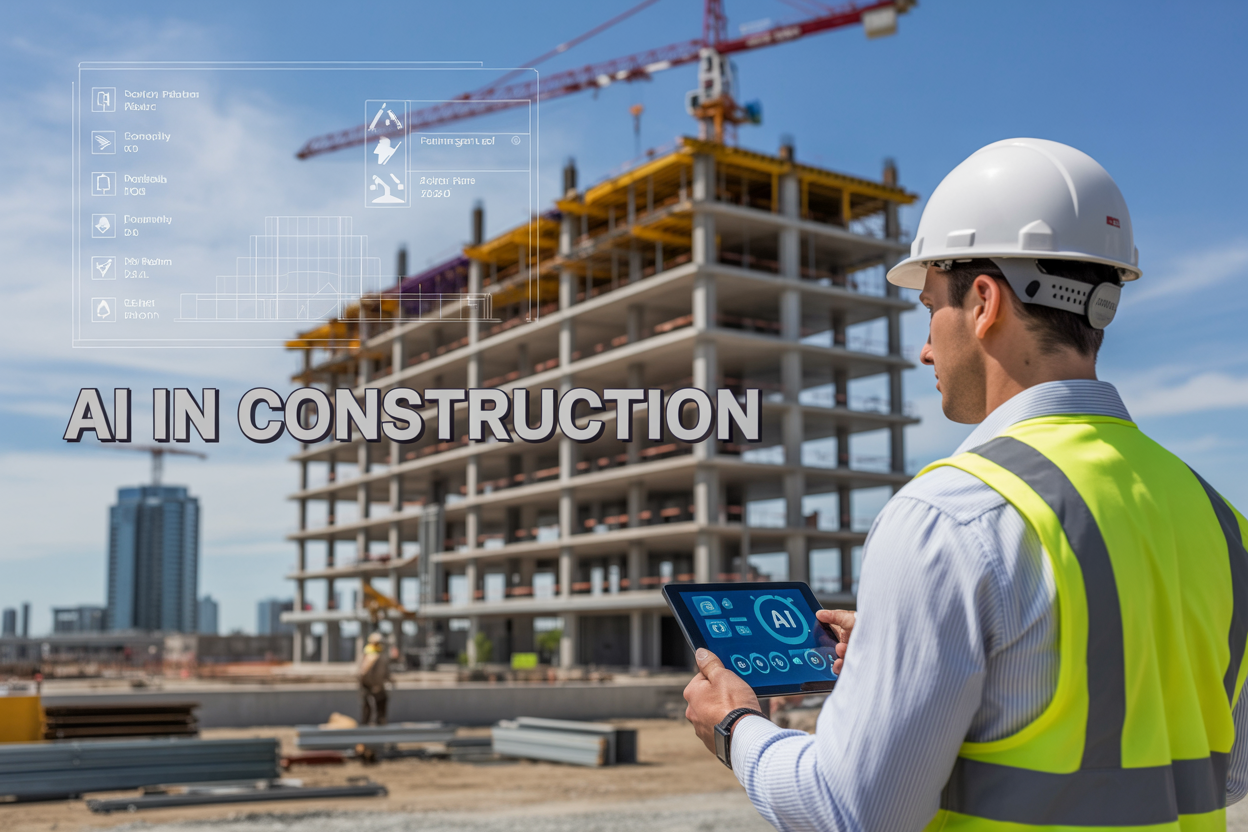
AI in construction is transforming how we build, design, and manage projects across the industry. Construction professionals, project managers, and business owners can now use artificial intelligence construction industry tools to work faster, safer, and smarter than ever before.
This guide is for construction teams ready to explore GenAI construction applications and practical AI solutions. You’ll discover how these technologies can solve real problems on your job sites and in your offices.
We’ll cover how AI construction safety systems can predict and prevent accidents before they happen, keeping your workers protected. You’ll also learn about construction design automation that speeds up planning and reduces costly errors. Finally, we’ll show you smart construction project management tools that help you deliver projects on time and under budget.
Ready to see how AI-powered construction tools can give your business a competitive edge? Let’s dive into the practical ways generative AI building design and construction automation solutions are reshaping the industry.
Understanding AI and GenAI Technologies in Construction
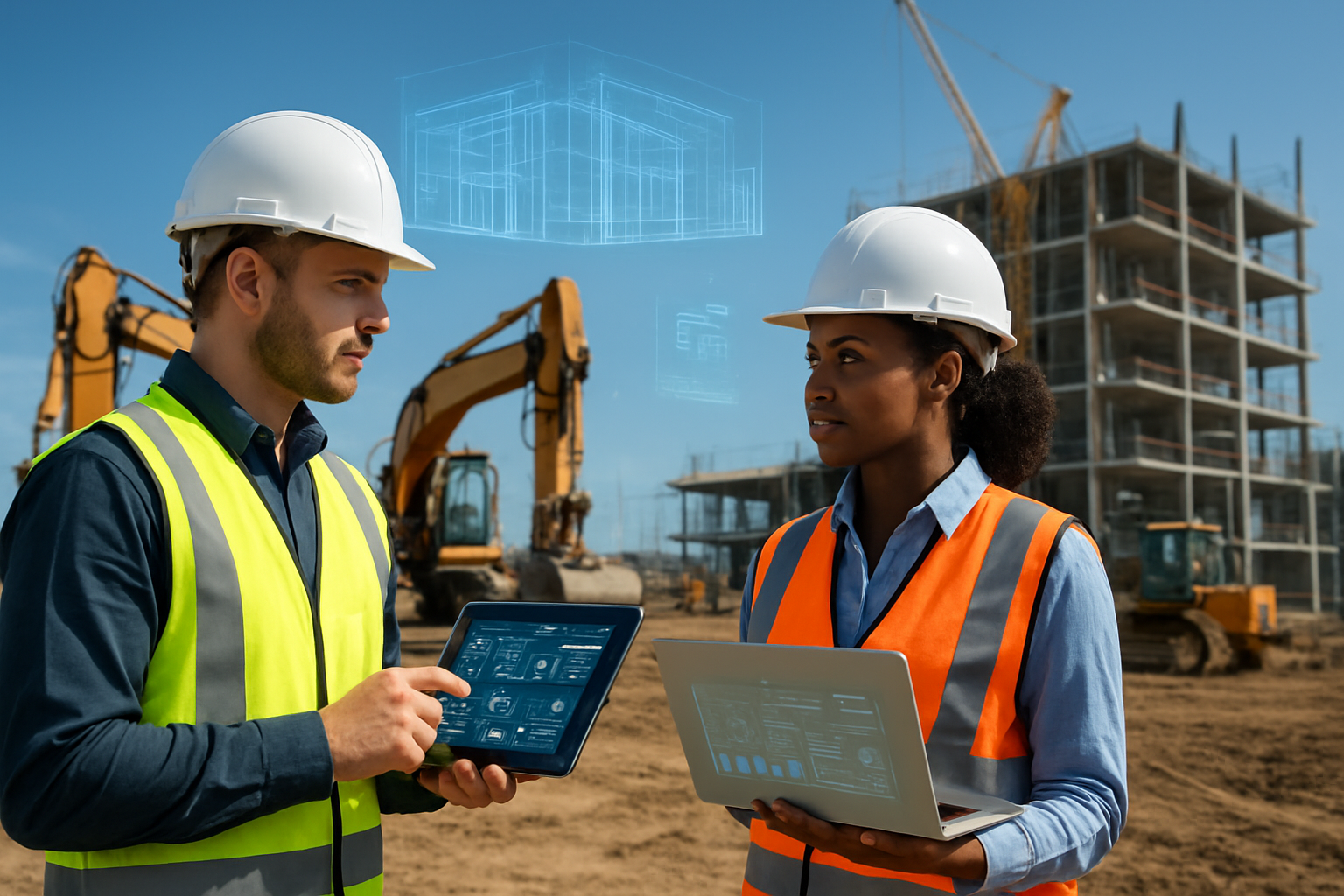
Key differences between traditional AI and Generative AI applications
Traditional AI in construction has been around for a while, focusing mainly on analyzing existing data to make predictions and automate specific tasks. These systems excel at pattern recognition, scheduling optimization, and risk assessment based on historical project information. Think of traditional AI as your really smart assistant that learns from past projects to help you avoid mistakes and optimize workflows.
Generative AI (GenAI) brings something completely different to the table. Instead of just analyzing what already exists, GenAI creates entirely new content, designs, and solutions. In construction, this means generating multiple design alternatives, creating detailed project specifications, or producing realistic visualizations from simple text descriptions. While traditional AI might tell you the best scheduling approach based on past projects, GenAI can create entirely new construction sequences or design variations you hadn’t considered.
The practical difference shows up daily in construction operations. Traditional AI powers predictive maintenance systems that alert you when equipment needs attention, while GenAI construction applications can generate complete building information models (BIM) from basic requirements or create safety protocols for unique project scenarios.
| Traditional AI | Generative AI |
|---|---|
| Analyzes existing data patterns | Creates new content and designs |
| Predicts outcomes based on history | Generates novel solutions |
| Optimizes known processes | Explores new possibilities |
| Risk assessment and scheduling | Design generation and visualization |
Current adoption rates and market trends in construction technology
The construction industry’s embrace of AI technology has accelerated dramatically over the past three years. Recent studies show that 75% of construction companies now use some form of AI-powered tools, up from just 35% in 2021. This rapid growth reflects the industry’s recognition that staying competitive requires technological advancement.
Large construction firms lead the adoption curve, with 89% of companies with over $1 billion in annual revenue implementing AI solutions across multiple project phases. Medium-sized firms are catching up quickly, particularly in areas like project management and safety monitoring. Smaller contractors often start with specific AI construction tools for cost estimation or scheduling before expanding into more comprehensive systems.
The market for AI in construction is projected to reach $7.8 billion by 2026, driven primarily by demand for construction automation solutions and smart project management platforms. Most growth comes from three key areas: design automation, safety systems, and project delivery optimization.
Regional adoption varies significantly. North American and European markets show the highest penetration rates, while Asia-Pacific regions experience the fastest growth. This geographic spread reflects different regulatory environments and varying levels of digital infrastructure maturity across construction markets.
Essential AI tools and platforms for construction professionals
Construction professionals today have access to an impressive array of AI-powered construction tools designed for different project phases and specialties. Project management platforms like Procore and Autodesk Construction Cloud integrate artificial intelligence construction industry solutions for scheduling, resource allocation, and risk prediction.
For design and planning, Autodesk’s Dreamcatcher and Spacemaker use generative AI building design capabilities to create optimized layouts and explore design alternatives. These platforms can generate hundreds of design options based on specific parameters like budget constraints, site conditions, and regulatory requirements.
Safety-focused AI construction safety systems include Smartvid.io for automated safety compliance monitoring and SiteAware for real-time hazard detection using computer vision. These tools analyze video feeds and project data to identify potential safety risks before incidents occur.
Cost estimation and bidding benefit from platforms like ALICE Technologies and ConstructConnect, which use machine learning to improve accuracy and speed up proposal processes. These systems learn from successful bids and project outcomes to refine future estimates.
Popular AI tool categories include:
- Design Generation: Autodesk Forma, Spacemaker, TestFit
- Project Management: Procore AI, Oracle Aconex, PlanGrid
- Safety Monitoring: Smartvid.io, SiteAware, Verse Solutions
- Cost Estimation: ALICE Technologies, Buildertrend, CoConstruct
- Quality Control: OpenSpace, HoloBuilder, Cupix
The key to successful implementation lies in starting with tools that address your most pressing challenges, then gradually expanding your AI toolkit as your team develops expertise with these construction technology implementation strategies.
Revolutionizing Design Processes with AI Integration

Automated 3D Modeling and Blueprint Generation
AI in construction is completely changing how architects and engineers create building designs. Instead of spending weeks manually drafting blueprints, intelligent software can now generate detailed 3D models in hours. These systems analyze project requirements, local building codes, and site constraints to produce accurate architectural drawings automatically.
Modern AI-powered construction tools scan through thousands of design patterns and regulations, creating compliant blueprints that meet specific project needs. The software considers factors like material availability, local climate conditions, and zoning requirements while generating designs. This automation cuts design time by up to 70% while reducing human errors that could lead to costly revisions.
Generative AI building design platforms can create multiple design variations simultaneously, allowing teams to explore different architectural approaches quickly. Engineers input basic parameters like square footage, intended use, and budget constraints, and the AI produces several viable options. Each design includes detailed specifications for materials, structural elements, and building systems.
Optimizing Building Layouts for Energy Efficiency and Cost Reduction
Smart algorithms analyze building orientation, window placement, and room layouts to maximize energy performance while minimizing construction costs. Construction design automation tools simulate how different configurations affect heating, cooling, and lighting needs throughout the year.
These systems calculate optimal placement for HVAC systems, electrical components, and plumbing to reduce material waste and installation complexity. AI models factor in local weather patterns, sun exposure, and seasonal temperature variations to suggest the most efficient building envelope design.
Cost optimization features compare different layout options, showing how design choices impact both construction expenses and long-term operational costs. The software identifies opportunities to reduce material usage without compromising structural integrity or functionality.
| Optimization Area | AI Capability | Cost Savings |
|---|---|---|
| HVAC Placement | Thermal modeling | 15-25% |
| Window Design | Solar analysis | 10-20% |
| Material Selection | Performance comparison | 8-15% |
| Space Planning | Efficiency algorithms | 12-18% |
Predictive Design Analysis for Structural Integrity
Artificial intelligence construction industry applications now include sophisticated structural analysis that predicts how buildings will perform under various conditions. These systems run thousands of simulations to identify potential weak points before construction begins.
AI models test designs against earthquake loads, wind forces, and environmental stresses using advanced physics simulations. The software flags areas that might need reinforcement and suggests design modifications to improve structural performance. This predictive approach prevents costly structural failures and ensures buildings meet safety standards.
Machine learning algorithms learn from past construction projects, identifying patterns that lead to structural issues. They apply this knowledge to new designs, recommending proven solutions for similar building types and environmental conditions.
Collaborative AI-Assisted Design Workflows
Teams working on complex construction projects benefit from AI systems that coordinate design efforts across multiple disciplines. These platforms ensure that architectural, structural, and MEP (mechanical, electrical, plumbing) designs work together seamlessly.
Smart construction project management tools track design changes in real-time, automatically updating related drawings when one team makes modifications. This prevents conflicts between different building systems and reduces coordination errors that typically emerge during construction.
AI assistants help team members communicate more effectively by translating technical requirements between disciplines. When an architect changes room dimensions, the system alerts mechanical engineers about HVAC adjustments and notifies electrical contractors about potential wiring modifications.
The collaborative workflow includes version control that maintains design history and tracks decision-making processes. Teams can quickly revert to previous versions if needed and understand why specific design choices were made. This transparency improves project continuity when team members change or when revisiting design decisions months later.
Cloud-based platforms enable real-time collaboration between teams in different locations, with AI ensuring that all participants work with the most current design information. The system highlights conflicts automatically and suggests resolution strategies based on project priorities and constraints.
Enhancing Construction Safety Through Intelligent Systems
Real-time Hazard Detection and Worker Monitoring
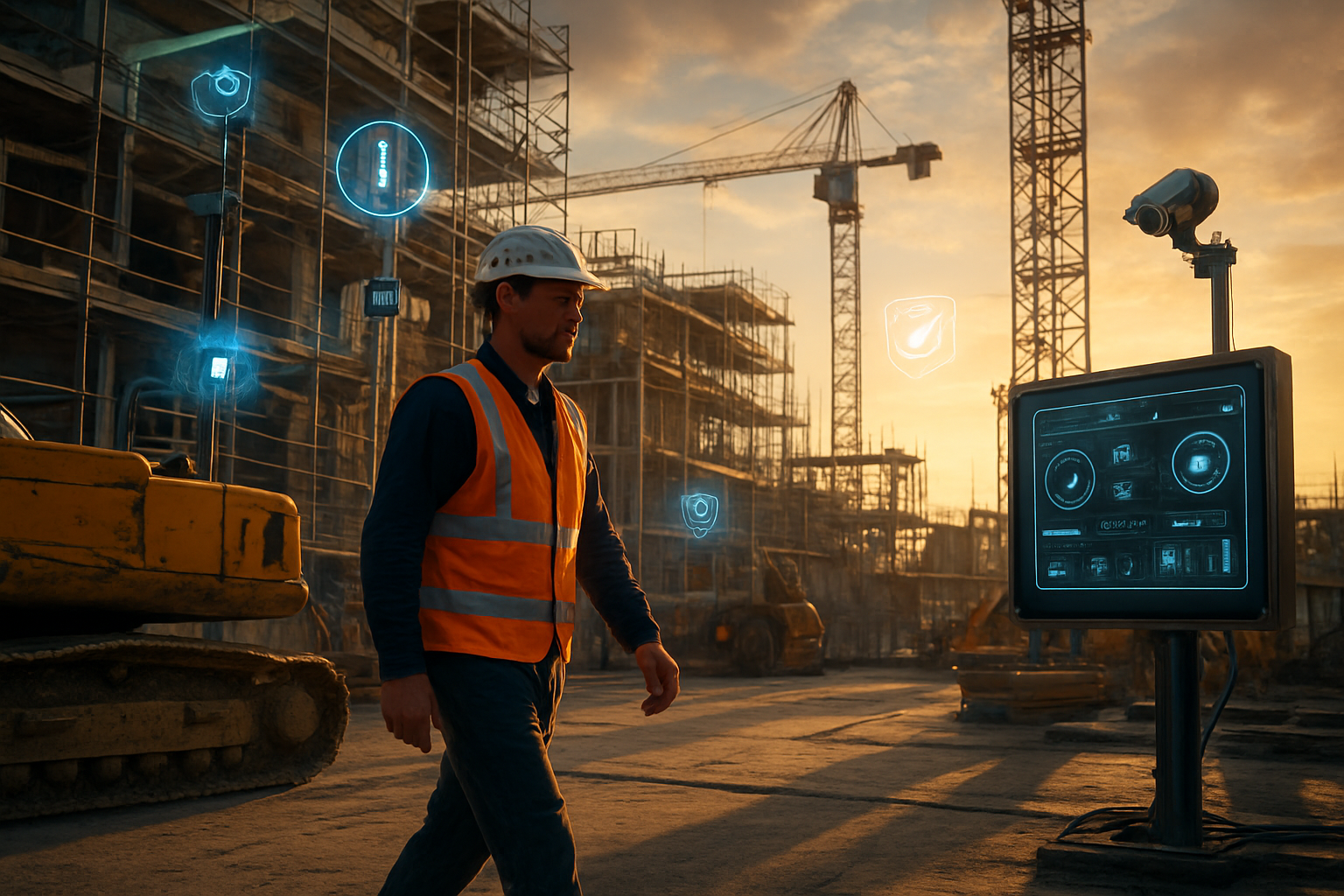
Computer vision cameras equipped with AI algorithms can spot safety violations instantly across construction sites. These systems identify workers without hard hats, unsafe climbing behaviors, or proximity to dangerous equipment zones. Smart sensors attached to personal protective equipment track vital signs, fatigue levels, and environmental exposure in real-time.
Key monitoring capabilities include:
- Automatic detection of missing safety gear
- Fall risk assessment through motion analysis
- Heat stress monitoring in extreme conditions
- Collision avoidance between workers and heavy machinery
- Unauthorized access alerts to restricted areas
AI construction safety systems create digital safety zones around equipment and hazardous areas. When workers enter these zones without proper authorization or protection, supervisors receive immediate alerts. This proactive approach prevents accidents before they happen rather than simply documenting incidents after the fact.
Predictive Maintenance for Equipment and Machinery
Machine learning algorithms analyze vibration patterns, temperature fluctuations, and operational data to predict equipment failures weeks before they occur. This prevents costly breakdowns that can halt entire projects and eliminates the safety risks associated with malfunctioning machinery.
Predictive maintenance benefits:
| Traditional Maintenance | AI-Powered Maintenance |
|---|---|
| Reactive repairs after failure | Proactive replacement before failure |
| Scheduled maintenance regardless of condition | Data-driven maintenance timing |
| Higher equipment downtime | Minimized unexpected shutdowns |
| Safety risks from equipment failure | Reduced accident potential |
Sensors installed on excavators, cranes, and other heavy equipment continuously monitor performance metrics. The AI system learns normal operating parameters and flags deviations that suggest impending problems. Construction teams can schedule repairs during planned downtime rather than dealing with emergency breakdowns.
AI-powered Safety Training and Compliance Tracking
Virtual reality training programs powered by artificial intelligence construction industry applications create realistic hazard scenarios without real-world risks. Workers practice emergency procedures, equipment operation, and safety protocols in immersive environments that adapt to their learning pace and skill level.
Digital compliance tracking automatically monitors safety certifications, training completion dates, and regulatory requirements. The system sends renewal reminders and prevents unqualified workers from accessing specific equipment or work areas. This automated approach eliminates human error in credential management.
Training program features:
- Personalized learning paths based on job roles
- Real-time performance feedback during simulations
- Progress tracking across multiple safety modules
- Integration with existing safety management systems
Emergency Response Automation and Risk Assessment
Intelligent emergency response systems activate automatically when sensors detect dangerous conditions like gas leaks, structural instability, or fire. These AI-powered construction tools immediately alert emergency services, evacuate affected areas, and guide workers to safety through digital displays and mobile notifications.
Risk assessment algorithms continuously evaluate changing site conditions throughout project phases. Weather data, soil conditions, construction progress, and worker density all factor into dynamic risk calculations. Project managers receive updated safety recommendations as conditions change, allowing for proactive adjustments to work schedules and safety protocols.
The system maintains detailed incident records and near-miss reports, identifying patterns that human oversight might miss. This data helps construction companies refine safety procedures and address recurring risk factors before they lead to accidents.
Streamlining Project Delivery with Smart Automation
Intelligent Project Scheduling and Resource Allocation
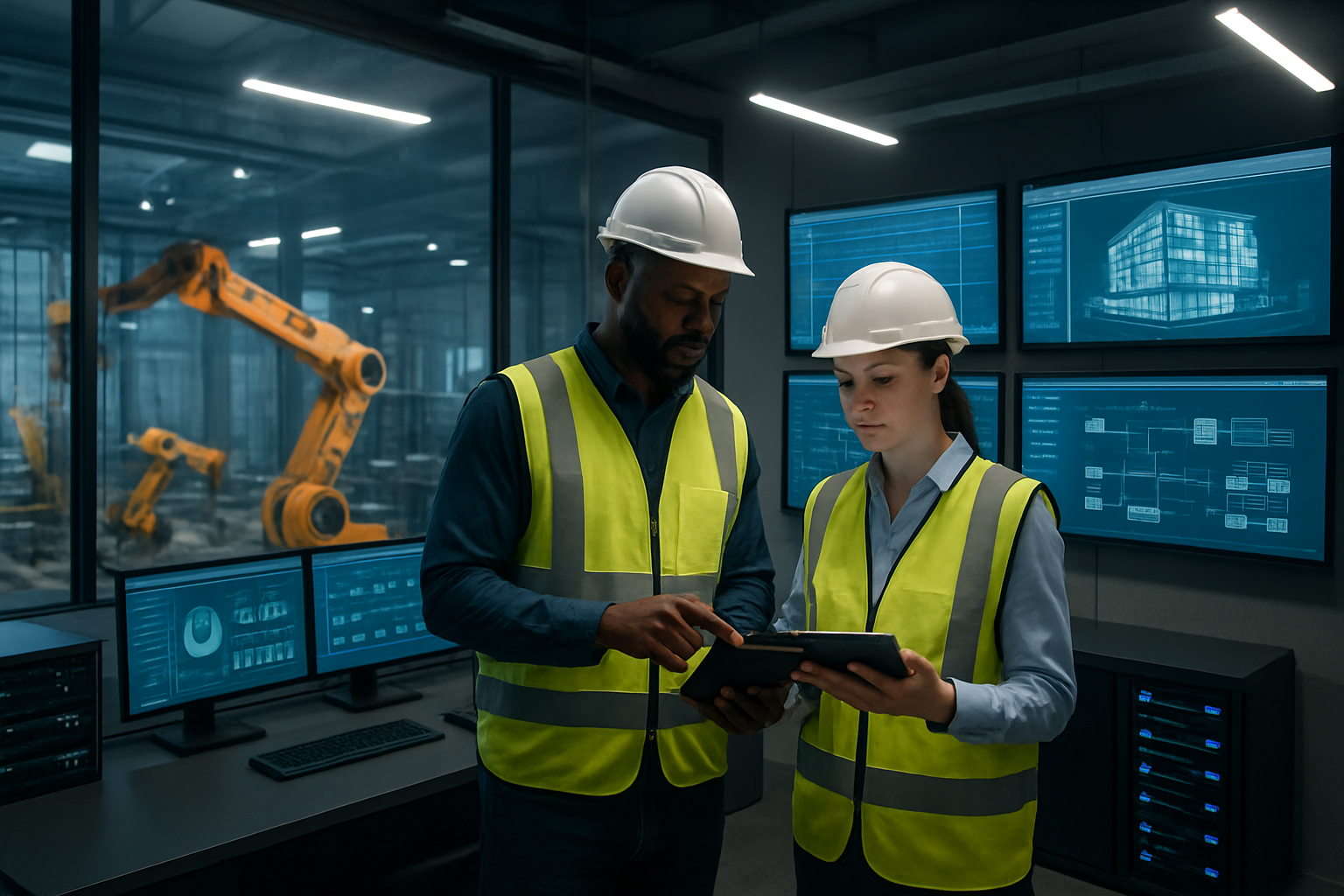
AI in construction transforms how teams plan and manage their projects by analyzing historical data, weather patterns, and resource availability to create optimal schedules. Smart construction project management systems can predict bottlenecks before they happen, automatically adjusting timelines when delays occur. These systems track worker availability, equipment usage, and material delivery windows to suggest the most efficient allocation of resources across multiple projects.
Machine learning algorithms study past project performance to identify patterns that lead to delays or budget overruns. They can recommend the ideal crew size for specific tasks, predict when certain trades should be scheduled, and even suggest alternative approaches when the original plan faces obstacles. Construction automation solutions now integrate with workforce management platforms to automatically assign workers based on their skills, availability, and proximity to job sites.
The technology also considers external factors like weather forecasts, permit approval timelines, and supplier lead times when creating schedules. This comprehensive approach reduces downtime and keeps projects moving forward efficiently.
Cost Estimation Accuracy Through Machine Learning
Traditional cost estimation relies heavily on experience and educated guesses, but AI-powered construction tools analyze thousands of similar projects to provide precise cost predictions. These systems examine material prices, labor rates, equipment costs, and regional variations to create detailed estimates that account for real-world fluctuations.
Machine learning models continuously learn from completed projects, comparing actual costs against initial estimates to improve future predictions. They can identify cost drivers that human estimators might miss, such as seasonal labor shortages or material price volatility. The algorithms also factor in project complexity, site conditions, and regulatory requirements that could impact the final budget.
| Traditional Estimation | AI-Powered Estimation |
|---|---|
| Based on historical averages | Uses real-time market data |
| Manual calculations | Automated analysis |
| Limited data points | Thousands of project comparisons |
| Static pricing | Dynamic cost modeling |
These systems can break down costs by project phase, allowing teams to understand exactly where their money goes and identify opportunities for savings. They also provide confidence intervals, helping project managers understand the range of possible outcomes and plan contingencies accordingly.
Supply Chain Optimization and Material Management
GenAI construction applications revolutionize how construction companies manage their supply chains by predicting material needs weeks or months in advance. These systems analyze project schedules, material consumption rates, and supplier performance to optimize ordering and delivery timing.
Smart inventory management prevents both material shortages and excess waste by tracking usage patterns across multiple projects. The technology can automatically reorder materials when stock levels reach predetermined thresholds and suggest alternative suppliers when primary vendors face delays.
AI algorithms also optimize delivery schedules to reduce storage costs and minimize site congestion. They coordinate with multiple suppliers to ensure materials arrive just when needed, reducing the need for on-site storage and handling. The systems track material quality and supplier reliability, building a database of vendor performance that helps with future procurement decisions.
Integration with Building Information Modeling (BIM) allows the AI to understand exactly which materials are needed for each project phase, creating precise material lists that reduce waste and prevent delays caused by missing components.
Progress Tracking and Milestone Prediction
Computer vision and IoT sensors now monitor construction progress in real-time, comparing actual work completed against planned schedules. Drones and cameras capture site conditions daily, while AI analyzes images to measure progress automatically. This eliminates the need for manual progress reports and provides accurate, objective data on project status.
Predictive analytics use this progress data to forecast completion dates for major milestones. The systems consider current productivity rates, weather forecasts, and resource availability to provide realistic timeline estimates. When projects fall behind schedule, the AI suggests recovery strategies and calculates the impact of different acceleration options.
Progress tracking technology also identifies quality issues early by comparing work in progress against design specifications. This helps teams address problems before they become costly rework situations. The continuous monitoring creates an audit trail that can be valuable for resolving disputes and improving future project planning.
These smart systems generate automated progress reports for stakeholders, complete with visual documentation and performance metrics. Project managers spend less time on administrative tasks and more time solving problems and optimizing operations.
Implementing AI Solutions in Your Construction Business
Assessing Readiness and Identifying Implementation Priorities
Starting your AI journey in construction requires a clear-eyed evaluation of where your company stands today. Begin by examining your current technology infrastructure – can your systems handle data-intensive AI applications? Look at your project management software, design tools, and communication platforms to see what upgrades might be needed.
Your team’s digital literacy plays a huge role in success. Survey your workforce to understand their comfort level with technology and identify knowledge gaps. This assessment helps you plan targeted training programs and choose AI tools that match your team’s capabilities.
Consider your most pressing business challenges when prioritizing AI in construction implementations. Are you struggling with cost overruns, safety incidents, or project delays? Start with AI solutions that directly address these pain points for maximum impact.
Financial readiness matters too. Calculate your available budget for technology investments, including software licenses, hardware upgrades, and training costs. Remember that some AI-powered construction tools offer phased implementation options that spread costs over time.
Data quality and availability form the foundation of any successful AI implementation. Audit your existing project data to determine if it’s clean, organized, and accessible. Poor data quality will severely limit your AI system’s effectiveness.
Create a priority matrix ranking potential AI applications by:
- Implementation complexity
- Expected return on investment
- Alignment with business goals
- Resource requirements
- Risk level
Start with high-impact, low-complexity solutions like automated scheduling or basic predictive maintenance before moving to more advanced applications.
Training Teams and Managing Technology Adoption
Getting your team on board with new AI technology requires more than just handing them new software. Start by explaining the “why” behind the change – how these tools will make their jobs easier, safer, and more efficient. When people understand the benefits, they’re more likely to embrace the transition.
Create a comprehensive training program that meets different learning styles. Some team members learn best through hands-on practice, while others prefer structured classroom sessions or online modules. Mix these approaches to ensure everyone gets comfortable with the new technology.
Designate “AI champions” within each department – enthusiastic early adopters who can help train their colleagues and troubleshoot issues. These champions become your internal support network and help build momentum for construction technology implementation.
Address resistance head-on by listening to concerns and providing honest answers. Many workers worry that AI will replace them, so emphasize how these tools augment human capabilities rather than replace them. Share success stories from other companies that have successfully integrated AI without job losses.
Implement changes gradually rather than all at once. Start with pilot projects on smaller jobs where teams can experiment and learn without high-stakes pressure. This approach allows you to identify and fix problems before rolling out to larger projects.
Regular check-ins during the adoption phase help identify struggling team members who need additional support. Some people need more time to adapt, and that’s perfectly normal.
Measuring ROI and Performance Improvements
Tracking the success of your artificial intelligence construction industry investments requires establishing clear baseline metrics before implementation. Document current performance levels for key indicators like project completion times, safety incidents, rework rates, and cost overruns.
Set up measurement systems that capture both quantitative and qualitative improvements. Hard numbers like reduced material waste or faster design iterations are easy to track, but don’t overlook softer benefits like improved team collaboration or better decision-making speed.
| Performance Metric | Before AI | Target Improvement | Measurement Frequency |
|---|---|---|---|
| Design Time | 4 weeks | 2 weeks | Per project |
| Safety Incidents | 12/year | 6/year | Monthly |
| Cost Overruns | 15% | 8% | Per project |
| Rework Hours | 200/month | 100/month | Monthly |
Monitor both immediate wins and long-term trends. Some AI benefits appear quickly – like automated report generation saving hours each week. Others, like predictive maintenance reducing equipment failures, may take months to show measurable results.
Calculate return on investment using total cost of ownership, including software licenses, training expenses, and implementation time. Compare these costs against measurable savings and productivity gains.
Track user adoption rates and satisfaction scores alongside performance metrics. Low adoption rates signal that additional training or tool adjustments may be needed. High satisfaction scores often correlate with better performance outcomes.
Create regular reporting dashboards that make progress visible to all stakeholders. When teams can see the positive impact of AI tools on their daily work, they become stronger advocates for continued technology investment.
Review and adjust your measurements quarterly. As your AI capabilities mature, you may want to track more sophisticated metrics or set more ambitious targets.
AI and GenAI are reshaping construction from the ground up, transforming how teams approach design, safety, and project delivery. These smart technologies help architects create better designs faster, keep workers safer on job sites, and deliver projects on time and within budget. The construction industry is moving from traditional methods to intelligent systems that can predict problems before they happen and automate repetitive tasks.
Getting started with AI in your construction business doesn’t have to be overwhelming. Start small by picking one area where you’re facing challenges, whether that’s design efficiency, safety compliance, or project scheduling. Look for AI tools that integrate with your existing workflows and provide clear returns on investment. The companies that embrace these technologies now will have a significant advantage as the industry continues to evolve and become more competitive.