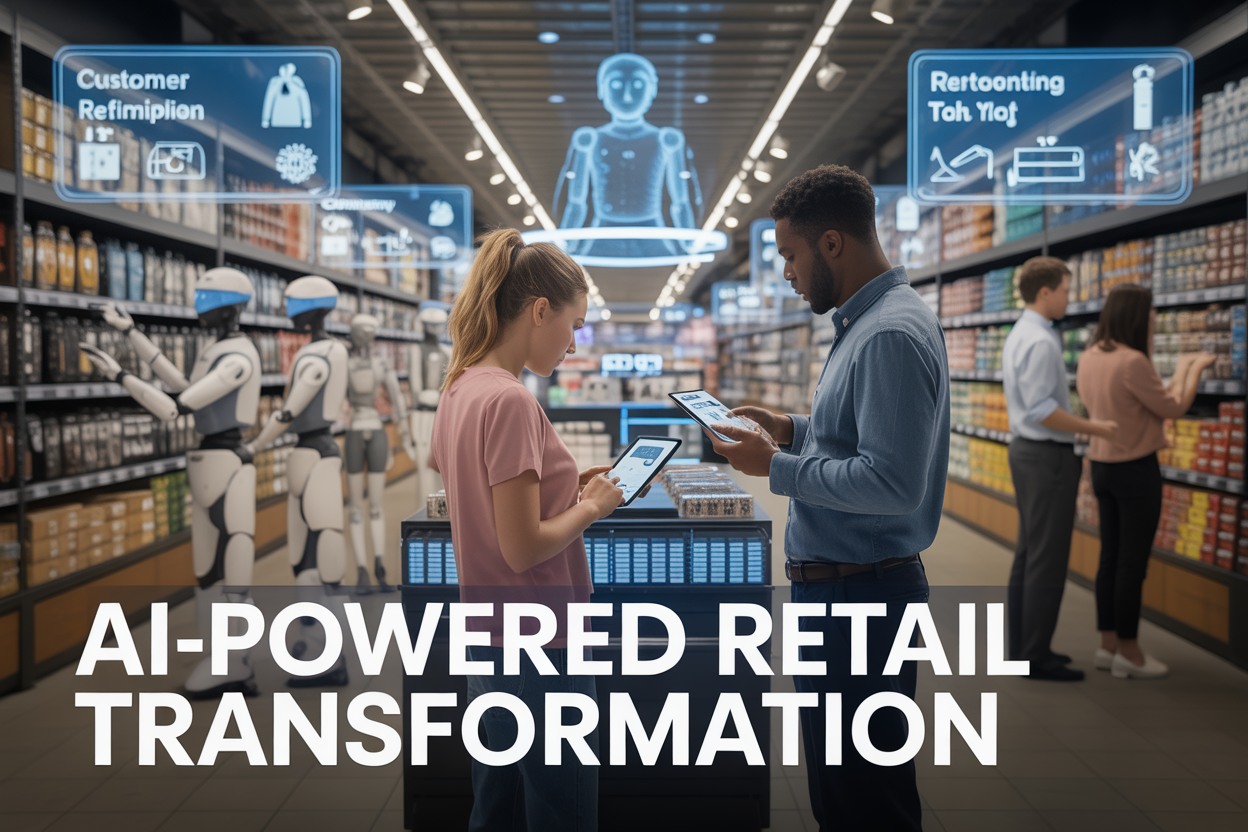
Retailers are discovering that AI in retail isn’t just a nice-to-have—it’s becoming essential for staying competitive. From small boutiques to major chains, businesses are using artificial intelligence and GenAI retail applications to create better shopping experiences and run smarter operations.
This guide is for retail managers, business owners, and decision-makers who want practical ways to implement AI without getting lost in technical jargon. You’ll learn exactly how AI can solve real problems your business faces every day.
We’ll cover how AI customer personalization can boost sales by showing shoppers exactly what they want to see. You’ll also discover how retail inventory optimization using predictive analytics helps you stock the right products at the right time, reducing waste and stockouts. Finally, we’ll explore how retail automation solutions can free up your team to focus on what matters most—building customer relationships.
Transform Customer Experience with AI-Powered Personalization
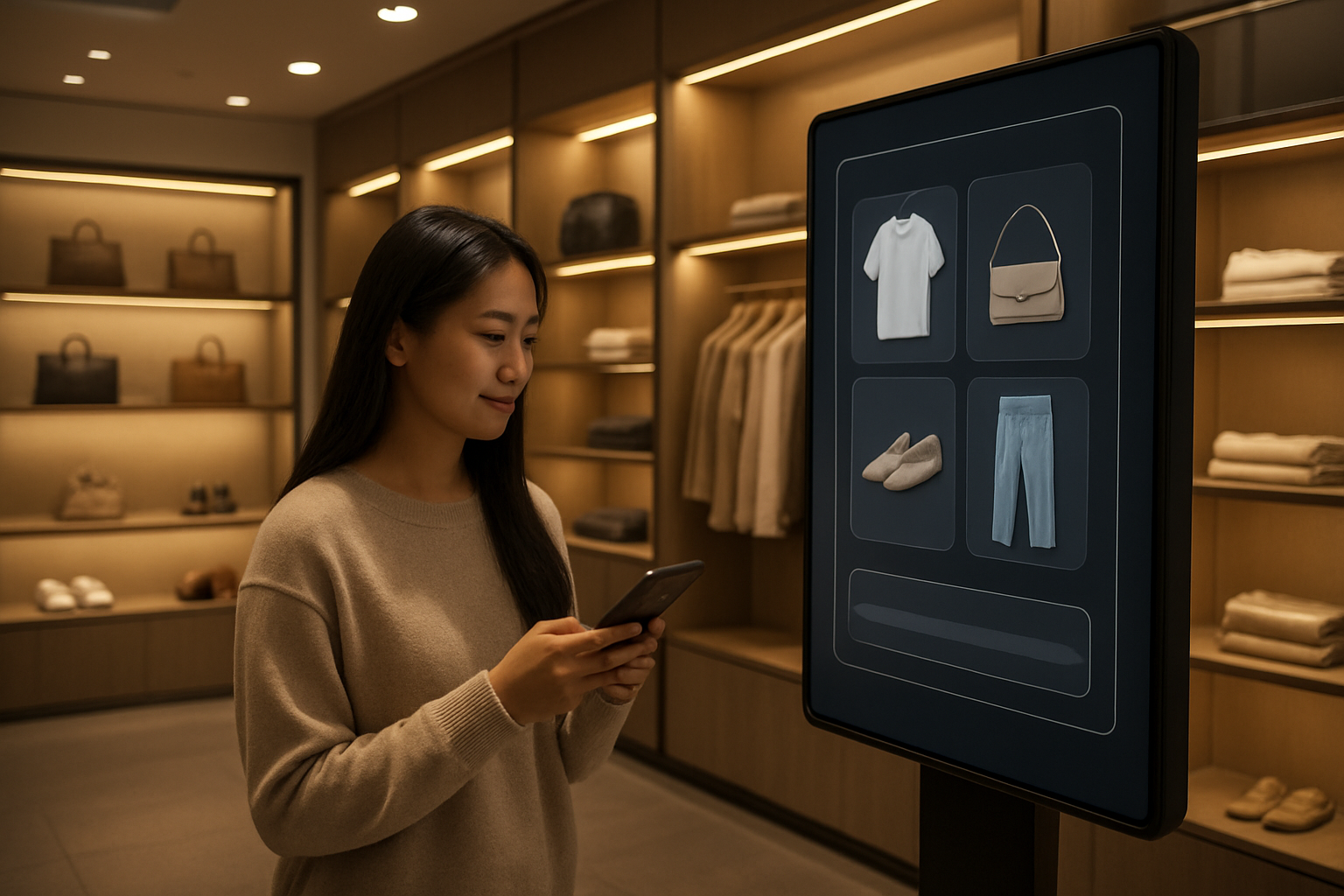
Deliver Real-Time Product Recommendations Based on Browsing Behavior
Modern AI customer personalization systems track every click, hover, and scroll to create instant product suggestions that feel almost magical. These recommendation engines analyze browsing patterns in milliseconds, considering factors like time spent on specific product pages, abandoned cart items, and seasonal preferences. The technology goes beyond simple “customers who bought this also bought that” algorithms.
Machine learning models now process real-time data streams to identify micro-moments of intent. When a customer lingers on a specific color or style, the AI immediately adjusts recommendations to match those preferences. Advanced systems even factor in weather data, local events, and trending social media topics to suggest relevant products.
The most sophisticated AI in retail platforms create dynamic user profiles that evolve with each interaction. These profiles include browsing velocity, price sensitivity, brand loyalty patterns, and purchase timing preferences. Smart retailers see conversion rate increases of 20-30% when implementing real-time recommendation systems that adapt to individual customer journeys.
Create Dynamic Pricing Strategies That Respond to Customer Demand
Dynamic pricing powered by AI transforms traditional fixed-price models into responsive, data-driven strategies. These systems monitor competitor prices, inventory levels, customer demand signals, and market conditions to adjust prices automatically throughout the day. The technology considers hundreds of variables simultaneously to find optimal price points.
Customer behavior analytics reveal price sensitivity patterns that vary by time, location, and individual purchasing history. AI algorithms identify when customers are most likely to convert at different price points, enabling retailers to offer personalized discounts that maximize both sales volume and profit margins.
GenAI retail applications now include sophisticated demand forecasting that predicts price elasticity for specific customer segments. These systems can automatically trigger flash sales when inventory levels are high or gradually increase prices when demand spikes. Smart pricing strategies also factor in customer lifetime value, offering strategic discounts to high-value customers while maintaining margin discipline with price-sensitive segments.
Implement Chatbots for 24/7 Customer Support and Query Resolution
AI-powered chatbots have evolved far beyond simple scripted responses to become intelligent conversation partners. Modern chatbots understand context, emotion, and complex product queries while maintaining natural conversation flow. They handle routine inquiries instantly while identifying complex issues that require human intervention.
Natural language processing enables these bots to interpret customer intent even when questions are vaguely worded or contain typos. They access real-time inventory data, order status, return policies, and product specifications to provide accurate answers immediately. The most advanced systems learn from each interaction, becoming more helpful over time.
Integration with customer purchase history and browsing data allows chatbots to provide personalized assistance. They can suggest sizes based on previous purchases, recommend complementary products, and even help customers navigate complex product catalogs. These AI-powered customer experience tools reduce response times from hours to seconds while maintaining high satisfaction scores.
Enhance Visual Search Capabilities for Seamless Product Discovery
Visual search technology transforms how customers find products by analyzing uploaded images or camera captures. AI algorithms identify colors, patterns, shapes, and styles to match customer photos with available inventory. This technology bridges the gap between inspiration and purchase, especially valuable for fashion and home decor retailers.
Computer vision models trained on millions of product images can recognize subtle details like fabric texture, print patterns, and design elements. Customers can photograph items they see in magazines, social media, or real life to instantly find similar products. The technology also suggests alternative options when exact matches aren’t available.
Advanced visual search systems integrate with augmented reality features, allowing customers to virtually try products or see how items look in their spaces. These retail automation solutions reduce the friction between product discovery and purchase decisions, leading to higher conversion rates and customer satisfaction. The technology continues improving as AI models process more visual data and learn to recognize increasingly nuanced product features.
Revolutionize Inventory Management Through Predictive Analytics
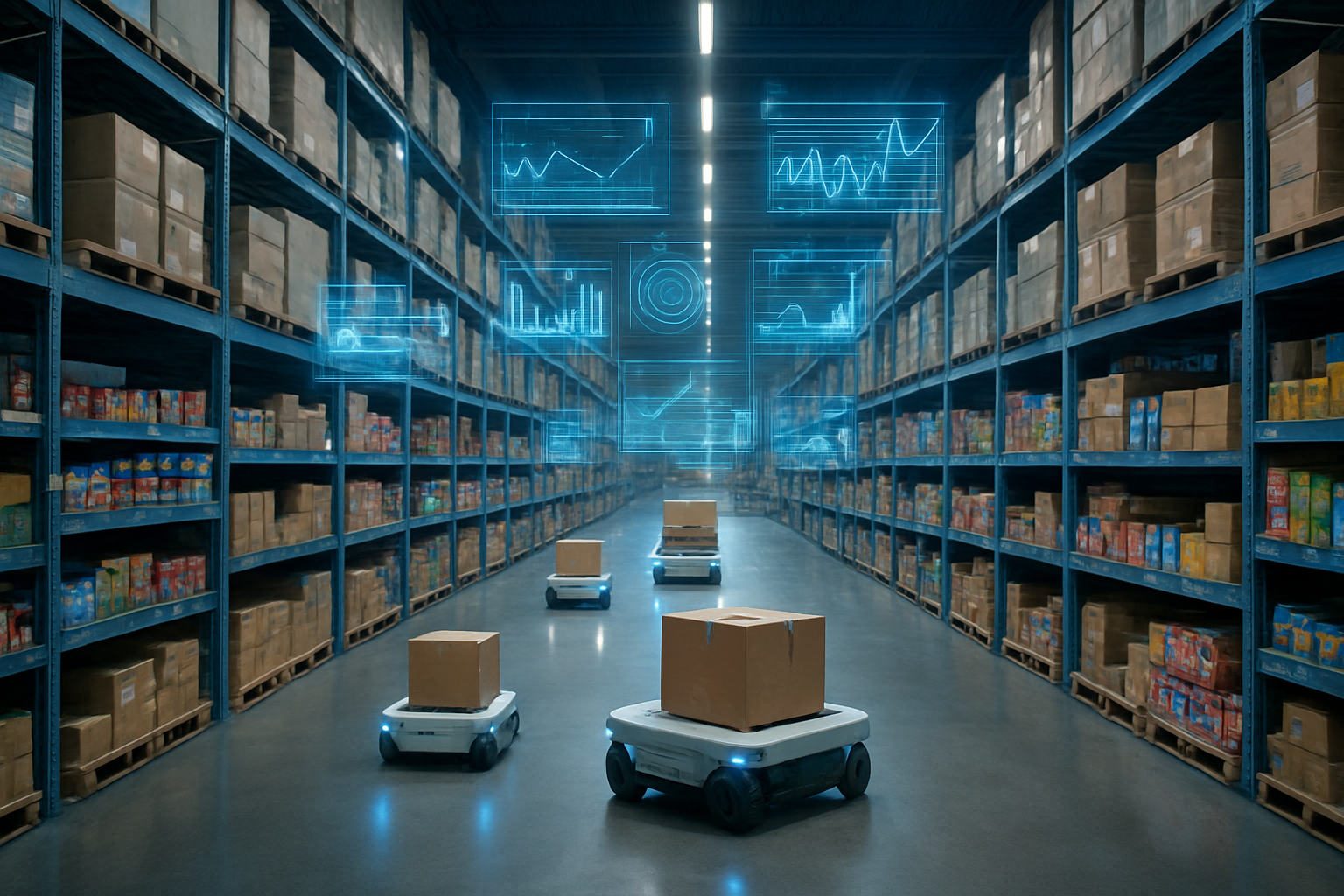
Forecast Demand Patterns Using Historical Sales Data and Market Trends
Modern AI in retail transforms how businesses predict what customers will buy and when. Machine learning algorithms analyze years of historical sales data alongside external factors like seasonal trends, economic indicators, and social media sentiment to create incredibly accurate demand forecasts.
These AI systems process massive datasets that would be impossible for human analysts to handle manually. They identify subtle patterns in customer behavior, such as how weather conditions affect ice cream sales or how social media trends drive demand for specific fashion items. The algorithms continuously learn and adapt, becoming more precise over time.
Smart retailers now use predictive analytics retail solutions that factor in local events, competitor pricing, and even demographic shifts in their trading areas. For example, if a new office complex opens nearby, the system automatically adjusts forecasts for business attire and quick lunch options. This level of sophistication helps retailers stay ahead of demand rather than simply reacting to it.
The technology also excels at predicting demand for new products by analyzing similar items’ performance and market conditions. This capability proves invaluable during product launches or when entering new markets where historical data might be limited.
Automate Reorder Points to Prevent Stockouts and Overstock Situations
Machine learning inventory management systems eliminate the guesswork from restocking decisions. These intelligent platforms continuously monitor inventory levels, sales velocity, and lead times to automatically trigger reorders at optimal moments.
Traditional reorder points rely on static calculations that don’t account for changing market conditions. AI-powered systems dynamically adjust these trigger points based on real-time data. During peak seasons, the system might increase reorder points to prevent stockouts, while during slow periods, it reduces them to minimize carrying costs.
The automation extends beyond simple quantity decisions. Modern systems determine the most cost-effective order quantities by analyzing supplier pricing tiers, shipping costs, and storage limitations. They can even split orders across multiple suppliers to optimize delivery times and costs.
Key benefits of automated reorder systems include:
- Reduced stockouts by up to 30% through proactive monitoring
- Lower carrying costs from optimized inventory levels
- Improved cash flow through better working capital management
- Enhanced supplier relationships with consistent, predictable orders
These systems also integrate with supplier systems for seamless order processing and can automatically negotiate better pricing based on order patterns and volumes.
Optimize Warehouse Layout and Product Placement for Efficiency
AI retail analytics revolutionize warehouse operations by determining the most efficient product placement strategies. These systems analyze picking patterns, product relationships, and seasonal variations to create optimal warehouse layouts that minimize travel time and maximize productivity.
Heat mapping technology tracks employee movement patterns throughout the warehouse, identifying bottlenecks and inefficient pathways. AI algorithms then suggest layout modifications that reduce picking time and improve worker safety. Fast-moving items get placed in easily accessible locations, while slow-moving products move to secondary areas.
The technology also optimizes product clustering strategies. Items frequently ordered together are positioned near each other, reducing the time needed to fulfill multi-item orders. For example, if customers often buy phone cases with screen protectors, these items should be stored in adjacent areas.
Advanced systems consider seasonal fluctuations in their recommendations. During holiday seasons, gift-related items move to prime locations, while summer products shift to prominent positions before warm weather arrives.
| Optimization Strategy | Efficiency Gain | Implementation Time |
|---|---|---|
| ABC Analysis Layout | 15-25% | 2-4 weeks |
| Dynamic Slotting | 20-30% | 4-6 weeks |
| Cross-docking Zones | 10-20% | 6-8 weeks |
Modern retail automation solutions also incorporate real-time adjustments based on current demand patterns, ensuring warehouse layouts remain optimized as business conditions change.
Streamline Operations with Intelligent Automation Solutions
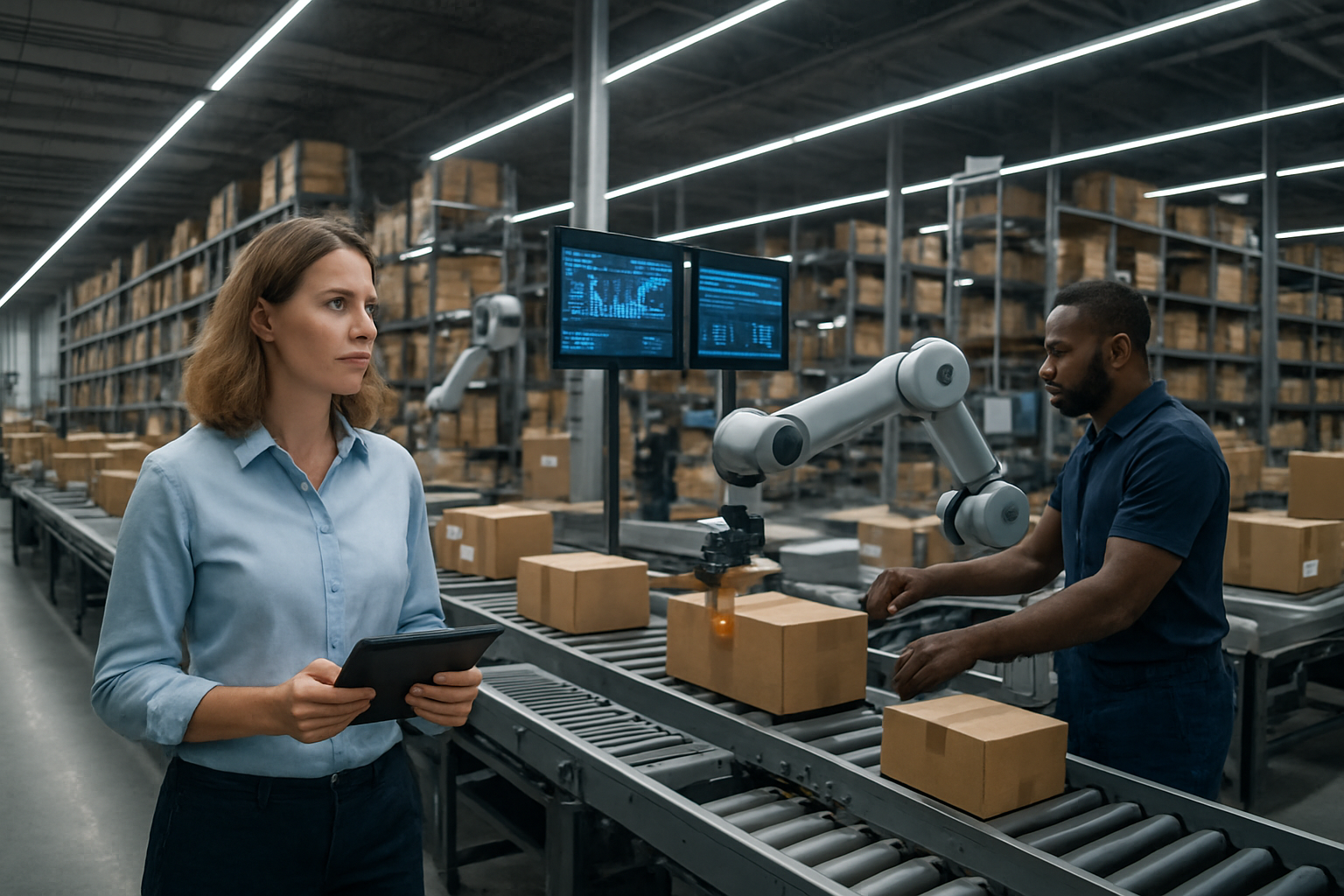
Automate Price Monitoring and Competitive Analysis Across Channels
Keeping up with competitor pricing can feel like a full-time job, but AI in retail transforms this challenge into an automated advantage. Smart pricing algorithms continuously scan competitor websites, marketplaces, and physical stores to track price changes in real-time. These retail automation solutions eliminate the manual work of checking dozens of competitors daily while providing deeper insights than humanly possible.
AI-powered tools analyze pricing patterns across seasons, promotional periods, and market events to predict optimal pricing strategies. They consider factors like inventory levels, demand forecasts, and competitor stock availability to recommend price adjustments that maximize both competitiveness and profitability. Some systems even automatically implement approved price changes across all sales channels, ensuring consistency between online stores, marketplaces, and physical locations.
The data goes beyond simple price matching. Advanced systems analyze competitor product positioning, promotional strategies, and customer reviews to provide context around pricing decisions. This intelligence helps retailers understand why competitors price products certain ways and identify opportunities for differentiation.
Enhance Supply Chain Visibility with AI-Driven Tracking Systems
Supply chain disruptions can make or break retail operations, but artificial intelligence retail strategy solutions provide unprecedented visibility across the entire network. AI-powered tracking systems monitor shipments from suppliers through warehouses to final delivery, creating a real-time map of inventory movement.
These intelligent systems predict potential delays before they happen by analyzing weather patterns, traffic data, supplier performance history, and global events. When disruptions occur, AI algorithms automatically suggest alternative routes, backup suppliers, or inventory reallocation strategies to minimize impact on customers.
Machine learning models learn from historical shipping data to identify patterns that human managers might miss. They spot which suppliers consistently deliver early or late, which shipping routes face frequent delays, and which products require special handling considerations. This knowledge helps retailers make smarter sourcing decisions and set more accurate delivery expectations for customers.
Smart sensors and IoT devices provide additional data points, monitoring temperature, humidity, and handling conditions for sensitive products. AI processes this sensor data to ensure quality standards are maintained throughout the supply chain journey.
Implement Smart Scheduling for Staff Allocation During Peak Hours
Staffing decisions based on gut feeling or last year’s schedules often lead to overstaffing during quiet periods and understaffing during busy times. AI-driven scheduling systems analyze multiple data sources to predict customer traffic patterns with remarkable accuracy.
These systems consider historical sales data, weather forecasts, local events, social media trends, and even school calendars to predict when stores will be busiest. They factor in individual employee skills, availability, and performance metrics to create optimized schedules that match the right people to the right shifts.
GenAI retail applications extend scheduling intelligence by analyzing customer feedback and interaction patterns to identify which staff members excel in specific situations. The system might schedule experienced associates during complex product launches or ensure customer service champions work during high-traffic periods.
Predictive analytics retail models also help managers understand seasonal staffing needs weeks in advance. They identify patterns like increased foot traffic during school shopping seasons or holiday preparation periods, allowing retailers to hire temporary staff proactively rather than scrambling to fill shifts.
Real-time adjustments happen automatically when unexpected situations arise. If traffic is higher than predicted, the system can suggest calling in additional staff or reallocating employees from less busy departments.
Reduce Manual Tasks Through Automated Report Generation
Report creation often consumes hours of valuable management time, but automated reporting systems handle these tasks while managers focus on strategic decisions. AI-powered analytics platforms pull data from multiple sources – POS systems, inventory databases, customer relationship management tools, and marketing platforms – to create comprehensive reports automatically.
These systems generate daily, weekly, and monthly reports on sales performance, inventory turnover, customer behavior, and operational efficiency. They highlight key trends, identify anomalies, and provide actionable insights without requiring manual data compilation or analysis.
Custom dashboards display real-time metrics that matter most to specific roles. Store managers see different data than regional directors or marketing teams, with each receiving relevant information formatted for their decision-making needs. Automated alerts notify managers when metrics fall outside normal ranges or when opportunities require immediate attention.
Advanced reporting tools use natural language generation to create narrative summaries alongside charts and graphs. Instead of just showing that sales increased 15%, reports explain potential reasons for the growth and suggest strategies to maintain momentum.
Optimize Delivery Routes for Faster Customer Fulfillment
Last-mile delivery represents the final opportunity to impress customers, and AI-powered route optimization ensures packages arrive as quickly and efficiently as possible. Intelligent routing algorithms consider real-time traffic conditions, delivery windows, vehicle capacity, and driver schedules to create optimal delivery sequences.
These systems continuously learn from actual delivery performance, adjusting routes based on which paths consistently perform better. They account for factors like apartment building access codes, customer availability patterns, and seasonal traffic variations that static routing systems miss.
Dynamic rerouting happens automatically when unexpected situations arise. If a road closure or traffic accident disrupts planned routes, AI algorithms instantly recalculate optimal paths and notify drivers through mobile apps. This flexibility prevents delays from cascading through the entire delivery schedule.
Customer experience optimization extends beyond speed to include delivery preferences and special requirements. AI systems remember which customers prefer doorstep delivery versus in-person handoffs, building these preferences into route planning for improved satisfaction and reduced failed delivery attempts.
Leverage GenAI for Enhanced Marketing and Content Creation

Generate Compelling Product Descriptions at Scale
GenAI retail applications have transformed how retailers create product descriptions, turning what was once a time-consuming manual process into an automated, scalable solution. Modern generative AI retail tools can analyze product specifications, competitor descriptions, and customer reviews to craft compelling, unique descriptions that drive conversions.
These AI-powered systems understand product features and translate technical specifications into customer-focused benefits. For a smartphone, instead of simply listing “12MP camera,” the AI generates “Capture life’s precious moments with stunning clarity that makes every photo Instagram-ready.” This approach speaks directly to customer desires rather than overwhelming them with technical jargon.
The scalability advantage becomes apparent when managing thousands of SKUs. Traditional copywriting teams might produce 20-30 descriptions per day, while AI systems generate hundreds in the same timeframe while maintaining consistent brand voice and quality. Retailers can customize tone, length, and focus areas based on product categories – technical for electronics, emotional for fashion, practical for home goods.
Smart retailers combine AI generation with human oversight, using content teams to refine and approve AI-created descriptions. This hybrid approach delivers the best of both worlds: AI efficiency with human creativity and brand understanding. The result is product content that ranks well in search engines, resonates with customers, and converts browsers into buyers.
Create Personalized Email Campaigns Based on Customer Preferences
AI customer personalization in email marketing goes beyond inserting first names into subject lines. Advanced AI marketing retail systems analyze purchase history, browsing behavior, seasonal patterns, and demographic data to craft truly personalized messages that feel like they’re written specifically for each customer.
These intelligent systems segment customers based on hundreds of variables simultaneously. A customer who bought running shoes in spring might receive emails about moisture-wicking shirts when summer approaches, while someone purchasing baby clothes gets recommendations for complementary items like strollers or car seats. The AI learns from click-through rates, purchase patterns, and email engagement to continuously refine its recommendations.
Dynamic content blocks within emails change based on individual preferences. One customer sees outdoor gear promotions while another viewing the same email template sees home decor offers. Send times optimize automatically too – some customers engage better with morning emails while others prefer evening communications.
The personalization extends to email frequency as well. AI systems identify customers who prefer weekly updates versus those who want monthly summaries, preventing unsubscribes while maximizing engagement. Advanced platforms even adjust subject line styles, emoji usage, and call-to-action language based on what historically drives the best response from similar customer segments.
Develop Dynamic Social Media Content That Resonates with Target Audiences
Social media content creation using generative AI retail tools enables retailers to maintain consistent, engaging presences across multiple platforms without overwhelming marketing teams. These systems understand platform-specific requirements, audience behaviors, and trending topics to create content that feels native to each social channel.
AI analyzes successful posts from similar brands, trending hashtags, and audience engagement patterns to suggest content themes and formats. For Instagram, it might recommend carousel posts showcasing product styling options, while for TikTok, it suggests quick tutorial videos or behind-the-scenes content that drives viral engagement.
The technology creates multiple content variations for A/B testing, generating different captions, image compositions, and posting schedules to identify what resonates best with specific audience segments. Fashion retailers might test aspirational lifestyle content against product-focused posts, while electronics stores compare technical specifications with lifestyle use cases.
| Platform | AI-Generated Content Type | Optimization Focus |
|---|---|---|
| Product styling, User-generated content | Visual appeal, hashtag strategy | |
| TikTok | Trend-based videos, Quick tutorials | Viral potential, sound trends |
| Community posts, Product launches | Engagement rates, sharing behavior | |
| Seasonal collections, Style guides | Search optimization, seasonal trends |
Real-time performance monitoring allows AI systems to adjust content strategies instantly. If video content performs better than static images for a particular audience segment, the system automatically shifts focus to video creation. This adaptive approach ensures social media strategies evolve with changing audience preferences and platform algorithms.
Implement AI-Driven Analytics for Strategic Decision Making

Analyze Customer Journey Patterns to Identify Conversion Opportunities
Understanding how customers navigate your retail ecosystem requires sophisticated AI retail analytics that track every touchpoint from awareness to purchase. Modern retail AI implementation captures behavioral data across websites, mobile apps, social media interactions, and in-store visits to create comprehensive customer journey maps. These patterns reveal critical moments where potential buyers drop off and identify specific triggers that lead to successful conversions.
Machine learning algorithms process millions of customer interactions to spot trends that human analysts might miss. For instance, customers who spend more than three minutes viewing product reviews typically convert 40% more often than those who don’t engage with user-generated content. AI systems can flag these micro-moments and automatically trigger personalized interventions like targeted offers or helpful chatbot assistance.
The real power emerges when you combine journey analysis with predictive modeling. AI can forecast which customers are most likely to abandon their carts and deploy retention strategies before they leave. Some retailers see cart abandonment rates drop by 25% when AI identifies at-risk sessions and immediately offers live chat support or limited-time discounts.
Track Performance Metrics Across Multiple Sales Channels
Multichannel retail generates massive amounts of performance data that traditional analytics tools struggle to synthesize effectively. AI-powered customer experience platforms unify metrics from e-commerce sites, mobile apps, social commerce, marketplace listings, and physical stores into single dashboards that reveal true omnichannel performance.
Real-time AI monitoring tracks key performance indicators across channels simultaneously, identifying which touchpoints drive the highest lifetime value customers. You might discover that Instagram followers who engage with your stories convert 3x better than Facebook ad clicks, or that customers who use your mobile app for in-store pickup spend 50% more per transaction than online-only buyers.
Predictive analytics retail systems go beyond historical reporting to forecast channel performance trends. These insights help retailers allocate marketing budgets more effectively and identify underperforming channels before they impact overall revenue. Advanced AI models can even predict seasonal fluctuations and recommend inventory distribution across channels to maximize sales opportunities.
| Channel Type | Key AI Metrics | Conversion Impact |
|---|---|---|
| E-commerce | Page dwell time, click-through rates | 15-30% improvement |
| Mobile App | Session duration, feature usage | 25-40% higher retention |
| Social Commerce | Engagement rate, share velocity | 20-35% increased reach |
| Physical Stores | Foot traffic patterns, heat maps | 10-25% space optimization |
Generate Actionable Insights for Store Layout and Merchandise Planning
Generative AI retail applications transform how retailers approach physical space optimization by analyzing customer movement patterns, purchase correlations, and seasonal trends. Computer vision systems track foot traffic flows throughout stores, identifying high-traffic zones and dead spaces that impact sales performance. This data feeds into AI models that recommend optimal product placements and store layout modifications.
Smart planograms powered by artificial intelligence retail strategy consider multiple variables simultaneously: product margins, seasonal demand patterns, customer demographics, and cross-selling opportunities. AI can suggest placing high-margin accessories near popular clothing sections or repositioning seasonal items based on weather forecasts and local events.
Inventory placement becomes strategic when AI analyzes historical sales data alongside real-time customer behavior. The technology might recommend moving slow-moving inventory to high-visibility areas during specific hours when target demographics typically shop. Some retailers report 15-20% increases in per-square-foot revenue after implementing AI-driven layout optimizations.
Advanced AI systems also predict optimal merchandise assortment for different store locations based on local preferences, demographic data, and competitive landscape analysis. This hyperlocal approach ensures each location stocks products most likely to resonate with its specific customer base.
Monitor Brand Sentiment and Customer Feedback in Real-Time
AI-powered sentiment analysis processes thousands of customer reviews, social media mentions, and feedback forms simultaneously to provide instant brand health insights. Natural language processing algorithms detect subtle emotional cues in customer communications that human teams might miss, identifying emerging issues before they become widespread problems.
Real-time monitoring systems track sentiment shifts across multiple platforms, alerting managers when negative feedback spikes or positive sentiment trends emerge. These early warning systems help retailers respond quickly to product quality issues, shipping delays, or customer service problems before they escalate into larger reputation crises.
GenAI tools can analyze unstructured feedback to identify specific improvement opportunities and generate recommended responses for customer service teams. The technology recognizes patterns in complaints and suggestions, helping retailers prioritize which issues will have the greatest impact on customer satisfaction when addressed.
Competitive sentiment analysis provides additional strategic value by monitoring how customers discuss rival brands and products. This intelligence helps retailers identify market gaps and positioning opportunities that differentiate their offerings in crowded markets.
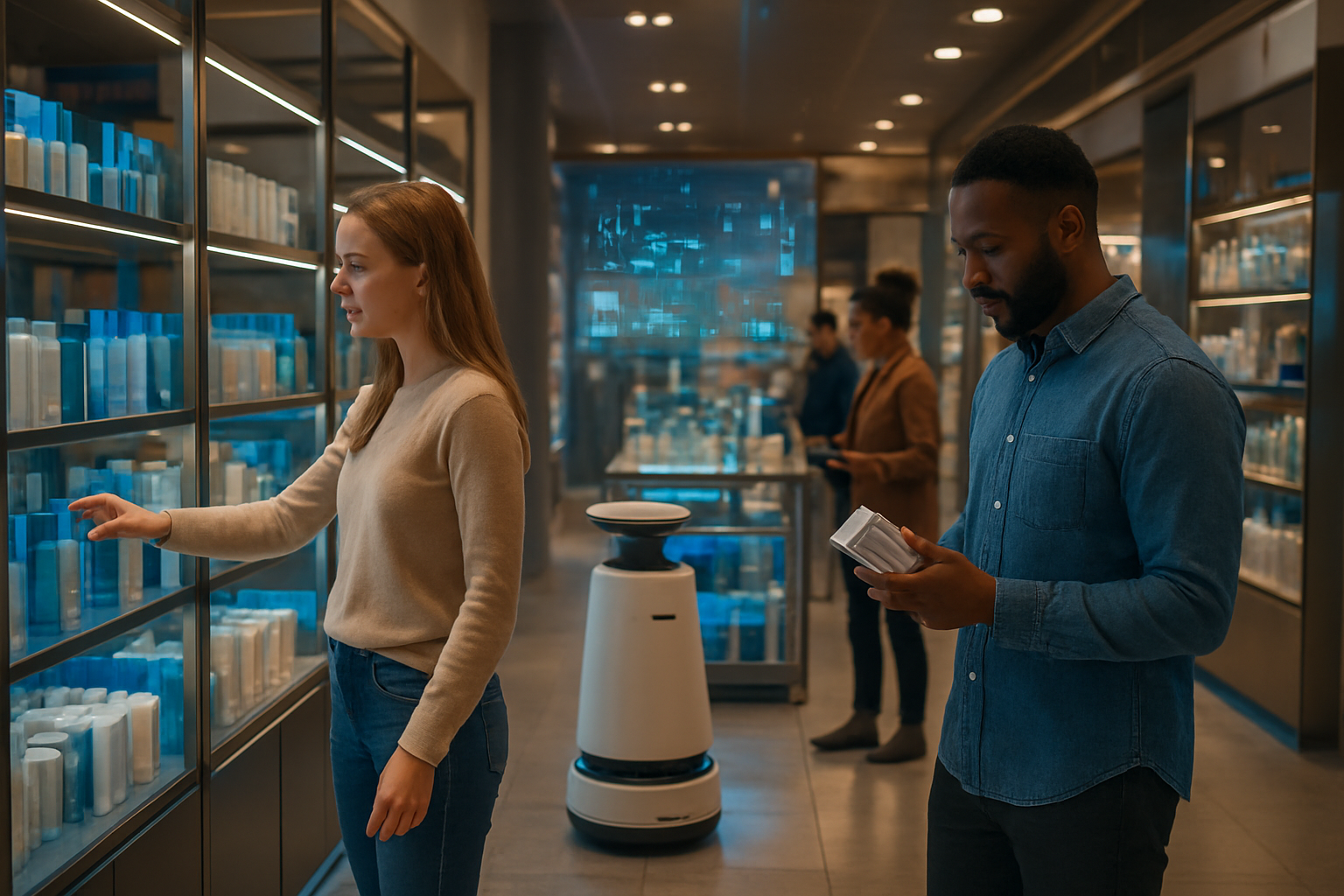
AI is reshaping retail in ways that seemed impossible just a few years ago. From creating personalized shopping experiences that make customers feel truly understood to predicting inventory needs before stockouts happen, these technologies are solving real business challenges. Smart automation is freeing up your team to focus on what matters most while GenAI creates compelling marketing content that resonates with your audience. The data-driven insights from AI analytics are helping retailers make smarter decisions faster than ever before.
The retailers who embrace these AI tools now will have a significant advantage over those who wait. Start small with one area that impacts your business most – whether that’s personalizing customer interactions or optimizing your inventory management. As you see the results, you can expand AI’s role across other parts of your operation. The future of retail is here, and it’s powered by AI that works alongside your team to create better experiences for everyone.