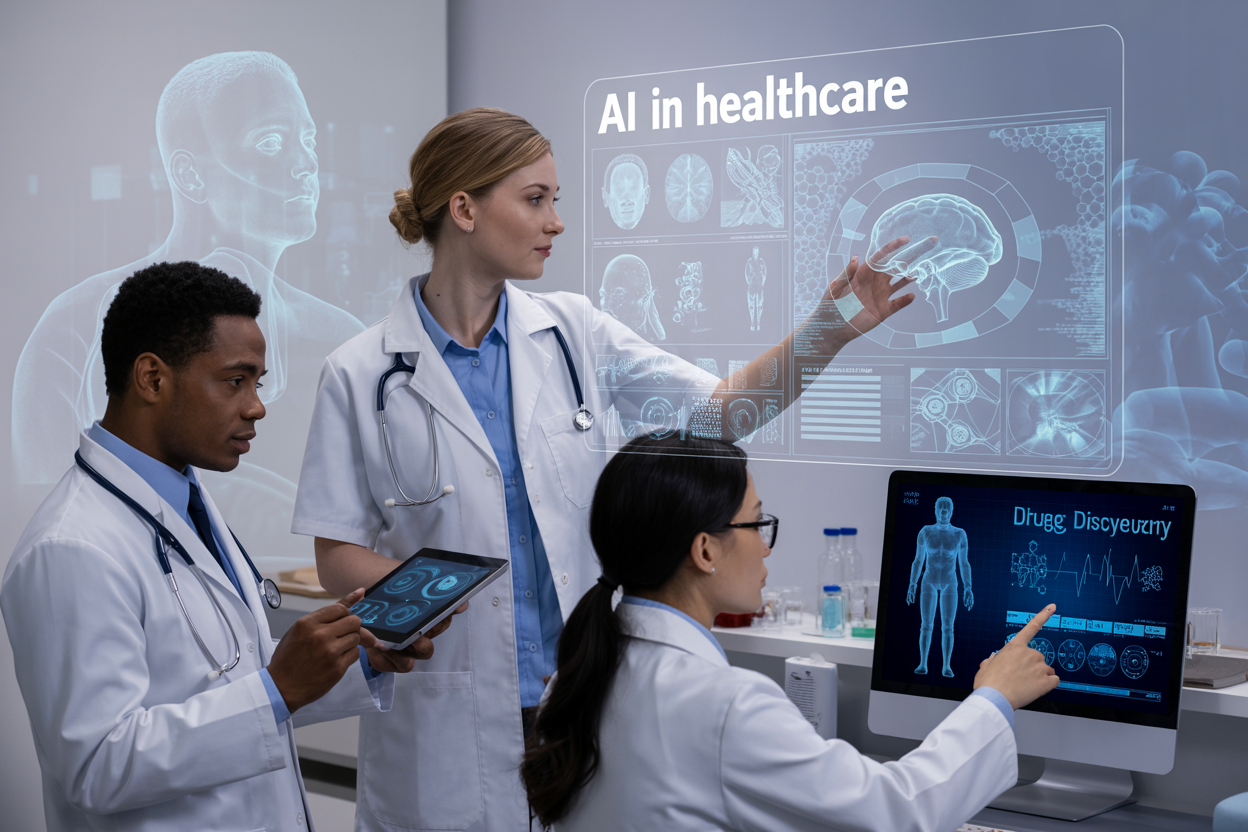
Artificial intelligence is changing how doctors diagnose diseases, analyze medical images, develop new treatments, and care for patients. Healthcare professionals, medical researchers, and hospital administrators can now use AI in healthcare to make faster, more accurate decisions that save lives and reduce costs.
This guide is designed for healthcare workers wanting to understand practical AI applications, technology leaders planning AI implementation, and medical professionals curious about how artificial intelligence medical diagnosis and machine learning healthcare tools can improve their daily work.
We’ll explore how AI diagnostic tools are making medical diagnosis more precise and catching diseases earlier than ever before. You’ll discover how AI medical imaging is helping radiologists spot problems in X-rays, MRIs, and CT scans with superhuman accuracy. We’ll also cover how generative AI drug discovery is speeding up the development of new medications from decades to just a few years.
Transform Medical Diagnosis with AI-Powered Precision
Accelerate Pattern Recognition in Complex Medical Data
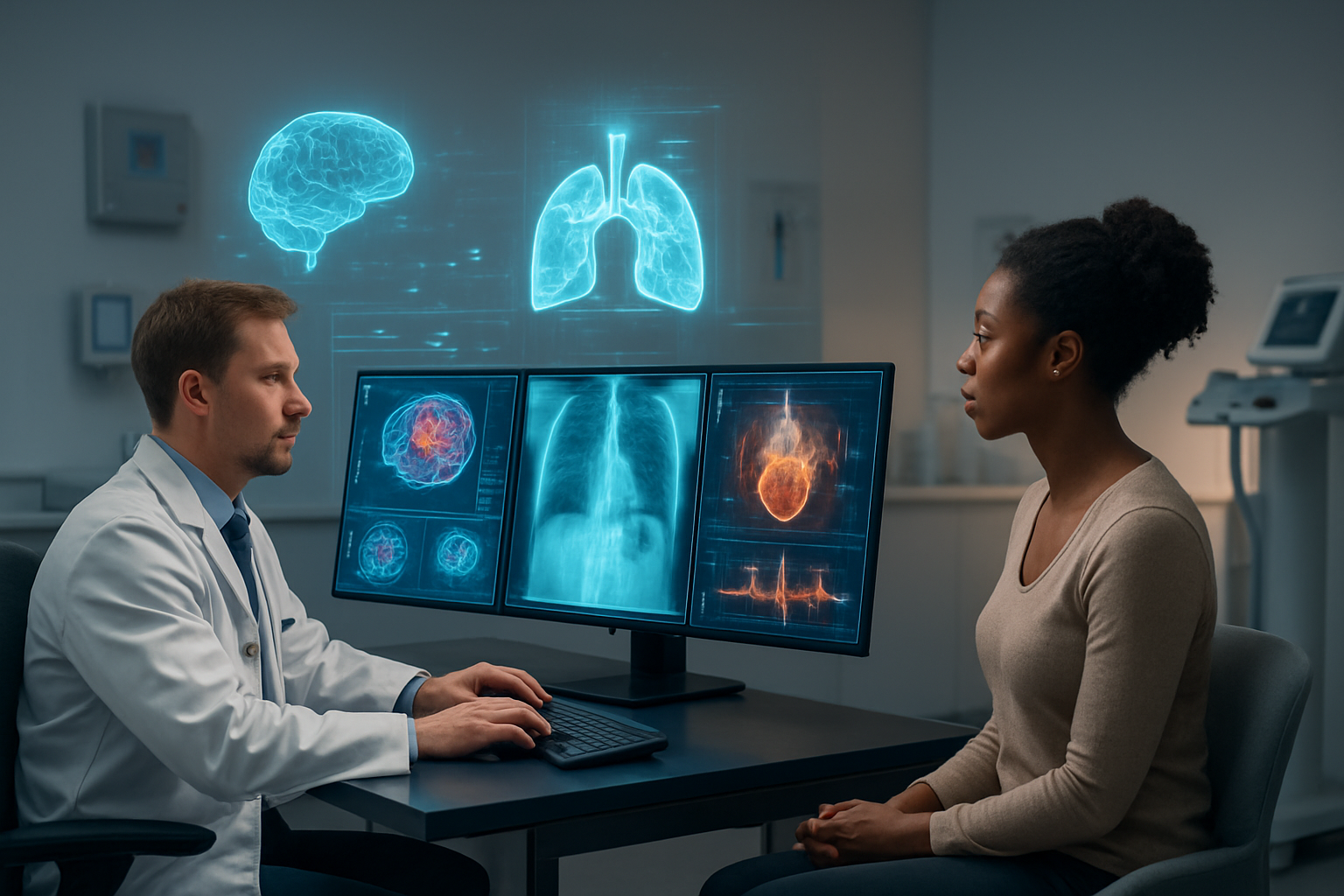
Artificial intelligence medical diagnosis systems excel at spotting patterns human doctors might miss in massive datasets. Machine learning algorithms can process thousands of patient records, lab results, and medical histories simultaneously, identifying subtle correlations that indicate specific conditions or disease progressions.
Modern AI diagnostic tools analyze electronic health records, genomic data, and biomarker information with incredible speed and accuracy. These systems compare patient symptoms against vast databases of medical knowledge, cross-referencing millions of cases to suggest potential diagnoses. The technology proves especially valuable when dealing with rare diseases or complex multi-system disorders where symptoms overlap across multiple conditions.
Healthcare providers now use AI to interpret complex data patterns in real-time during patient consultations. The systems flag unusual combinations of symptoms, lab values, or vital signs that might suggest underlying conditions requiring immediate attention. This capability transforms how medical professionals approach differential diagnosis, giving them data-driven insights that complement their clinical expertise.
Reduce Diagnostic Errors Through Machine Learning Algorithms
Machine learning healthcare applications significantly decrease misdiagnosis rates by providing consistent, evidence-based analysis. Unlike human cognition, which can be influenced by fatigue, cognitive bias, or information overload, AI systems maintain consistent performance standards regardless of workload or time constraints.
These intelligent diagnostic tools serve as a second opinion system, alerting physicians to potential oversights or alternative diagnoses. When doctors input patient data, the AI cross-checks against established medical protocols and best practices, highlighting any discrepancies or suggesting additional tests that might clarify ambiguous presentations.
Studies show that AI-assisted diagnosis reduces false positive and false negative rates across multiple medical specialties. The technology excels at standardizing diagnostic criteria and ensuring comprehensive evaluation of all relevant factors. Emergency departments particularly benefit from these systems, where quick decisions under pressure can sometimes lead to diagnostic shortcuts.
Enable Early Disease Detection with Predictive Analytics
Healthcare AI applications now predict disease onset months or years before symptoms appear. Predictive analytics examine patient data trends, genetic predispositions, lifestyle factors, and environmental exposures to calculate disease risk probabilities. This proactive approach shifts healthcare from reactive treatment to preventive intervention.
Cancer screening programs use AI to identify high-risk patients who need more frequent monitoring or additional testing. Cardiovascular prediction models analyze blood pressure trends, cholesterol levels, and family history to flag patients at risk for heart attacks or strokes. Diabetes prediction algorithms examine glucose patterns, weight changes, and metabolic markers to identify pre-diabetic conditions.
These predictive models enable personalized screening schedules and targeted prevention strategies. Patients receive customized health recommendations based on their individual risk profiles, leading to earlier interventions and better outcomes. Healthcare systems can also allocate resources more effectively by focusing on patients most likely to develop serious conditions.
Revolutionize Medical Imaging Through Advanced AI Technologies
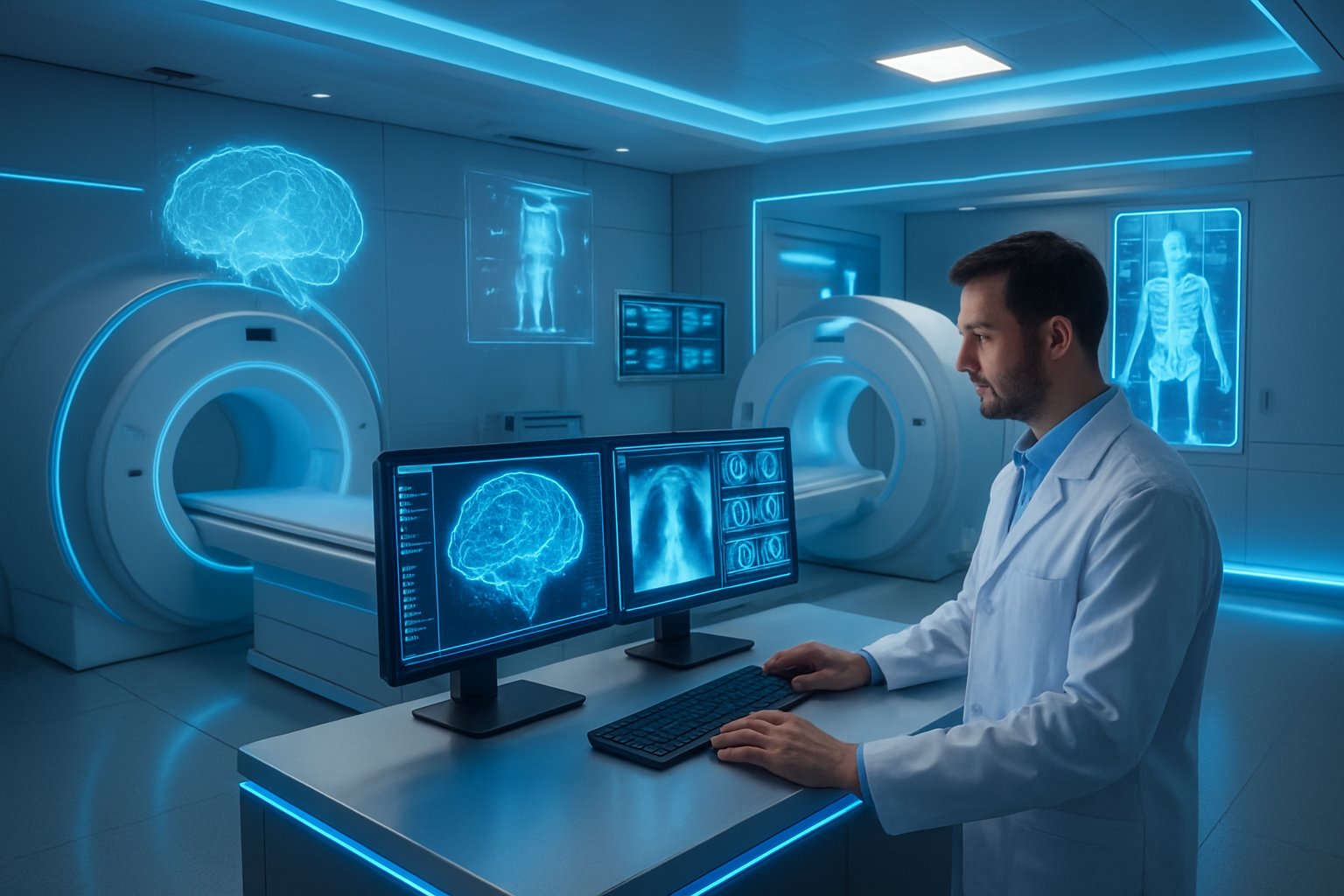
Enhance Image Quality and Resolution with Deep Learning
Deep learning algorithms have transformed how medical images are processed and enhanced, delivering unprecedented clarity and detail. Super-resolution neural networks can upscale low-resolution scans to produce crisp, high-quality images that reveal diagnostic details previously hidden in pixelated or blurry captures. This technology proves especially valuable when working with older equipment or when rapid scanning protocols compromise image quality.
Noise reduction algorithms powered by AI can clean up grainy CT scans and MRIs, removing artifacts while preserving critical anatomical structures. These systems learn from thousands of clean image pairs, understanding how to distinguish between meaningful medical information and unwanted interference. The result is clearer visualization of soft tissues, blood vessels, and organ boundaries.
Contrast enhancement through AI medical imaging helps radiologists spot subtle differences in tissue density and structure. Machine learning models can automatically adjust brightness, contrast, and gamma levels based on the specific body region and imaging modality, ensuring optimal viewing conditions for accurate diagnosis.
Automate Radiology Workflows for Faster Results
AI diagnostic tools are streamlining radiology departments by automating time-consuming tasks that traditionally required manual intervention. Intelligent systems can automatically sort incoming images, prioritize urgent cases, and route studies to appropriate specialists based on exam type and clinical indicators.
Automated measurement tools calculate volumes, distances, and angles with pixel-perfect precision, eliminating human measurement errors and reducing reporting time. These systems can instantly measure tumor dimensions, assess cardiac chamber sizes, or calculate bone density values across multiple time points for comparison studies.
Pre-processing automation handles image orientation, cropping, and standardization without radiologist input. Machine learning healthcare algorithms ensure consistent image presentation across different scanners and protocols, making it easier for specialists to focus on interpretation rather than technical adjustments.
Workflow orchestration platforms use AI to predict department capacity, estimate reading times, and balance workloads among radiologists. Smart scheduling systems can identify when certain types of cases require immediate attention and automatically flag studies that need subspecialty consultation.
Detect Subtle Abnormalities Human Eyes Might Miss
Artificial intelligence medical diagnosis excels at identifying patterns and anomalies that fall below the threshold of human perception. Computer vision systems trained on millions of medical images can detect microscopic changes in tissue texture, subtle asymmetries, or early-stage pathological processes that might escape initial review.
Early cancer detection represents one of the most promising applications of AI-powered analysis. Deep learning models can identify tiny lung nodules on chest CT scans, spot suspicious skin lesions in dermoscopy images, and flag potential breast cancer markers in mammograms with remarkable accuracy. These systems often catch abnormalities that become obvious only in retrospect.
Cardiovascular imaging benefits significantly from AI’s pattern recognition capabilities. Algorithms can detect subtle wall motion abnormalities in echocardiograms, identify early signs of atherosclerosis in coronary arteries, and spot irregular heart rhythms in ECG traces that human observers might overlook.
Neurological applications include detecting microbleeds on brain MRIs, identifying early signs of dementia through subtle brain volume changes, and spotting stroke indicators in the critical early hours when intervention can prevent permanent damage.
Streamline Image Analysis Across Multiple Modalities
Cross-modal AI systems can analyze and correlate information from different imaging techniques simultaneously, providing comprehensive diagnostic insights. Medical AI technology platforms can combine CT, MRI, PET, and ultrasound data to create unified reports that highlight findings across all modalities.
Multi-parametric analysis becomes possible when AI systems can register and align images from different scanners and time points. These platforms automatically correct for patient positioning differences, breathing artifacts, and scanner variations to enable accurate longitudinal comparisons.
AI in healthcare platforms can translate findings between imaging modalities, predicting how abnormalities might appear on different scan types. This capability helps radiologists understand whether additional imaging is necessary or if existing studies provide sufficient diagnostic information.
Standardized reporting templates powered by AI ensure consistent documentation across different imaging types and radiologists. These systems can automatically populate reports with quantitative measurements, comparison data, and structured findings that integrate seamlessly with electronic health records.
Accelerate Drug Discovery Using Generative AI Solutions
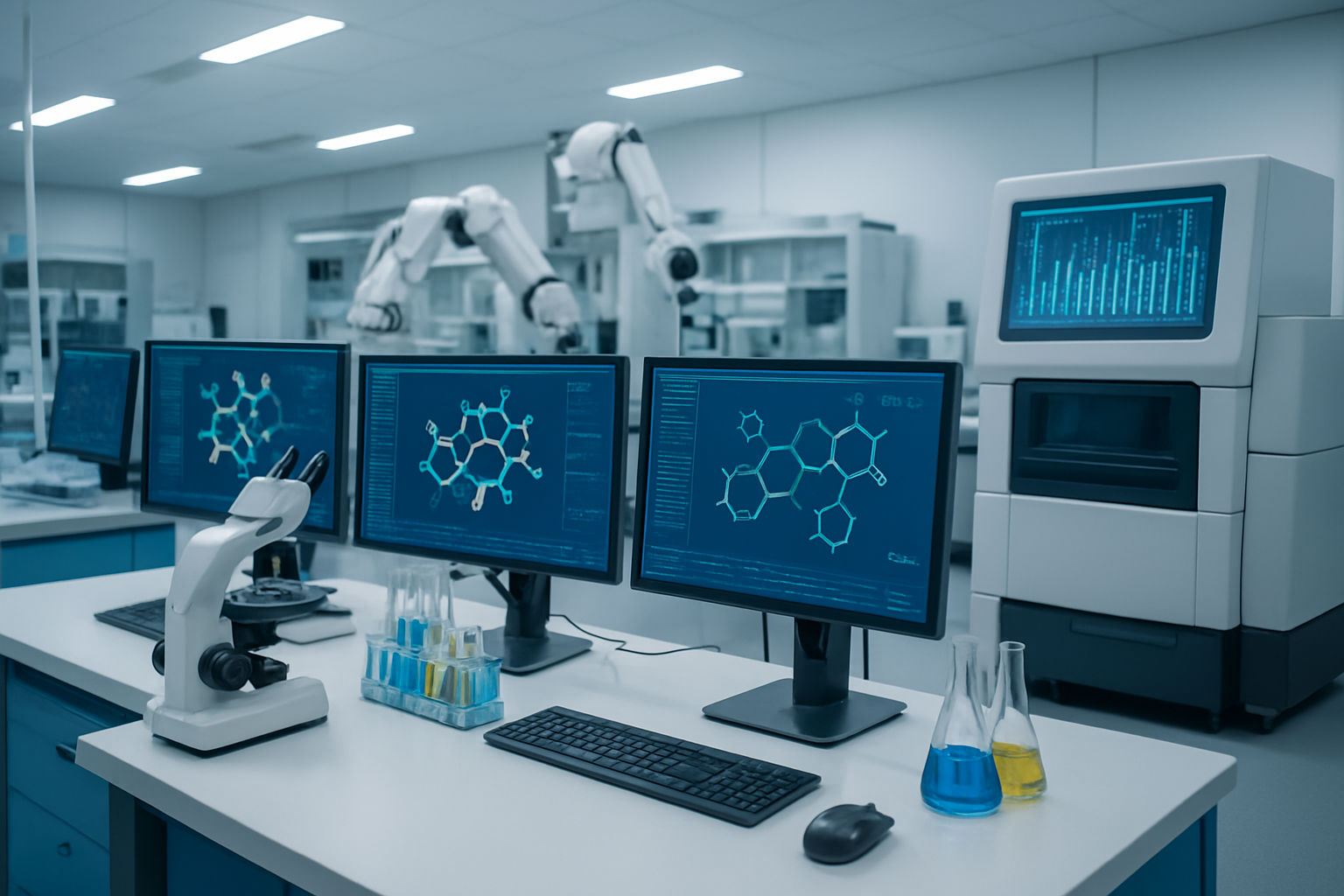
Predict Molecular Behavior and Drug Interactions
Generative AI drug discovery has transformed how pharmaceutical companies understand molecular behavior before expensive lab work begins. Advanced machine learning models analyze vast databases of molecular structures, predicting how potential drugs will interact with target proteins and cellular pathways. These AI systems simulate millions of molecular interactions in hours rather than months of traditional testing.
Drug interaction prediction becomes incredibly accurate when AI models process historical clinical data alongside molecular information. The technology identifies potential side effects, adverse reactions, and unexpected drug combinations that could harm patients. AI models can predict absorption, distribution, metabolism, and excretion patterns for new compounds, helping researchers eliminate problematic candidates early in development.
Machine learning healthcare platforms now integrate pharmacokinetic and pharmacodynamic modeling to predict drug efficacy across different patient populations. These systems analyze genetic variations, age factors, and comorbidities to forecast how specific demographics will respond to new treatments.
Generate Novel Compound Structures for Targeted Therapies
Creating entirely new drug compounds has become AI’s most exciting contribution to pharmaceutical research. Generative models design molecular structures that don’t exist in nature, specifically targeting disease mechanisms that traditional drugs cannot address. These AI diagnostic tools work backwards from desired therapeutic outcomes to create compounds with precise binding affinities and minimal off-target effects.
AI-powered drug design platforms generate thousands of candidate molecules daily, each optimized for specific therapeutic targets. The technology considers factors like blood-brain barrier penetration, oral bioavailability, and metabolic stability during the design process. Scientists can specify exact requirements – such as targeting cancer cells while sparing healthy tissue – and AI creates molecules meeting those criteria.
Protein folding prediction through AI helps design drugs that perfectly complement target protein structures. This precision approach reduces the trial-and-error nature of traditional drug discovery, where researchers might test thousands of existing compounds hoping to find one that works.
Optimize Clinical Trial Design and Patient Selection
AI patient care systems revolutionize how clinical trials recruit participants and measure outcomes. Machine learning algorithms analyze electronic health records, genetic profiles, and lifestyle factors to identify ideal candidates for specific studies. This targeted approach improves trial success rates while reducing recruitment time from months to weeks.
Adaptive trial designs powered by AI continuously adjust protocols based on incoming data. If early results show a treatment works better in certain patient subgroups, AI algorithms can redirect enrollment to focus on those populations. This flexibility maximizes the chances of demonstrating drug efficacy while protecting participant safety.
Medical AI technology also predicts optimal trial endpoints and biomarkers that best measure treatment success. AI analyzes historical trial data to recommend sample sizes, study durations, and outcome measures most likely to detect meaningful therapeutic effects. These insights help pharmaceutical companies design more efficient trials that reach conclusions faster and with greater statistical confidence.
Risk stratification through AI helps identify patients most likely to experience adverse events, allowing researchers to implement appropriate safety monitoring protocols. The technology creates personalized risk profiles for each participant, enabling more precise safety assessments throughout the trial period.
Enhance Patient Care Delivery with Intelligent AI Systems

Personalize Treatment Plans Based on Individual Patient Data
AI patient care systems are transforming how doctors create treatment plans by analyzing massive amounts of patient data to deliver truly personalized medicine. These intelligent healthcare solutions process everything from genetic information and lab results to lifestyle factors and medical history, creating detailed patient profiles that help doctors make better treatment decisions.
Machine learning algorithms can identify patterns in patient data that human doctors might miss. For example, an AI system might discover that patients with specific genetic markers respond better to certain medications or that particular lifestyle combinations increase treatment success rates. This level of personalization means patients get treatments tailored specifically to their unique biological makeup and circumstances.
The technology goes beyond basic demographics to consider factors like medication interactions, allergies, previous treatment responses, and even social determinants of health. AI systems can predict which patients are more likely to experience side effects or treatment failures, allowing doctors to adjust plans before problems arise.
Monitor Patient Health in Real-Time with Predictive Models
Real-time health monitoring powered by AI has revolutionized patient care by providing continuous insights into patient conditions. These systems use wearable devices, sensors, and mobile apps to collect health data 24/7, feeding information into predictive models that can spot potential health issues before they become serious problems.
Predictive analytics in healthcare can identify early warning signs of conditions like heart failure, sepsis, or diabetic complications. For instance, AI algorithms monitoring heart rate variability, blood pressure trends, and activity levels can predict cardiac events hours or even days in advance. This early detection capability allows medical teams to intervene quickly, potentially saving lives and reducing hospital readmissions.
| Monitoring Type | AI Application | Benefit |
|---|---|---|
| Cardiac Health | Rhythm analysis, ECG interpretation | Early arrhythmia detection |
| Respiratory Function | Breathing pattern analysis | Asthma attack prediction |
| Blood Glucose | Continuous glucose monitoring with AI | Diabetes management optimization |
| Mental Health | Behavioral pattern recognition | Depression/anxiety early intervention |
Improve Medication Management and Dosing Accuracy
AI technology is dramatically improving medication safety and effectiveness by optimizing dosing regimens and preventing dangerous drug interactions. These systems analyze patient characteristics, kidney and liver function, genetic factors, and current medications to recommend precise dosing that maximizes therapeutic benefits while minimizing adverse effects.
Pharmacogenomics AI can predict how individual patients will metabolize specific drugs based on their genetic makeup. This means doctors can choose the right medication at the right dose from the start, rather than using trial-and-error approaches that can be dangerous and ineffective.
AI-powered medication management systems also excel at identifying potential drug interactions that might be missed during busy clinical workflows. These tools cross-reference new prescriptions against existing medications, supplements, and even foods to flag potential problems before they occur.
Automate Administrative Tasks to Focus on Patient Care
Healthcare AI applications are streamlining administrative workflows, freeing up valuable time for healthcare providers to focus on what matters most – patient care. These systems automate routine tasks like appointment scheduling, insurance verification, billing, and documentation, reducing administrative burden that often consumes up to 50% of healthcare workers’ time.
Voice recognition and natural language processing technologies can automatically transcribe doctor-patient conversations into medical records, eliminating the need for manual note-taking. AI systems can also generate prior authorization requests, process insurance claims, and handle appointment reminders without human intervention.
Smart scheduling systems use AI to optimize appointment booking by considering factors like provider availability, patient preferences, appointment types, and even traffic patterns. This reduces no-shows and improves clinic efficiency while ensuring patients get timely care.
Enable Remote Patient Monitoring and Telemedicine Solutions
AI-powered telemedicine platforms are expanding access to quality healthcare by enabling remote consultations and continuous patient monitoring. These systems use computer vision to assess patient conditions through video calls, analyzing facial expressions, skin color changes, and movement patterns that might indicate health problems.
Remote monitoring devices equipped with AI can track vital signs, medication adherence, and symptom progression from patients’ homes. The technology is particularly valuable for managing chronic conditions like diabetes, hypertension, and heart disease, where consistent monitoring is crucial for optimal outcomes.
AI chatbots and virtual health assistants provide 24/7 support for patients, answering questions, providing medication reminders, and escalating concerns to human providers when necessary. These tools help bridge gaps in care while reducing the workload on medical staff.
The integration of AI in telemedicine also enables better triage, automatically prioritizing urgent cases and routing patients to appropriate care levels based on symptom analysis and risk assessment algorithms.
Implement AI Solutions While Ensuring Patient Safety and Privacy
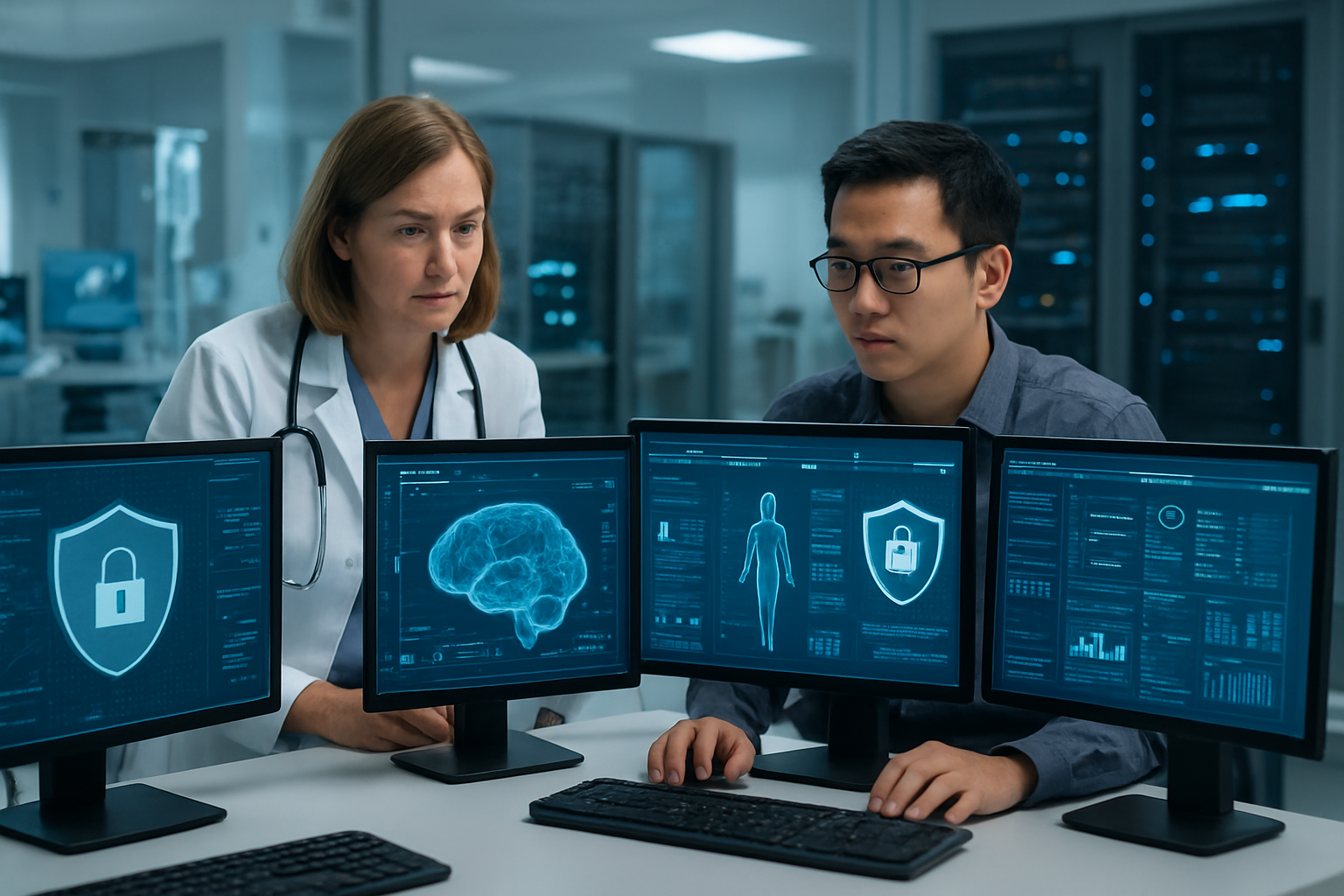
Establish Robust Data Security Protocols for Medical Information
Healthcare organizations must prioritize protecting sensitive patient data when implementing AI in healthcare solutions. Medical records contain some of the most personal information imaginable, making them prime targets for cybercriminals and requiring stringent security measures.
Start by encrypting all data both in transit and at rest. This means patient information stays protected whether it’s moving between systems or stored in databases. Multi-factor authentication adds another layer of security, ensuring only authorized personnel can access AI systems processing medical data.
Regular security audits and penetration testing help identify vulnerabilities before hackers do. Train your team on data handling protocols and create clear policies about who can access what information. Consider implementing zero-trust architecture where every user and device gets verified before accessing the network.
Backup systems need the same level of protection as primary databases. Many organizations forget this crucial step and leave their backup data exposed. Cloud storage offers excellent security options, but you’ll need to configure it properly and understand shared responsibility models with your provider.
Maintain Regulatory Compliance Across AI Healthcare Applications
Navigating healthcare regulations while implementing machine learning healthcare solutions requires careful attention to multiple frameworks. HIPAA compliance forms the foundation for any healthcare AI technology in the United States, governing how patient information gets collected, stored, and shared.
The FDA provides guidance for AI diagnostic tools, especially those making treatment recommendations. Software as Medical Devices (SaMD) regulations apply to many intelligent healthcare solutions, requiring clinical validation and ongoing monitoring. Document everything from algorithm development to deployment decisions.
International regulations add complexity for global healthcare organizations. GDPR affects European operations, while other countries have their own medical AI technology requirements. Create a compliance matrix mapping your AI applications to relevant regulations.
Regular compliance audits should examine both technical implementations and operational procedures. Work with legal teams familiar with healthcare AI applications to review contracts with AI vendors. Establish clear data governance policies that outline who owns what data and how long you’ll retain it.
Balance AI Automation with Human Medical Expertise
Smart integration of artificial intelligence medical diagnosis tools requires thoughtful collaboration between technology and healthcare professionals. AI systems excel at pattern recognition and data analysis, but human doctors bring critical thinking, empathy, and nuanced decision-making that patients need.
Design AI workflows that enhance rather than replace clinical judgment. For example, AI patient care systems can flag potential issues or suggest treatment options, but final decisions should always involve human oversight. This approach builds trust among medical staff and ensures patient safety.
Create clear protocols for when AI recommendations get overridden by medical professionals. Track these instances to identify potential blind spots in your AI systems and improve their accuracy over time. Regular training helps healthcare workers understand both the capabilities and limitations of their AI tools.
Establish feedback loops where clinicians can report AI system performance and suggest improvements. This collaborative approach leads to better outcomes for everyone involved and helps medical AI technology evolve based on real-world usage.

Healthcare professionals today have an incredible opportunity to leverage AI and GenAI technologies across every aspect of medical practice. From improving diagnostic accuracy and enhancing medical imaging to speeding up drug discovery and personalizing patient care, these tools are already making a real difference in hospitals and clinics worldwide. The key is finding the right balance between innovation and responsibility.
Getting started doesn’t have to be overwhelming. Begin with one area where your team sees the biggest challenges, whether that’s diagnostic support or patient care management. Work closely with IT specialists and ensure you have robust privacy protections in place from day one. The future of healthcare is here, and AI is ready to help you deliver better outcomes for every patient who walks through your doors.