Private subnet protection has become a critical concern as organizations move sensitive workloads to the cloud. When your databases, application servers, and internal resources sit in private subnets without direct internet access, you need a secure way to manage them remotely. That’s where bastion host security comes into play as your first line of defense.
This guide is designed for cloud engineers, system administrators, and security professionals who want to implement robust secure remote access solutions. Whether you’re working with AWS bastion host setups or other cloud platforms, you’ll learn practical network security best practices that actually work in production environments.
We’ll walk through bastion host configuration from the ground up, covering strategic placement within your private subnet architecture and proven bastion host hardening techniques that lock down your SSH jump server. You’ll also discover monitoring approaches that help you maintain strong cloud network security over time, ensuring your bastion hosts continue protecting your most valuable assets.
Understanding Private Subnets and Security Challenges
Defining private subnets and their role in network architecture
Private subnets serve as isolated network segments within cloud environments, designed to host resources that shouldn’t have direct internet access. These subnets form the backbone of secure private subnet architecture, containing databases, application servers, and sensitive workloads behind multiple layers of protection. Unlike public subnets, private subnets route traffic through NAT gateways or instances for outbound connectivity while blocking inbound internet traffic. This design creates a secure perimeter around critical infrastructure, making private subnets essential for implementing robust network security best practices in modern cloud deployments.
Identifying common vulnerabilities in private subnet configurations
Misconfigured security groups represent the most frequent vulnerability, often allowing overly permissive access rules that expose services unnecessarily. Network Access Control Lists (NACLs) frequently contain default allow-all rules instead of implementing least-privilege principles. Route table misconfigurations can inadvertently expose private resources to public internet traffic. Shared security groups across different tiers violate network segmentation principles, creating potential lateral movement paths for attackers. Inadequate logging and monitoring leave blind spots where suspicious activities go undetected. These configuration gaps compromise private subnet protection and create attack vectors that skilled adversaries can exploit to gain unauthorized access to sensitive systems.
Recognizing the need for controlled access mechanisms
Administrative access to private subnet resources requires secure pathways that don’t compromise network isolation. Traditional VPN connections often lack granular access controls and audit capabilities needed for enterprise environments. Direct SSH access from the internet violates security principles and exposes services to attack. Secure remote access demands solutions that provide authentication, authorization, and comprehensive logging while maintaining network segmentation. Bastion host security addresses these requirements by creating controlled entry points that administrators must traverse before accessing private resources. This approach enables organizations to implement SSH jump server architectures that satisfy compliance requirements while providing necessary operational access to protected infrastructure.
Bastion Host Fundamentals for Enhanced Security
Explaining bastion host architecture and functionality
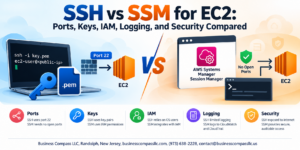
A bastion host serves as a fortified gateway positioned in a public subnet that controls access to resources in private subnets. This hardened server acts as an SSH jump server, requiring users to first authenticate through the bastion before reaching private instances. The architecture creates a single point of entry that administrators can monitor and secure extensively. Users connect to the bastion host using SSH, then establish a secondary connection from the bastion to private subnet resources, effectively creating a secure tunnel through public network space.
Comparing bastion hosts to traditional VPN solutions
Bastion hosts offer several advantages over traditional VPN solutions for secure remote access. While VPNs create broad network access that can expose entire subnets, bastion host security restricts access to specific resources through controlled SSH sessions. VPNs require client software installation and configuration across user devices, whereas bastion hosts work with standard SSH clients available on most systems. Network security best practices favor bastion hosts for their granular access control and reduced attack surface compared to VPN gateways that might expose multiple services simultaneously.
Outlining key components required for bastion host deployment
Essential components for AWS bastion host deployment include a properly configured EC2 instance in a public subnet with an elastic IP address. Security groups must allow inbound SSH traffic from trusted IP ranges while restricting outbound access to private subnet resources. Key pair authentication replaces password-based access for enhanced security. Network ACLs provide additional layer protection, and proper IAM roles enable secure access to AWS services. The private subnet architecture requires route tables directing traffic through the bastion host for external communications.
Evaluating cost-effectiveness of bastion host implementations
Bastion host configuration proves cost-effective compared to enterprise VPN solutions requiring expensive licensing and dedicated hardware. A single t3.micro instance can handle dozens of concurrent SSH sessions while costing under $10 monthly. The implementation eliminates VPN client licensing fees and reduces support overhead since users need only SSH client software. Automated scaling can adjust bastion host capacity based on demand, and the simplified architecture reduces maintenance costs. Organizations save on network infrastructure while gaining better visibility into access patterns and user behavior through centralized logging.
Strategic Placement and Configuration Best Practices
Positioning bastion hosts in public subnets for optimal access control
Deploy your bastion host in a public subnet with a dedicated elastic IP address to create a single, controlled entry point into your private network infrastructure. This strategic placement acts as a secure gateway, allowing administrators to access private subnet resources while maintaining strict network segmentation. Configure the bastion host with minimal services running and ensure it only accepts connections from trusted IP ranges through security group rules.
Implementing proper security groups and network ACLs
Create restrictive security groups that limit inbound traffic to SSH (port 22) from specific IP addresses or CIDR blocks. Configure outbound rules to allow connections only to private subnet resources on necessary ports. Implement network ACLs as an additional layer of defense, creating stateless rules that complement your security group configurations. This dual-layer approach provides defense in depth for your bastion host configuration and strengthens your overall network security posture.
Configuring SSH key management for secure authentication
Establish a robust SSH key management system using key pairs instead of password authentication for all bastion host connections. Rotate SSH keys regularly and maintain separate key pairs for different users or access levels. Store private keys securely using AWS Systems Manager Parameter Store or dedicated key management solutions. Implement certificate-based authentication where possible and consider using SSH certificates with short validity periods to reduce the risk of compromised keys affecting your secure remote access infrastructure.
Establishing logging and monitoring capabilities
Enable comprehensive logging through CloudTrail, VPC Flow Logs, and system-level logging to track all access attempts and user activities on your bastion host. Configure real-time monitoring using CloudWatch metrics and set up alerts for suspicious activities like failed login attempts or unusual connection patterns. Implement centralized log management solutions that aggregate logs from multiple sources, making it easier to detect security incidents and maintain compliance with your cloud network security requirements.
Setting up automated backup and disaster recovery procedures
Create automated backup procedures for your bastion host configuration, including system snapshots, configuration files, and user access logs. Implement Infrastructure as Code (IaC) using tools like Terraform or CloudFormation to ensure rapid deployment of replacement bastion hosts during disaster scenarios. Establish recovery time objectives (RTO) and recovery point objectives (RPO) that align with your business requirements. Test disaster recovery procedures regularly to validate your bastion host hardening measures and ensure business continuity during security incidents or system failures.
Advanced Security Hardening Techniques
Implementing multi-factor authentication for additional protection
Multi-factor authentication (MFA) transforms your bastion host into a fortress by requiring multiple verification steps before granting access. Configure MFA using hardware tokens, mobile authenticator apps, or SMS-based codes to create an additional security layer beyond traditional SSH keys. AWS Systems Manager Session Manager integrates seamlessly with IAM policies to enforce MFA requirements, while third-party solutions like Duo or Google Authenticator provide flexible authentication options. Set up time-based one-time passwords (TOTP) through tools like Google Authenticator or Authy for cost-effective protection. This approach dramatically reduces the risk of unauthorized access even if SSH keys become compromised.
Restricting network access through IP whitelisting
Network access controls create a digital moat around your bastion host by limiting connections to trusted IP addresses. Configure security groups in AWS to allow SSH access only from specific corporate networks, VPN endpoints, or administrator home offices. Implement dynamic IP whitelisting through automation scripts that update security group rules based on current administrator locations. Use AWS Config rules to monitor and alert when unauthorized IP ranges attempt connections. Create separate security groups for different user roles, ensuring developers can only access development environments while production access remains restricted to senior administrators. This granular control prevents brute-force attacks and reduces your attack surface significantly.
Configuring session recording and audit trails
Session recording creates a complete digital paper trail of every action performed through your bastion host, essential for compliance and security investigations. Enable AWS CloudTrail to capture all API calls and configure Session Manager to log every command executed during remote sessions. Implement real-time session recording using tools like Teleport or Boundary that capture keystrokes, commands, and screen activity for comprehensive audit trails. Store recorded sessions in encrypted S3 buckets with proper retention policies to meet regulatory requirements. Set up automated alerts for suspicious activities like privilege escalation attempts or access during unusual hours. These logs become invaluable during security incidents and help demonstrate compliance with industry standards.
Monitoring and Maintenance Strategies
Establishing Real-time Security Monitoring and Alerting Systems
Deploy comprehensive monitoring tools like AWS CloudWatch, Splunk, or ELK stack to track bastion host security events in real-time. Configure automated alerts for suspicious login attempts, unusual network traffic patterns, and failed authentication events. Set up SIEM solutions to correlate security logs across your bastion host infrastructure and private subnet resources. Monitor SSH session activities, privilege escalations, and file system changes continuously. Create custom dashboards that provide visibility into connection patterns, user behavior analytics, and potential security threats targeting your secure remote access points.
Implementing Regular Security Updates and Patch Management
Establish automated patch management workflows using tools like AWS Systems Manager or Ansible to keep bastion host operating systems and security software current. Schedule regular maintenance windows for critical security updates while maintaining high availability through redundant bastion host configurations. Create standardized update procedures that include testing patches in staging environments before production deployment. Maintain detailed patch logs and version control for all security updates applied to your SSH jump server infrastructure. Set up vulnerability scanning tools to identify missing patches and security gaps in your bastion host hardening protocols.
Conducting Periodic Security Assessments and Penetration Testing
Schedule quarterly security assessments focusing on bastion host configuration vulnerabilities, network security best practices compliance, and access control effectiveness. Engage certified ethical hackers to perform penetration testing specifically targeting your private subnet protection mechanisms and bastion host security controls. Document all identified vulnerabilities with risk ratings and remediation timelines. Create comprehensive security reports that evaluate the effectiveness of your current bastion host architecture against emerging threats. Conduct internal security audits to verify compliance with established security policies and cloud network security standards across your infrastructure.
Creating Incident Response Procedures for Security Breaches
Develop detailed incident response playbooks specifically for bastion host security breaches, including step-by-step containment and investigation procedures. Establish clear escalation paths and communication protocols for security incidents affecting your AWS bastion host environment. Create automated response mechanisms that can isolate compromised bastion hosts and revoke suspicious user access immediately. Maintain forensic capabilities to analyze security incidents and preserve evidence for post-incident reviews. Train your security team on incident response procedures specific to private subnet architecture compromises and implement regular tabletop exercises to test response effectiveness.
Private subnets offer excellent protection for your sensitive resources, but they come with their own set of challenges when you need secure access. Bastion hosts solve this problem by acting as a secure gateway that lets you connect to your private resources without exposing them to the internet. Getting the placement and configuration right makes all the difference – put your bastion in a public subnet, lock it down with strict security groups, and keep it updated with the latest patches.
The real magic happens when you combine smart hardening techniques with solid monitoring practices. Set up proper logging, use key-based authentication instead of passwords, and regularly check your security posture. Don’t forget that your bastion host is only as strong as your weakest security practice, so make monitoring and maintenance a regular part of your routine. Start implementing these strategies today, and you’ll have a robust, secure way to access your private infrastructure that keeps the bad guys out while letting the right people in.