

AWS subnets form the backbone of your cloud network architecture, but choosing between public and private configurations can make or break your infrastructure security and performance. This guide is designed for cloud engineers, DevOps professionals, and AWS architects who need practical guidance on when and why to use each subnet type.
Getting your AWS VPC subnet configuration right means understanding how public subnet vs private subnet decisions impact everything from your application accessibility to your security posture. Many teams struggle with subnet routing strategies and end up with overly complex or insecure setups that cost time and money to fix later.
We’ll walk through the strategic benefits of public subnets and how they enable direct internet access for your web-facing resources. You’ll also discover why private subnet security makes them essential for protecting databases and internal systems from external threats. Finally, we’ll cover AWS subnet best practices with real-world use cases that show exactly when to deploy each subnet type for maximum effectiveness.
Understanding AWS Subnet Architecture Fundamentals
Define public and private subnets in AWS VPC context
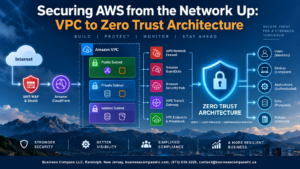
AWS subnets act as network segments within your Virtual Private Cloud (VPC), creating logical divisions for organizing resources. Public subnets connect directly to the internet through an internet gateway, making resources accessible from external networks. Private subnets remain isolated from direct internet access, communicating with external services only through NAT gateways or VPN connections. Each subnet exists within a specific Availability Zone and follows CIDR block addressing schemes defined during VPC subnet configuration.
Explore how subnets control network traffic flow
Subnets function as traffic control mechanisms using route tables and security groups to manage data flow. Route tables determine where network traffic gets directed – either to local VPC resources, internet gateways, or NAT instances. Security groups act as virtual firewalls, filtering inbound and outbound traffic based on protocol, port, and source/destination rules. Network ACLs provide additional subnet-level filtering, creating multiple layers of AWS network architecture protection for your infrastructure.
Identify key differences between subnet types
The primary distinction lies in internet connectivity and routing configurations. Public subnets feature route table entries pointing to internet gateways (0.0.0.0/0 → igw-xxxxx), enabling direct bidirectional internet communication. Private subnets lack these routes, requiring NAT gateways for outbound internet access while blocking inbound connections. Resource placement differs significantly – web servers and load balancers typically reside in public subnets, while databases and application servers occupy private subnets for enhanced private subnet security.
Understand subnet routing table configurations
Route tables define traffic destinations using longest prefix matching for packet forwarding decisions. Public subnet routing includes local VPC routes (10.0.0.0/16 → local) plus internet gateway routes (0.0.0.0/0 → igw-xxxxx). Private subnet configurations contain local routes and NAT gateway entries (0.0.0.0/0 → nat-xxxxx) for controlled outbound access. Custom routes support VPN connections, VPC peering, and transit gateways, enabling complex subnet routing strategies across multi-region AWS infrastructure setups.
Strategic Benefits of Public Subnets for Your Infrastructure
Enable direct internet access for web-facing resources
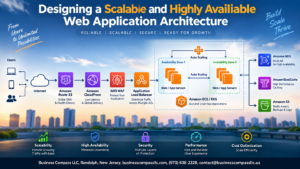
Public subnets give your web servers, application servers, and content delivery resources direct internet connectivity through an internet gateway. This direct path eliminates the need for complex routing configurations or additional networking components when hosting websites, APIs, or customer-facing applications that need immediate internet access.
Simplify load balancer and API gateway deployments
Application Load Balancers and API gateways perform best in public subnets where they can directly receive traffic from users worldwide. Placing these services in AWS VPC subnet configuration with public access removes routing bottlenecks and reduces latency since traffic doesn’t need to traverse multiple network layers before reaching your applications.
Reduce complexity for external-facing applications
Public subnet use cases shine when building straightforward architectures for applications that primarily serve external users. Instead of managing NAT gateways, routing tables, and complex subnet routing strategies, you can deploy your applications directly in public subnets with minimal AWS network architecture overhead while maintaining security through security groups and NACLs.
Optimize costs for internet-dependent services
Services requiring constant internet connectivity become more cost-effective in public subnets since you avoid NAT gateway charges and data processing fees. Applications like web scrapers, external API integrations, or monitoring services that continuously communicate with internet resources save money by using public subnet deployment patterns rather than routing through expensive NAT infrastructure.
Security Advantages of Private Subnets for Critical Systems
Protect sensitive databases from direct internet exposure
Private subnets create an impenetrable barrier between your critical databases and the public internet. When you place RDS instances, DynamoDB tables, or self-managed databases in private subnets, they become completely inaccessible from external networks. This AWS subnet configuration eliminates the risk of direct attacks, unauthorized access attempts, and data breaches that often target publicly exposed database endpoints. Your sensitive data stays locked away from internet-based threats while remaining accessible to your application layers through internal routing.
Isolate application servers from external threats
Application servers handling business logic, payment processing, or customer data benefit tremendously from private subnet security. These servers can communicate with other internal resources and databases without ever receiving direct internet traffic. Load balancers in public subnets route legitimate requests to your private application servers, creating a controlled gateway that filters and validates all incoming connections. This isolation prevents direct server exploitation attempts, reduces attack surface area, and gives you complete control over which traffic reaches your critical application infrastructure.
Control access through bastion hosts and VPN connections
Private subnet access control relies on secure entry points like bastion hosts and VPN connections. Bastion hosts act as hardened jump servers in public subnets, allowing administrators to securely access private resources through SSH or RDP tunnels. VPN connections establish encrypted pathways between your corporate network and private subnets, enabling secure remote management without exposing internal systems. These controlled access methods ensure that only authorized personnel can reach private subnet resources, maintaining strict security boundaries while preserving operational flexibility.
Implement defense-in-depth security strategies
Private subnets form the foundation of comprehensive defense-in-depth security strategies within AWS VPC subnet design. Multiple security layers work together: network ACLs control subnet-level traffic, security groups manage instance-level access, and private routing prevents unauthorized internet access. This layered approach means that even if one security control fails, additional barriers protect your critical systems. Combined with encryption, monitoring, and access logging, private subnet security creates robust protection that meets compliance requirements and enterprise security standards.
Real-World Use Cases That Maximize Each Subnet Type
Deploy web servers and CDN endpoints in public subnets
Public subnets work perfectly for web servers, load balancers, and CDN endpoints that need direct internet access. Your Apache or Nginx servers can receive incoming traffic while benefiting from auto-scaling groups and elastic load balancers. This setup enables seamless content delivery and ensures users can reach your applications without complex routing configurations.
Host application logic and microservices in private subnets
Application servers running your business logic belong in private subnets for enhanced AWS network architecture security. These instances connect to databases and external APIs through NAT gateways while remaining invisible to direct internet attacks. Microservices communicate internally through service discovery, creating a robust private subnet security model that protects your core application components.
Secure database clusters behind private subnet barriers
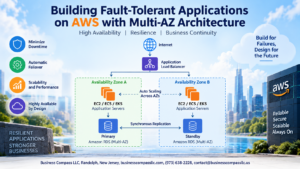
Database instances like RDS, MongoDB clusters, and Redis caches should always reside in private subnets. This VPC subnet configuration prevents unauthorized access while allowing application servers to connect through internal network paths. Multi-AZ database deployments across private subnets ensure high availability without exposing sensitive data to internet-facing threats or configuration vulnerabilities.
Balance accessibility and security for hybrid architectures
Modern AWS subnet best practices involve hybrid designs combining both subnet types strategically. Place API gateways and authentication services in public subnets while keeping sensitive processing in private networks. This approach maximizes both accessibility and protection, allowing controlled internet access points while maintaining strict subnet routing strategies for critical infrastructure components.
Implementation Best Practices for Optimal Performance
Configure NAT Gateways for Private Subnet Internet Access
Setting up NAT gateways correctly ensures your private subnet resources can reach the internet while maintaining security. Place NAT gateways in public subnets and route private subnet traffic through them. Deploy one NAT gateway per Availability Zone for high availability, though this increases costs. Configure route tables to direct 0.0.0.0/0 traffic from private subnets to the NAT gateway. Monitor NAT gateway bandwidth usage and consider NAT instances for cost-sensitive workloads with lower throughput requirements.
Set Up Proper Security Groups and NACLs
Security groups and Network ACLs work together as your AWS subnet configuration’s defense layers. Security groups act as instance-level firewalls with stateful rules, while NACLs provide subnet-level protection with stateless rules. Start with restrictive security group rules, allowing only necessary ports and protocols. Design NACL rules as your backup security layer, blocking known threats and providing network-wide controls. Remember that security group rules are automatically bidirectional, but NACL rules require explicit inbound and outbound configurations.
Design Subnet CIDR Blocks for Future Scalability
Smart CIDR planning prevents network redesigns as your AWS infrastructure grows. Reserve IP address space by using smaller CIDR blocks initially, leaving room for additional subnets. Plan for at least 3-4 Availability Zones even if you start with two. Use /24 or /25 CIDR blocks for most workloads, reserving /20 or larger blocks for auto-scaling environments. Document your IP allocation strategy and avoid overlapping ranges that could complicate future VPC peering or hybrid cloud connections.
Monitor and Log Traffic Patterns Across Subnet Boundaries
VPC Flow Logs reveal how traffic moves between your public and private subnets, helping optimize AWS network architecture. Enable Flow Logs at the VPC, subnet, or network interface level based on your monitoring needs. Analyze traffic patterns to identify bottlenecks, security issues, and cost optimization opportunities. Use CloudWatch metrics to track NAT gateway usage, data transfer costs, and connection patterns. Set up alerts for unusual traffic spikes or rejected connections that might indicate security threats or configuration problems.
Choosing between public and private subnets isn’t just a technical decision – it’s about building a solid foundation for your AWS infrastructure. Public subnets work perfectly when you need direct internet access for web servers and load balancers, while private subnets keep your databases and sensitive applications locked down from external threats. The real magic happens when you combine both types strategically, creating layers of security that protect your most valuable assets while keeping your public-facing services running smoothly.
Start by mapping out what needs internet access and what doesn’t. Your web servers can live in public subnets to serve users quickly, while your databases stay safe in private subnets behind multiple security barriers. Remember to set up your route tables correctly, use NAT gateways for secure outbound traffic from private subnets, and always follow the principle of least privilege when configuring security groups. This balanced approach will give you both the performance and security your applications need to thrive in the cloud.