ETL Modernization with GenAI: Automated Pipeline Conversion for Data Engineers
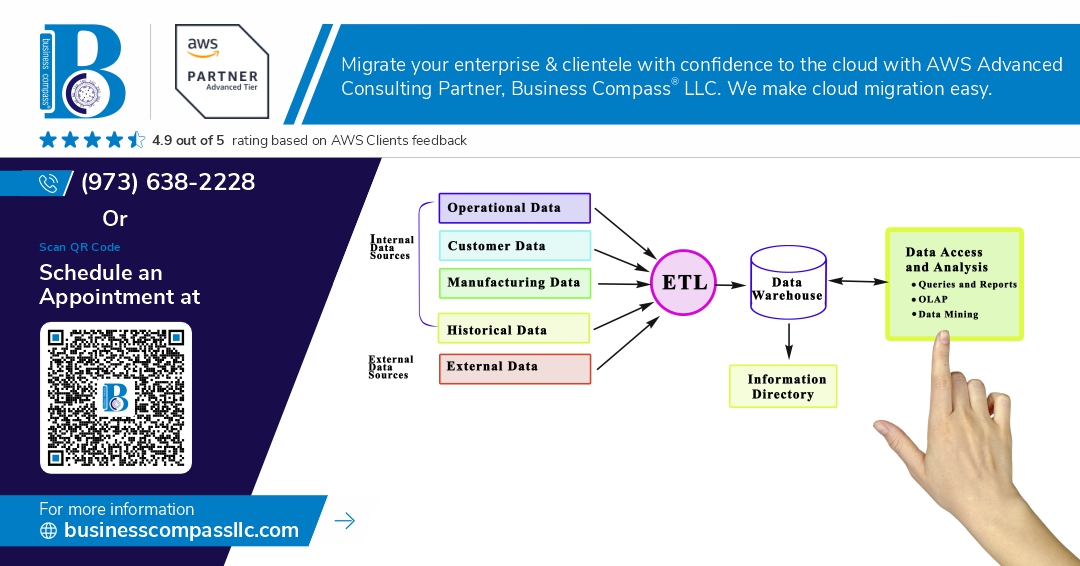
Data engineers are drowning in legacy ETL systems that slow down business insights and eat up valuable development time. ETL modernization using GenAI offers a game-changing solution that transforms how teams approach automated pipeline conversion and data pipeline migration.
Who This Guide Is For
This comprehensive resource targets data engineers, ETL developers, and data platform teams ready to leverage generative AI data engineering techniques for legacy ETL modernization.
What You’ll Learn
We’ll walk through the essential components needed for successful automated data pipeline tools implementation, including practical frameworks for ETL pipeline optimization. You’ll discover proven strategies for overcoming common technical roadblocks during AI-powered data integration projects. Finally, we’ll share battle-tested best practices that maximize your GenAI ETL transformation success rate and deliver measurable ROI.
Get ready to transform your data infrastructure from a maintenance burden into a competitive advantage using the latest ETL automation with AI approaches.
Understanding GenAI-Powered ETL Modernization
Traditional ETL limitations and maintenance challenges
Legacy ETL systems create significant bottlenecks for data engineering teams through rigid architectures, manual coding requirements, and expensive maintenance cycles. Organizations struggle with outdated technologies that can’t adapt to modern data volumes, complex transformation logic that requires extensive developer expertise, and fragmented pipelines spanning multiple platforms. These systems often demand specialized knowledge of proprietary tools, making talent acquisition difficult while creating single points of failure when key personnel leave.
GenAI capabilities for automated code conversion
Generative AI transforms ETL modernization by automatically analyzing legacy codebases and converting them to cloud-native architectures. Advanced language models can parse COBOL, SQL, and proprietary ETL scripts, then generate equivalent Python, Scala, or Spark code with minimal human intervention. These AI systems understand complex business logic, maintain data lineage, and preserve transformation rules while translating between different technologies. Machine learning algorithms identify optimization opportunities, suggest performance improvements, and ensure converted pipelines meet modern scalability requirements.
Key benefits of AI-driven pipeline transformation
Speed and Efficiency
- Reduces conversion timelines from months to weeks
- Eliminates manual rewriting of thousands of lines of code
- Accelerates testing and validation processes
Cost Reduction
- Minimizes consultant and developer hours
- Reduces infrastructure maintenance expenses
- Lowers training costs for new technologies
Quality Assurance
- Maintains data accuracy through automated validation
- Preserves business logic integrity during conversion
- Generates comprehensive documentation automatically
Scalability Enhancement
- Enables cloud-native architectures for better performance
- Supports real-time data processing capabilities
- Facilitates integration with modern analytics platforms
ROI impact on data engineering teams
ETL modernization with GenAI delivers measurable returns through reduced operational overhead, faster time-to-market for data products, and improved team productivity. Organizations typically see 60-80% reduction in migration costs compared to manual approaches, while data engineers can focus on strategic initiatives rather than maintenance tasks. Teams report increased job satisfaction as repetitive coding work gets automated, allowing professionals to work on machine learning, data architecture, and business intelligence projects that drive real value.
Essential Components for Automated Pipeline Conversion
Legacy System Assessment and Inventory Mapping
Understanding your current ETL landscape forms the foundation of successful GenAI ETL transformation. Start by cataloging all existing pipelines, their data sources, transformation logic, and dependencies. Map out data flows, business rules, and performance bottlenecks to create a comprehensive inventory. This assessment reveals complexity patterns that guide automated pipeline conversion strategies.
GenAI Model Selection for ETL Workloads
Choosing the right generative AI model significantly impacts your automated data pipeline migration success. Large language models excel at code translation and pattern recognition, while specialized AI frameworks handle schema mapping and data transformation logic. Evaluate models based on their ability to understand legacy ETL syntax, generate optimized modern code, and maintain business logic integrity during automated pipeline conversion.
Data Lineage Preservation Strategies
Maintaining data lineage throughout AI-powered data integration ensures traceability and compliance. Document source-to-target mappings before transformation begins, then verify that GenAI-generated pipelines preserve these relationships. Implement automated lineage validation tools that compare original and converted pipeline outputs. This approach safeguards data governance while enabling confident migration to modern ETL automation with AI platforms.
Implementation Framework for ETL Transformation
Pre-conversion planning and risk assessment
Start by mapping your existing ETL infrastructure and identifying critical dependencies. Document data flows, transformation logic, and integration points while assessing technical debt and potential migration risks. Create detailed inventory of legacy systems, data volumes, and processing schedules. Establish clear success criteria and define rollback triggers. Prioritize pipelines based on business impact, complexity, and resource availability. Risk assessment should cover data integrity concerns, performance degradation possibilities, and downstream system impacts during ETL modernization.
Automated code generation and optimization
GenAI ETL transformation tools analyze legacy code patterns and generate modern equivalents using cloud-native frameworks. These systems automatically convert stored procedures, COBOL routines, and proprietary ETL scripts into Python, SQL, or Spark code. The AI optimizes data processing logic, eliminates redundant operations, and applies best practices for parallel processing. Code generation includes proper error handling, logging mechanisms, and configuration management. Automated pipeline conversion reduces manual effort by 70-80% while maintaining functional equivalence with original systems.
Quality assurance and validation protocols
Implement comprehensive testing frameworks that compare outputs between legacy and modernized systems. Set up automated regression testing using representative data samples and edge cases. Validate data accuracy, completeness, and transformation logic through side-by-side execution. Monitor processing times, resource consumption, and error rates during parallel runs. Data pipeline migration requires extensive validation protocols including schema comparison, row count verification, and business rule validation. Create automated alerts for any discrepancies detected during testing phases.
Rollback procedures and contingency planning
Design robust rollback mechanisms that can quickly restore legacy systems if issues arise. Maintain parallel processing capabilities during transition periods to enable rapid fallback. Document step-by-step rollback procedures for each pipeline component and test them regularly. Create automated monitoring that triggers rollback when predefined thresholds are exceeded. Legacy ETL modernization requires careful planning for data synchronization between old and new systems. Establish clear escalation procedures and communication protocols for incident response during critical migration windows.
Performance benchmarking against legacy systems
Establish baseline metrics for processing times, throughput, and resource utilization from existing systems. Use AI-powered data integration tools to continuously monitor performance during migration phases. Compare memory usage, CPU consumption, and network bandwidth between legacy and modern implementations. Track improvements in data freshness, error rates, and system availability. ETL pipeline optimization should demonstrate measurable gains in processing speed and cost efficiency. Create dashboards showing real-time performance comparisons and trend analysis across migration phases.
Overcoming Technical Challenges in Pipeline Migration
Complex Business Logic Translation Accuracy
GenAI-powered ETL modernization faces significant hurdles when translating intricate business rules embedded in legacy systems. Custom transformations, conditional logic, and domain-specific calculations require careful analysis to ensure automated pipeline conversion maintains data integrity. Machine learning models must understand context, dependencies, and business requirements to accurately replicate complex data processing workflows during legacy ETL modernization.
Data Type Mapping and Schema Compatibility
Schema evolution presents major challenges as automated data pipeline tools navigate between different database systems and platforms. Data type mismatches, precision differences, and format variations can break ETL automation with AI if not properly addressed. Successful data pipeline migration requires intelligent mapping algorithms that can identify compatible types, handle edge cases, and preserve data quality across diverse source and target systems.
Error Handling and Exception Management
Robust error handling becomes critical when implementing AI-powered data integration solutions at scale. Automated pipeline conversion must replicate existing exception management while adding new safeguards for GenAI-specific failures. ETL pipeline optimization requires comprehensive logging, rollback mechanisms, and alert systems that can distinguish between data anomalies, system failures, and AI model prediction errors to maintain operational reliability.
Integration with Existing Data Governance Frameworks
Merging GenAI ETL transformation capabilities with established governance policies requires careful coordination across security, compliance, and data stewardship teams. Automated data pipeline tools must respect existing access controls, audit trails, and data lineage requirements while introducing new governance layers for AI-generated code and decisions. This integration ensures that ETL modernization enhances rather than compromises organizational data governance standards.
Maximizing Success with Best Practices
Team training and skill development requirements
Successful ETL modernization with GenAI requires comprehensive team training across multiple domains. Data engineers need hands-on experience with AI-powered pipeline conversion tools, while understanding traditional ETL patterns to guide automated transformations effectively. Training should cover prompt engineering for GenAI systems, validation techniques for converted pipelines, and troubleshooting AI-generated code. Teams must develop proficiency in reviewing and optimizing automated outputs, ensuring quality standards remain high throughout the legacy ETL modernization process.
Iterative conversion approach for large-scale migrations
Large-scale automated pipeline conversion works best through phased implementation rather than big-bang migration. Start with simple, low-risk ETL processes to validate GenAI transformation capabilities and refine conversion templates. Each iteration provides valuable feedback for improving AI-powered data integration accuracy and handling edge cases. This approach reduces migration risks while building team confidence in automated data pipeline tools. Gradually increase complexity as conversion patterns mature, ensuring stable production environments throughout the GenAI ETL transformation journey.
Monitoring and continuous improvement strategies
Robust monitoring systems track both technical performance and business outcomes of converted pipelines. Implement automated testing frameworks that compare outputs between legacy and modernized ETL processes, flagging discrepancies for review. Performance metrics should include data quality scores, processing times, and resource utilization. Regular feedback loops help refine GenAI models for better ETL pipeline optimization results. Continuous improvement involves analyzing conversion patterns, updating training data for AI systems, and evolving best practices based on real-world migration experiences across different data environments.
GenAI is completely changing how data engineers approach ETL modernization. This technology automates the heavy lifting of pipeline conversion, turning what used to be months of manual coding into streamlined processes that happen in days or weeks. You get better error handling, improved performance, and pipelines that actually scale with your growing data needs.
The real game-changer here is having a solid implementation framework and knowing how to tackle the technical roadblocks before they slow you down. Start small with your pilot projects, make sure your team is trained on the new tools, and always keep data quality checks at the center of everything you do. GenAI isn’t just making ETL modernization faster – it’s making it smarter and more reliable than traditional approaches ever were.