

AWS Amplify offers Next.js developers a more streamlined path forward than traditional S3 hosting. If you’re currently deploying your Next.js applications to S3 and feeling the friction of manual deployments, limited CI/CD options, and complex configuration management, this Next.js AWS Amplify migration guide will show you how to modernize your entire development workflow.
This tutorial targets Next.js developers and DevOps engineers who want to move beyond static hosting limitations and embrace serverless Next.js deployment. You’ll discover how AWS Amplify’s built-in features can replace your current toolchain while reducing operational overhead.
We’ll walk through conducting a thorough pre-migration assessment of your existing S3 setup to identify potential roadblocks and optimization opportunities. You’ll also learn how to establish a robust Next.js CI/CD pipeline using Amplify’s native DevOps capabilities, including automated testing, branch-based deployments, and performance monitoring that goes far beyond what S3 alone can provide.
Understanding the Migration Imperative: Why AWS Amplify Outperforms S3 for Modern Development
Performance bottlenecks and limitations of traditional S3 hosting
Traditional S3 to Amplify migration becomes necessary when you hit S3’s inherent limitations for Next.js DevOps workflow. S3 treats your application as static files, missing dynamic routing capabilities that modern Next.js apps demand. Server-side rendering gets completely lost, forcing client-side rendering that hurts SEO and user experience. Edge caching becomes manual work, requiring CloudFront configuration and maintenance. API integration requires separate Lambda functions and API Gateway setup, creating complexity that slows development velocity and increases operational overhead for your team.
Built-in CI/CD capabilities that eliminate manual deployment overhead
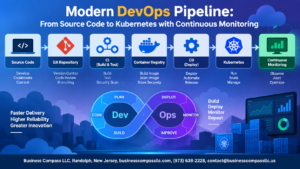
AWS Amplify deployment tutorial scenarios show how Amplify’s integrated CI/CD pipeline transforms your development workflow. Connect your GitHub repository once, and Amplify automatically detects Next.js configuration, installs dependencies, runs builds, and deploys changes on every commit. Branch-based deployments create preview environments for pull requests, enabling team collaboration without manual intervention. Build logs provide real-time feedback, while automatic rollbacks protect against failed deployments. This Next.js CI/CD pipeline eliminates the manual S3 sync commands, CloudFront invalidations, and deployment scripts that consume developer time and introduce human errors.
Advanced features for full-stack applications beyond static hosting
Amplify vs S3 comparison reveals Amplify’s full-stack capabilities that S3 simply cannot match. Built-in authentication handles user management, social logins, and multi-factor authentication without external services. GraphQL APIs deploy alongside your frontend, creating type-safe data layers with real-time subscriptions. Serverless Next.js deployment includes automatic API routes handling, server-side rendering, and incremental static regeneration. Environment variables, custom domains, and SSL certificates get managed through Amplify’s console. These features transform static hosting into a complete application platform, supporting modern development patterns that S3 hosting cannot accommodate.
Pre-Migration Assessment: Auditing Your Current Next.js S3 Setup
Inventory Existing S3 Bucket Configurations and CloudFront Distributions
Start by documenting your current S3 bucket settings, including versioning, encryption, and access policies. Map out your CloudFront distribution configurations, noting custom headers, caching behaviors, and origin settings. Record SSL certificates, custom domains, and any security groups or WAF rules. This baseline inventory becomes crucial for replicating functionality during your Next.js AWS Amplify migration.
Document Current Build and Deployment Processes
Capture your existing CI/CD pipeline details, whether you’re using GitHub Actions, Jenkins, or custom scripts. Document environment variables, build commands, and deployment triggers. Note any manual steps in your workflow and identify bottlenecks that AWS Amplify deployment tutorial processes could streamline. Record artifact locations, build times, and any post-deployment verification steps currently in place.
Identify Custom Scripts and Automation Dependencies
Audit all custom scripts handling builds, deployments, or maintenance tasks in your current setup. Catalog third-party integrations, API endpoints, and external services your application depends on. Document any Lambda functions, CloudWatch rules, or scheduled tasks supporting your Next.js DevOps workflow. This analysis helps determine which automations need recreation or modification in Amplify’s environment.
Evaluate Traffic Patterns and Performance Metrics
Analyze your CloudWatch metrics, access logs, and performance data from the past 3-6 months. Document peak traffic periods, geographic distribution, and response times. Review your current CDN hit rates, bandwidth usage, and cost patterns. Understanding these baseline metrics helps you properly configure Amplify vs S3 comparison scenarios and set realistic performance expectations post-migration.
Setting Up AWS Amplify Environment for Seamless Migration
Creating and configuring your Amplify application
Start by installing the Amplify CLI globally using npm install -g @aws-amplify/cli. Navigate to your Next.js project directory and run amplify init to bootstrap your application. During initialization, choose JavaScript as your framework, specify dist as your distribution directory, and select npm run build for your build command. The CLI will create an amplify folder containing your project configuration and backend resources. Configure your app name to match your project structure and select the appropriate AWS region closest to your target audience for optimal performance.
Connecting GitHub repository for automated deployments
Access the AWS Amplify Console and click “Host web app” to begin the deployment setup. Choose GitHub as your repository service and authorize AWS Amplify to access your repositories. Select your Next.js project repository and specify the main branch for production deployments. Enable automatic deployments by checking “Enable full-stack continuous deployments” which triggers builds whenever code is pushed to your connected branch. Configure build settings by reviewing the automatically generated amplify.yml file, ensuring your Next.js build commands align with your project structure and any custom webpack configurations you’ve implemented.
Establishing proper IAM roles and permissions
Create a dedicated IAM role for your Amplify application with the necessary permissions for deployment and resource management. Attach the AdministratorAccess-Amplify policy to enable full Amplify functionality, or create a custom policy with specific permissions for your use case. Configure the AmplifyServiceRolePolicy to allow Amplify to create and manage AWS resources like Lambda functions, API Gateway endpoints, and DynamoDB tables. Set up cross-account access if deploying from a different AWS account, and ensure your GitHub integration has the minimum required permissions for repository access and webhook creation.
Configuring environment variables and build settings
Navigate to the Amplify Console’s App Settings and add environment variables for different deployment stages. Configure NODE_ENV, API endpoints, database connections, and any third-party service keys your Next.js application requires. Set up stage-specific variables by creating separate configurations for development, staging, and production environments. Customize your build settings in the amplify.yml file to include pre-build scripts, custom npm commands, and post-build optimizations. Configure Next.js specific settings like output directory, static file handling, and SSR configurations to ensure your AWS Amplify deployment matches your local development environment perfectly.
Executing the Migration: Step-by-Step Transfer Process
Backing up existing S3 data and configurations
Before starting your Next.js AWS Amplify migration, create comprehensive backups of your S3 bucket data using AWS CLI sync commands or the S3 Management Console. Export your bucket policies, CORS settings, and CloudFront distribution configurations to a secure location. Document your current deployment scripts and environment variables for reference during the migration process.
Implementing Amplify build specifications for Next.js optimization
Create an amplify.yml file in your project root to define custom build specifications for your Next.js application. Configure the build phases including pre-build dependency installation, build commands with proper Node.js version settings, and post-build artifact management. Set environment variables specific to your Next.js deployment, including API endpoints and feature flags. Optimize build performance by enabling caching for node_modules and Next.js build outputs to reduce deployment times significantly.
Testing deployment pipelines with staging environments
Set up a staging environment in AWS Amplify to test your Next.js deployment pipeline before going live. Connect your Git repository and configure branch-based deployments to automatically trigger builds on code commits. Run comprehensive tests including functional testing, performance benchmarks, and cross-browser compatibility checks. Validate your CI/CD pipeline by pushing test commits and monitoring build logs for any configuration issues. Use Amplify’s preview deployments feature to share staging URLs with stakeholders for final approval before production deployment.
Optimizing Post-Migration Performance and Cost Efficiency
Leveraging Amplify’s Automatic Performance Optimizations
AWS Amplify delivers built-in performance enhancements that dramatically improve your Next.js application speed compared to traditional S3 hosting. The platform automatically compresses assets, optimizes images, and implements global CDN distribution without manual configuration. Amplify’s intelligent edge caching reduces load times by serving content from the nearest geographic location to your users. The service also handles SSL certificate management and HTTP/2 implementation seamlessly, eliminating the manual setup required with S3 deployments.
Implementing Advanced Caching Strategies
Advanced caching strategies in Amplify extend beyond basic CDN functionality to include sophisticated edge-side includes and dynamic content caching. Configure cache headers strategically for static assets like CSS and JavaScript files to maximize browser caching while ensuring dynamic content remains fresh. Amplify’s serverless functions work with CloudFront to cache API responses intelligently, reducing database calls and improving response times. Implement cache invalidation rules that trigger automatically during deployments to prevent stale content issues.
Monitoring and Analyzing Cost Improvements Over S3
Cost analysis reveals significant savings when migrating from S3 to Amplify for Next.js applications. Amplify’s pricing model consolidates hosting, CDN, and SSL costs into a single predictable fee structure, eliminating the complexity of managing multiple AWS services. Monitor your monthly costs through the Amplify console to track bandwidth usage, build minutes, and storage consumption. The platform’s pay-per-use model for serverless functions often results in lower costs than maintaining dedicated EC2 instances for dynamic content.
Fine-Tuning Build Processes for Faster Deployments
Optimize your Next.js build process within Amplify by implementing incremental builds and dependency caching strategies. Configure the amplify.yml file to cache node_modules and build artifacts between deployments, reducing build times from minutes to seconds. Use Amplify’s preview deployments feature to test changes without affecting production builds. Enable parallel builds for multi-environment setups and implement custom build commands that skip unnecessary steps for minor updates, streamlining your DevOps workflow significantly.
Establishing Robust DevOps Workflows with Amplify Features
Setting up branch-based environments for development teams
AWS Amplify transforms your Next.js DevOps workflow by automatically creating isolated environments for every Git branch. When developers push code to feature branches, Amplify instantly provisions dedicated preview environments with unique URLs, allowing teams to test changes independently without affecting production. This branch-based deployment strategy eliminates conflicts between team members working on different features and provides stakeholders with live previews of upcoming changes. Configure branch patterns in the Amplify console to control which branches trigger deployments, and set up custom domain mappings for staging environments that mirror your production setup.
Configuring automated testing and quality gates
Amplify’s build pipeline integrates seamlessly with your existing testing frameworks, creating robust quality gates that prevent broken code from reaching production. Set up pre-build hooks to run unit tests, linting, and security scans before deployment begins. Configure the amplify.yml build specification to include test commands that must pass before the build continues. You can integrate third-party testing services like Cypress or Playwright for end-to-end testing, and connect code quality tools like SonarQube or CodeClimate. Failed tests automatically block deployments, sending notifications to your team through Slack, email, or SNS. Create custom build phases that run different test suites based on branch types, ensuring comprehensive coverage for production releases while maintaining speed for feature branch deployments.
Implementing rollback strategies and deployment safeguards
Amplify provides multiple layers of protection against deployment failures and performance regressions. Enable instant rollbacks through the console or CLI, allowing you to revert to the previous stable version within seconds if issues arise. Set up CloudWatch alarms that monitor key metrics like error rates, response times, and availability, automatically triggering rollbacks when thresholds are exceeded. Configure percentage-based traffic shifting for gradual deployments, slowly increasing traffic to new versions while monitoring performance indicators. Use Amplify’s atomic deployments to ensure complete rollbacks that include both frontend assets and backend changes. Create deployment approval workflows for production environments, requiring manual sign-off from senior team members before critical releases go live.
Your Next.js application deserves a hosting solution that grows with your development needs, and AWS Amplify delivers exactly that. By moving from S3’s basic static hosting to Amplify’s comprehensive platform, you’re not just changing where your files live—you’re upgrading to a complete development ecosystem. The migration process might seem daunting at first, but following a structured approach makes it manageable and rewarding.
The real magic happens after migration when you start using Amplify’s built-in DevOps features. From automated deployments to branch-based previews, you’ll wonder how you managed without them. Take the time to set up proper monitoring and optimize your build processes early on. Your future self (and your team) will thank you when deployments become as simple as pushing to your main branch.