When you register a domain through AWS Route 53, you’re getting much more than just a web address. Route 53 domain registration automatically sets up a complete DNS infrastructure that connects your domain to AWS services and routes traffic intelligently across the globe.
This guide is for developers, system administrators, and business owners who want to understand exactly what happens behind the scenes when Route 53 manages their domain. You’ll learn how Route 53 creates and manages DNS records automatically, plus how its smart routing features can improve your website’s performance and reliability.
We’ll walk through Route 53’s automatic DNS record creation process, showing you which records get set up without any manual work on your part. Then we’ll explore Route 53’s intelligent DNS routing capabilities that can direct users to the fastest servers and keep your site running even when problems occur. Finally, we’ll cover how Route 53 integrates seamlessly with other AWS services like CloudFront and Load Balancers to create a powerful, scalable web infrastructure.
Understanding Route 53’s Domain Registration Process
How Route 53 automatically creates hosted zones for new domains
When you purchase a domain through AWS Route 53 domain registration, the service automatically creates a hosted zone containing your domain’s DNS configuration. This hosted zone acts as a container for all DNS records associated with your domain, eliminating the need for manual setup. Route 53 assigns four name servers to your domain and populates the hosted zone with essential DNS records that make your domain functional immediately after registration.
The relationship between domain registration and DNS management
Route 53 seamlessly connects domain registration with AWS DNS service by automatically linking your newly registered domain to Route 53’s DNS hosting infrastructure. Unlike traditional domain registrars that separate registration from DNS management, Route 53 domain setup integrates both services under one platform. This integration means your domain immediately benefits from Route 53’s global network of DNS servers, providing fast resolution times and built-in redundancy without requiring additional configuration steps.
Default DNS records generated during domain purchase
Route 53 automatically generates several critical DNS records when you complete your domain purchase:
- NS (Name Server) records: Point to Route 53’s assigned name servers for your domain
- SOA (Start of Authority) record: Contains administrative information about your domain’s DNS zone
- Default TTL values: Set to optimize DNS query performance across Route 53’s global infrastructure
- Root domain configuration: Establishes the foundation for adding custom DNS records later
These automatically created records ensure your domain is immediately resolvable on the internet, while the hosted zone provides a centralized location for managing all future DNS configurations through the AWS console or API.
Essential DNS Records Route 53 Creates Automatically
Name Server (NS) records and their role in domain delegation
When you register a domain through Route 53, AWS automatically creates four Name Server (NS) records that point to Route 53’s distributed DNS infrastructure. These NS records tell the internet where to find your domain’s DNS information, effectively delegating authority from the top-level domain registrar to Route 53’s managed DNS service. The four name servers are geographically distributed across AWS regions, providing redundancy and faster response times for DNS queries worldwide.
Start of Authority (SOA) records for zone management
Route 53 automatically generates a Start of Authority (SOA) record for your domain, which serves as the master control record for your DNS zone. This SOA record contains critical information including the primary name server, administrator contact details, serial number for tracking changes, and timing parameters that control how often secondary DNS servers check for updates. The SOA record acts as the authoritative source that defines refresh intervals, retry periods, and expiration times for your domain’s DNS data.
How Route 53 handles record propagation across global infrastructure
Route 53 leverages AWS’s global network of edge locations to ensure rapid DNS record propagation worldwide. When you create or modify DNS records, Route 53 automatically distributes these changes across its anycast network within minutes, typically achieving global propagation in under 60 seconds. This distributed architecture means DNS queries are answered from the nearest AWS edge location, reducing latency and improving response times. Route 53’s intelligent routing also provides automatic failover and health checking, ensuring your domain remains accessible even if specific servers experience issues.
Route 53’s Intelligent DNS Routing Capabilities
Geographic Routing for Location-Based Traffic Direction
Route 53’s geographic routing automatically directs users to the nearest server based on their location. This DNS routing capability reduces latency and improves load times by connecting visitors from Europe to European servers while routing North American traffic to local data centers, creating a seamless global user experience.
Health Check Integration for Automatic Failover Protection
AWS Route 53 DNS service continuously monitors endpoint health and automatically reroutes traffic when servers go down. Health checks verify server availability every 30 seconds, instantly switching DNS responses to backup resources when primary endpoints fail, ensuring maximum uptime without manual intervention or complex failover scripts.
Weighted Routing for Load Distribution and A/B Testing
Weighted routing splits incoming traffic across multiple endpoints based on assigned percentages. You can send 80% of users to your main server while directing 20% to test new features, or distribute load evenly across three servers. This Route 53 traffic routing method enables controlled deployments and effective load balancing strategies.
Latency-Based Routing for Optimal User Experience
Route 53 measures network latency between users and your endpoints, automatically directing each request to the fastest-responding server. This intelligent routing examines real-time performance data across AWS regions, ensuring visitors always connect to the most responsive endpoint regardless of geographic proximity, optimizing speed over simple location-based routing rules.
Seamless AWS Cloud Service Integration
Automatic record creation for Elastic Load Balancers and CloudFront
Route 53 automatically generates alias records when you deploy Elastic Load Balancers or CloudFront distributions, eliminating manual DNS configuration. These alias records direct traffic seamlessly to your AWS resources without requiring IP address management. The system updates records dynamically when your infrastructure changes, ensuring continuous availability and reducing administrative overhead for Route 53 cloud integration.
Private hosted zones for internal AWS resource communication
Private hosted zones enable secure DNS resolution within your VPC environment, allowing EC2 instances and other AWS resources to communicate using custom domain names instead of IP addresses. This AWS domain management feature keeps internal traffic isolated from public internet routing while maintaining familiar DNS naming conventions. Private zones automatically resolve queries for resources like RDS databases, ElastiCache clusters, and internal load balancers without exposing your infrastructure topology.
Integration with AWS Certificate Manager for SSL automation
AWS Certificate Manager integrates directly with Route 53 domain registration to automate SSL certificate provisioning and validation. When requesting certificates, Route 53 automatically creates the required DNS validation records, streamlining the certificate issuance process. The system handles certificate renewals automatically, updating DNS records as needed to maintain valid SSL encryption across your domains without manual intervention or service interruptions.
CloudWatch monitoring and logging for DNS query analytics
Route 53 DNS routing performance gets tracked through CloudWatch metrics that monitor query volume, latency, and response codes across your hosted zones. DNS query logging captures detailed information about client requests, including query types, response codes, and geographic origins. This data helps optimize your AWS DNS service configuration and troubleshoot resolution issues while providing insights into traffic patterns and potential security threats.
IAM permissions and security controls for DNS management
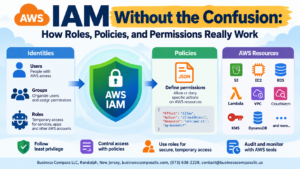
Identity and Access Management policies control who can modify Route 53 DNS records, with granular permissions for different hosted zones and record types. You can restrict access to specific domains or delegate management responsibilities to different teams while maintaining security boundaries. Cross-account access enables centralized DNS management across multiple AWS accounts, with audit trails tracking all configuration changes through CloudTrail integration for compliance and security monitoring.
Advanced Route 53 Features That Enhance Domain Performance
Alias Records for Cost-Effective AWS Resource Mapping
AWS Route 53’s alias records offer a game-changing advantage for AWS domain management by automatically resolving to AWS resource IP addresses without additional DNS query charges. Unlike traditional CNAME records, alias records can map your domain apex directly to Elastic Load Balancers, CloudFront distributions, or S3 buckets. This Route 53 DNS routing feature eliminates the need for A records with static IPs, automatically updating when your AWS resources change IP addresses. You’ll save money on DNS queries while ensuring your domain always points to the correct AWS infrastructure, making alias records essential for cost-effective cloud architecture.
Multi-Value Answer Routing for Improved Availability
Multi-value answer routing transforms your DNS hosting Route 53 setup into a powerful load distribution mechanism by returning multiple IP addresses for a single DNS query. When clients request your domain, Route 53 responds with up to eight healthy endpoints, allowing client-side load balancing and automatic failover. This Route 53 traffic routing method includes built-in health checks that automatically remove unhealthy endpoints from responses. Your applications gain improved availability and performance as traffic distributes across multiple servers, while clients can seamlessly switch to alternative endpoints if their primary choice becomes unavailable during DNS resolution.
DNSSEC Support for Enhanced Security Validation
DNSSEC (Domain Name System Security Extensions) in Route 53 domain registration provides cryptographic authentication that verifies DNS responses haven’t been tampered with during transmission. Route 53 automatically manages DNSSEC signing for your hosted zones, creating and maintaining digital signatures that validate DNS record integrity. This AWS DNS service feature protects against DNS spoofing attacks where malicious actors redirect your domain traffic to unauthorized servers. Browsers and applications can verify that DNS responses genuinely come from your authoritative name servers, building user trust and meeting compliance requirements for organizations handling sensitive data through secure domain resolution.
When you purchase a domain through Route 53, you’re getting much more than just a web address. Amazon’s DNS service automatically sets up essential DNS records, handles intelligent routing based on geography and server health, and creates seamless connections with other AWS services. These built-in features save you hours of manual configuration while giving you enterprise-level DNS management right from day one.
Route 53’s smart routing capabilities and advanced features like health checks, failover protection, and traffic policies make it a powerful choice for anyone serious about their online presence. If you’re already using AWS services or planning to scale your website, Route 53’s deep integration with the AWS ecosystem makes domain management incredibly smooth. Take advantage of these automated features and focus on building your business instead of wrestling with DNS configurations.